
ESG: A Disaster in the Making
Environmental, social, and governance (ESG) investing has become increasingly popular in recent years. Investors are looking for ways to invest their money in companies that are making a positive impact on the world. However, there is a growing concern that ESG investing is actually a disaster in the making.
In a June 10 Tweet, Elon Musk, the embodiment of the electric vehicle (EV) revolution, declared that “ESG is the devil.”
There are a number of reasons why ESG investing is a problem. First, ESG investing is often based on subjective criteria. There is no single definition of what constitutes an ESG investment, and different investors use different criteria. This can lead to confusion and greenwashing, where companies make false or misleading claims about their ESG credentials.
Second, ESG investing can be expensive. ESG funds often have high fees, which can eat into returns. Third, ESG investing can be discriminatory. Some ESG funds exclude companies that operate in certain industries, such as fossil fuels or defense. This can limit investment opportunities and lead to higher prices for consumers.
Finally, ESG investing can be ineffective. There is no evidence that ESG investing actually leads to better environmental or social outcomes. In fact, some studies have shown that ESG investing can actually have negative consequences. For example, a study by the University of Chicago found that ESG investing can lead to higher carbon emissions.
In conclusion, ESG investing is a disaster in the making. It is based on subjective criteria, it is expensive, it can be discriminatory, and it is ineffective. Investors should be wary of ESG investing and should instead focus on traditional, value-based investing.
Here are some additional arguments against ESG investing:
ESG investing can lead to lower returns. Studies have shown that ESG funds tend to underperform traditional funds.
ESG investing can be harmful to the environment. ESG funds may exclude companies that operate in certain industries, such as fossil fuels or agriculture. This can lead to higher prices for consumers and can make it more difficult for these companies to invest in new technologies that could reduce their environmental impact.
ESG investing can be used to greenwash companies. Companies may make false or misleading claims about their ESG credentials in order to attract investors. This can mislead consumers and can make it difficult to hold companies accountable for their environmental and social impacts.
Overall, there are a number of reasons to be skeptical of ESG investing. Investors should carefully consider the risks before investing in ESG funds.

AI is the Neat Handwriting of the Illiterate
A model in the hands of someone who has read the filing and walked the plant is a clerk. The same model, speaking for someone who has done neither, is a disguise. On AI slop, phantom citations and factslop, why finish stopped being evidence of work, and the containment layer KXCO built so a machine cannot speak as the institution until a source is attached.
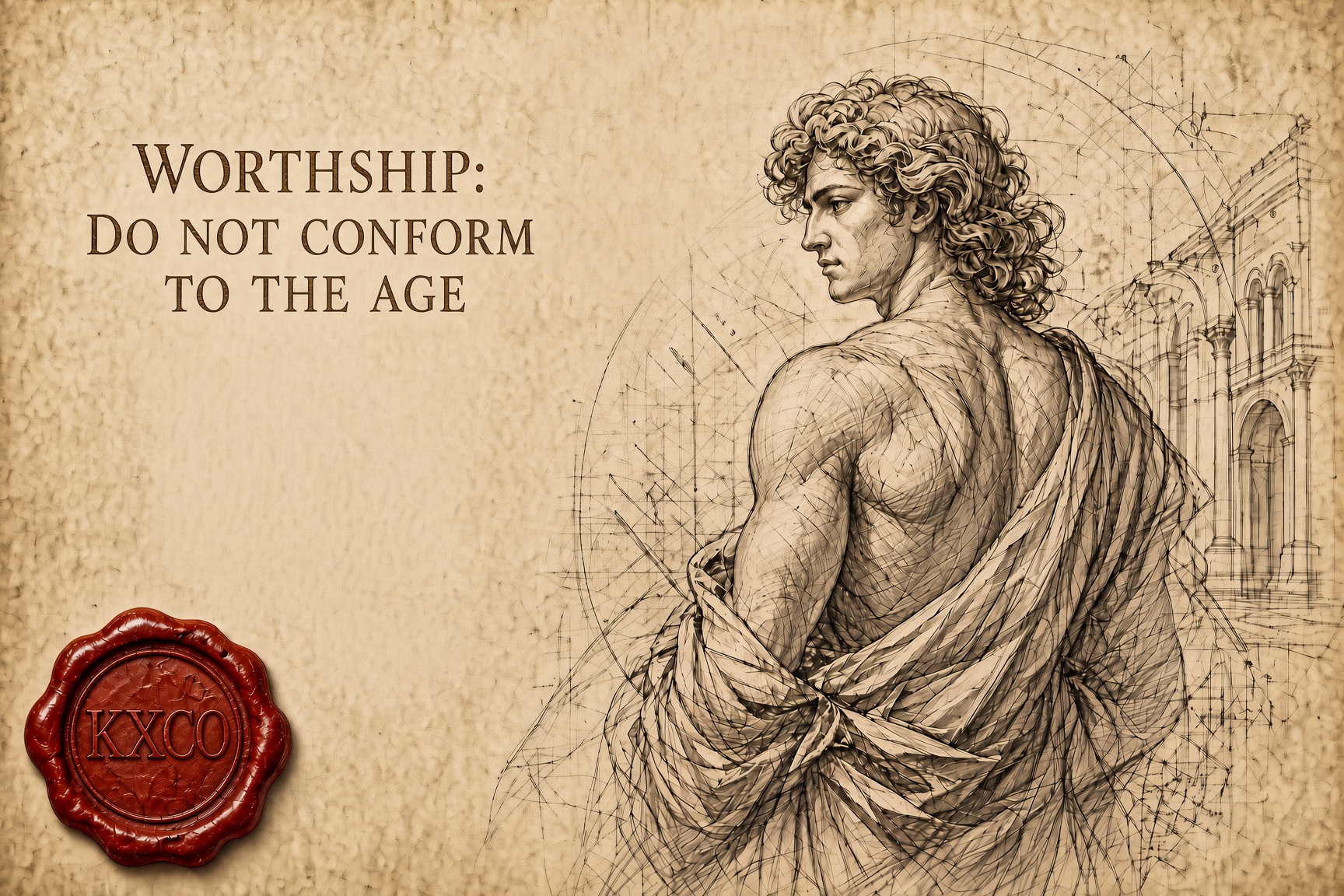
Worthship: Do Not Conform to the Age
Worthship is the older English word for worship, and it means to ascribe worth. Bishop Robert Barron preached Romans 12 on 30 August. This essay follows the text into the prison letters, and puts two questions to a graph: do the four readings of that Sunday agree, and was Paul free or in chains when he wrote about despair?
The Truth in All Its Ugliness Must Survive
A majority vote does not determine the truth. Consensus is a mood, gossip is a sport, and a model will write the pretty version for free. Why the ugly number has to survive, why a record beats a dashboard, and what KXCO was built to keep standing when the room changes its mind.

Don't Be the Best, Be the Only: Winning in an AI World
AI is repricing competence downward. What it cannot reproduce is a life. The case for remaining non-fungible, why friction still produces the best ideas, and what it means to build AI systems that keep the human intellect in them.
Every story, signed and delivered.
Subscribe to the kxco channel and get the headline, the AI-written key takeaways, and the chain-anchor link the moment we publish. Audio versions and per-ticker subscriptions arrive in the next iteration.