
Dogecoin Started as a Joke is Now Worth $90-B
#Dogecoin #Bitcoin #Ethereum #blockchain #NFPs #IRS #SEC
"The cryptocurrency market merits all investors attention"-- Paul Ebeling
But for those of you beginning to take the digital asset seriously, the 2 big names in the $2.2-T are Bitcoin and Ether.
Bitcoin's, the leader, value up about 500% in the past year. And Ether has been running North too, with a price jump of around 1,500% over the same frame.
But, they are different in many ways, here is how:
Bitcoin was the 1st digital currency to create a way to transfer value between 2 people anywhere in the world. Many tried and failed. But Satoshi Nakamoto, made a Key breakthrough by creating a digital, time-ordered ledger, called a blockchain, to record every Bitcoin transaction. It meant Bitcoin transactions take place independently from involvement or interference by typical financial intermediaries like governments, banks or corporations. Bitcoin was worth virtually nothing when it was first activated in January 2009. In April 2021, it reached a record price of almost $65,000.
Ethereum was invented by Vitalik Buterin, a Russian-Canadian teenager who released his white paper on the subject in late Y 2013. Mr. Buterin, 19 anni, set out to craft a system that could do more than record static quantities. His vision was of a blockchain that could host what came to be known as smart contracts, self-executing agreements in which a chain of actions could flow from defined conditions and contingencies. The only limit to the transactions that can run on Ethereum is the imagination of the developers who build Ethereum applications.
The idea of operating through a decentralized network of computers that shared an accumulating record of transactions, aka, blockchain.
Both systems are publicly viewable and are built on open source software, so developers can jump in and try to make improvements. Both networks also rely on members known as miners who race to perform the complex calculations used to verify the transactions and are rewarded with newly issued digital currency. This kind of verification system is called proof of work.
Holders can buy things with Bitcoin and use it to send and receive payments and Bitcoin has gained respectability as a form of “digital gold" as an asset prized for its ability to be a store of value like the precious metal. Plus, it interests some investors as a hedge against inflation, since its supply is limited by its founding algorithm, and others as an asset that’s useful for diversification because it’s not correlated to stocks and bonds.
Ethereum too, has gone through an evolution, the changes stem from how its network can deploy new ways of doing traditional things in finance and other industries. The latest Ethereum development has been non-fungible tokens, or NFTs. NFPs are a digital representation of an image or work of art that is linked to the Ethereum blockchain in a way that can be used to prove their uniqueness. That in turn can make them valuable to collectors. With 1 NFT of a collection of digital images selling for $69.3-M. The NFT market at present is paving the way for a broader set of new functionalities.
Ethereum is more used than Bitcoin and has more developers working on it. The overall share of the market claimed by Bitcoin has been falling recently as Ether has made larger price gains.
Bitcoin accounts for about 46% of total crypto market value, down from roughly 70% at the start of the year, and Ether makes up 15%.
In many parts of the world regulators are catching up with the innovations created by Bitcoin and Ethereum.
The risk is that overly onerous financial or tax rules could shift development and energy away from certain countries. In the U.S., the new head of the Securities and Exchange Commission (SEC), Gary Gensler, is a crypto fan, having taught a class at the MIT on it. Yet the Internal Revenue Service (IRS) views cryptocurrency as property that’s subject to capital gains taxes, which is a big disincentive for people to spend their crypto. There is also the risk of having your crypto stolen by scammers or that you misplace or screw up the private Key needed to secure your digital assets.
Some market observers certainly think this is a bubble. They see the recent boom as a combination of reach-for-yield risk-taking and retail investor enthusiasm.
Then there is the fact that a small group of users, known as whales, own significant portions of Bitcoin and Ether and have the potential to move prices at their call.
Even crypto supporters acknowledge that the sector’s volatility can be extreme. But they point out that the major cryptocurrencies like Bitcoin and Ether have rebounded from their downtrends over the years to rise to new highs over several cycles.
Yes, Dogecoin, the cryptocurrency that started as a joke is #4 and is now worth $90-B, it is garnering a lot of attention worldwide.
Have a healthy week, Keep the Faith!
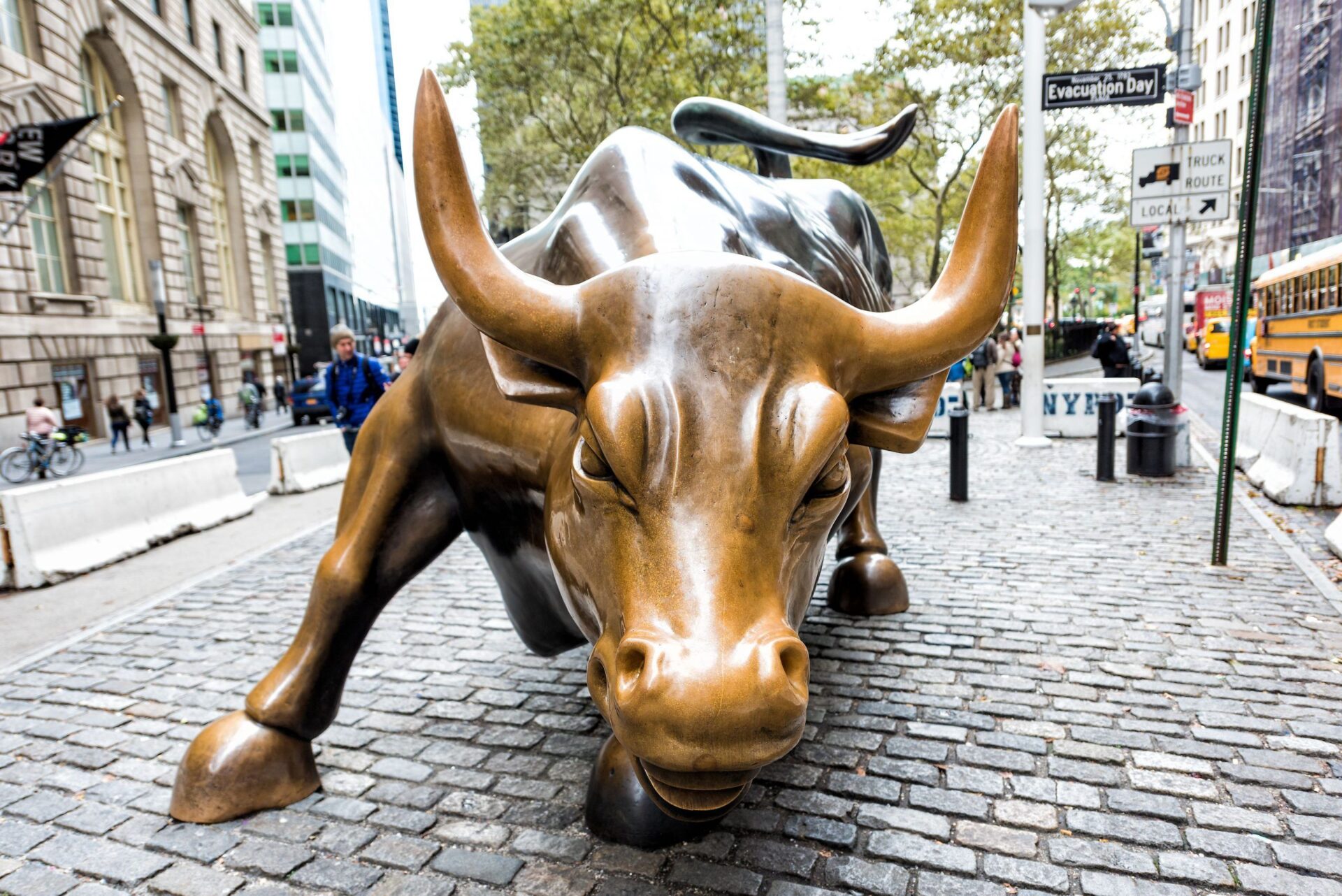
The Week Ahead on Wall Street, 16 November 2026: Look for the Bounce
NVIDIA reports on Tuesday 17 November 2026, its first results since Jensen Huang resigned, and I expect the stock and the AI market to bounce. NVIDIA closed at $162.85 on 13 November 2026, 31.93% below its record, while the semiconductor index rose 8.05% on the week. The calendar leans to currencies, with the yen near 160 after briefly crossing it, and the US publishes retail sales, housing starts, jobless claims and the Fed's minutes. Follow them on the Live Trading News trading page.

Tokenized Assets for Wall Street
Regulators now ask whether the ledger is the register, who holds each unit, and whether a transfer is checked before it clears. KXCO answers all three in software: a register that settles on a chain whose validators attest every block with ML-DSA-87, holders admitted by the licensed institution under its own KYC with the Travel Rule in the wallet, and the offering's rule applied before a unit moves. The close is a market to sell into.
KXCO Pay Is Live: WooCommerce Crypto Payments Straight to Your Own Wallet
KXCO Pay 1.0.0 went live on WordPress.org on 7 October 2026. It adds Bitcoin, Ether, USDT and USDC to WooCommerce, and the customer pays the merchant's own address. The plugin holds no funds and no keys: it reads the chain through public services, prices each order from CoinGecko, locks the rate and settles the order once the payment confirms. A shortcode, a block and a REST API take payment on any page. Free under the GPL, with no commission on any payment.
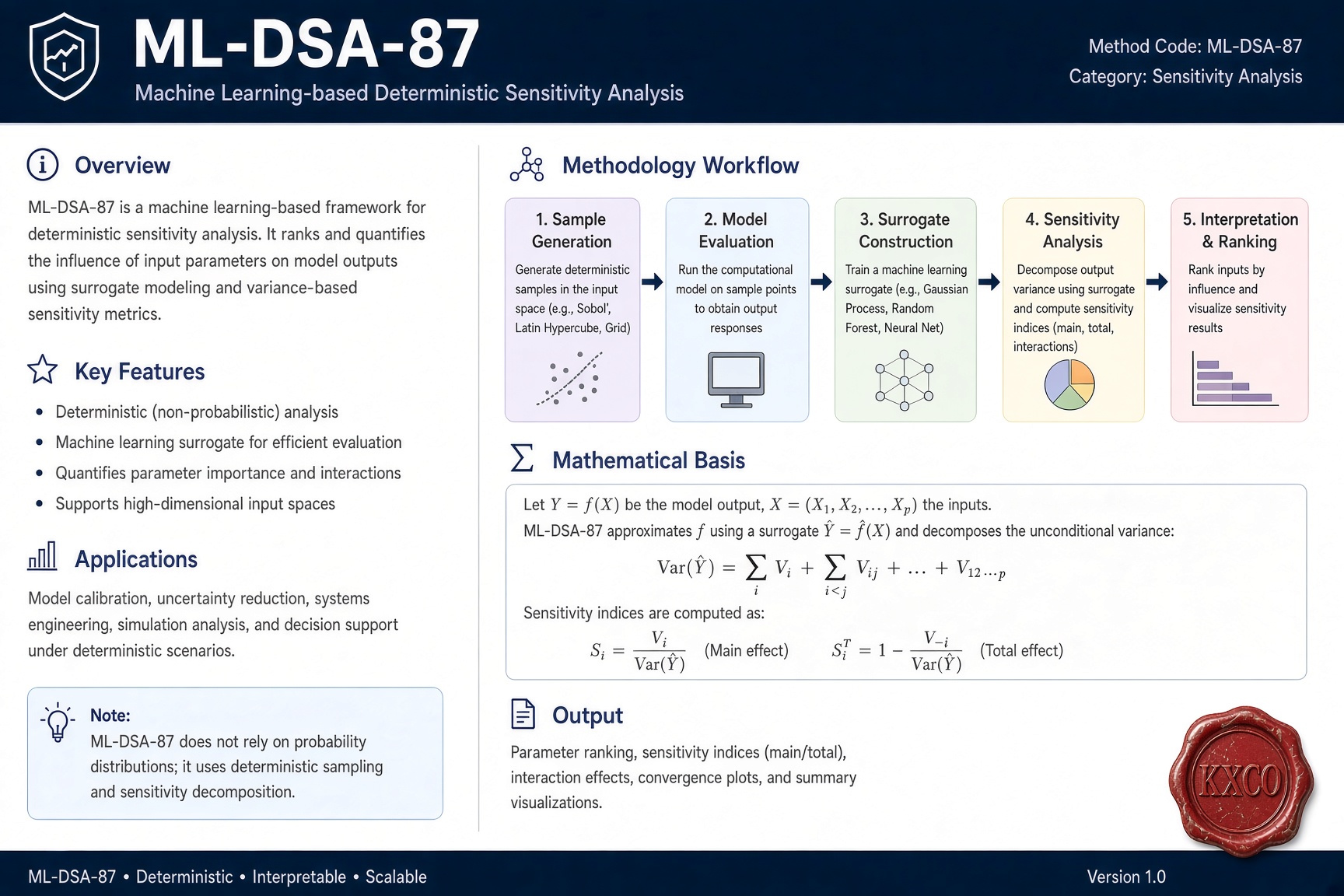
KXCO Now Verifies ML-DSA-87 in Consensus, the Signature Level Named by the NSA
On 6 October 2026 KXCO's chain began verifying ML-DSA-87 signatures as a rule of consensus, and the first ML-DSA-87 identity registered 28 seconds later. ML-DSA-87 is the category 5 level of NIST's FIPS 204, specified by the NSA for US national security systems and preferred by Australia's Information Security Manual. KXCO ships it for signing and for keys held in hardware, accepts it across its network and verifies it on chain, and anyone can check a verdict.
Every story, signed and delivered.
Subscribe to the kxco channel and get the headline, the AI-written key takeaways, and the chain-anchor link the moment we publish. Audio versions and per-ticker subscriptions arrive in the next iteration.