
Decentralized Applications, aka DApps, Explained
#DApp #AI #blockchain #Ethereum #money #management #voting #governance
"The Internet transformed from an exclusive tool to a household necessity when social media and user generated content supplanted .Com"-- Paul Ebeling
The .www went from people creating separate websites for their blogs and business to everyone having an opportunity to post on social media websites accessible to millions of users all over the world. This is why web 2.0 is also known as the ‘social web.’
This includes protocols and tools like JavaScript, HTML and CSS that allowed complex software to operate on the web instead of using the traditional PC apps. Thus helping users to access many applications for free and avoid taking up space on their computers’ memory.
Now, the issues of web 2.0 are being dismantled and fixed by the next stage of the internet’s development: web 3.0, or the ‘semantic web.’
3.0 sets out to make the technologies more autonomous and intelligent by using AI (artificial intelligence and machine learning). These technologies allow the internet to process information in a way that a human mind would instead of following prescribed algorithms. It can use any and all data users share to learn and become more intelligent and perhaps more intelligent than AI in some cases.
Blockchain enthusiasts have taken it upon themselves to fix the issue with centralization by building decentralized and open-sourced applications. These new apps will not be prone to malware attacks or downtimes just because a company’s server is down.
web 3.0 will be based on decentralized technologies, and the transition to web 3.0 is a gradual and time-consuming process, but solutions like DApps are becoming the new normal.
Decentralized applications, or DApps are built on blockchain networks and use smart contracts to create a safe space for users’ sensitive data.
DApps are open-sourced.
They run on peer-to-peer networks, and no single entity is in control of them. Instead, participants of the network facilitate improvement by sharing more and more information, as well as providing the computing power necessary for its functioning.
All of the data and records of the DApp are kept completely public and transparent. The network is still secure, as it uses a cryptographic token that manages users’ private keys.
Now, information is the most important weapon that can be used for financial and political gains. That is why the 1st and the most important benefit of the DApp is its self-governing nature. The application not being controlled by a single entity means it’s resistant to censorship and informational control over the public
Plus, DApps do not have to go through the tedious process for fiat payments integration. Because DApps are made of smart contracts, crypto payments can be easily integrated into their basic functionalities.
Another big benefit of decentralized applications for the development of web 3.0 is their being open-sourced. This does not only allow the code source to be audited and examined but also encourages developers to build bigger and greater DApps.
Most of the decentralized applications are built on the Ethereum blockchain. Their whitepaper has outlined 3 different types of DApps.
Apps that manage money.
Apps where money is involved but that also need other information to be sourced.
Other apps including voting and governance systems.
Looking at the speed with which decentralized applications are developed and improved, we can expect them to grow exponentially in the next 10 yrs. DApps make it easier for everyday users to use blockchain technology for their daily needs.
Decentralized apps are going to become a part of day-to-day living, helping to reduce costs and cutting out 3rd parties from personal and business transactions. These applications are expected to take automation and security to a new mark.
We expect DApps to evolve, improving their user interface design and overall usability. They have already taken a place as a valuable tool and paved the way for further growth and development.
Decentralized applications are expected to become mainstream as more investors and users take advantage of the efficiency of these platforms.
Have a prosperous day, Keep the Faith!

The Truth in All Its Ugliness Must Survive
A majority vote does not determine the truth. Consensus is a mood, gossip is a sport, and a model will write the pretty version for free. Why the ugly number has to survive, why a record beats a dashboard, and what KXCO was built to keep standing when the room changes its mind.
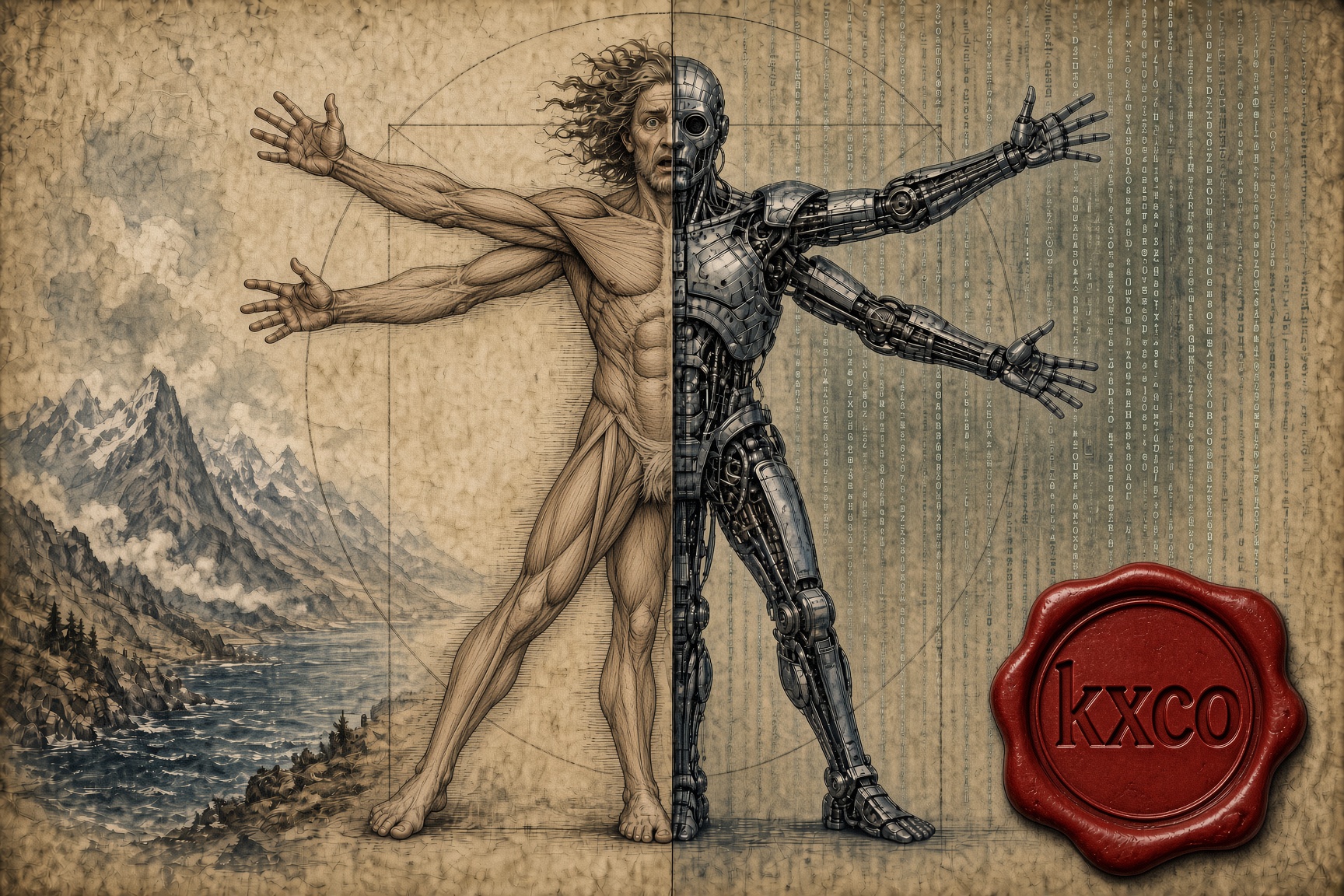
Don't Be the Best, Be the Only: Winning in an AI World
AI is repricing competence downward. What it cannot reproduce is a life. The case for remaining non-fungible, why friction still produces the best ideas, and what it means to build AI systems that keep the human intellect in them.
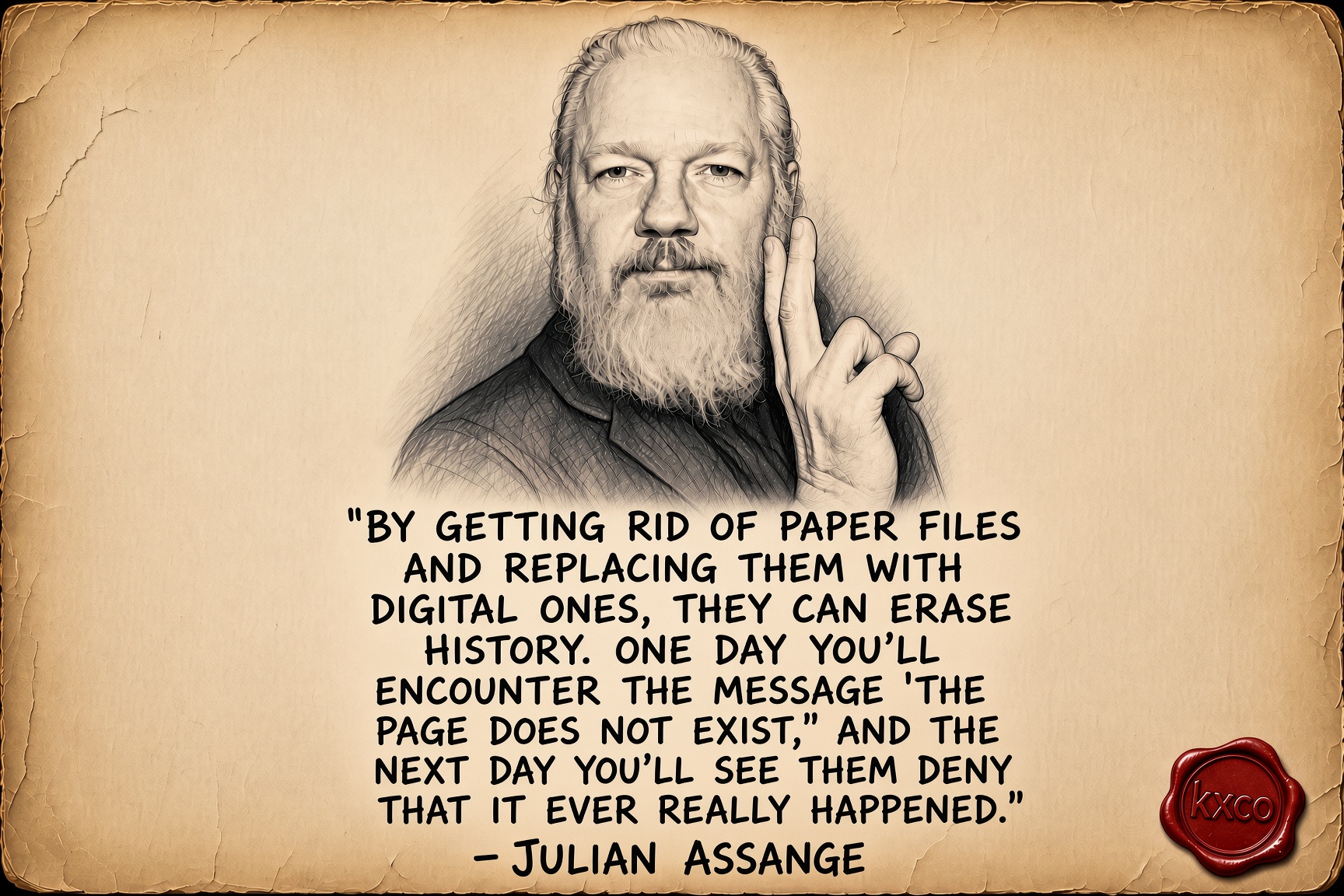
Digital Erasure, and Why KXCO Matters
Pew found 38 percent of 2013's web pages gone a decade later, and quantum computing will eventually let attackers forge the signatures that prove records authentic. Why durable history now depends on post-quantum cryptography, on-chain anchoring and verification that needs nobody's permission.
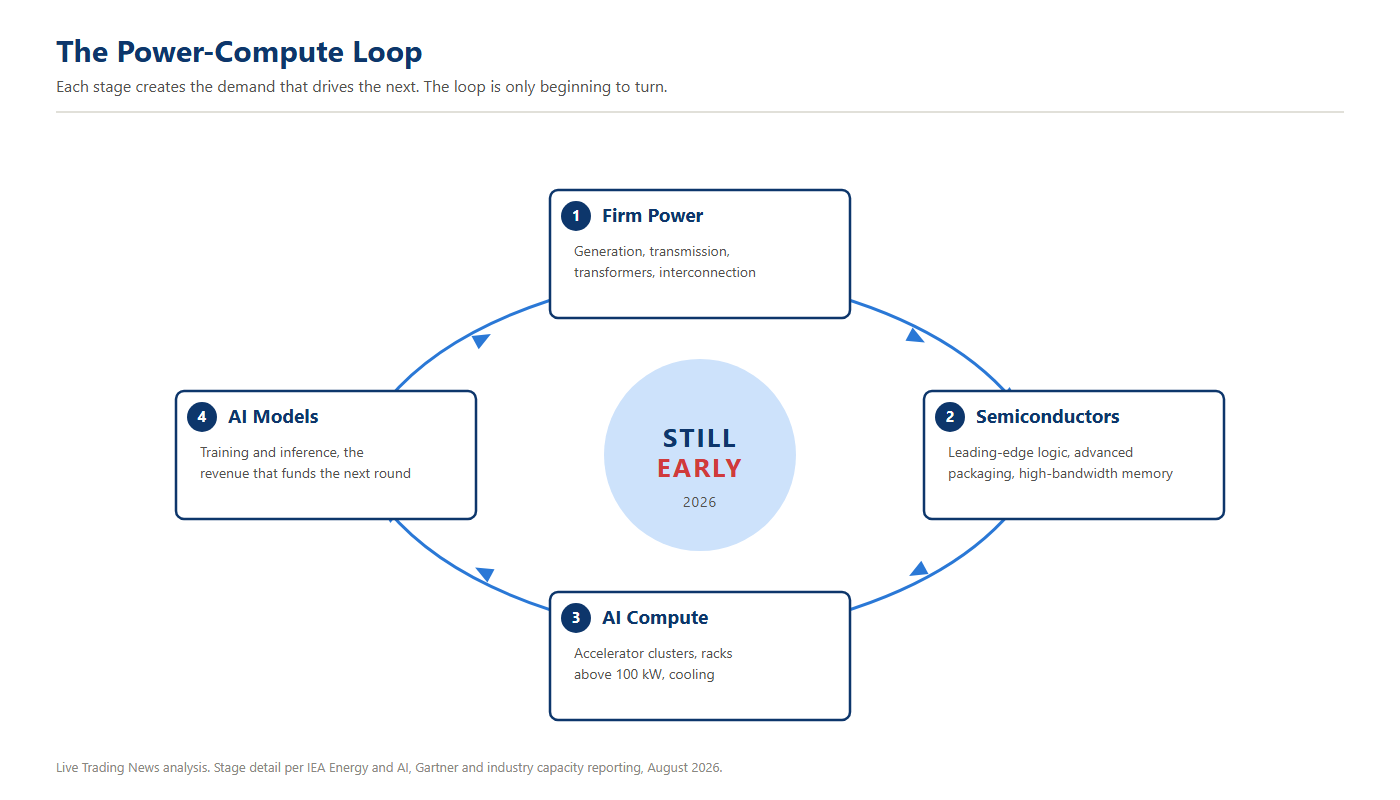
Energy IS the New Currency
Elon Musk said energy would become the de facto currency. He was describing a physical constraint, not a metaphor. Firm power delivered to the rack is now the limiting reagent in the AI build-out, and roughly 158 GW of data-centre capacity still has to be energised by 2030.
Every story, signed and delivered.
Subscribe to the kxco channel and get the headline, the AI-written key takeaways, and the chain-anchor link the moment we publish. Audio versions and per-ticker subscriptions arrive in the next iteration.