
Cryptocurrency Mining: If you are technologically inclined, why not do it?
#mining #bitcoin #blockchain #cryptocurrency
"Bitcoin mining is the process by which new bitcoins are entered into circulation, it is also a Key component of the maintenance and development of the blockchain ledger"-- Paul Ebeling
Mining is performed using sophisticated hardware that solves an extremely complex computational math problem. The 1st computer to find the solution to the problem receives the next block of bitcoins and the process begins anew.
Cryptocurrency mining is costly, and only sporadically rewarding. Nonetheless, mining has a magnetic appeal for many investors who are interested in cryptocurrency because of the fact that miners receive rewards for their work with crypto tokens. This may be because entrepreneurial types see mining as pennies from heaven, like California gold prospectors in Y 1849.
The bitcoin reward that miners receive is an incentive that motivates people to assist in the primary purpose of mining: to legitimize and monitor Bitcoin transactions, ensuring their validity. Because many users all over the world share these responsibilities, Bitcoin is a "decentralized" cryptocurrency that does not rely on any central authority like a central bank or government to oversee its regulation.
Mining rewards are paid to the miner who discovers a solution to a complex hashing puzzle 1st, and the probability that a participant will be the 1 to discover the solution is related to the portion of the network's total mining power.
Aside from the short-term payoff of newly minted bitcoins, being a coin miner can also give you "voting" power when changes are proposed in the Bitcoin network protocol. This is known as a Bitcoin Improvement Protocol (BIP). In other words, miners have some degree of influence on the decision-making process for matters such as forking. The more hash power you possess, the more votes you have to cast for such initiatives.
To learn more about the mining process click here.
Have a prosperous day, Keep the Faith!
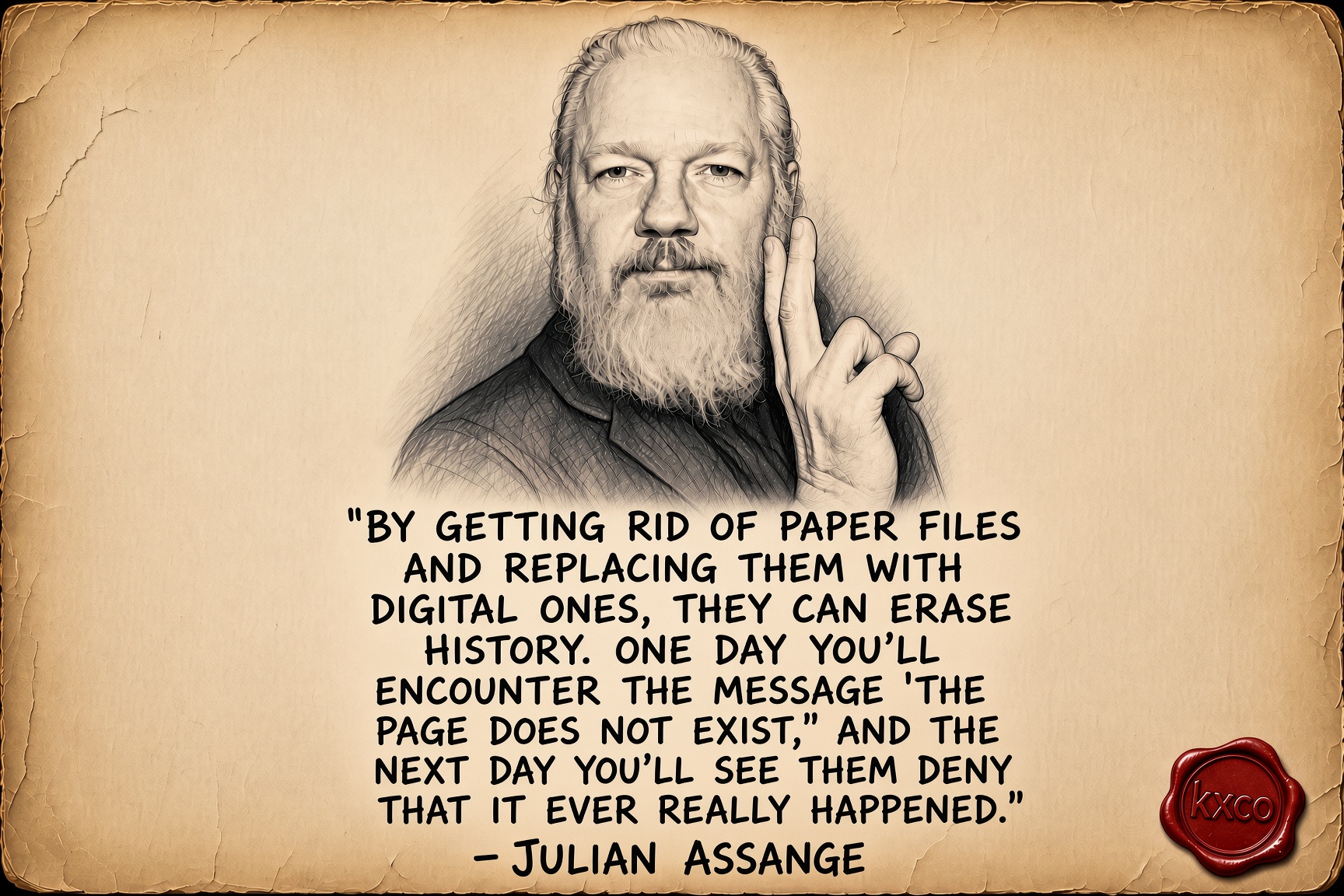
Digital Erasure, and Why KXCO Matters
Pew found 38 percent of 2013's web pages gone a decade later, and quantum computing will eventually let attackers forge the signatures that prove records authentic. Why durable history now depends on post-quantum cryptography, on-chain anchoring and verification that needs nobody's permission.

Economic Calendar and Trading Strategies for the Week Ahead: July 20–24, 2026
A pivotal week for markets: Iran's closure of the Strait of Hormuz sends crude above $86 and gasoline over $5, while Alphabet, Tesla and Intel earnings test the AI trade. Full economic calendar plus trading strategies across oil, gold, Bitcoin, FX and AI chip stocks.
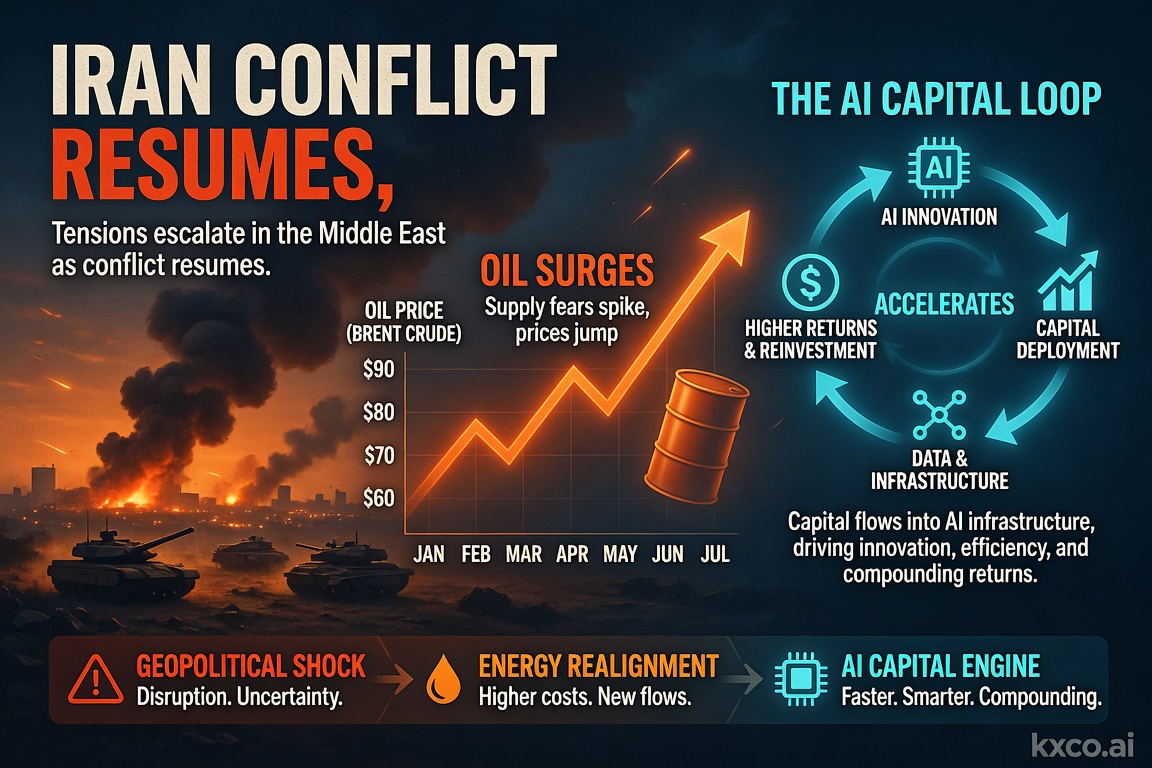
Economic Calendar and Trading Strategies for the Week Ahead: July 14–18, 2026
A pivotal week for markets: US strikes on Iran reignite the oil risk premium, June CPI and retail sales test the Fed's rate-cut path, and the $1 trillion AI capital loop keeps driving the tech trade. Full economic calendar plus trading strategies across oil, gold, Bitcoin, FX and AI stocks.
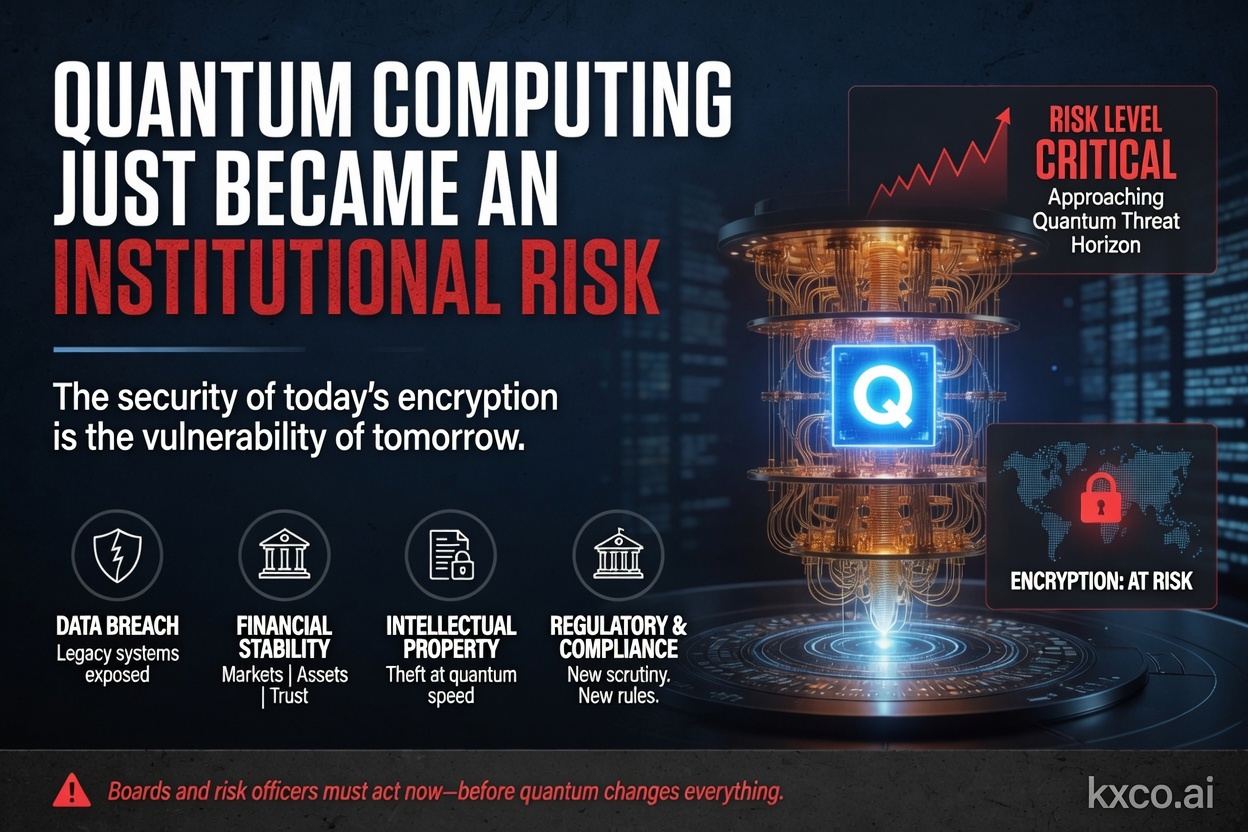
Quantum Computing Just Became an Institutional Risk
Shayne Heffernan on BlackRock's quantum-computing warning for Bitcoin and Ethereum, Google's cryptanalysis research, the two on-chain risk vectors, and how KXCO's Armature L1 — post-quantum from genesis, coordinated by its ontology — answers a threat that just went institutional.
Every story, signed and delivered.
Subscribe to the kxco channel and get the headline, the AI-written key takeaways, and the chain-anchor link the moment we publish. Audio versions and per-ticker subscriptions arrive in the next iteration.