
Cryptocurrency Means...
#cryptocurency #coins #tokens #blockchain
$BTCUSD $ETHUSD $KNIGHTSUSD $XRPUSD
"To be sure, some form of cryptocurrency will replace all fiat currency some day"-- Paul Ebeling
...when many people hear the word “cryptocurrency,” they think of coins that indicate a storage of value or a way to exchange wealth. With the popularity of Bitcoin, this misconception is understandable. And, while all crypto tokens share a common history, there are distinct differences among various types.
Here we provide a simple primer on the characteristics of the 3 main variations of cryptocurrencies.
Currency Tokens
The 1st type of cryptocurrency is the one most people think of. First and foremost, it’s a store of value or a means of exchange, such as Bitcoin. Also called transactional tokens, they have value because the parties involved in exchanging them say they have value.
Like traditional fiat currencies Bitcoin itself has limited inherent value as a good or input, and instead has value because other people attribute value to it.
Digital coins have limitations, and 1 drawback of Bitcoin is its 1-megabyte block size and its network’s throughput capability.
Another issue with Bitcoin is privacy. While Bitcoin addresses are anonymous in the sense that a wallet is not linked to a person in a database, the holdings and transactions of a given wallet are publicly viewable on a ledger.
In response to these limitations, subsequent digital currencies were created to address some of the original currency’s challenges.
Utility Tokens
Utility tokens are also known as app coins or user tokens. They provide users with future access to a product or service. In the current blockchain landscape, it’s popular for a startup to raise capital via an ICO (initial coin offering) by issuing tokens that backers can use for future access to that service. In most cases token holders receive a discount on the finished product’s retail or final price.
Utility tokens, such as Ripple, are designed for a particular purpose. Ripple, for example, was designed to create a frictionless transfer of fiat money and is used by banks and financial institutions, such as RBC, American Express, SEB, BMO and more.
Utility tokens were not created with the purpose of becoming investments, many people contribute to utility token ICOs with the hope that the value of the tokens will increase as demand for the company’s product or service increases.
App/Platform Tokens
Platform cryptocurrencies are full blockchain technologies with their own protocols and rule sets, providing an infrastructure for future applications or dApps (distributed apps) to be built upon them. They are designed to eliminate middlemen, create markets, and even launch other cryptocurrencies.
Ethereum is the most popular example of a platform cryptocurrency. Ethereum tokens are digital tokens based upon the Ethereum blockchain, a decentralized platform that is used to run smart contracts and is also the building block of newer cryptocurrencies in other categories.
An app token is a digital token for an application built on Top of a platform, they may represent a digital subscription or membership that holders can trade for benefits on the platform, or digital shares of equity sold in exchange for future profit sharing.
Understanding how the pieces fit will give you a better grounding on which to base future decisions about the market and will make your participation in the crypto market more enjoyable, as well.
Here is the link to our Crypto archive.
Have a prosperous day, Keep the Faith!
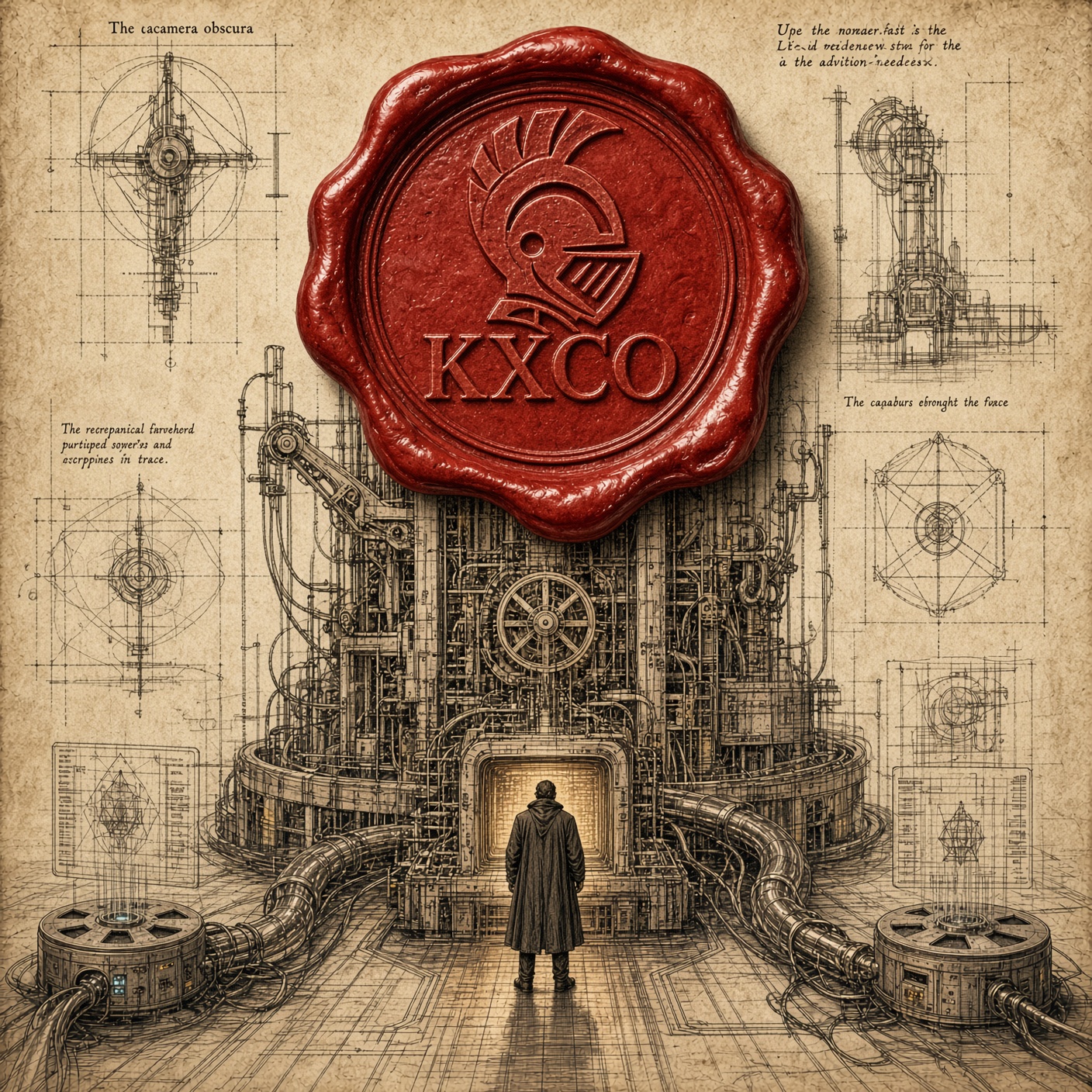
Industrialising Intelligence: Demand, Scarcity and the Boundary of Sovereignty
AI agents generate 80% of OpenRouter's tokens, about seven times human use, and Google's monthly tokens rose about 330 times in two years to over 3.2 quadrillion. In my view the limit on AI demand has moved from people to power: the International Energy Agency expects data-centre electricity to reach around 945 terawatt-hours by 2030. Execution is becoming a utility. Selection is not. KXCO builds the boundary that keeps the decision with a named person and lets another party check the record.
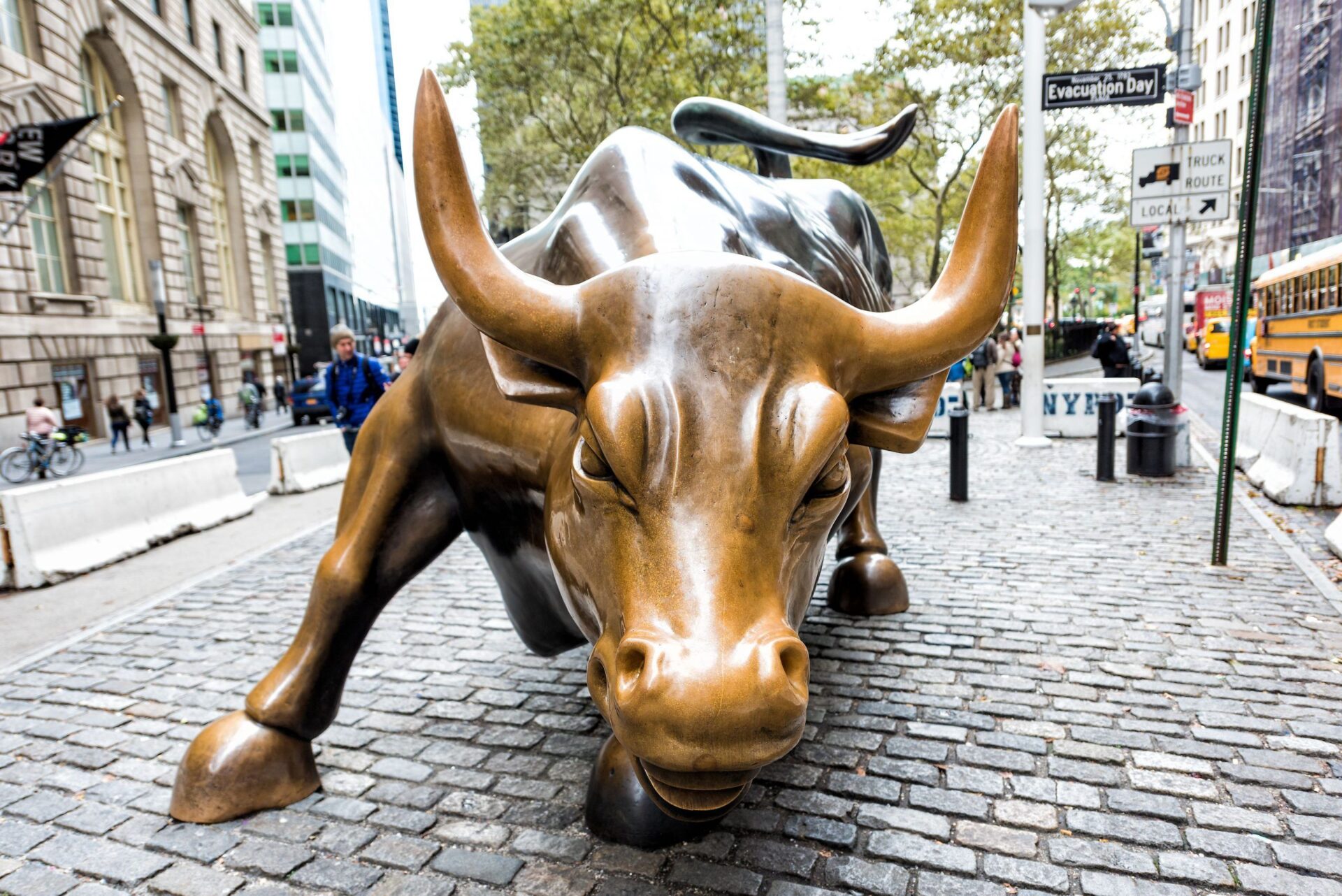
The Week Ahead on Wall Street, 16 November 2026: Look for the Bounce
NVIDIA reports on Tuesday 17 November 2026, its first results since Jensen Huang resigned, and I expect the stock and the AI market to bounce. NVIDIA closed at $162.85 on 13 November 2026, 31.93% below its record, while the semiconductor index rose 8.05% on the week. The calendar leans to currencies, with the yen near 160 after briefly crossing it, and the US publishes retail sales, housing starts, jobless claims and the Fed's minutes. Follow them on the Live Trading News trading page.
KXCO Pay Is Live: WooCommerce Crypto Payments Straight to Your Own Wallet
KXCO Pay 1.0.0 went live on WordPress.org on 7 October 2026. It adds Bitcoin, Ether, USDT and USDC to WooCommerce, and the customer pays the merchant's own address. The plugin holds no funds and no keys: it reads the chain through public services, prices each order from CoinGecko, locks the rate and settles the order once the payment confirms. A shortcode, a block and a REST API take payment on any page. Free under the GPL, with no commission on any payment.
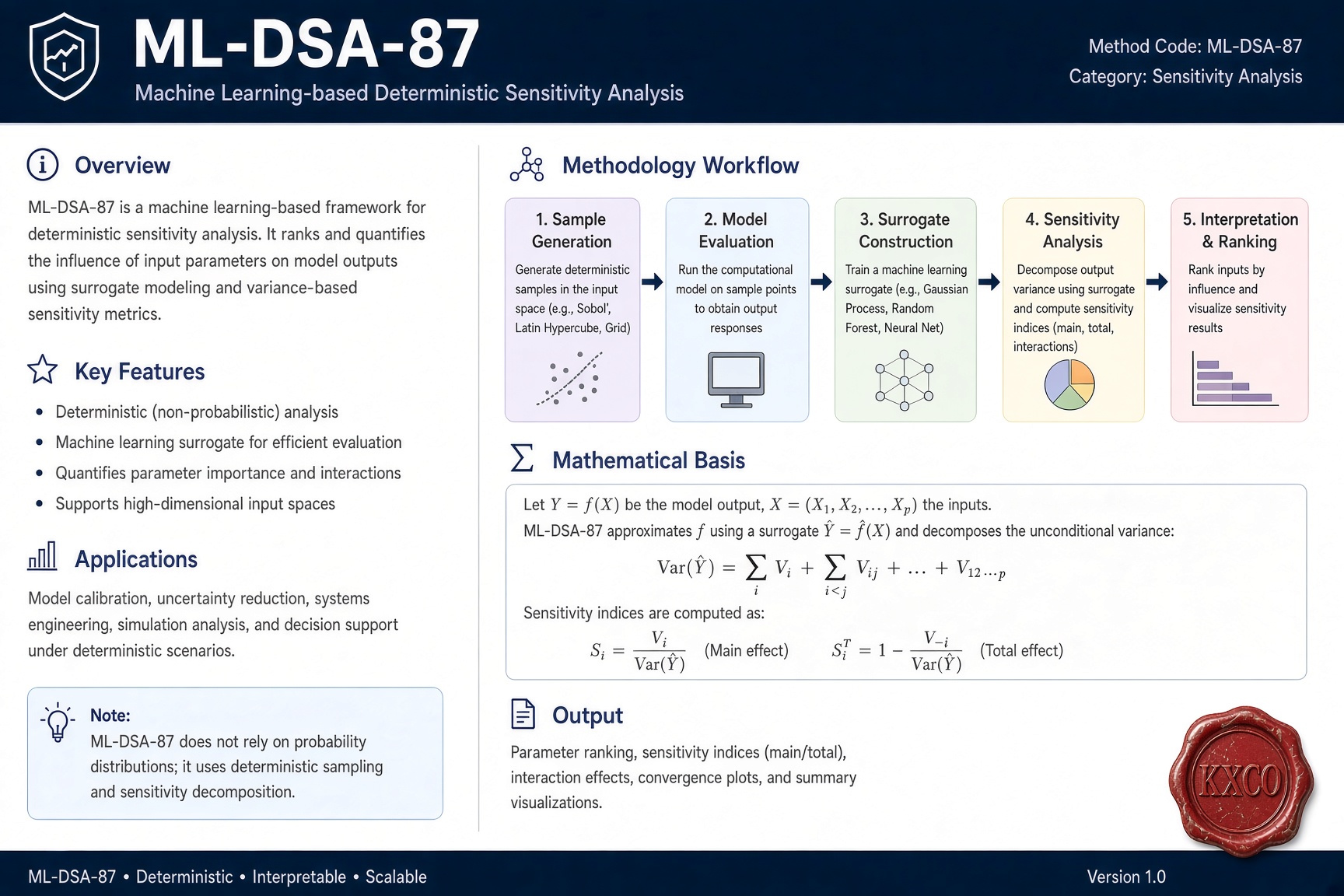
KXCO Now Verifies ML-DSA-87 in Consensus, the Signature Level Named by the NSA
On 6 October 2026 KXCO's chain began verifying ML-DSA-87 signatures as a rule of consensus, and the first ML-DSA-87 identity registered 28 seconds later. ML-DSA-87 is the category 5 level of NIST's FIPS 204, specified by the NSA for US national security systems and preferred by Australia's Information Security Manual. KXCO ships it for signing and for keys held in hardware, accepts it across its network and verifies it on chain, and anyone can check a verdict.
Every story, signed and delivered.
Subscribe to the kxco channel and get the headline, the AI-written key takeaways, and the chain-anchor link the moment we publish. Audio versions and per-ticker subscriptions arrive in the next iteration.