
Crypto: Self-Regulation Needed To Reduce Hacker Threat
#crypto #DeFi #blockchain #cryptocurrency #hacker #threat #security #CSS #regulate #investors #knightsbridge #exchanges #traders
Since Y 2016, an estimated $3.1-B has been lost to malicious players attacking exchanges, DeFi protocols and marketplaces with decentralized exchanges and DeFi protocols being the primary target.
According to the analytics firm Crystal Blockchain, the number of hacks targeting the crypto industry has nearly 2X'd since Y 2020, so increased security measures are required to keep exchanges safe at the time of worldwide crypto adoption.
The record-breaking hack of the PolyNetwork decentralized exchange (DEX) cost the project $600-M in October 2021 because of mismanagement of access rights between 2 important Poly smart contracts. The biggest damage has been caused to projects falling victim to the exploitation of errors in code, access controls or flash loan attacks.
In part, this phenom is also due to the increasing number of projects jumping into the crypto sector without taking the necessary precautions. Exchanges and related services are usually caught off-guard by exploits in their code caused by a lack of regulation and oversight.
Since this sector is still at its early stage of development, many investors are exploring it for the 1st time, and likely unaware of the security risks the new tech poses.
With these problems exchanges must be proactive in the development of best practices. Regular code audits to ensure the security of exchanges and other security initiatives are becoming increasingly important. And of course Knightsbridge has done that
Since these problems are prevalent, a number of standards have been set for exchanges to follow. For example, SOC2 and ISO 27001 are among the primary standards, ensuring exchanges meet globally established security requirements.
Expert developers in the field have also found a niche by providing fully tailored security services like PeckShield that secure any crypto project. On the user side, scoring systems like CER assists users by making them aware of the safety of the platform they’re using.
Exchanges need to ensure that both they and their customers can transact safely, which is why during the last yr, various institutions have come to help solve this problem by auditing the code and providing safety certifications.
For an exchange to get a AAA rating they need a high CyberSecurityScore (CSS) in each of the following criteria – server security, user security, penetration test, bug bounty, ISO 27001 and funds insurance. Currently there are just 6 exchanges that have the highest 3-A rating by meeting all security requirements according to CER methodology.
As the crypto industry matures, exchanges are focus on securing participants and their funds. With more standards and bodies that ensure some sort of compliance to security and safety, it could lead to some quasi-form of regulation across the board if no official regulatory system is put in place.
With the influx of crypto traders, it is very important for exchanges to have their security measures set up to protect the billions flowing between them.
Reports from Binance have shown that there are now 300-M crypto users worldwide as compared to 100-M in the prior yr. With most of these individuals having to use some form of exchange or platform to buy crypto, so these highways of exchange have a responsibility to implement proactive security measures. This is happening.
Have a healthy, prosperous weekend, Keep the Faith!
KXCO Pay Is Live: WooCommerce Crypto Payments Straight to Your Own Wallet
KXCO Pay 1.0.0 went live on WordPress.org on 7 October 2026. It adds Bitcoin, Ether, USDT and USDC to WooCommerce, and the customer pays the merchant's own address. The plugin holds no funds and no keys: it reads the chain through public services, prices each order from CoinGecko, locks the rate and settles the order once the payment confirms. A shortcode, a block and a REST API take payment on any page. Free under the GPL, with no commission on any payment.
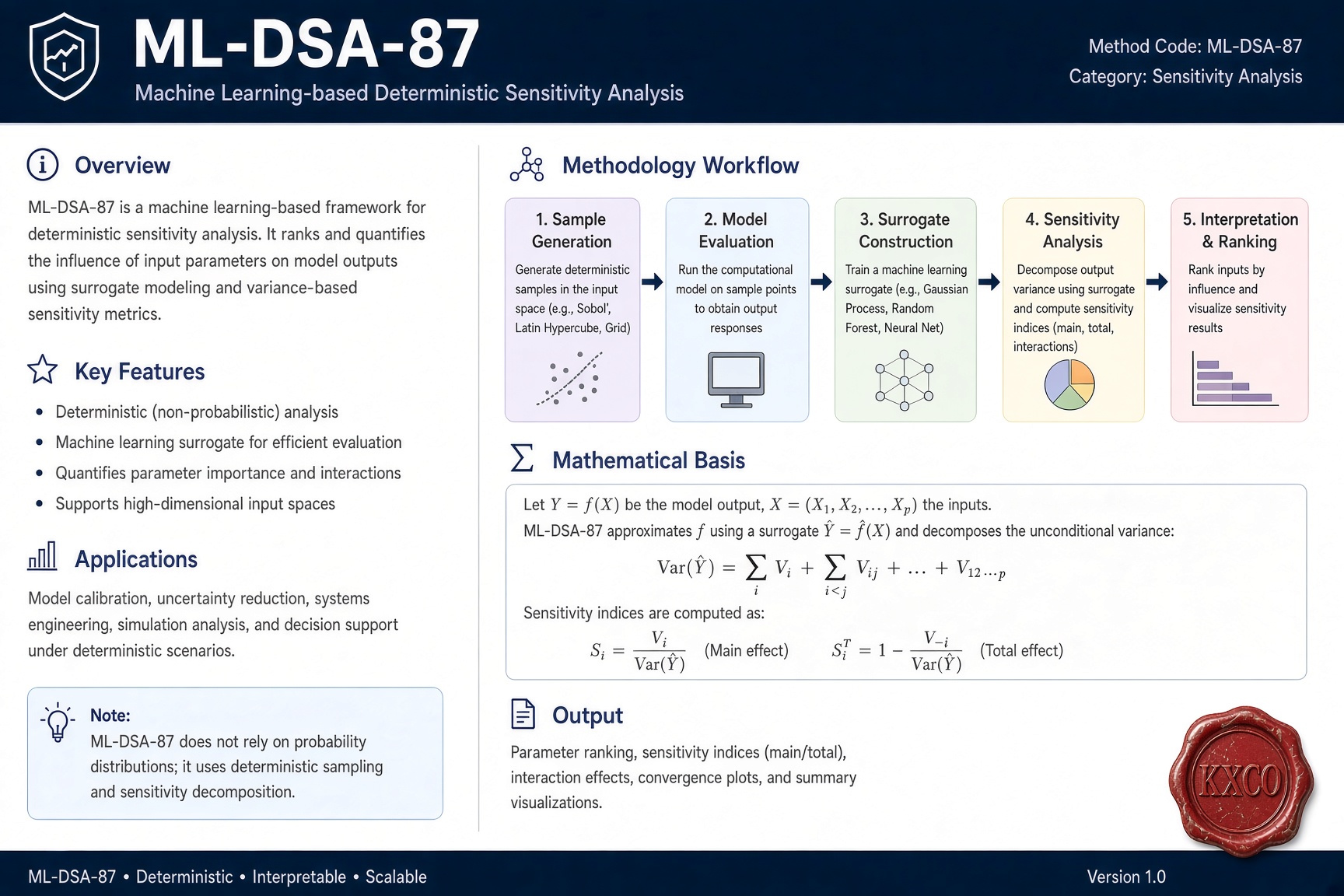
KXCO Now Verifies ML-DSA-87 in Consensus, the Signature Level Named by the NSA
On 6 October 2026 KXCO's chain began verifying ML-DSA-87 signatures as a rule of consensus, and the first ML-DSA-87 identity registered 28 seconds later. ML-DSA-87 is the category 5 level of NIST's FIPS 204, specified by the NSA for US national security systems and preferred by Australia's Information Security Manual. KXCO ships it for signing and for keys held in hardware, accepts it across its network and verifies it on chain, and anyone can check a verdict.

Careful of the Prompts You Give Yourself
A prompt is not only what you type into a model. It is any sentence that gets inside you and starts issuing orders. Most of what we call goals were written by comparison, media, competition and now the model, and they arrive dressed as ambition. Shayne Heffernan maps how an imported sentence becomes a week, why a want should carry its source the way a Round Table claim does, and how to strip, lock and guard the objective that is actually yours.
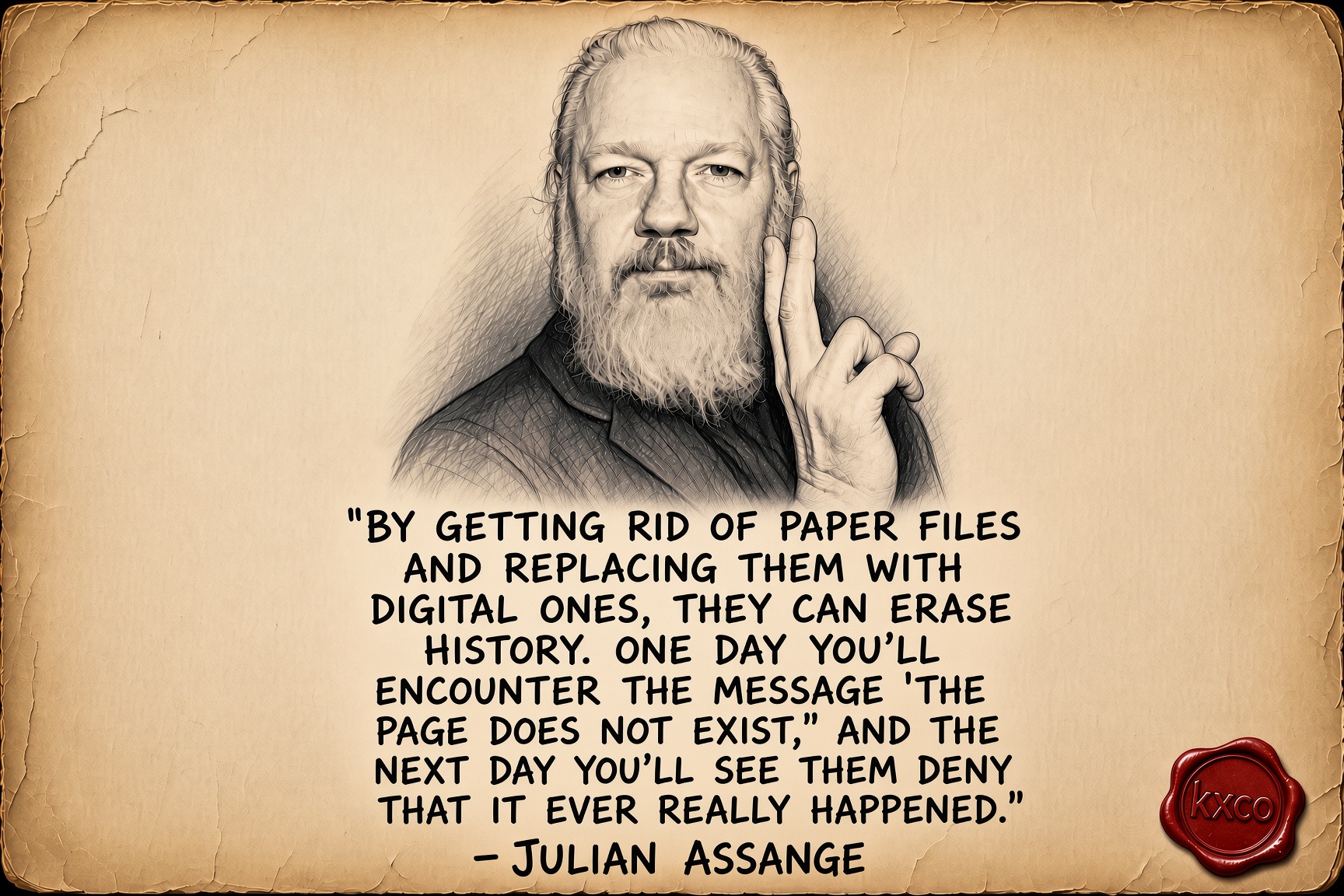
Digital Erasure, and Why KXCO Matters
Pew found 38 percent of 2013's web pages gone a decade later, and quantum computing will eventually let attackers forge the signatures that prove records authentic. Why durable history now depends on post-quantum cryptography, on-chain anchoring and verification that needs nobody's permission.
Every story, signed and delivered.
Subscribe to the kxco channel and get the headline, the AI-written key takeaways, and the chain-anchor link the moment we publish. Audio versions and per-ticker subscriptions arrive in the next iteration.