
Crypto: DeFi and Banks in the Blockchain
#banks #banking #DeFi #DAO $TradFi #KYC #blockchain #cryptocurrency #digital #assets #apps #money #internet #knightsbridge
"The champions of DeFi declare that it is a fundamental shift in the ways people interact with finance, and expands access to that world to anyone who wants to join-- Paul Ebeling
An alternative to traditional banking that is now happening fast is called decentralized finance, aka, DeFi, it refers to financial applications built on blockchain technology that enable digital transactions between multiple parties. The blockchain is essentially a public ledger for digital assets, including cryptocurrencies. DeFi can involve lending crypto, sending crypto, or investing crypto.
And DeFi happens without a central authority, or the involvement of banks or other traditional financial organizations, hence “decentralized.” The DeFi finance market, nonexistent just a few years ago, has now grown into an industry worth hundreds of billions.
“Just like the internet enabled the free transfer of information, DeFi aims to enable the transfer of value in an open, transparent, auditable system that doesn't need any centralized 3rd party or gatekeeper—but just the agreement of two parties,” Robinhood Crypto CTO, told us.
The traditional banking sector, aka; TradFi relies upon KYC or know your customer, which refers to procedures that financial organizations use to verify a client’s identity and legitimacy before doing business with them. Here a customer must prove they are who they say they are.
If you want to borrow money from a bank you need a credit check, proof of identity, and likely some kind of income verification.
But with DeFi, a customer can often be anonymous, and keep their personal information and identity a secret. The only thing you usually need is digital assets.
Instead of going through financial institutions, DeFi participants enter into a “smart contract,” which is computer code that acts as the intermediary to make sure everyone fulfills their obligations.
“By removing middlemen, DeFi promoted ‘access’ to create a fluid, global financial system open to everyone, with no barriers,” Kerbat told Fortune.
Aside from identifying customers, many traditional banks also require a minimum deposit when opening a savings account usually $25 to $100. And most savings accounts come with a minimum balance fee or monthly maintenance fee too.
DeFi is different in how few barriers there are to enter.
To use a DeFi application generally all you need is a crypto wallet and internet access. And there is usually no minimum funds required. If you forget a password to an account, though, it’s really gone. There’s no third party to go to for help.
To begin engaging with DeFi apps, you can create a crypto wallet through companies like Knightsbridge and buy some cryptocurrency to get started.
DeFi is a fundamental shift in the ways people interact with finance, and expands access to that world to anyone who wants to join.
In a speech last month, the Acting US Comptroller of the Currency Michael Hsu folishly compared DeFi a “fool’s gold rush.” He well know that DeFi is here to stay and must just want ink!
Have a healthy, prosperous weekend, Keep the Faith!
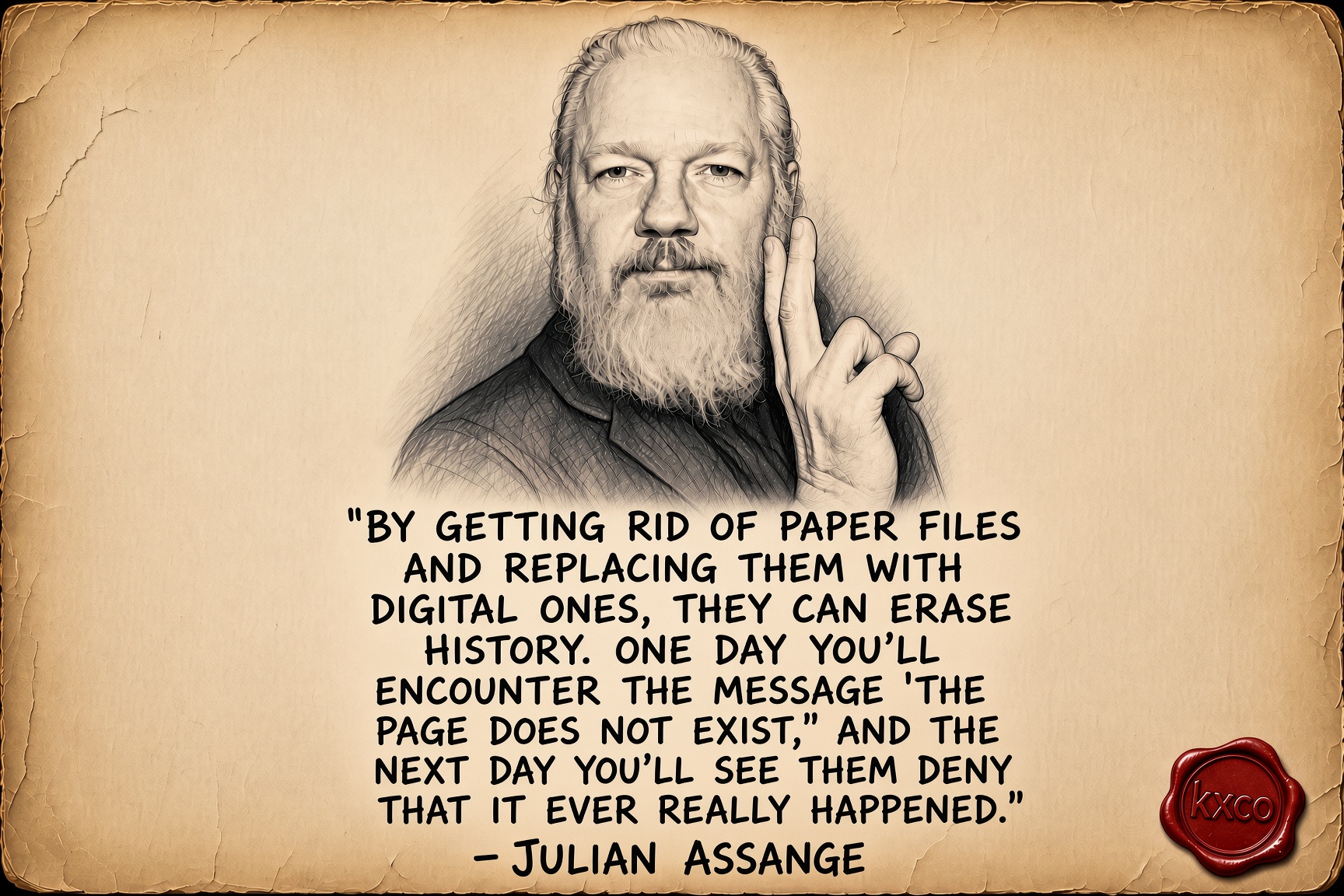
Digital Erasure, and Why KXCO Matters
Pew found 38 percent of 2013's web pages gone a decade later, and quantum computing will eventually let attackers forge the signatures that prove records authentic. Why durable history now depends on post-quantum cryptography, on-chain anchoring and verification that needs nobody's permission.
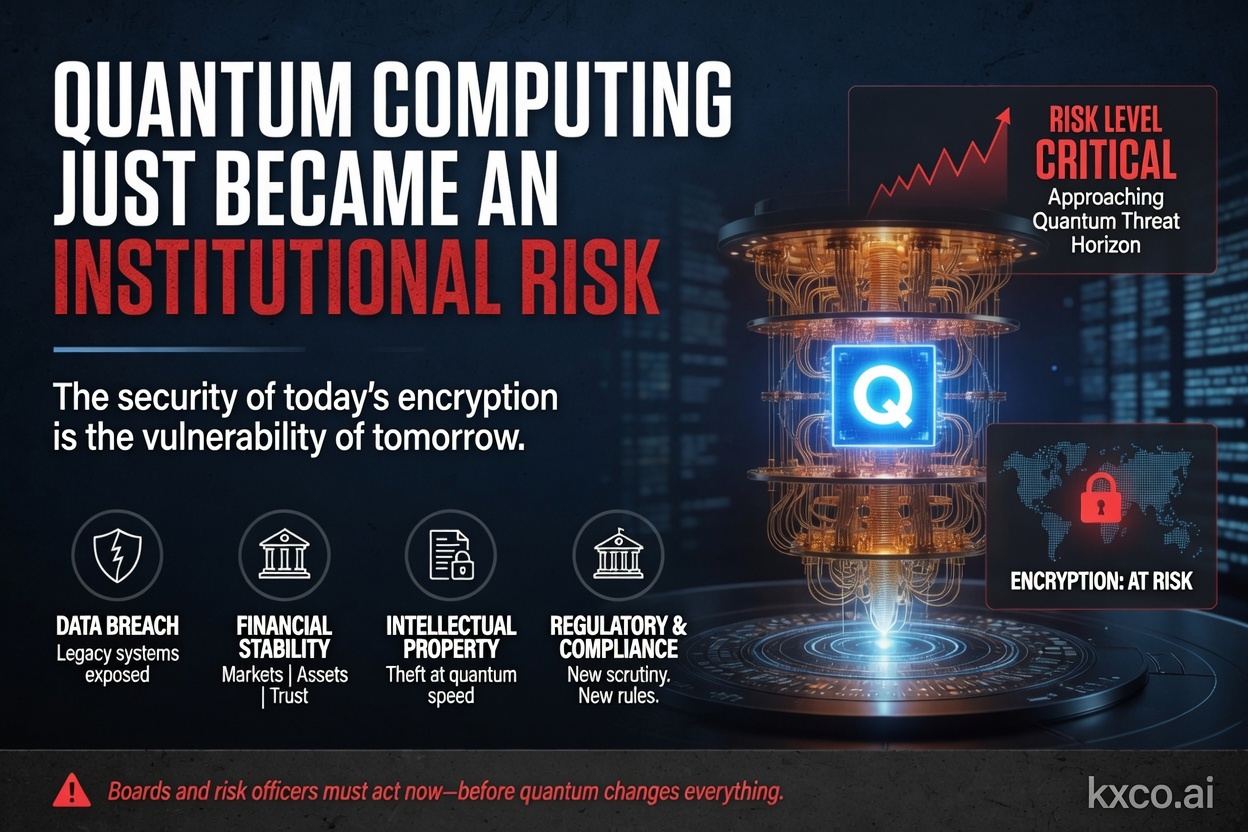
Quantum Computing Just Became an Institutional Risk
Shayne Heffernan on BlackRock's quantum-computing warning for Bitcoin and Ethereum, Google's cryptanalysis research, the two on-chain risk vectors, and how KXCO's Armature L1 — post-quantum from genesis, coordinated by its ontology — answers a threat that just went institutional.
Quantum, AI and the Trust Problem Markets Aren't Pricing
Quantum computing and AI agents are usually traded as separate stories. They are one story, and it is about trust. Shayne Heffernan on why the financial system needs verifiable infrastructure before the volume of machine transactions makes retrofitting impossible.
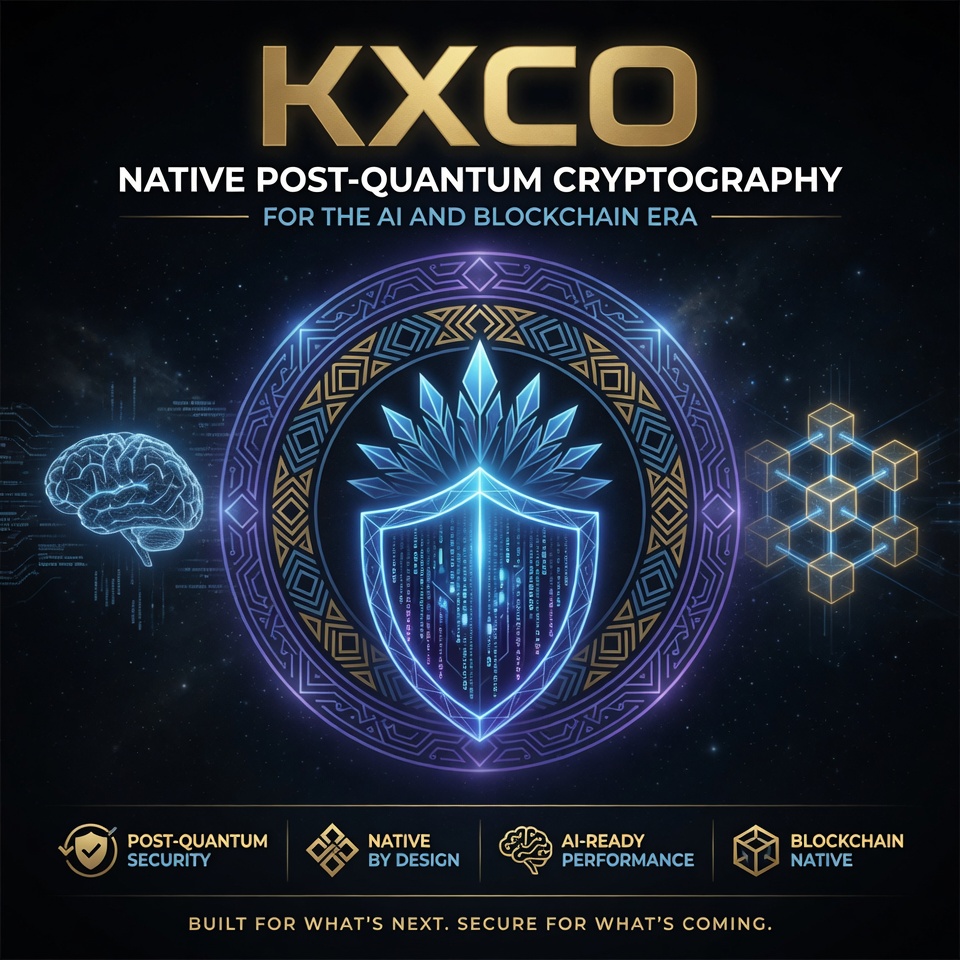
KXCO: Native Post-Quantum Cryptography for the AI and Blockchain Era
KXCO builds NIST FIPS 204 post-quantum cryptography natively into hosting, document signing and identity — including verifiable identity for AI agents.
Every story, signed and delivered.
Subscribe to the kxco channel and get the headline, the AI-written key takeaways, and the chain-anchor link the moment we publish. Audio versions and per-ticker subscriptions arrive in the next iteration.