
China's Sanctioned Oil Imports: A Challenge for the Global Oil Market
Implications for the Global Economy
China has saved billions of dollars this year by importing record amounts of oil from countries under Western sanctions, such as Russia, Iran, and Venezuela. This has been a boon for the Chinese economy, which has been struggling to grow in recent months.
China's Increased Imports of Sanctioned Oil
According to Reuters calculations, China has saved nearly $10 billion on oil imports from these countries in 2023 so far. This is due to the fact that Russia, Iran, and Venezuela are all selling their oil at a discount to the global market price.
China's increased imports of sanctioned oil have come at a time when the West has been trying to pressure these countries to change their behavior. The United States and its allies have imposed a number of sanctions on Russia, Iran, and Venezuela in an attempt to isolate them from the global economy.
However, China has been able to continue importing oil from these countries without facing any significant consequences. This is because China is a major economic power, and the West is reluctant to impose sanctions on China that could damage the global economy.
Impact on the Global Oil Market
China's increased imports of sanctioned oil have raised concerns among some experts, who argue that it is helping to prop up these regimes and allowing them to continue their harmful activities. However, China has defended its decision to continue importing oil from these countries, arguing that it is doing so in order to protect its own economic interests.
China's increased imports of sanctioned oil have also had a significant impact on the global oil market. If Russia, Iran, and Venezuela are able to sell their oil to China at a discount, it will put pressure on other oil producers to lower their prices. This could lead to a decline in global oil prices, which would benefit consumers but hurt oil producers.
Implications for the Global Economy
The implications of China's increased imports of sanctioned oil are far-reaching. First, it could lead to a weakening of the Western sanctions regime. If China is able to continue importing oil from Russia, Iran, and Venezuela without facing any significant consequences, it will send a message to other countries that they can ignore Western sanctions with impunity.
Second, China's increased imports of sanctioned oil could lead to a decline in global oil prices. If Russia, Iran, and Venezuela are able to sell their oil to China at a discount, it will put pressure on other oil producers to lower their prices. This could lead to a decline in global oil prices, which would benefit consumers but hurt oil producers.
Third, China's increased imports of sanctioned oil could lead to increased geopolitical tensions. If China is seen as being too supportive of Russia, Iran, and Venezuela, it could damage its relationships with the West. This could lead to increased geopolitical tensions, which could have a negative impact on the global economy.
Conclusion
China's increased imports of sanctioned oil is a significant development with far-reaching implications. It is important to monitor this situation closely to see how it evolves and what impact it has on the global economy.

Understanding the US China AI and Quantum Landscape
AI and quantum are usually reported as a US–China race. The more useful story is two different systems — frontier capital versus open-source scale — entangled through shared chokepoints. Shayne Heffernan maps the landscape with the KXCO AI Sector Ontology, with comparison graphics and the investable names.
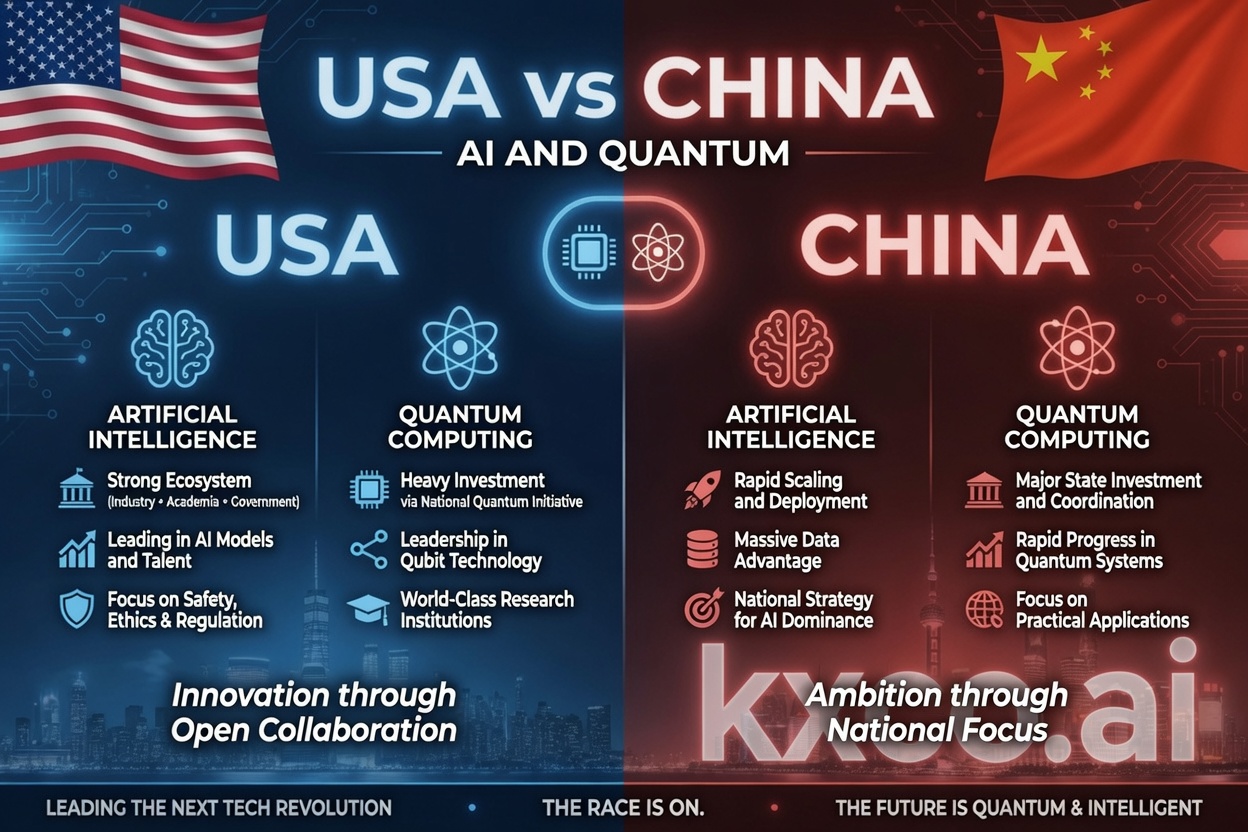
USA vs China: The AI and Quantum Scorecard
The US still leads AI models and chips by a whisker; China leads power and open-weight models outright. Shayne Heffernan scores the four races that will decide the decade.
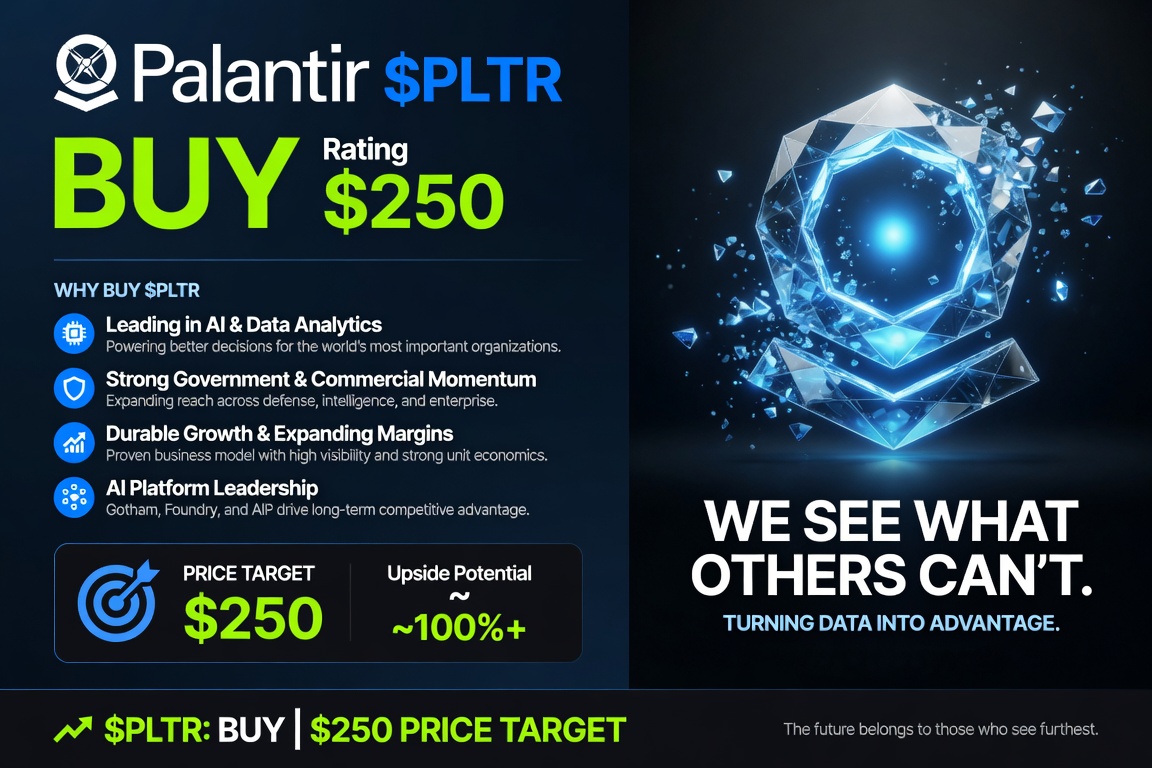
Palantir Stock (PLTR): BUY Rating, $250 Price Target — The 40% Dislocation
Palantir is down ~40% in 2026 even as Q1 revenue grew 85% and management guided FY2026 to $7.66B. Shayne Heffernan issues a BUY on PLTR with a $250 price target — full breakdown of the business, customers, five-year revenue, every major Wall Street bank target and the corporate outlook.
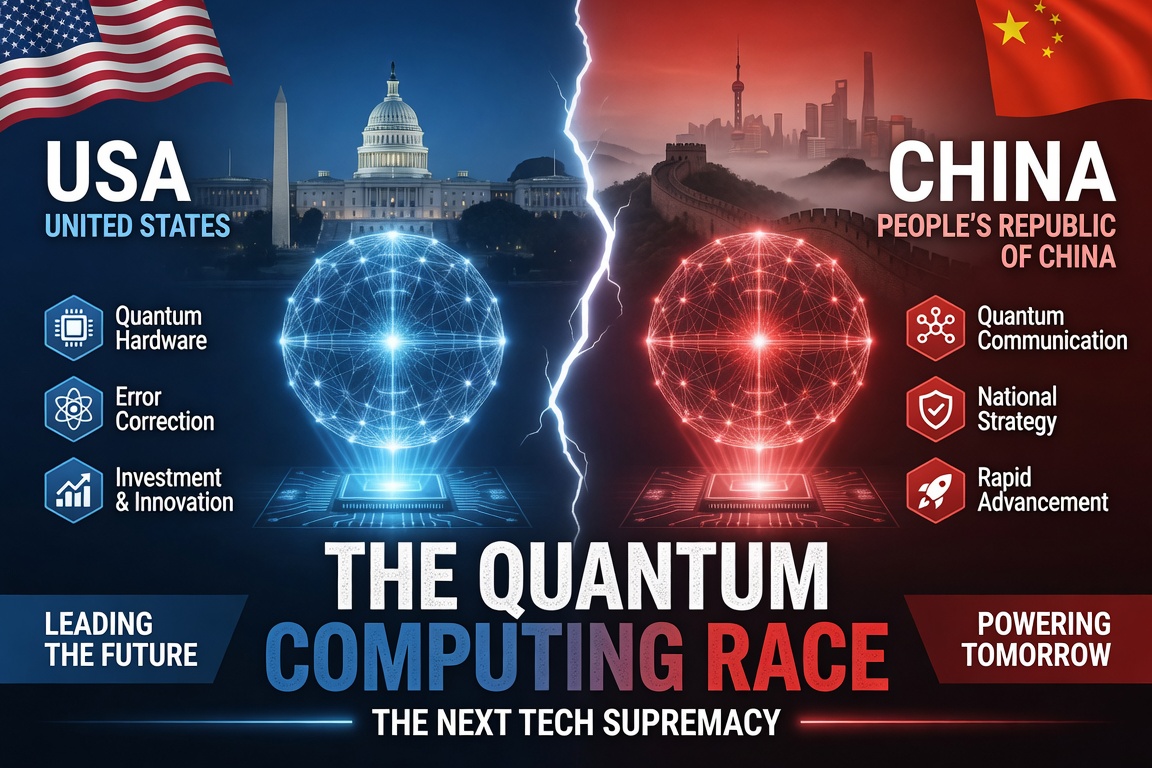
USA vs China: The Quantum Computing Race
The U.S. still leads quantum computing, but China has closed the gap fast — on hardware scale, supply-chain self-reliance and quantum networking. A category-by-category scorecard as of June 2026.
Every story, signed and delivered.
Subscribe to the kxco channel and get the headline, the AI-written key takeaways, and the chain-anchor link the moment we publish. Audio versions and per-ticker subscriptions arrive in the next iteration.