
China Economic Facts and Figures
China economic outlook, the world's second largest, is roaring back in 2024, exceeding expectations with a 5.2% GDP growth in 2023. But beyond this headline number, a tapestry of data points reveals a complex and dynamic system driving its success. Let's delve into some key figures that paint a vibrant picture of China's economic prowess:
China Economic Foundations:
Industrial Dominance: No other nation boasts China's comprehensive industrial ecosystem, encompassing all UN categories. For 14 years straight, China's manufacturing has reigned supreme globally, contributing almost 30% of the world's total.
Talent Powerhouse: With the world's largest talent pool, particularly in science and technology, China leads in the number of researchers. This is further fueled by China's substantial 30% share of global annual capital formation.
Data-Driven Future: Boasting the second-largest data repository and seeing double-digit investments in R&D and high-tech, China's innovation engine is in overdrive. This has spurred the emergence of 400,000 high-tech enterprises and cemented its position as the second-largest producer of unicorn companies.
Supersized Market:
Middle-Class Boom: More than 400 million individuals fall within the middle-income bracket, and this number is projected to double in the next decade. Their growing preference for quality products will drive consumption upgrades and reshape the market.
Urbanization Wave: With an urbanization rate lagging developed countries by 10 percentage points, China holds immense potential for infrastructure improvement, particularly in urban renewal, transportation, and telecommunications. Adding to this, 300 million rural migrants transitioning to urban life will create significant demand for housing, education, healthcare, and elderly care.
Green Commitment:
China is leading the charge towards a sustainable future:
Solar Pioneer: China houses nearly half the world's installed photovoltaic capacity and accounts for over half of the world's new energy vehicles on the road.
Forestry Champion: It also contributes to a quarter of the global increase in afforested areas.
Green Investment Boom: China is actively fostering green energy, green transportation, and green lifestyles, creating a thriving market estimated at 10 trillion yuan annually.
Open for Business:
Global Partner: China is a key trading partner for over 140 countries and regions, and its commitment to a market-oriented, law-based business environment attracts foreign direct investment that yields a compelling 9% return on average.
Open Door Policy: Regardless of global changes, China remains committed to opening its doors even wider to the world, offering vast opportunities for collaboration and shared prosperity.
China economic facts, the world's second largest, is a complex and dynamic system with a vast array of data points to track its performance. Here's a table summarizing some key indicators as of October 2024:
Indicator
Value
Year-on-Year Change
Description
Gross Domestic Product (GDP)
¥124.4 trillion
5.2%
The total value of all final goods and services produced in China over a year.
Industrial Production
+7.5%
Growth in the manufacturing and mining sectors.
Retail Sales
+4.8%
Total spending by consumers on goods and services.
Fixed Asset Investment
+5.9%
Spending on infrastructure, property, and machinery.
Unemployment Rate
4.8%
The percentage of the workforce actively seeking work but unable to find it.
Consumer Price Index (CPI)
2.4%
The rate of inflation as measured by the cost of a basket of consumer goods and services.
Trade Balance
¥580 billion surplus
The difference between the value of goods and services exported and imported.
Foreign Direct Investment (FDI)
$160 billion
Investment from foreign companies into China.
Exchange Rate (CNY/USD)
6.8
The number of yuan needed to buy one US dollar.
Additional China Economic Noteworthy Trends:
China's economy is gradually shifting from export-driven to consumption-driven, with a growing middle class fueling retail sales and demand for higher-quality goods.
The Chinese government is investing heavily in infrastructure, technology, and green energy to boost long-term growth and address environmental challenges.
Navigating an Evolving Population and Booming Economy
China, the world's most populous nation and second-largest economy, stands at a critical juncture. Its demographic landscape is shifting, with a shrinking population and aging workforce, while its economic powerhouse continues to churn, reshaping global markets. How does China navigate this complex interplay between people and prosperity?
The Looming Demographic Shift:
China's population, once on an unstoppable upward trajectory, has hit a turning point. In 2023, it officially peaked at 1.444 billion, and projections forecast a decline, falling to around 1.4 billion by 2027. This decline is fueled by a combination of factors, including the one-child policy, rising living costs, and changing cultural attitudes towards marriage and childbearing.
Aging Workforce and Economic Implications:
The shrinking population is mirrored by an aging workforce. The share of people aged 60 and above is rapidly increasing, projected to reach 25% by 2030. This presents both challenges and opportunities. On the downside, a smaller workforce can limit economic growth and strain social security systems. On the upside, an aging population also represents a growing market for healthcare, consumer goods, and specialized services.
Boosting Productivity and Embracing Automation:
To compensate for the shrinking workforce, China is focusing on boosting productivity through technological advancements and automation. Investment in robotics, artificial intelligence, and other emerging technologies is on the rise, aiming to enhance efficiency and compensate for the lack of manpower.
Re-examining the One-Child Policy:
While the one-child policy is officially relaxed, the government is taking cautious steps to encourage higher birth rates. Financial incentives, extended maternity leave, and improved childcare services are some initiatives aimed at reversing the declining birth rate trend.
The Rise of the Consumer Superpower:
Despite the population slowdown, China's economy remains a formidable force. Its middle class is expanding, creating a vast pool of consumers with growing disposable incomes. This shift towards internal consumption is already evident, with retail sales rising and domestic brands gaining traction.
Innovation and Diversification:
China is no longer solely reliant on manufacturing. The government is prioritizing diversification, promoting investment in sectors like high-tech, green energy, and healthcare. This focus on innovation not only creates new jobs but also positions China as a leader in future-oriented industries.
Looking Ahead:
China's economic resurgence offers hope for global recovery. Its solid foundations, booming market, and green commitment position it as a crucial driver of future growth. By understanding the data and trends shaping this economic giant, we can better navigate the interconnected world and capitalize on the opportunities it presents.
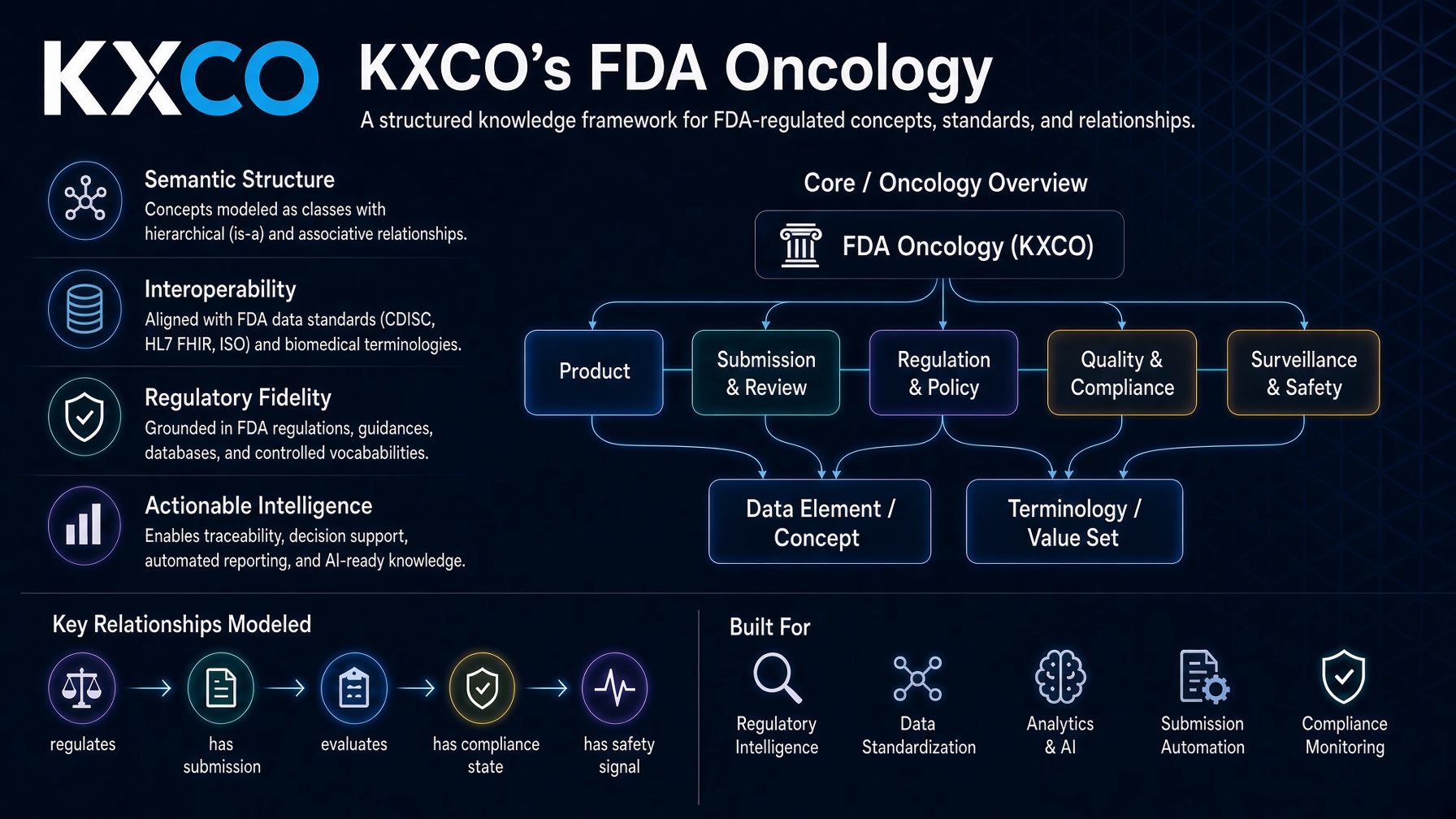
KXCO's FDA Ontology Is Two for Two on FDA Decisions
The FDA has decided two filings on KXCO's FDA board since the board began ranking them, and on my scorecard the board got both right. It ranked Inovio's INO-3107 first and the FDA approved it on 30 October; Inovio moved +149.1% net of the sector. It gave Summit's ivonescimab no call, and Summit announced the FDA's refusal on 15 November; Summit fell 16.5%. KXCO's record held the FDA's survival warning before the refusal was announced.

Quantum Computing in November 2026: The Cost of Breaking Your Keys Keeps Falling
No quantum computer can break today's public keys yet, but three new estimates and a peer-reviewed Google paper put a break at between 19,397 and 500,000 physical qubits. Quantinuum's Helios has 98 qubits and IBM's Nighthawk r2 has 120. NIST will deprecate RSA and elliptic-curve cryptography after 2030, and only about 15% of the origin servers behind Cloudflare use post-quantum key exchange. KXCO's core library, kxco-post-quantum, scores 9.8 on the OpenSSF Scorecard.

The Week Ahead on Wall Street, 16 November 2026: Look for the Bounce
NVIDIA reports on Tuesday 17 November 2026, its first results since Jensen Huang resigned, and I expect the stock and the AI market to bounce. NVIDIA closed at $162.85 on 13 November 2026, 31.93% below its record, while the semiconductor index rose 8.05% on the week. The calendar leans to currencies, with the yen near 160 after briefly crossing it, and the US publishes retail sales, housing starts, jobless claims and the Fed's minutes. Follow them on the Live Trading News trading page.

AI Is Still a Buy: The Noise Will Not Stop the Build-Out
In my view AI is still a buy. NVIDIA announced on 12 November 2026 that Jensen Huang had resigned as chief executive, and the push against data centres widened, yet four of the largest cloud sellers carry about $2.48 trillion of signed backlog and the build kept moving. NVIDIA closed at $162.85 on 13 November 2026 with an average analyst target 71.71% above the price. KXCO's AI ontology shows the same US companies have announced capacity in the UAE, Saudi Arabia, Japan, Malaysia and India.
Every story, signed and delivered.
Subscribe to the kxco channel and get the headline, the AI-written key takeaways, and the chain-anchor link the moment we publish. Audio versions and per-ticker subscriptions arrive in the next iteration.