
Bitcoin Vs Credit Card Transactions
#bitcoin #cash #credit #cards #blockchain
"Bitcoin is being accepted by merchants more and more}--Paul Ebeling
The Overview: Bitcoin transactions operate more like cash: exchanged person-to-person without a financial intermediary. Credit card companies are widely accepted, but there are many parties between merchants and customers that charge fees for necessary services. Credit card providers generally offer fraud protection, while Bitcoin does not.
Bitcoin was designed for peer-to-peer transactions, which removes all parties except the two making the financial exchange. Bitcoins are stored in a digital wallet that you hold and control. You do not need to depend on a financial institution to hold your money for you.
Payments are similar to wire transfers or cash transactions, where payment is "pushed" directly from one party to another without going through another financial institution. Payment processing is executed through a private network of computers, and each transaction is recorded in a blockchain, which is public.
When making a Bitcoin transaction, it is not necessary to provide personal identification, such as your name and address. This means no 1 monitors your financial activity and establishes limits on what you can or cannot do.
By contrast, in a credit card transaction, you authorize a merchant to pull a payment from your account, passing through financial intermediaries in the process.
For example, a typical Visa transaction generally involves 5 parties: the credit card network, the merchant, the acquirer (the financial institution that enables payments to the merchant), the issuer (the cardholder's bank), and the individual cardholder. Sometimes, there is a 6th party: the payment processor, although many are also the acquiring bank.
Each party involved in the process charges other parties fees, which are then passed on to the cardholder effectively raising prices. Credit cards must also be physically stored and kept secure.
Technology is improving, but the card numbers are easy for hackers to steal, especially if you allow merchants to store them for easy future access. Even if you do not, hackers can access merchant's records and steal card information.
A Key difference between the 2 is that often you hand your card to another person or swipe it in a point-of-sale terminal. These machines can be hacked, and simulated terminals can send your card information to hackers. An untrustworthy cashier can keep your credit card information, sell it online, or use it themselves. Bitcoin comes straight from your digital wallet and goes directly to the party you're paying, without a way to intercept the information.
Bitcoin transactions are irreversible and can only be refunded by the receiving party—a key difference from credit card transactions that can be canceled. This means there are no charge-backs for merchants when taking payment via Bitcoin. A charge-back is the demand by a credit-card provider for a retailer to cover the loss on a fraudulent or disputed transaction.
Merchants that accept Bitcoin also save on credit card fees; fees can range anywhere from 0.5% to 5%, plus a $.20 to $0.30 flat fee for each transaction. Bitcoin payments can be sent and received at either very low cost or none at all, as Bitcoin fees are based on the amount of data sent or the wallet you use.
Which you choose depends on your preferences for fraud protection, ease of use, anonymity, and personal beliefs about cryptocurrency and existing financial infrastructures.
Have a prosperous day, Keep the Faith!
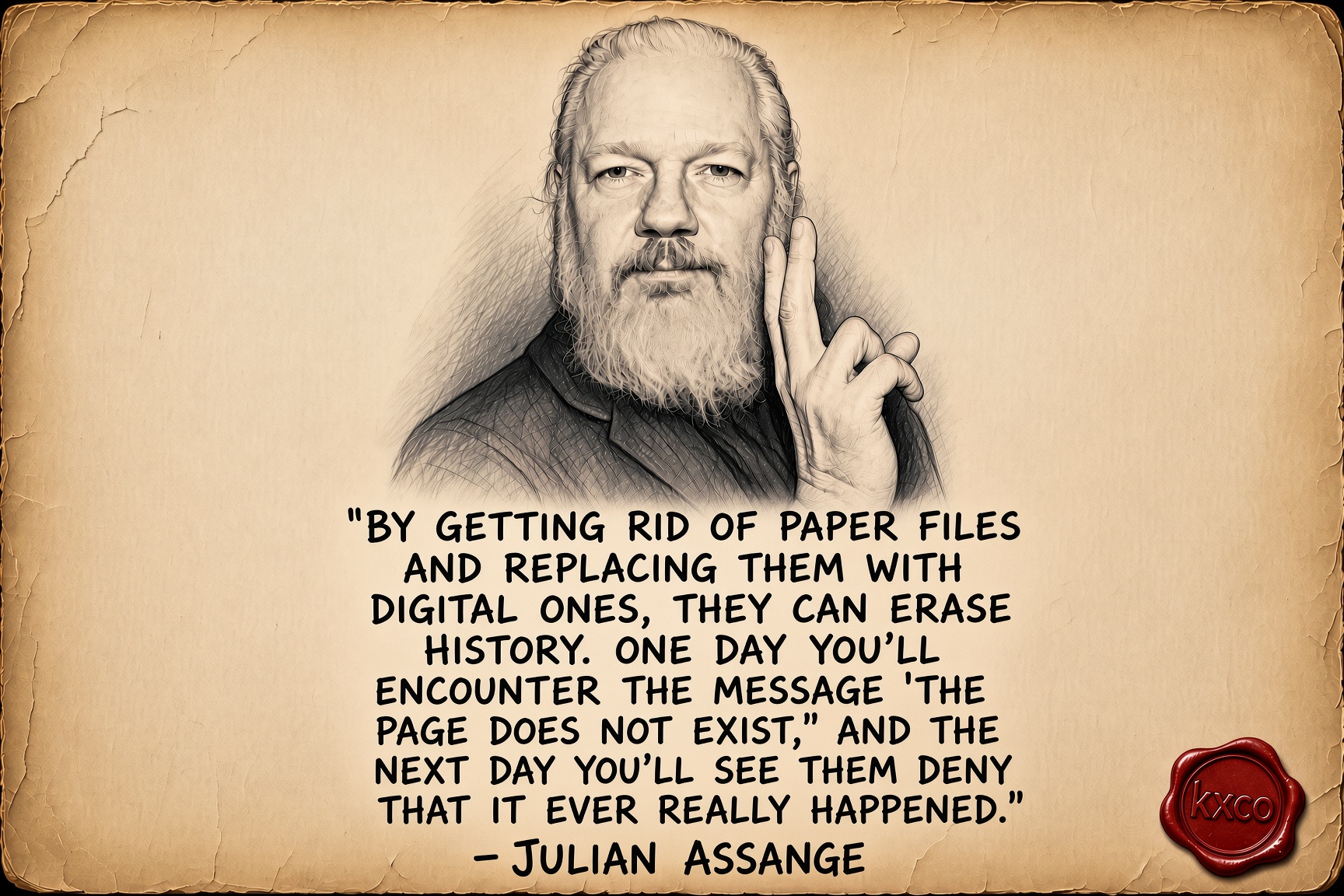
Digital Erasure, and Why KXCO Matters
Pew found 38 percent of 2013's web pages gone a decade later, and quantum computing will eventually let attackers forge the signatures that prove records authentic. Why durable history now depends on post-quantum cryptography, on-chain anchoring and verification that needs nobody's permission.

Economic Calendar and Trading Strategies for the Week Ahead: July 20–24, 2026
A pivotal week for markets: Iran's closure of the Strait of Hormuz sends crude above $86 and gasoline over $5, while Alphabet, Tesla and Intel earnings test the AI trade. Full economic calendar plus trading strategies across oil, gold, Bitcoin, FX and AI chip stocks.
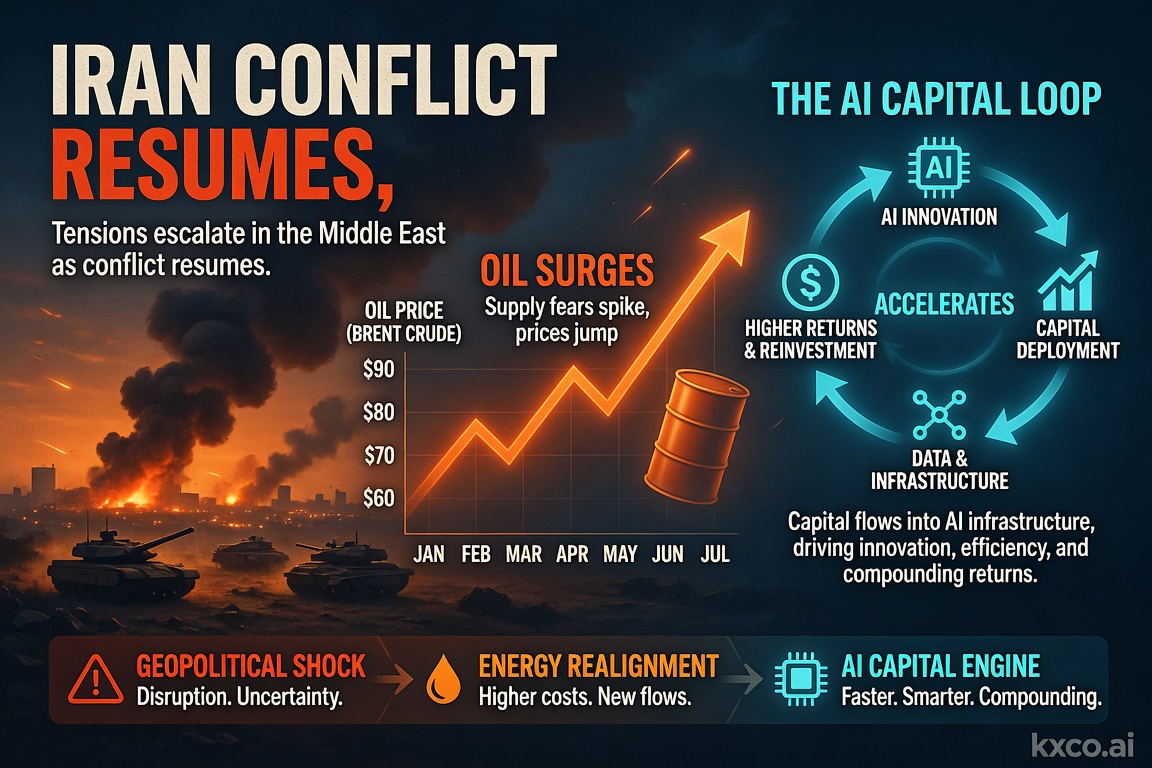
Economic Calendar and Trading Strategies for the Week Ahead: July 14–18, 2026
A pivotal week for markets: US strikes on Iran reignite the oil risk premium, June CPI and retail sales test the Fed's rate-cut path, and the $1 trillion AI capital loop keeps driving the tech trade. Full economic calendar plus trading strategies across oil, gold, Bitcoin, FX and AI stocks.
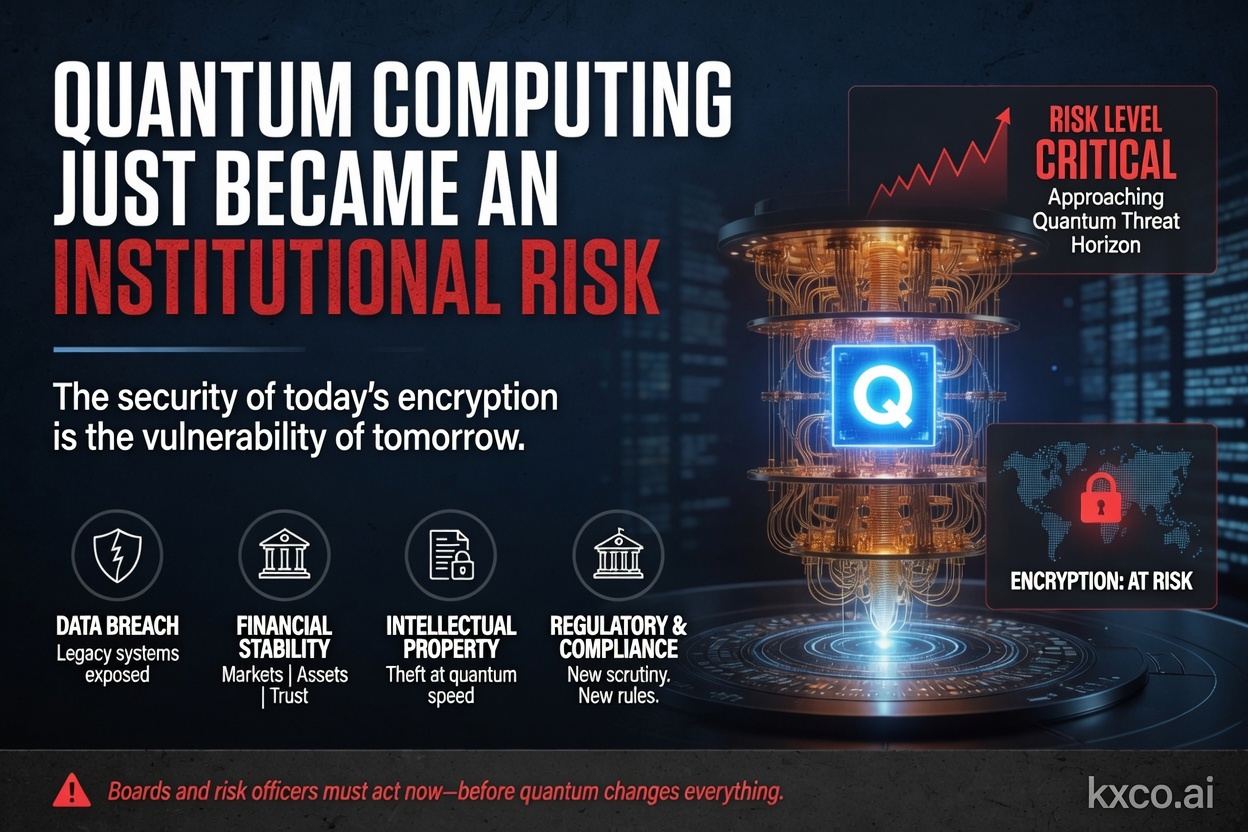
Quantum Computing Just Became an Institutional Risk
Shayne Heffernan on BlackRock's quantum-computing warning for Bitcoin and Ethereum, Google's cryptanalysis research, the two on-chain risk vectors, and how KXCO's Armature L1 — post-quantum from genesis, coordinated by its ontology — answers a threat that just went institutional.
Every story, signed and delivered.
Subscribe to the kxco channel and get the headline, the AI-written key takeaways, and the chain-anchor link the moment we publish. Audio versions and per-ticker subscriptions arrive in the next iteration.