
Asteroid Apophis Could Hit Earth in 2029
The cosmos has always fascinated humanity, with celestial events captivating our imaginations and sometimes even evoking fear. Among the myriad celestial bodies that pass by our planet, Asteroid Apophis stands out due to its intriguing trajectory and the speculation surrounding its potential impact on Earth. Let's delve into the intricacies of this celestial visitor and what experts anticipate for its close approach in 2029.

A Close Encounter:
Discovered in 2004, Asteroid Apophis quickly gained attention due to initial calculations suggesting a potential impact with Earth in 2029. Named after the ancient Egyptian god of chaos, Apophis measures approximately 370 meters (1,214 feet) in diameter, making it a significant celestial object with the potential for substantial impact should its trajectory intersect with Earth's path.
https://youtu.be/GCIk5irNlQU?si=Rt9q-jjzN2SYn25e
Revised Calculations:
While initial observations indicated a potential impact, subsequent calculations and observations have revised the odds, providing a sigh of relief for those concerned about a catastrophic collision. Current projections indicate that Apophis will come remarkably close to Earth on April 13, 2029, passing within approximately 31,000 kilometers (19,000 miles) of our planet's surface. To put this in perspective, this distance is closer than some of our geostationary satellites.
Scientific Exploration:
The close approach of Apophis offers a unique opportunity for scientists and astronomers worldwide to study this asteroid in unprecedented detail. Observatories, space agencies, and research institutions globally are gearing up to capture data, images, and insights into Apophis's composition, structure, and trajectory. By analyzing this data, scientists hope to refine our understanding of asteroid behavior, composition, and potential mitigation strategies for future celestial threats.
Mitigating Potential Risks:
While the odds of Apophis impacting Earth in 2029 are currently deemed minimal, the event underscores the importance of vigilance, research, and preparation for potential future threats. Governments, space agencies, and international organizations collaborate on initiatives aimed at detecting, tracking, and mitigating potential asteroid impacts. From advanced telescopic observations to theoretical modeling and simulation exercises, efforts are underway to enhance our capabilities to anticipate, prepare for, and respond to celestial threats.
Looking Ahead:
As the date of Apophis's close approach draws nearer, anticipation and excitement within the scientific community continue to grow. The event offers a rare opportunity to study a significant asteroid up close, providing invaluable insights into our solar system's dynamics, evolution, and potential risks. While the chances of an impact remain remote, the event serves as a poignant reminder of the dynamic and unpredictable nature of our cosmos.
In conclusion, Asteroid Apophis's close approach in 2029 promises to be a momentous event for astronomers, scientists, and space enthusiasts worldwide. As humanity observes this celestial dance from a safe distance, we continue to expand our knowledge, understanding, and appreciation of the vast and awe-inspiring universe in which we reside.
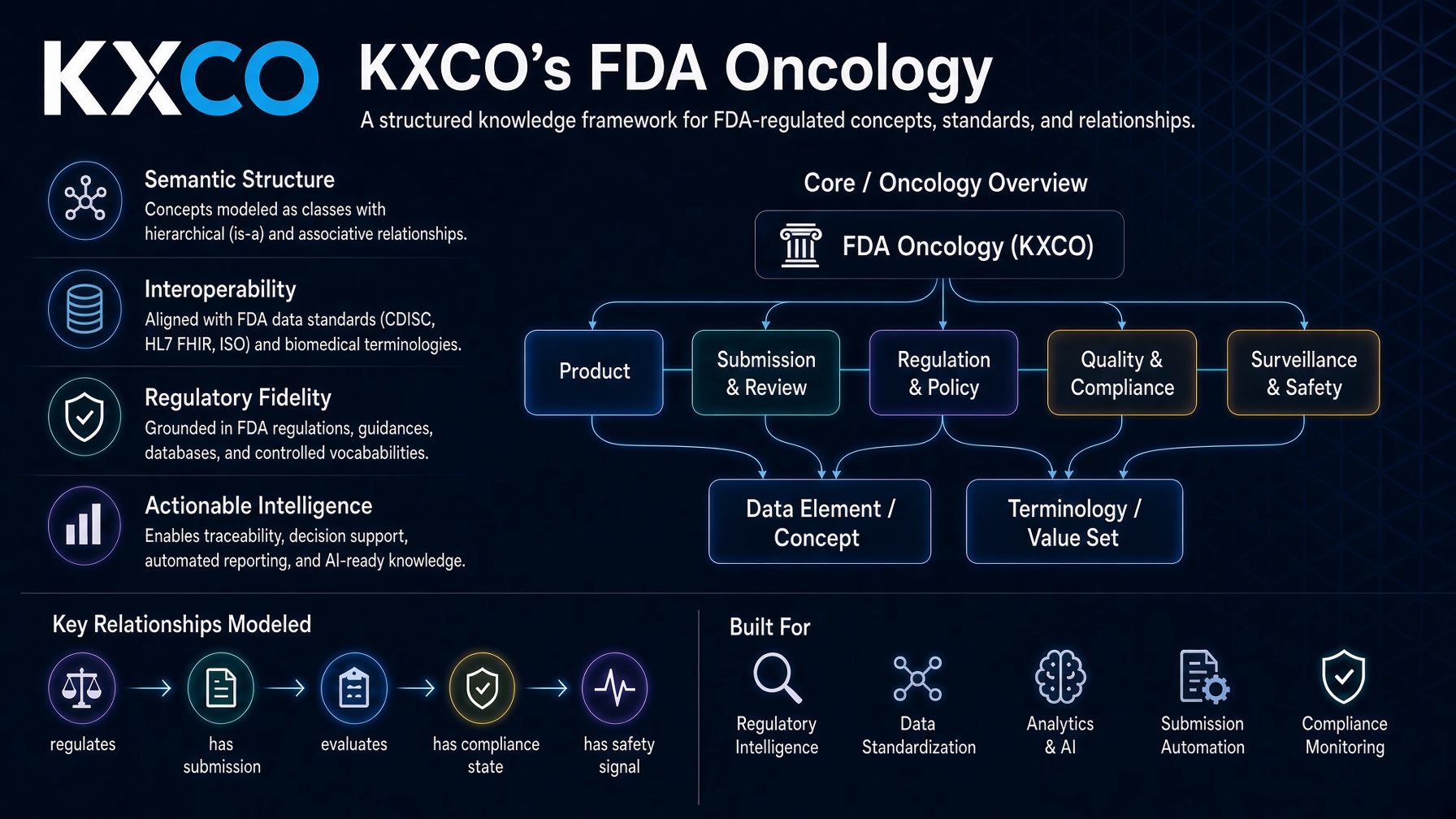
KXCO's FDA Ontology Is Two for Two on FDA Decisions
The FDA has decided two filings on KXCO's FDA board since the board began ranking them, and on my scorecard the board got both right. It ranked Inovio's INO-3107 first and the FDA approved it on 30 October; Inovio moved +149.1% net of the sector. It gave Summit's ivonescimab no call, and Summit announced the FDA's refusal on 15 November; Summit fell 16.5%. KXCO's record held the FDA's survival warning before the refusal was announced.
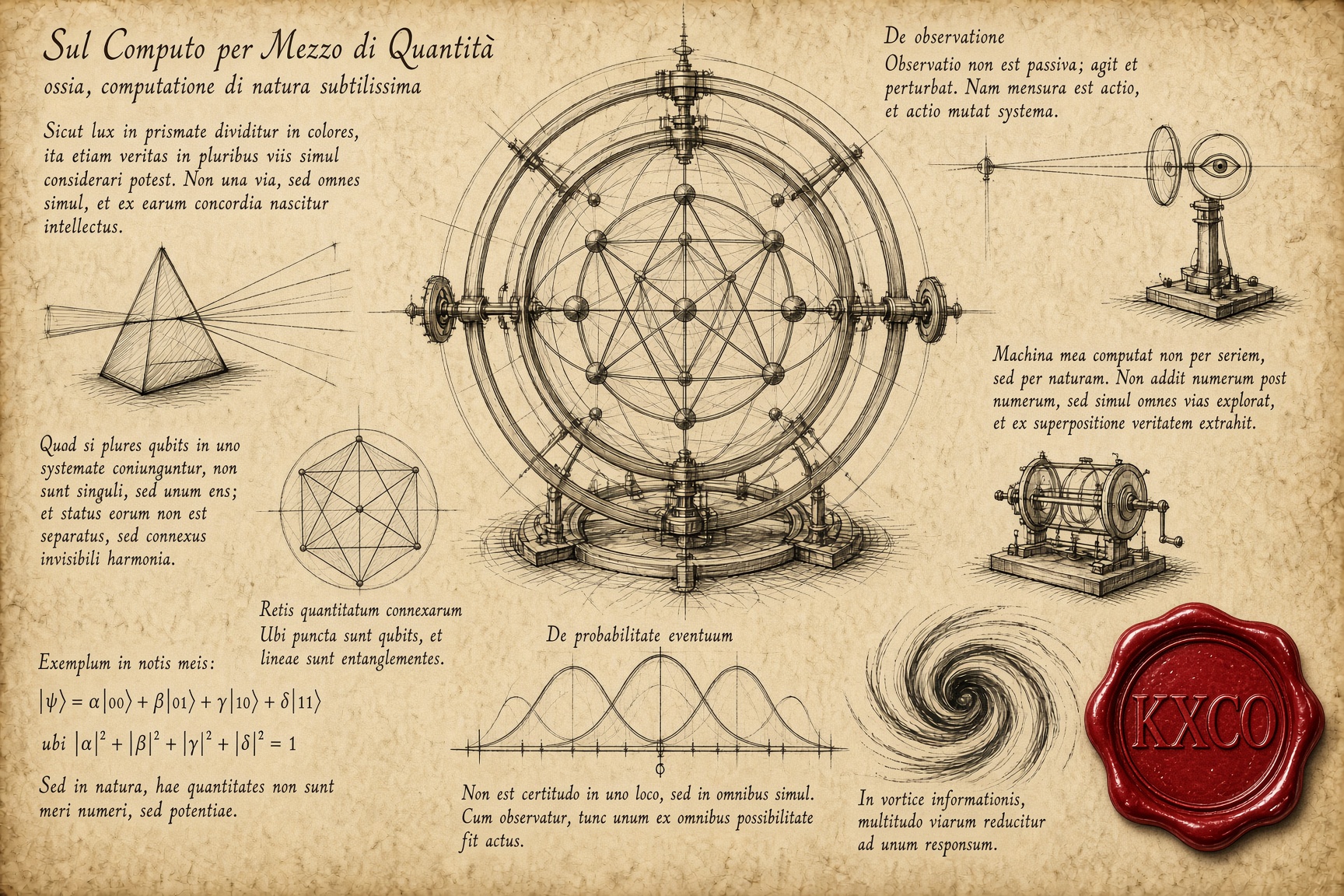
Quantum Computing in November 2026: The Cost of Breaking Your Keys Keeps Falling
No quantum computer can break today's public keys yet, but three new estimates and a peer-reviewed Google paper put a break at between 19,397 and 500,000 physical qubits. Quantinuum's Helios has 98 qubits and IBM's Nighthawk r2 has 120. NIST will deprecate RSA and elliptic-curve cryptography after 2030, and only about 15% of the origin servers behind Cloudflare use post-quantum key exchange. KXCO's core library, kxco-post-quantum, scores 9.8 on the OpenSSF Scorecard.

The Week Ahead on Wall Street, 16 November 2026: Look for the Bounce
NVIDIA reports on Tuesday 17 November 2026, its first results since Jensen Huang resigned, and I expect the stock and the AI market to bounce. NVIDIA closed at $162.85 on 13 November 2026, 31.93% below its record, while the semiconductor index rose 8.05% on the week. The calendar leans to currencies, with the yen near 160 after briefly crossing it, and the US publishes retail sales, housing starts, jobless claims and the Fed's minutes. Follow them on the Live Trading News trading page.

AI Is Still a Buy: The Noise Will Not Stop the Build-Out
In my view AI is still a buy. NVIDIA announced on 12 November 2026 that Jensen Huang had resigned as chief executive, and the push against data centres widened, yet four of the largest cloud sellers carry about $2.48 trillion of signed backlog and the build kept moving. NVIDIA closed at $162.85 on 13 November 2026 with an average analyst target 71.71% above the price. KXCO's AI ontology shows the same US companies have announced capacity in the UAE, Saudi Arabia, Japan, Malaysia and India.
Every story, signed and delivered.
Subscribe to the kxco channel and get the headline, the AI-written key takeaways, and the chain-anchor link the moment we publish. Audio versions and per-ticker subscriptions arrive in the next iteration.