
Asian Markets Move Higher
Asian markets mostly rose Monday, extending a global surge, as a loosening of China's Covid rules and plans to help its property sector followed a drop in US inflation that eased rate hike fears.
Equities rocketed last week and the dollar sank after data showed US price rises eased in October, providing the Federal Reserve with room to take its foot off the pedal in tightening monetary policy.
The news led some commentators to suggest a feared recession in the world's top economy could be shallower than first feared, or might be averted entirely.
The optimistic mood was given an extra injection late Friday by news that Beijing would relax some of its strict Covid-19 restrictions, a day after officials vowed to stick to their zero-tolerance strategy that has hammered growth.
Authorities have also reportedly unveiled a 16-point plan to support the beleaguered property sector, a major component of the country's sprawling economy
The industry has come under immense pressure since China imposed a number of restrictions in 2020 aimed at reeling in debt, with major developers teetering on the brink of collapse.
The news indicates the leadership is beginning to focus on supporting the economy, a crucial driver of global growth.
"It's a meaningful easing," said Larry Hu of Macquarie Group.
"It seems that the room for policy change has widened on various fronts after the Party Congress (last month), including for the two major headwinds to the Chinese economy: Covid Zero and property."
Nomura's Lu Ting said the support for the developers was "the most crucial pivot since Beijing significantly tightened financing of the property sector".
"We believe these measures demonstrate that Beijing is willing to reverse most of its financial tightening measures," he added.
"Those cash-strapped developers (especially private ones), construction companies, mortgage borrowers and other related stakeholders can now breathe a sigh of relief."
He warned, however, that the sector continued to struggle and the "measures may have little direct impact on stimulating home purchases".
In early trade, Hong Kong led gains again -- having soared more than seven percent Friday -- with property firms the best performers.
Shanghai, Sydney, Singapore, Seoul, Taipei and Manila were all well up, though Tokyo was hit by profit-taking. There were also small losses in Bangkok, Jakarta and Wellington.
While the mood has lightened after the US inflation read, there is still a sense of trepidation among traders who fear the Federal Reserve will continue to lift borrowing costs while analysts warn last week's rally may have been overdone.
"It was always clear that it would be easy to bring inflation down from 9-10 percent to 4-5 percent," said SPI Asset Management's Stephen Innes.
"Pushing it back to two percent could be much more complicated and require higher rates for longer. Hence, the central bank fight is far from over. But for now and until an indication of inflation proves stickier than expected, risk-on could roll on a bit further."
Still, the yen, pound and euro held most of their gains against the dollar, which came in reaction to the consumer price index reading.
Traders are keenly awaiting a meeting later in the day between US President Joe Biden and Chinese counterpart Xi Jinping, with hopes for an easing of tensions between the superpowers.
The two are due to meet at the G20 summit in Bali, with Biden saying he wanted to repair lines of communication and help establish "guardrails" to keep the competing superpowers from veering into conflict.
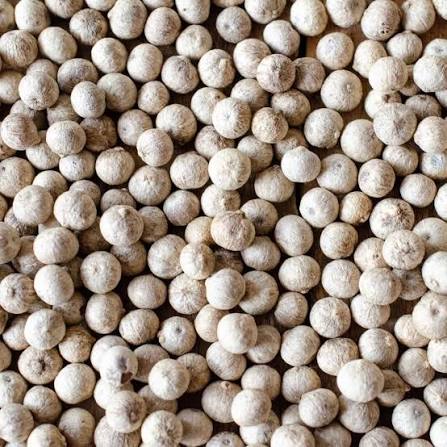
Kampot White Pepper: The Health Benefits
Kampot white pepper is the world's most expensive white pepper, and the health case behind it is better documented than most. A cited look at the piperine evidence on nutrient absorption, digestion, inflammation and metabolism, plus the protected origin economics that set the price.
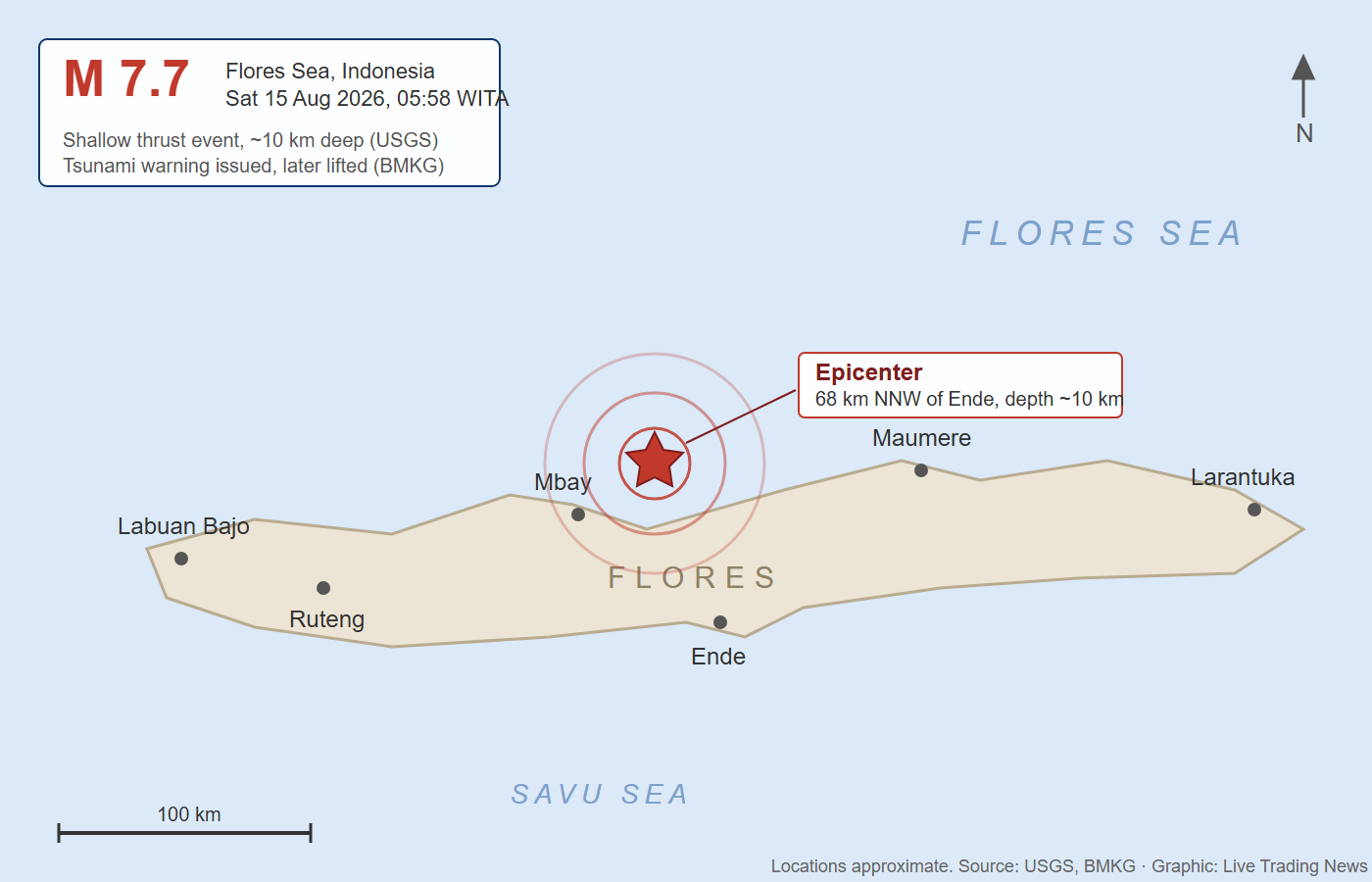
7.7-Magnitude Earthquake Strikes Eastern Indonesia, Triggering Tsunami Panic
A powerful, shallow magnitude 7.7 earthquake struck the Flores Sea early Saturday, killing at least two people in Maumere, damaging buildings across Flores Island and sending thousands fleeing to higher ground before BMKG lifted its tsunami warning.

Understanding the US China AI and Quantum Landscape
AI and quantum are usually reported as a US–China race. The more useful story is two different systems — frontier capital versus open-source scale — entangled through shared chokepoints. Shayne Heffernan maps the landscape with the KXCO AI Sector Ontology, with comparison graphics and the investable names.
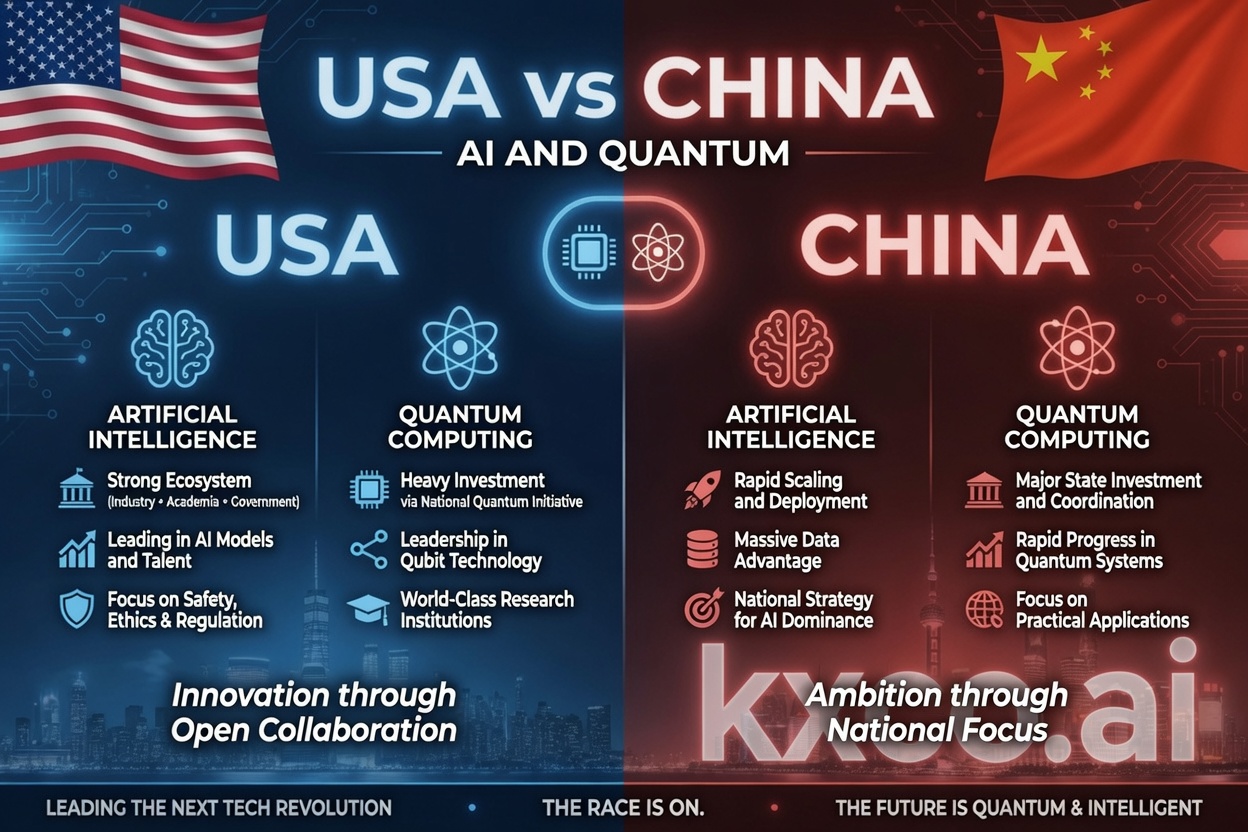
USA vs China: The AI and Quantum Scorecard
The US still leads AI models and chips by a whisker; China leads power and open-weight models outright. Shayne Heffernan scores the four races that will decide the decade.
Every story, signed and delivered.
Subscribe to the kxco channel and get the headline, the AI-written key takeaways, and the chain-anchor link the moment we publish. Audio versions and per-ticker subscriptions arrive in the next iteration.