
Adayar Aims for G1 Prix de l’Arc de Triomphe at Longchamp
Adayar followed up his brilliant Derby win with another sensational performance in the G1 King George VI and Queen Elizabeth Stakes at Ascot, confirming his position among the best three-year-olds of recent years.
The homebred son of Frankel became the first colt since his grandsire Galileo 20 years ago, and 14th in total, to complete the Epsom-Ascot double in the same year as he stormed to victory over established older stars Mishriff and Love.
Adayar’s main objective now will be the G1 Prix de l’Arc de Triomphe at Longchamp on the first Sunday in October, with a prep-race over the same course and distance in the G2 Prix Niel beforehand.
Only two colts have completed the clean sweep of the Derby, King George & Queen Elizabeth Stakes and Prix de l’Arc de Triomphe – Mill Reef (1971) and Lammtarra (1995), who was coincidentally trained at Moulton Paddocks by Saeed bin Suroor.
With Adayar heading for an Arc trial, Charlie Appleby’s other main contender for the autumn highlight, Irish Derby victor Hurricane Lane, will bid for more Classic glory in the St Leger at Doncaster before his potential Longchamp bid.
On the other side of the Atlantic, Essential Quality will also be looking to back up a thrilling Classic victory as he makes his first appearance since the Belmont Stakes in the G2 Jim Dandy Stakes at Saratoga this Saturday. The nine-furlong contest is the traditional warm-up for the G1 Travers Stakes at the same course in late-August.
Glorious Goodwood provides the main action in Europe this week, with Space Blues going for a second victory in the G2 Lennox Stakes, a race that also features this season’s Jersey Stakes winner Creative Force.
Three-year-olds Yibir, La Barrosa and One Ruler also hold Group entries at the meeting along with Dubai World Cup Carnival graduates Star Safari and Passion And Glory.
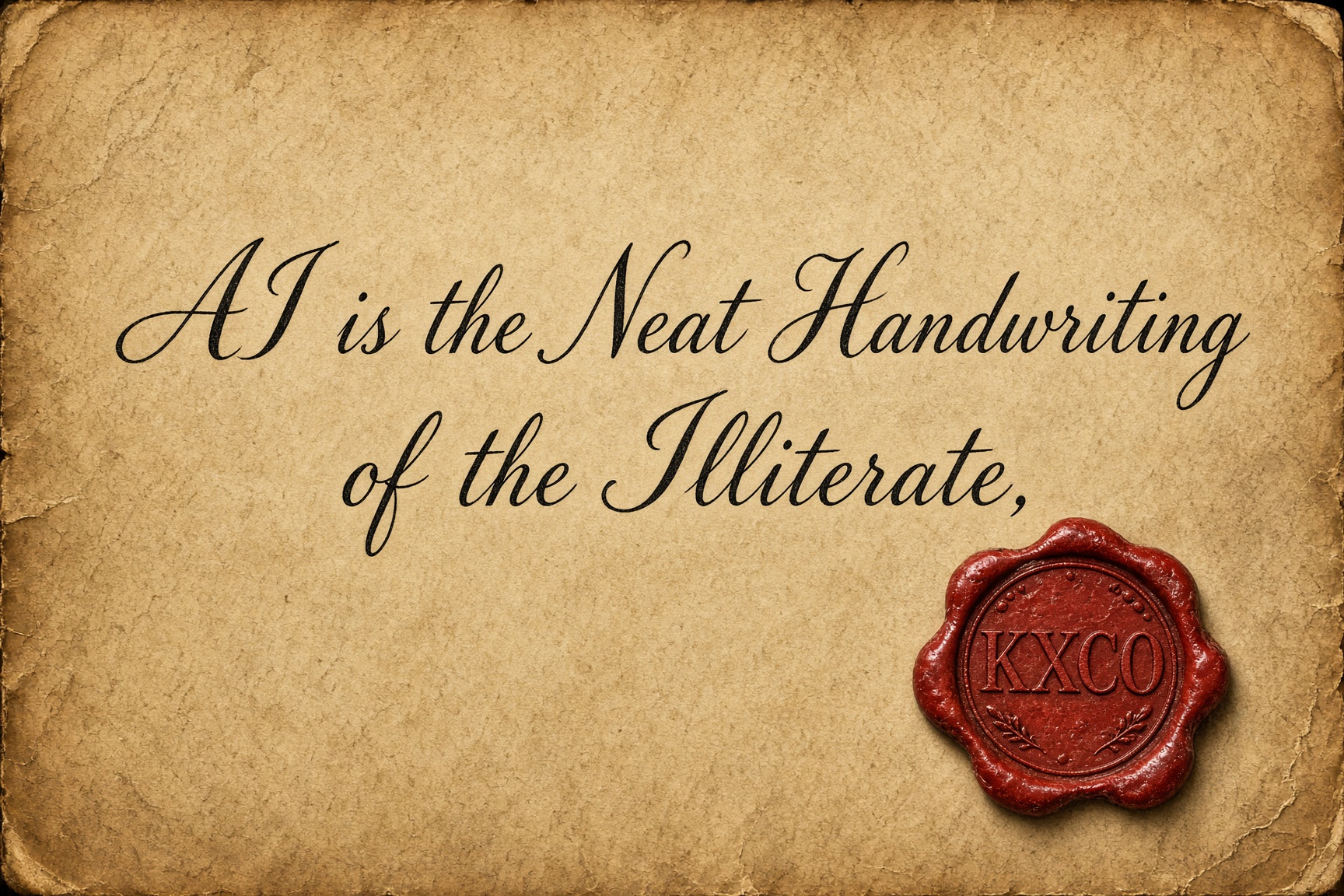
AI is the Neat Handwriting of the Illiterate
A model in the hands of someone who has read the filing and walked the plant is a clerk. The same model, speaking for someone who has done neither, is a disguise. On AI slop, phantom citations and factslop, why finish stopped being evidence of work, and the containment layer KXCO built so a machine cannot speak as the institution until a source is attached.
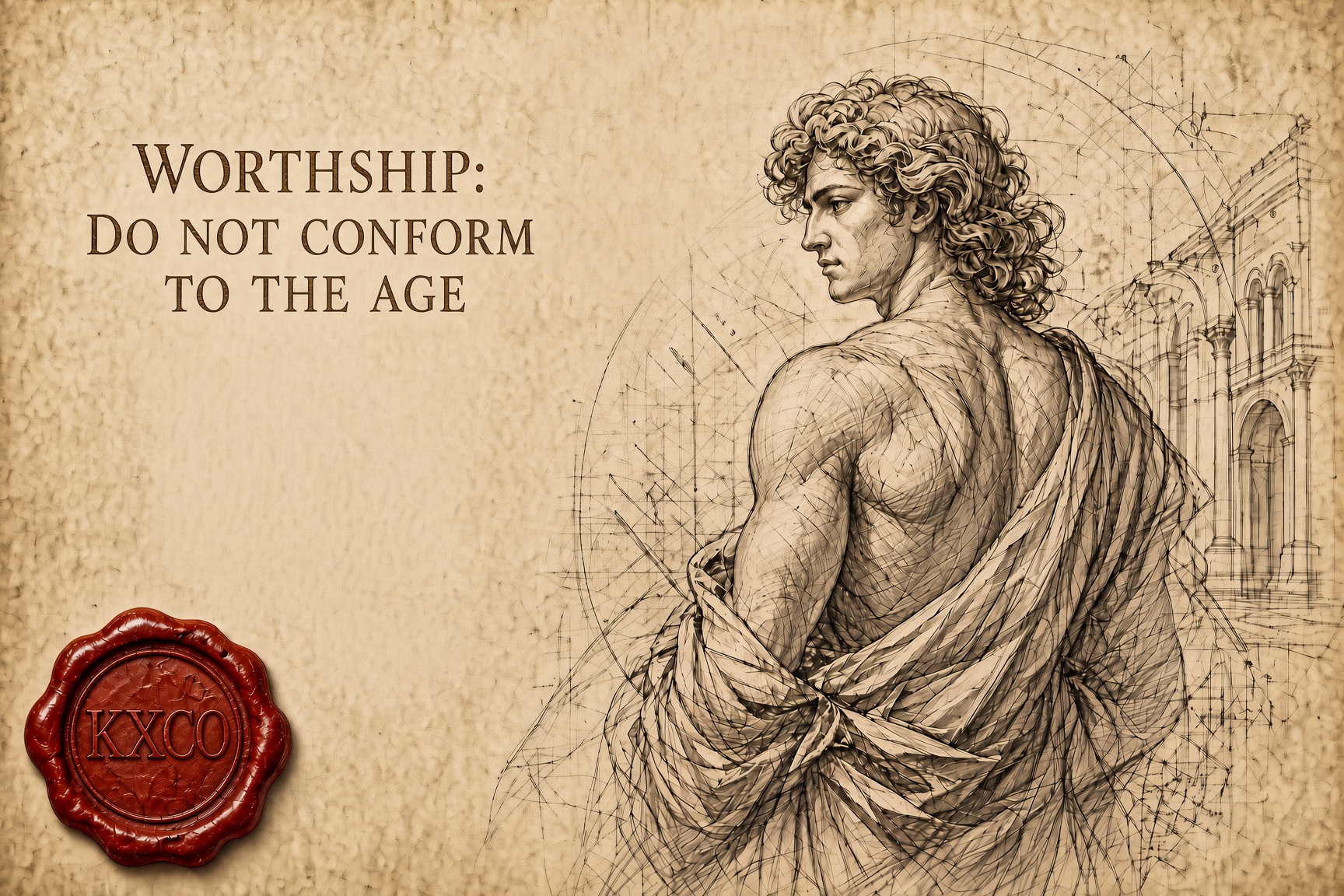
Worthship: Do Not Conform to the Age
Worthship is the older English word for worship, and it means to ascribe worth. Bishop Robert Barron preached Romans 12 on 30 August. This essay follows the text into the prison letters, and puts two questions to a graph: do the four readings of that Sunday agree, and was Paul free or in chains when he wrote about despair?
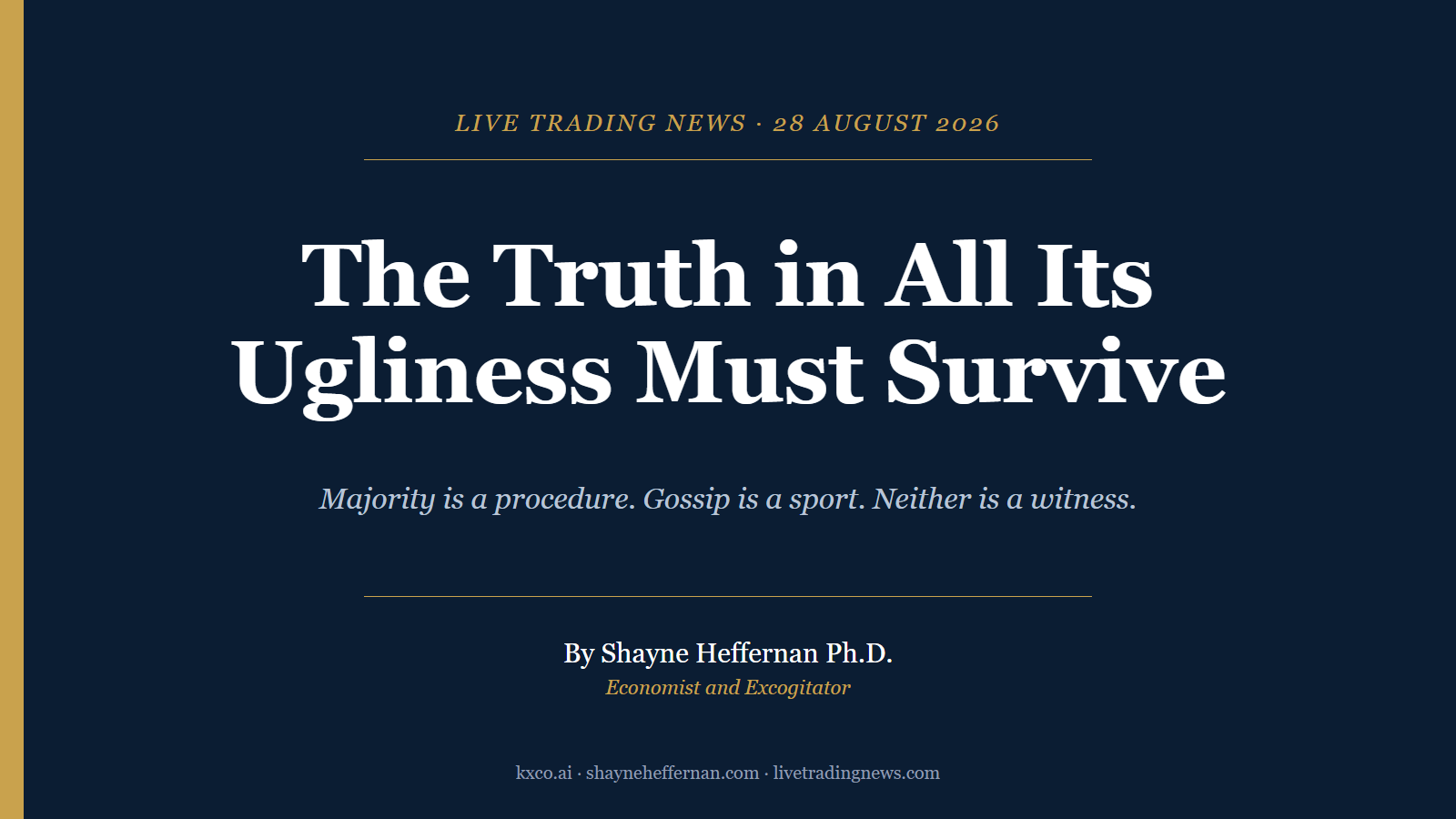
The Truth in All Its Ugliness Must Survive
A majority vote does not determine the truth. Consensus is a mood, gossip is a sport, and a model will write the pretty version for free. Why the ugly number has to survive, why a record beats a dashboard, and what KXCO was built to keep standing when the room changes its mind.
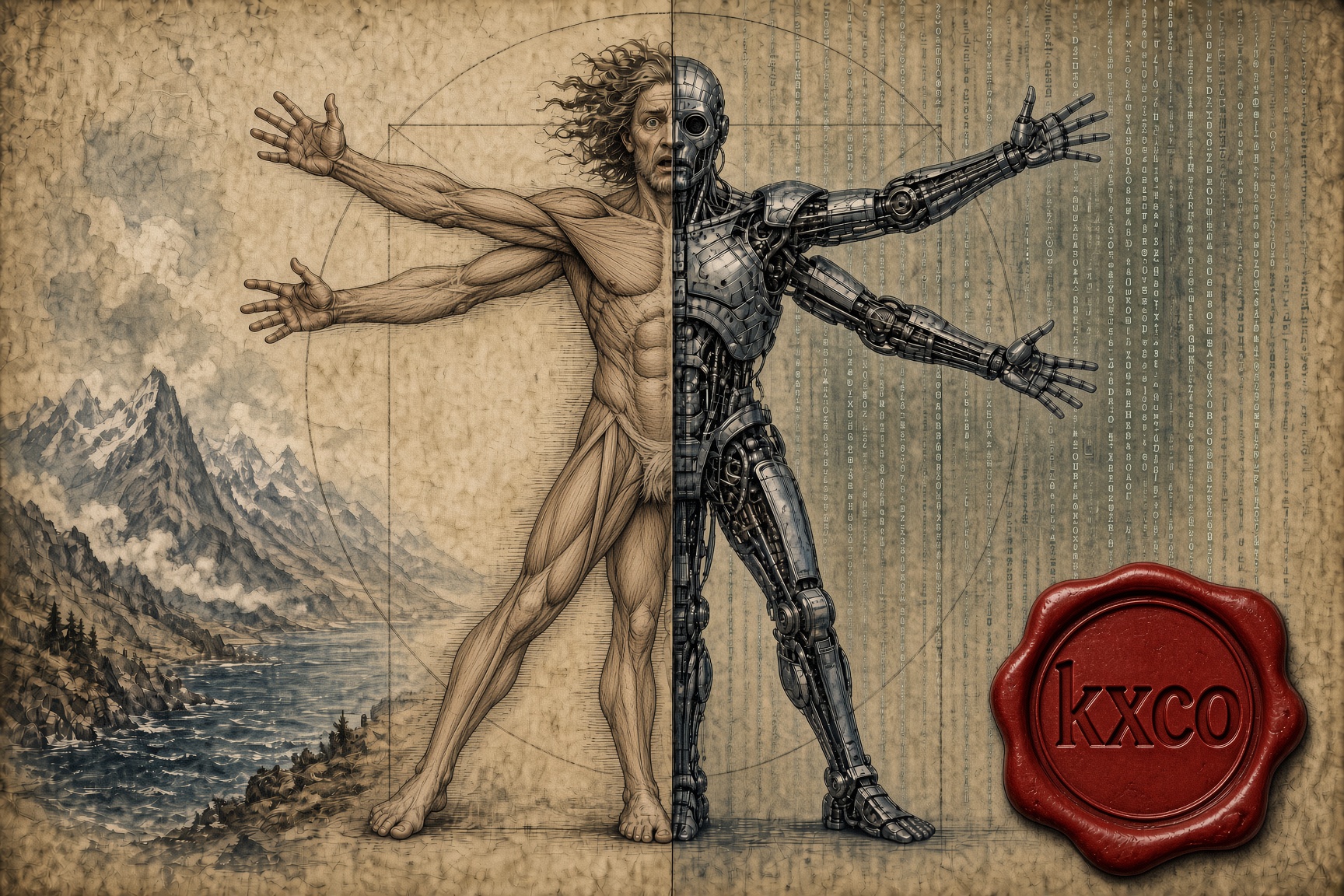
Don't Be the Best, Be the Only: Winning in an AI World
AI is repricing competence downward. What it cannot reproduce is a life. The case for remaining non-fungible, why friction still produces the best ideas, and what it means to build AI systems that keep the human intellect in them.
Every story, signed and delivered.
Subscribe to the kxco channel and get the headline, the AI-written key takeaways, and the chain-anchor link the moment we publish. Audio versions and per-ticker subscriptions arrive in the next iteration.