
Why we choose to be Knights
There were knights of many religions. While the majority of knights in Europe during the Middle Ages were Christian, there were also Muslim, Jewish, and pagan knights.
The values upheld by knights were based on the code of chivalry, which was a set of moral principles that knights were expected to follow. The code of chivalry emphasized the importance of courage, honor, loyalty, generosity, and courtesy.

Courage: Knights were expected to be brave and fearless in battle, and to stand up for what they believed in, even at great personal risk.
Honor: Knights were expected to be honest and trustworthy, and to keep their word even when it was difficult.
Loyalty: Knights were expected to be loyal to their lord, their country, and their friends.
Generosity: Knights were expected to be generous with their time, their money, and their possessions.
Courtesy: Knights were expected to be polite and respectful to everyone, regardless of their social status.
In addition to these core values, knights were also expected to uphold other virtues, such as piety, humility, and mercy. Knights were also expected to be skilled warriors and to be able to defend the weak and the oppressed.
One of the most famous examples of a Muslim knight is Saladin, who led the Muslim forces against the Crusaders in the 12th century. Saladin was known for his chivalry and generosity, and he was respected by both Christians and Muslims.
Another example is Maimonides, a Jewish rabbi and philosopher from the 12th century. Maimonides was also a skilled physician, and he served as the personal physician to the Sultan of Egypt. In addition to his religious and medical work, Maimonides also wrote extensively on philosophy and law.
Pagan knights were less common, but they did exist. For example, the Lithuanian Grand Duke Vytautas the Great was a pagan who converted to Christianity in the late 14th century. However, he remained a pagan for most of his life, and he led the Lithuanian army to victory against the Christian Teutonic Knights.
These are just a few examples of knights of many religions. It is important to remember that the Middle Ages was a complex and diverse time period, and that there were many different ways to be a knight.
In addition to the examples above, there were also knights of other religions, such as Buddhist, Hindu, and Zoroastrian knights. While these knights may have been less common in Europe, they were more common in other parts of the world.
It is also important to note that not all knights were religious. Some knights were simply warriors who fought for money or for glory. Others may have been religious, but they may not have been very devout.
Overall, the religious diversity of knights reflects the religious diversity of the world during the Middle Ages.
AI is the Neat Handwriting of the Illiterate
A model in the hands of someone who has read the filing and walked the plant is a clerk. The same model, speaking for someone who has done neither, is a disguise. On AI slop, phantom citations and factslop, why finish stopped being evidence of work, and the containment layer KXCO built so a machine cannot speak as the institution until a source is attached.
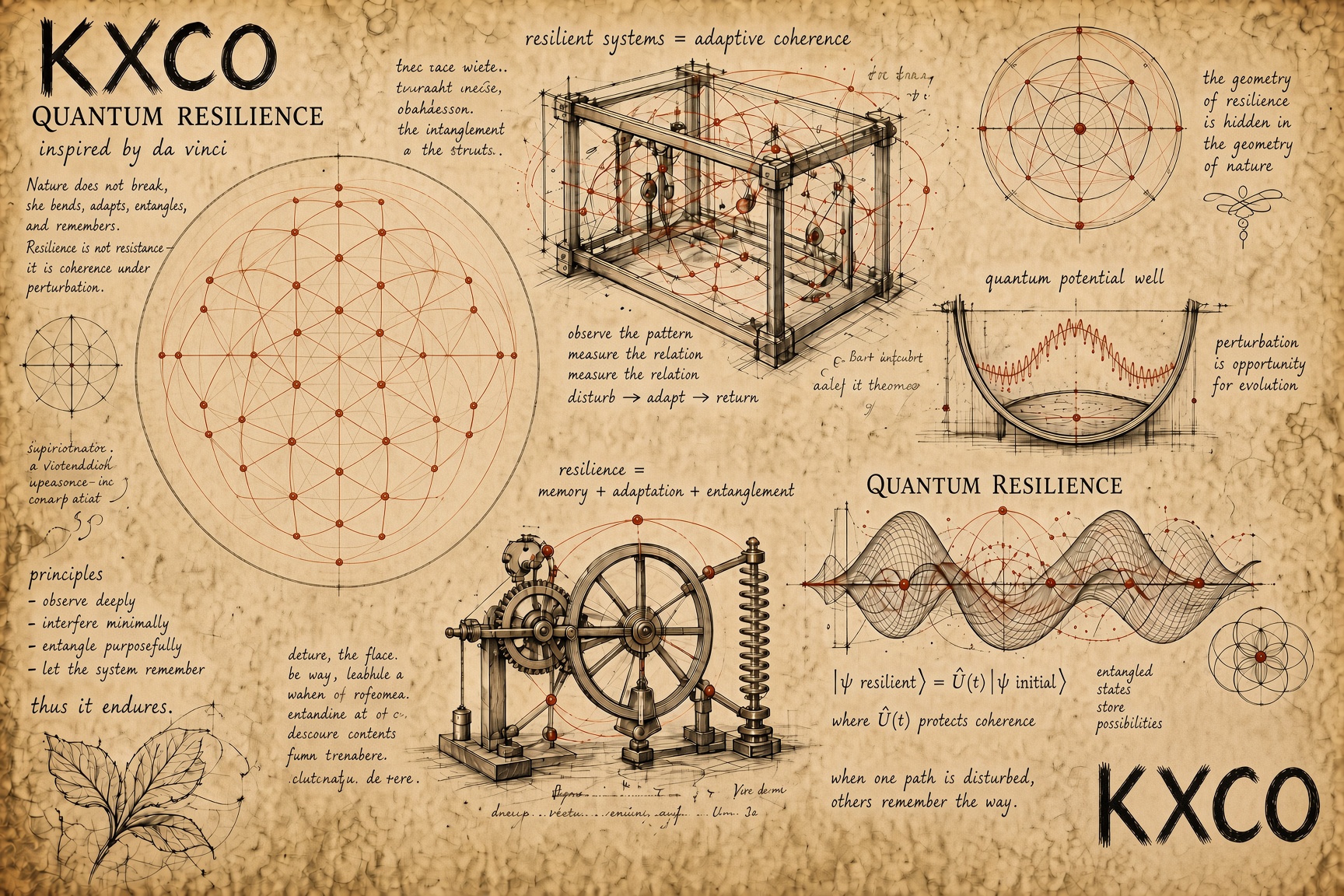
KXCO Put Its Quantum Cryptography in Public, With the Receipts Attached
KXCO has published the cryptography under its entire platform as fourteen open packages, and attached the evidence: NIST conformance, interoperability with three independent implementations, build provenance and reproducible releases. Every claim is checkable by a stranger.
The Truth in All Its Ugliness Must Survive
A majority vote does not determine the truth. Consensus is a mood, gossip is a sport, and a model will write the pretty version for free. Why the ugly number has to survive, why a record beats a dashboard, and what KXCO was built to keep standing when the room changes its mind.
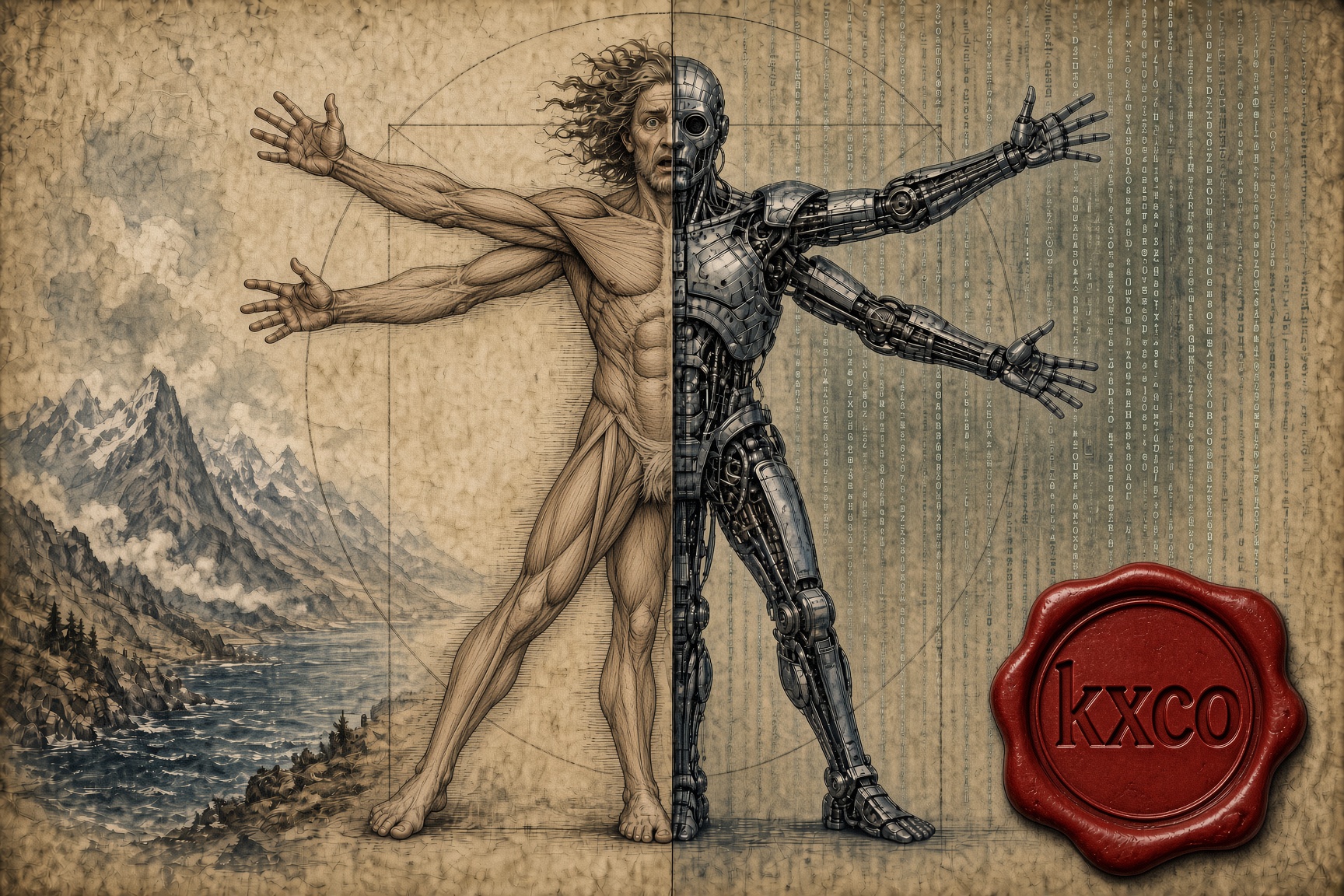
Don't Be the Best, Be the Only: Winning in an AI World
AI is repricing competence downward. What it cannot reproduce is a life. The case for remaining non-fungible, why friction still produces the best ideas, and what it means to build AI systems that keep the human intellect in them.
Every story, signed and delivered.
Subscribe to the kxco channel and get the headline, the AI-written key takeaways, and the chain-anchor link the moment we publish. Audio versions and per-ticker subscriptions arrive in the next iteration.