
Why Gold is Still a Buy
In an era where investment portfolios are diversified across stocks, bonds, real estate, and cryptocurrencies, gold continues to shine as a compelling investment option.
Despite the volatility in global markets, geopolitical tensions, and economic shifts, here's why gold remains an attractive buy in 2024.
The Everlasting Appeal of Gold
Safe Haven Asset: Gold has historically been viewed as a safe haven during times of economic uncertainty. With global events like elections, trade wars, and pandemics still influencing markets, gold's role as a hedge against inflation and currency devaluation remains potent. Recent posts on X have highlighted gold's record highs, indicating investor confidence in its stability during turbulent times.
Inflation Hedge: With inflation rates fluctuating globally, gold preserves purchasing power. Unlike paper currency, which can be devalued, gold's intrinsic value has been recognized for millennia. This characteristic makes it an excellent hedge against the eroding effects of inflation.
Central Bank Buying: Central banks around the world have been increasing their gold reserves, a trend that supports gold prices. For instance, recent analyses suggest that central banks are stockpiling gold, seeing it as a strategic reserve asset. This institutional buying can drive up demand, supporting or even increasing gold prices.
Current Market Dynamics
Technical Analysis Insights: Gold has been trading within a rising channel, showing strong support levels and potential for further price increases. Analysts have pointed out key support and resistance levels, with gold aiming for the $2,900 mark in the current year.
Physical vs. Paper Gold: There's a significant ratio of "paper" gold to physical gold, which many experts believe could lead to a scramble for physical gold as trust in financial instruments wavers. This dynamic suggests potential for price appreciation as physical gold becomes more sought after.
Investment Vehicles for Gold
Physical Gold: Buying gold in the form of bars or coins provides a tangible asset, free from counterparty risk. However, storage and insurance costs are considerations.
Gold ETFs and Mutual Funds: For those looking for liquidity without the hassle of physical storage, gold ETFs mimic the price of gold, offering an easy entry and exit from the market.
Gold Mining Stocks: Investing in companies that mine gold can offer leveraged exposure to gold prices. Recent comments by financial analysts suggest that with operational costs in countries like Australia falling relative to gold prices, profits for mining companies could rise, potentially benefiting shareholders.
The Case for Buying Gold Now
Global Economic Outlook: With monetary policies still unpredictable and the potential for further rate adjustments, gold's appeal as a non-yielding asset that does not correlate with stock markets becomes even more pronounced.
Geopolitical Tensions: Ongoing global tensions continue to make gold an attractive safe-haven investment. Analysts like Egon von Greyerz have pointed to an unstoppable trend towards gold, driven by these uncertainties.
Long-term Stability: Over the long term, gold has proven to be a reliable store of value. Even though it might not offer the high growth potential of stocks in booming markets, its stability during downturns is invaluable.
Whether you're a conservative investor looking to protect your wealth or someone seeking to balance riskier investments, gold in 2024 still offers compelling reasons to consider it as part of your investment strategy.
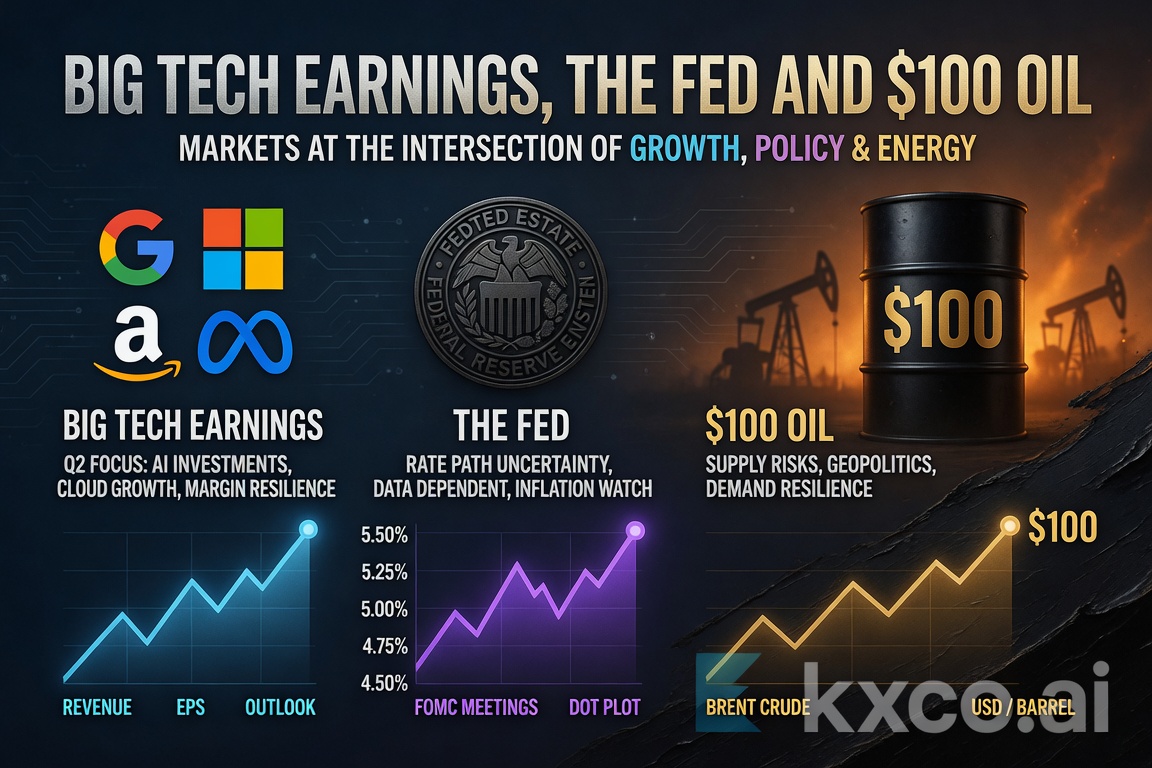
Big Tech Earnings, the Fed and $100 Oil. Trading Strategies for Every Sector
Microsoft, Meta, Apple and Amazon report, the Fed decides, and oil sits above $100. Shayne Heffernan on the week ahead, with the full economic calendar and a trading strategy for big tech, AI, quantum, gold, silver, FX and Bitcoin.

Economic Calendar and Trading Strategies for the Week Ahead: July 20–24, 2026
A pivotal week for markets: Iran's closure of the Strait of Hormuz sends crude above $86 and gasoline over $5, while Alphabet, Tesla and Intel earnings test the AI trade. Full economic calendar plus trading strategies across oil, gold, Bitcoin, FX and AI chip stocks.
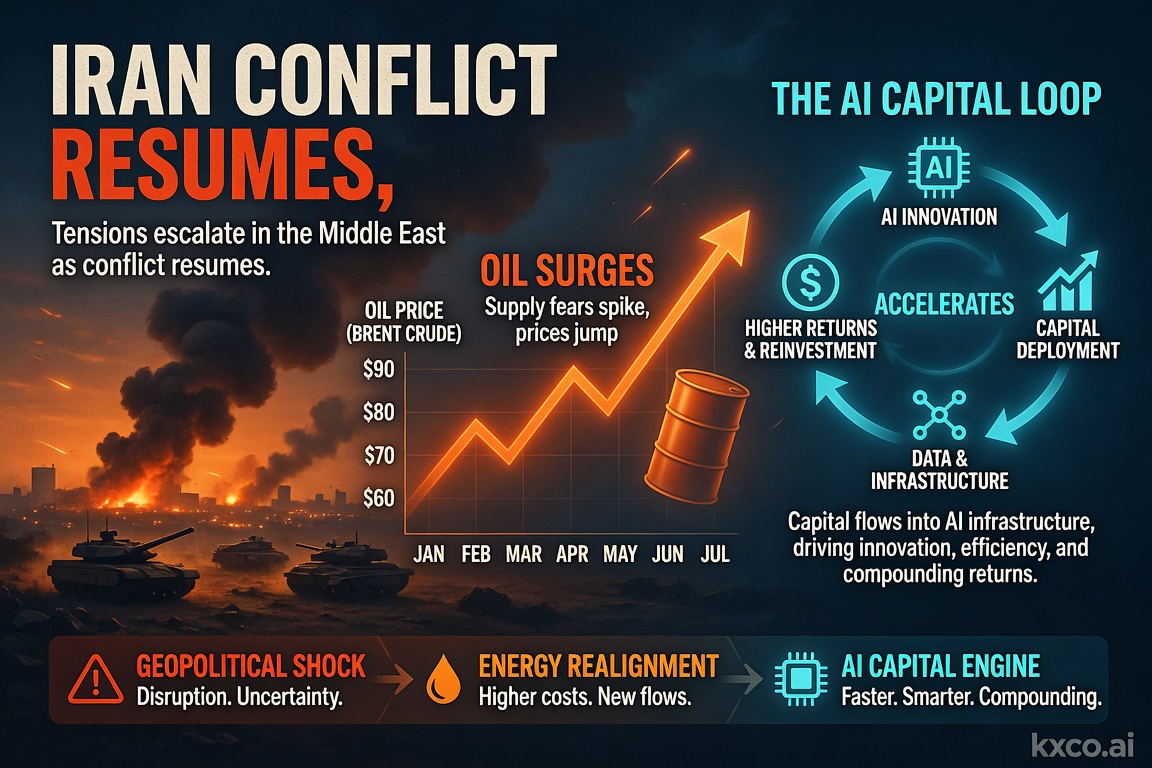
Economic Calendar and Trading Strategies for the Week Ahead: July 14–18, 2026
A pivotal week for markets: US strikes on Iran reignite the oil risk premium, June CPI and retail sales test the Fed's rate-cut path, and the $1 trillion AI capital loop keeps driving the tech trade. Full economic calendar plus trading strategies across oil, gold, Bitcoin, FX and AI stocks.

Economic Calendar and Trading Strategies for July 7–11, 2026
A trader's guide to the week of July 7–11, 2026: the US and China economic calendar, the Fed-pivot test after a soft jobs report, and how to trade Nvidia, SpaceX, Bitcoin, the dollar, gold, silver, AI and quantum. Track every release on Live Trading News.
Every story, signed and delivered.
Subscribe to the kxco channel and get the headline, the AI-written key takeaways, and the chain-anchor link the moment we publish. Audio versions and per-ticker subscriptions arrive in the next iteration.