
Van Dyck's King Charles
Van Dyck's Timeless Portraits: King Charles I Immortalized
Anthony van Dyck, a celebrated Flemish Baroque painter, created a series of portraits that have come to define our perception of King Charles I of England. These iconic artworks, produced during the 17th century, showcase Van Dyck's exceptional talent in capturing the regal presence and intricate nuances of his royal subject. In this article, we explore the significance and enduring allure of Van Dyck's portraits of King Charles I, shedding light on their historical context, artistic techniques, and their lasting impact on art and history.

A Royal Collaboration: Van Dyck's association with King Charles I began when the artist was appointed as the King's Principal Painter in Ordinary in 1632. Over the course of their working relationship, Van Dyck created a series of portraits that aimed to portray the monarch in a dignified and elegant manner. The artist's collaboration with Charles I resulted in some of the most iconic and influential portraits of the period, leaving a lasting impression on the representation of the English monarchy.
Exquisite Artistic Technique: Van Dyck's artistic prowess shines through in his portrayals of King Charles I. The portraits exhibit an exquisite attention to detail, with the artist masterfully capturing the delicate features, expressive eyes, and regal posture of the monarch. Van Dyck's use of vibrant colors, skillful rendering of textures, and careful play of light and shadow add depth and dimension to the portraits, breathing life into the canvas and bestowing an air of timeless elegance upon the royal subject.
Symbolism and Majesty: Van Dyck's portraits of King Charles I are not merely representations of the monarch's physical appearance; they also serve as visual symbols of royal authority and majesty. Through his artistry, Van Dyck conveyed the aura of divine right and noble bearing that were essential to the king's image. The inclusion of royal regalia, such as robes, crowns, and insignia, further emphasized Charles I's status as a powerful and legitimate ruler, reinforcing the notion of kingship as ordained by God.
Historical Significance: The Van Dyck portraits of King Charles I are invaluable historical artifacts, offering insights into the turbulent times in which they were created. These portraits were painted during a period of political unrest, with Charles I struggling to assert his authority against the growing power of Parliament. As such, the portraits represent a visual narrative of the shifting dynamics between the monarchy and the English political landscape, providing a glimpse into the challenges faced by the king during his reign.
Enduring Legacy: Van Dyck's portraits of King Charles I have had a profound and lasting impact on the world of art and cultural heritage. These paintings continue to be revered for their technical brilliance and their ability to capture the essence of Charles I's regal persona. The influence of Van Dyck's style can be seen in subsequent royal portraiture and in the broader tradition of European portrait painting. Moreover, these portraits serve as iconic visual references, preserving the memory of Charles I and his reign for generations to come.
Van Dyck's portraits of King Charles I stand as enduring symbols of artistic excellence and historical significance. Through his exquisite technique and deep understanding of his subject, Van Dyck immortalized the English monarch, creating visual records that convey the power, majesty, and complexities of Charles I's reign. These portraits continue to captivate viewers, offering a window into a pivotal era in English history and reminding us of the profound impact that art can have in shaping our perception of the past.
AI is the Neat Handwriting of the Illiterate
A model in the hands of someone who has read the filing and walked the plant is a clerk. The same model, speaking for someone who has done neither, is a disguise. On AI slop, phantom citations and factslop, why finish stopped being evidence of work, and the containment layer KXCO built so a machine cannot speak as the institution until a source is attached.
Worthship: Do Not Conform to the Age
Worthship is the older English word for worship, and it means to ascribe worth. Bishop Robert Barron preached Romans 12 on 30 August. This essay follows the text into the prison letters, and puts two questions to a graph: do the four readings of that Sunday agree, and was Paul free or in chains when he wrote about despair?
The Truth in All Its Ugliness Must Survive
A majority vote does not determine the truth. Consensus is a mood, gossip is a sport, and a model will write the pretty version for free. Why the ugly number has to survive, why a record beats a dashboard, and what KXCO was built to keep standing when the room changes its mind.
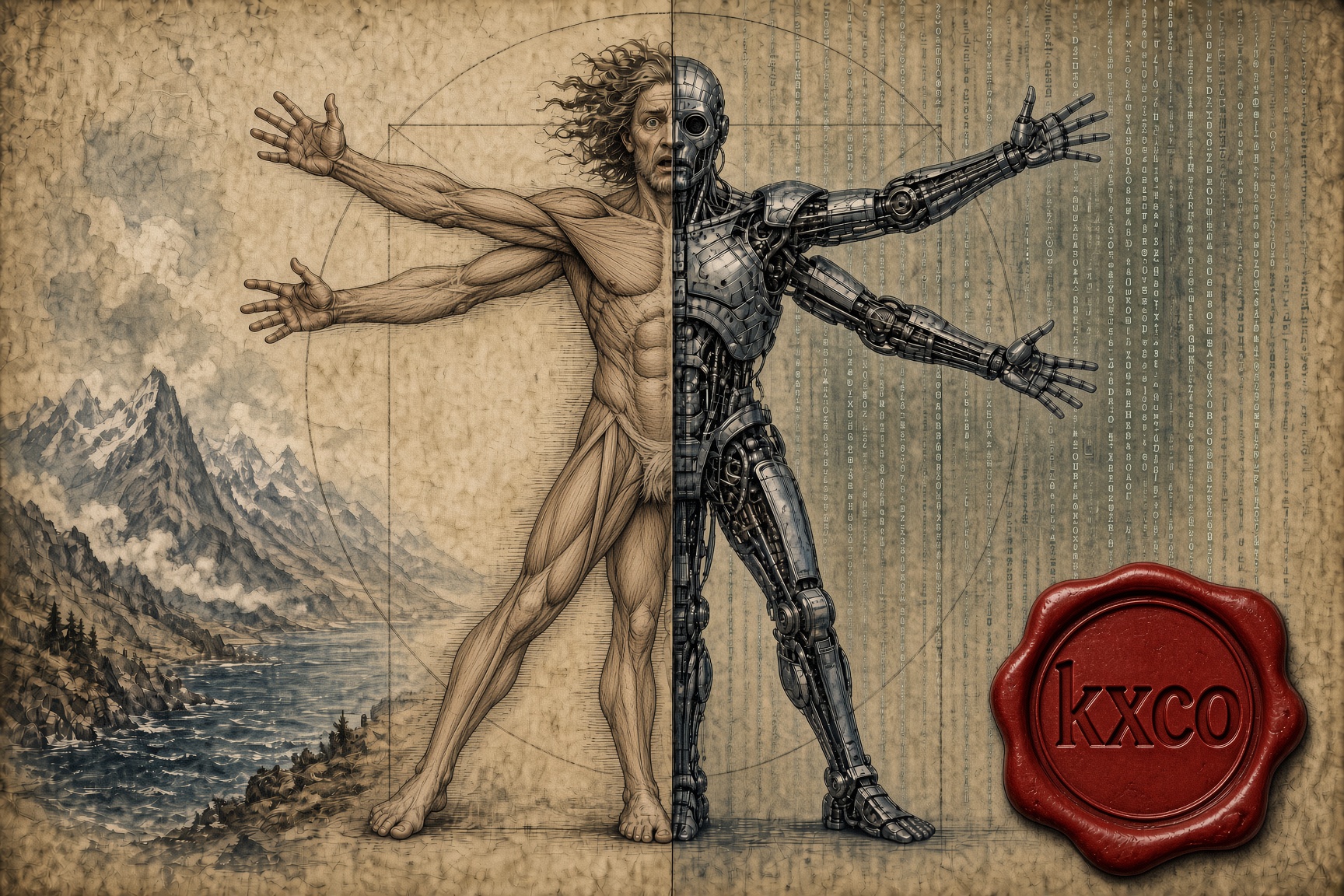
Don't Be the Best, Be the Only: Winning in an AI World
AI is repricing competence downward. What it cannot reproduce is a life. The case for remaining non-fungible, why friction still produces the best ideas, and what it means to build AI systems that keep the human intellect in them.
Every story, signed and delivered.
Subscribe to the kxco channel and get the headline, the AI-written key takeaways, and the chain-anchor link the moment we publish. Audio versions and per-ticker subscriptions arrive in the next iteration.