
US Federal Reserve Will Continue Policy, Buy Crypto
Even in the face of rising inflation, the lackluster progress on restoring jobs lost during the pandemic means the US Federal Reserve is unlikely to budge on monetary policy when it meets next week strengthening the argument to buy and hold Crypto instead of the US Dollar.
Central bank chief Jerome Powell has made it clear the Fed will hold the line on its massive bond buying program and rock-bottom lending rates until data reflect lasting improvement in employment across all economic strata.
But the recent surge in inflation in the world's largest economy is ramping up the pressure on policymakers to begin to pull back on stimulus programs.
Hints of whether central bankers will buckle may be seen next week when the Fed's policy-setting Federal Open Markets Committee (FOMC) holds its two-day policy meeting.
"No good deed goes unpunished and that is the case with the rapid reopening of the economy," economist Joel Naroff said in an analysis.
"The upside is that growth is soaring. The downside is that consumer inflation is surging, and labor problems are pressuring businesses."
- Focus on jobs -
With widespread vaccinations in recent months and massive government aid, the US economy has come roaring back from the Covid-19 crisis as businesses rushed to reopen.
But the process has been bumpy and other countries have not kept pace, creating a shortage of supplies and workers.
That in turn has sent prices surging, with the consumer price index hitting a 13-year high of five percent in May compared to the same month in 2020.
While Fed officials have repeatedly offered reassurances that the increase is mostly due to temporary issues -- used car prices alone make up the bulk of the rise -- some financial market players have begun to sound the alarm, as have Republicans opposed to President Joe Biden's spending plans.
"We should all be very concerned," Republican Senator Pat Toomey tweeted last week.
"It's long overdue for the Fed to begin the process of normalizing its monetary policy.
Omari Swinton, chair of the Howard University economics department, said with businesses finding it hard to fill open positions as they reopen, or competing with the $1,000 signing bonus offered by major US employer Amazon, wage and price inflation are legitimate concerns.
But the "systemic" issue of the worker shortage is the more important target of the Fed's policy deliberations, he said, especially if the labor pool shrinks permanently in the wake of the pandemic.
"No one knows if people are going to go back to work or not," Swinton told AFP. "So their focus on making sure the employment recovery is strong is more important than inflation."
That has been Powell's stance: downplaying inflation fears while stressing the importance of allowing the economy to grow fast enough that even low wage workers can find jobs.
- New forecasts -
While the official unemployment rate fell to 5.8 percent in May, unemployment for Black Americans remains much higher at 9.1 percent, and more than seven million of the jobs lost during the pandemic still have not been restored.
"The labor market recovery since the end of last year has been solid, but it remains far from a broad-based and inclusive one," Kathy Bostjancic of Oxford Economics said.
Even if the Fed's policy remains unchanged, Powell could reassure the world that the central bank will be vigilant about inflation, and he might signal they are "talking about talking about" the right time to begin to slow purchases of assets, which have pumped cash into the economy throughout the crisis.
Many economists expect Powell to give clearer hints about the taper plans in August at an annual central bank conference in Jackson Hole, Wyoming.
The FOMC at this meeting also will release the latest quarterly forecasts of the 17 committee members, which are expected to reflect the improved economic outlook, and show a median projection for one interest rate hike in 2023.
In the last Summary of Economic Projections (SEP) in March, no increase in the benchmark borrowing rate was expected through 2023.
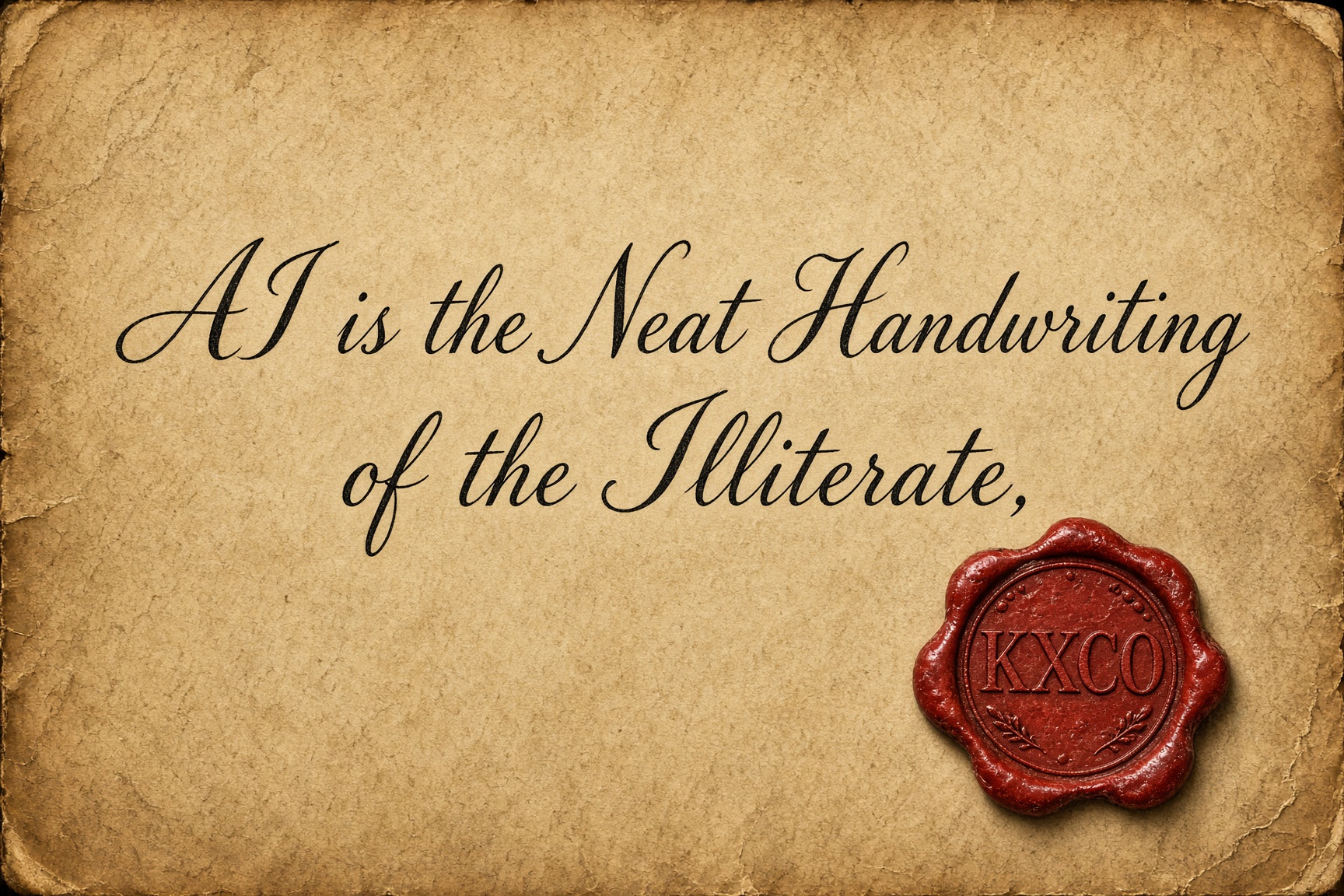
AI is the Neat Handwriting of the Illiterate
A model in the hands of someone who has read the filing and walked the plant is a clerk. The same model, speaking for someone who has done neither, is a disguise. On AI slop, phantom citations and factslop, why finish stopped being evidence of work, and the containment layer KXCO built so a machine cannot speak as the institution until a source is attached.
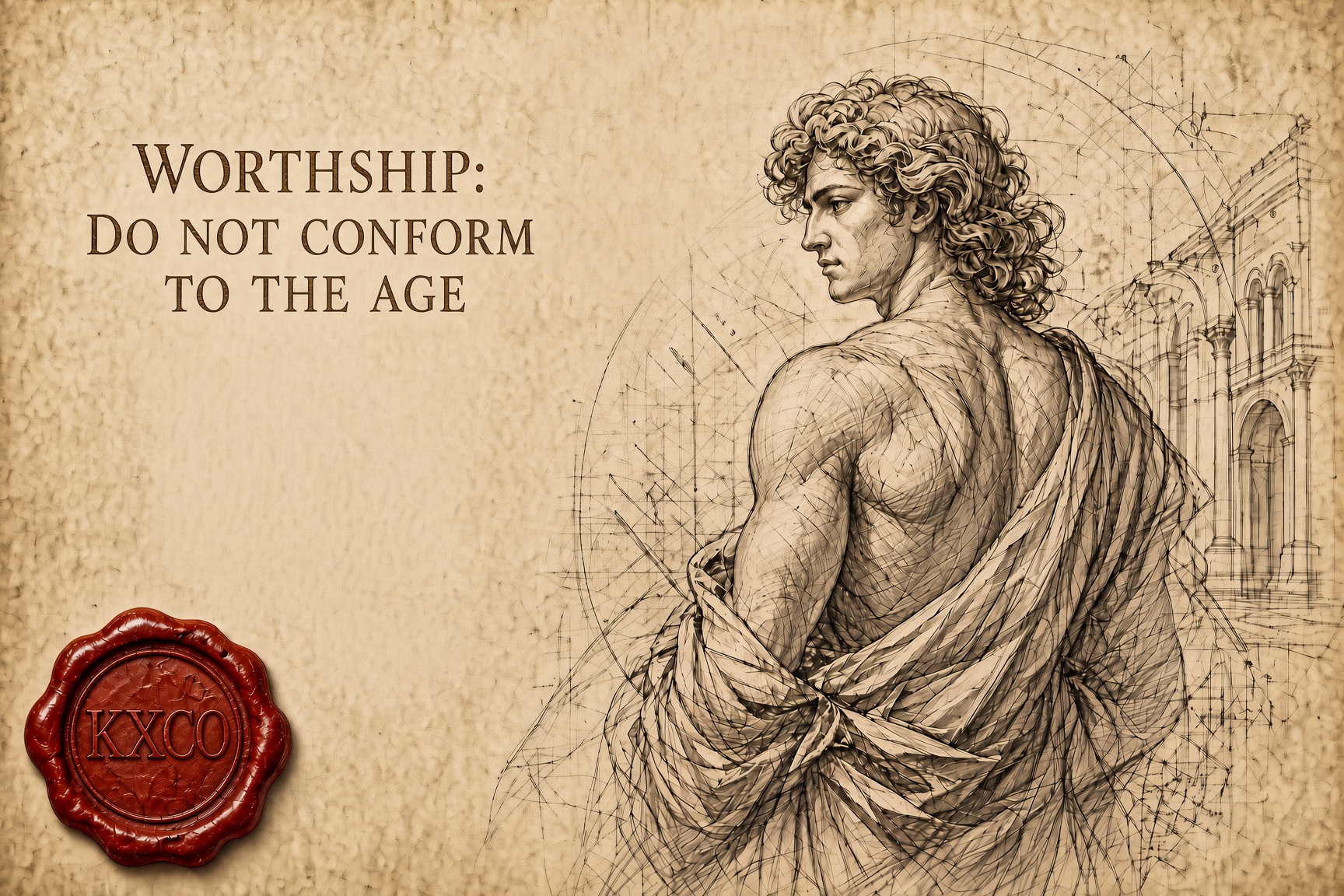
Worthship: Do Not Conform to the Age
Worthship is the older English word for worship, and it means to ascribe worth. Bishop Robert Barron preached Romans 12 on 30 August. This essay follows the text into the prison letters, and puts two questions to a graph: do the four readings of that Sunday agree, and was Paul free or in chains when he wrote about despair?
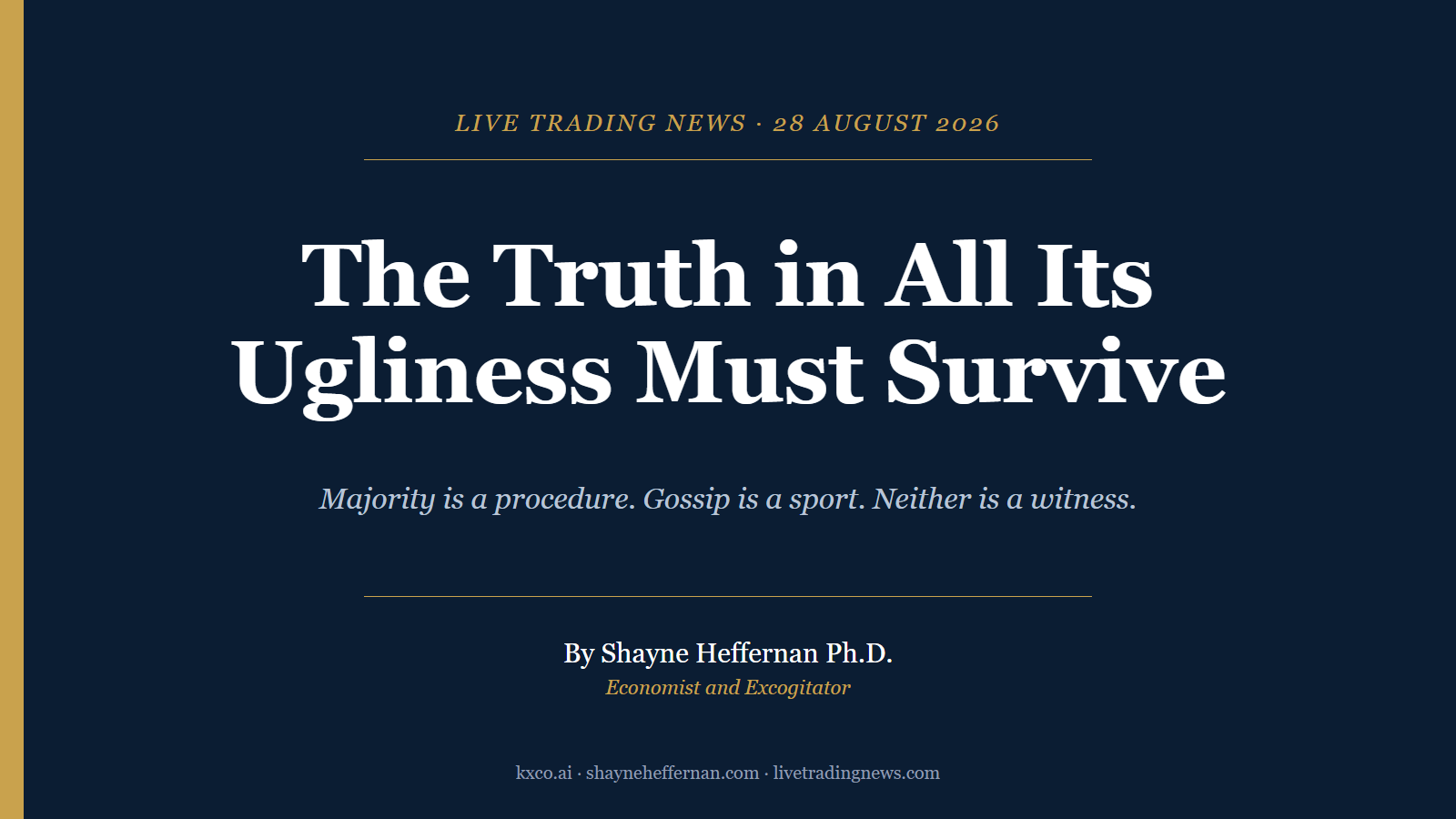
The Truth in All Its Ugliness Must Survive
A majority vote does not determine the truth. Consensus is a mood, gossip is a sport, and a model will write the pretty version for free. Why the ugly number has to survive, why a record beats a dashboard, and what KXCO was built to keep standing when the room changes its mind.

Don't Be the Best, Be the Only: Winning in an AI World
AI is repricing competence downward. What it cannot reproduce is a life. The case for remaining non-fungible, why friction still produces the best ideas, and what it means to build AI systems that keep the human intellect in them.
Every story, signed and delivered.
Subscribe to the kxco channel and get the headline, the AI-written key takeaways, and the chain-anchor link the moment we publish. Audio versions and per-ticker subscriptions arrive in the next iteration.