
US Economic Recovery Continues
The recovering US economy scored a big jobs gain in July, which President Joe Biden said Friday was further evidence his policies have been successful.
"What is indisputable now is this: the Biden plan is working. The Biden plan produced results and the Biden plan is moving the country forward," he said at the White House after government data showed 943,000 new jobs added last month.
Despite progress in recovering from "the economic mess we inherited," the president acknowledged that the recovery is "far from complete, and ... doubtless will have ups and downs along the way" as the Delta variant of the coronavirus casts doubts on the outlook.
With widespread vaccinations allowing the world's largest economy to begin to return to normal, hiring has accelerated after several months of disappointing results, but remains 5.7 million jobs short of its pre-pandemic level, the Labor Department said.
The faster hiring pushed the unemployment rate down a half a point to 5.4 percent.
And the gain in June was revised sharply higher than the original report, to show an increase of 938,000 non-farm payroll positions, seasonally adjusted, and the result for May was also revised up, according to the report.
Economists cautioned that the solid trend of the past two months could be derailed if more restrictions are imposed to contain the rising Covid-19 infections, or if schools are unable to reopen.
"The highly contagious Delta variant casts a shadow on the labor market recovery in the coming months, threatening to slow the return of workers still on the sideline due to childcare issues or health concerns," Kathy Bostjancic of Oxford Economics said in an analysis.
But Biden said the country was better able to deal with the current outbreak than previous ones because of vaccinations. Half of the US population is now fully inoculated against Covid-19, the White House announced separately Friday.
- Improvement for Black workers -
With restaurants, bars and hotels opening their doors, the biggest the gains in hiring in July came in the leisure and hospitality sector, which increased 380,000, the report said.
And as schools prepare to reopen for in-person classes, public education rose 220,000.
For Black workers, the jobless rate fell a full point from the prior month to 8.2 percent -- far higher than for white workers -- although that came amid a worrying decline in labor force participation, which points to more people giving up on looking for a job.
In another sign the labor market has not fully recovered, there were 4.5 million people working part time because they cannot find full time work, the report said.
Even with many people on the sidelines, companies continue to report struggles finding workers to fill open positions.
That shortage has been acute in the construction industry, which added just 11,000 positions, while manufacturing rose by 27,000.
The labor shortage also is driving wages higher, and average hourly earnings nationwide jumped 11 cents to $30.54, the report said.
Republicans have blamed the generous federal jobless benefits for keeping potential hires on the sidelines. Two dozen state governments have terminated supplemental unemployment payments early and they are set to expire nationwide in September.
Rubeela Farooqi of High Frequency Economics said "expiration of unemployment benefits combined with ongoing vaccinations should result in an easing of supply shortages."
- Time to remove stimulus? -
The jobs recovery brings closer the time when the Federal Reserve will start to ratchet back its massive stimulus efforts that have supported the economy.
The central bank has pledged to keep interest rates low to ensure a return to "maximum employment" and accept higher inflation for a time, but is expected in coming months to announce plans to taper is huge bond-buying program that has provided liquidity to the economy during the crisis.
"The recovery in employment is getting to a place where the Fed needs to seriously consider tapering its asset purchases to avoid an unnecessary overshoot on inflation," said Diane Swonk, chief economist at Grant Thornton.
The economy's resilience through new coronavirus outbreaks "ups the risk of a misstep and the need for the Fed to extinguish unwanted inflation."
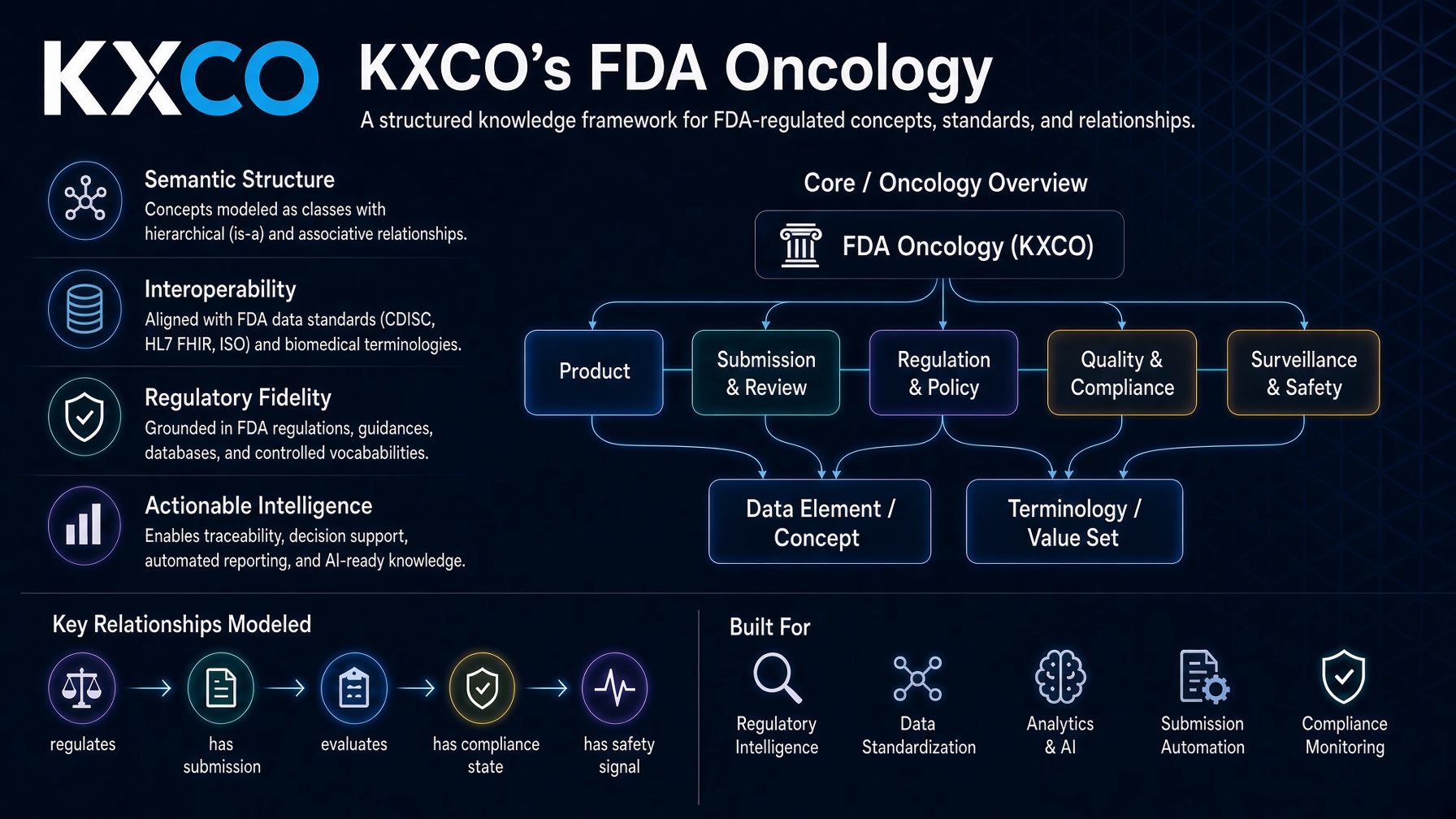
KXCO's FDA Ontology Is Two for Two on FDA Decisions
The FDA has decided two filings on KXCO's FDA board since the board began ranking them, and on my scorecard the board got both right. It ranked Inovio's INO-3107 first and the FDA approved it on 30 October; Inovio moved +149.1% net of the sector. It gave Summit's ivonescimab no call, and Summit announced the FDA's refusal on 15 November; Summit fell 16.5%. KXCO's record held the FDA's survival warning before the refusal was announced.

Quantum Computing in November 2026: The Cost of Breaking Your Keys Keeps Falling
No quantum computer can break today's public keys yet, but three new estimates and a peer-reviewed Google paper put a break at between 19,397 and 500,000 physical qubits. Quantinuum's Helios has 98 qubits and IBM's Nighthawk r2 has 120. NIST will deprecate RSA and elliptic-curve cryptography after 2030, and only about 15% of the origin servers behind Cloudflare use post-quantum key exchange. KXCO's core library, kxco-post-quantum, scores 9.8 on the OpenSSF Scorecard.
The Week Ahead on Wall Street, 16 November 2026: Look for the Bounce
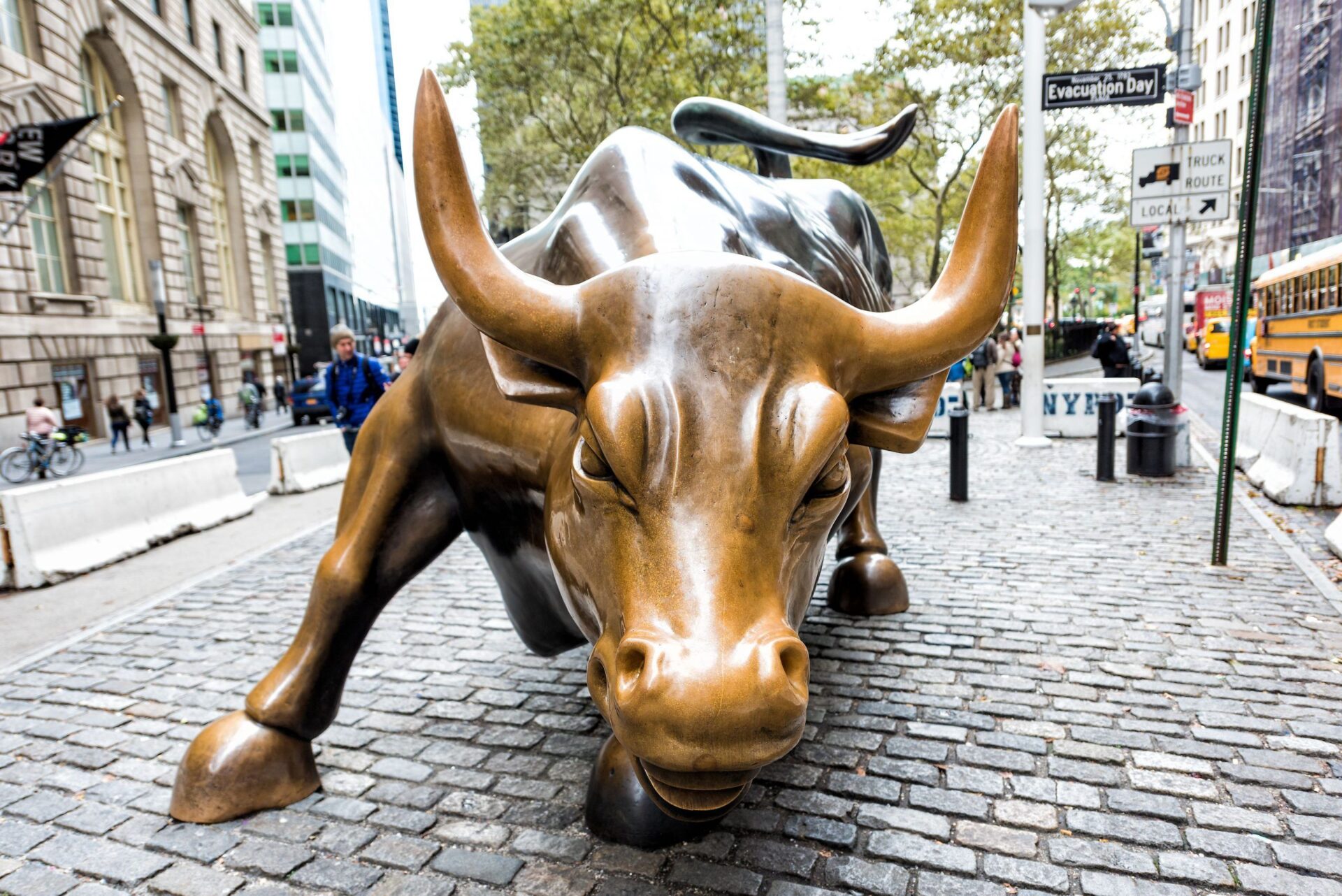
NVIDIA reports on Tuesday 17 November 2026, its first results since Jensen Huang resigned, and I expect the stock and the AI market to bounce. NVIDIA closed at $162.85 on 13 November 2026, 31.93% below its record, while the semiconductor index rose 8.05% on the week. The calendar leans to currencies, with the yen near 160 after briefly crossing it, and the US publishes retail sales, housing starts, jobless claims and the Fed's minutes. Follow them on the Live Trading News trading page.
AI Is Still a Buy: The Noise Will Not Stop the Build-Out
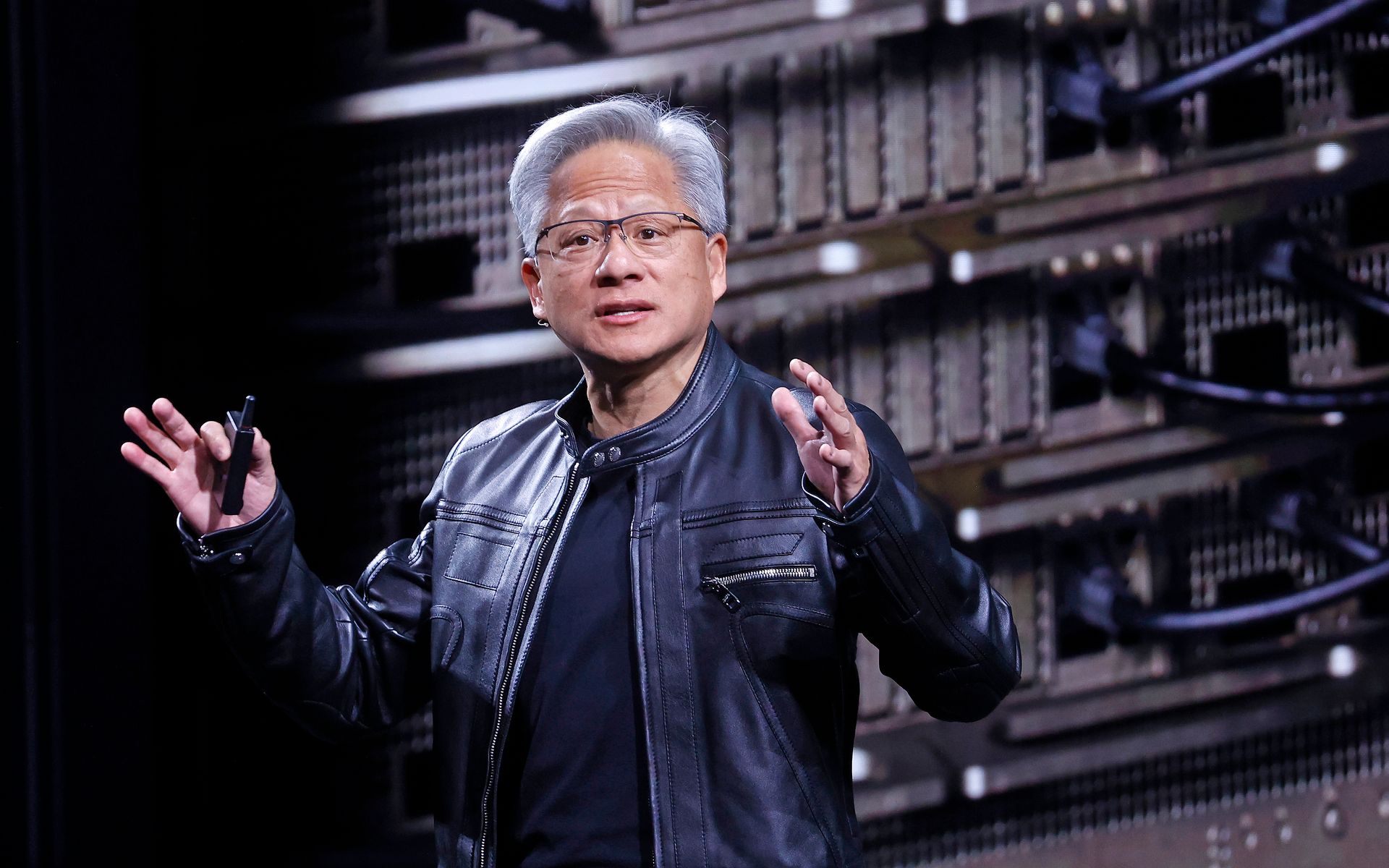
In my view AI is still a buy. NVIDIA announced on 12 November 2026 that Jensen Huang had resigned as chief executive, and the push against data centres widened, yet four of the largest cloud sellers carry about $2.48 trillion of signed backlog and the build kept moving. NVIDIA closed at $162.85 on 13 November 2026 with an average analyst target 71.71% above the price. KXCO's AI ontology shows the same US companies have announced capacity in the UAE, Saudi Arabia, Japan, Malaysia and India.
Every story, signed and delivered.
Subscribe to the kxco channel and get the headline, the AI-written key takeaways, and the chain-anchor link the moment we publish. Audio versions and per-ticker subscriptions arrive in the next iteration.