
Twitter Set to Lose Russia
Russia said Wednesday it planned to slow down Twitter for users in the country over what it said was the social media platform's failure to remove "illegal" content.
Moscow in recent months has put Western tech giants like Facebook and Twitter under increasing pressure for failing to take down calls to participate in anti-government demonstrations.
Russia's media watchdog said in a statement its decision to restrict Twitter's services was intended to "protect Russian citizens" and force the company to comply with Russian law.
The Roskomandzor watchdog said the disruption would begin on Wednesday and comprise a "slowdown in service speed" on all mobile users and 50 percent of desktop users.
Roskomandzor said that since 2017 it had sent Twitter "over 28,000 initial and repeated requests" to delete links to child pornography, information on drug use and calls for minors to commit suicide.
The watchdog warned that if Twitter ignores Russian law it could face further restrictions, including a complete ban in the country.
Russian authorities in recent years have been tightening control over the internet in the name of fighting extremism, terrorism and protecting minors.
In 2019, a law was passed for the development of a "sovereign internet" aimed at isolating Russia from the worldwide web, a move activists fear will tighten government control of cyberspace and stifle free speech.
Russia has already banned a number of websites that refused to cooperate with authorities, such as the video platform Dailymotion and professional networking website LinkedIn.
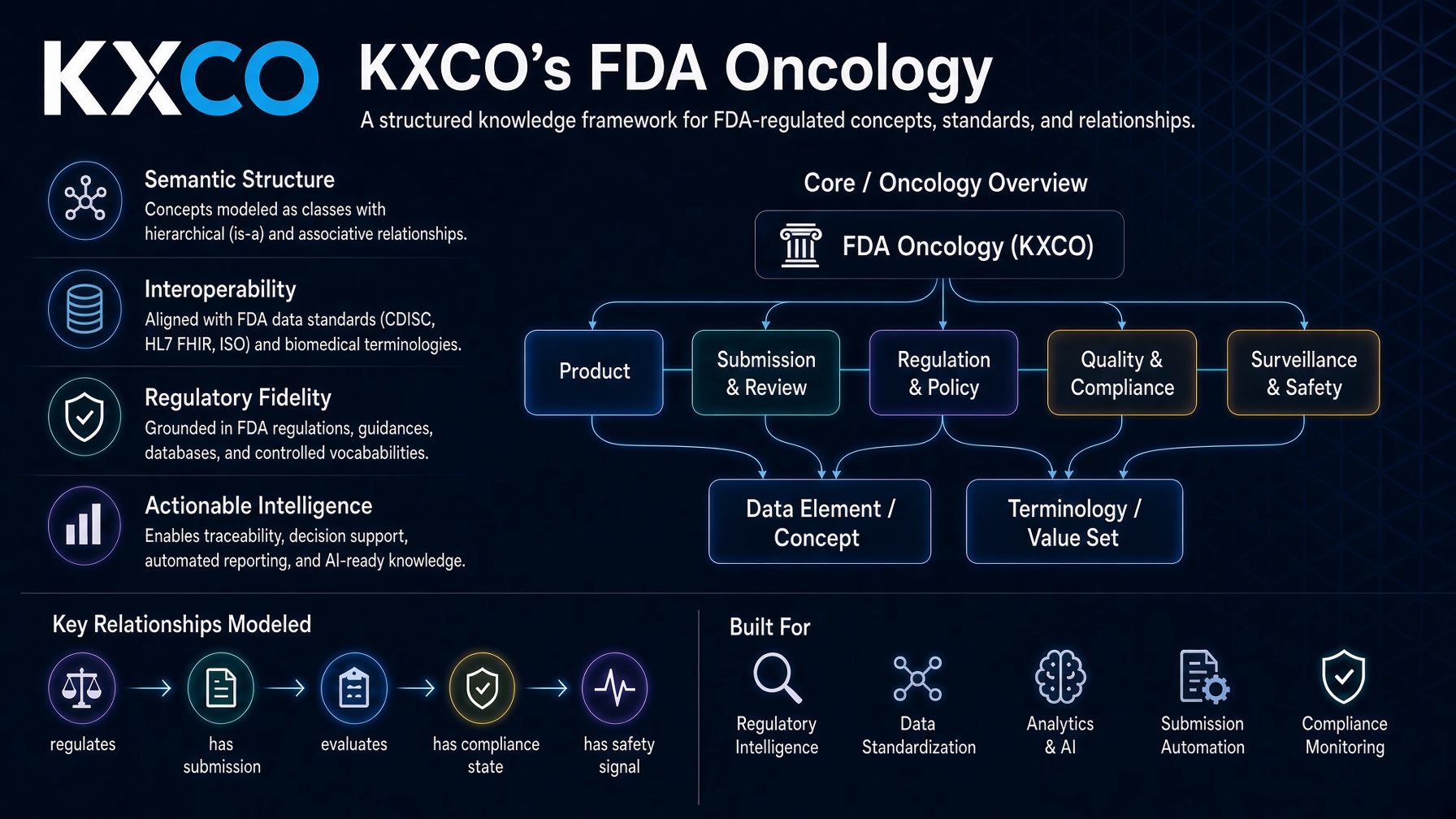
KXCO's FDA Ontology Is Two for Two on FDA Decisions
The FDA has decided two filings on KXCO's FDA board since the board began ranking them, and on my scorecard the board got both right. It ranked Inovio's INO-3107 first and the FDA approved it on 30 October; Inovio moved +149.1% net of the sector. It gave Summit's ivonescimab no call, and Summit announced the FDA's refusal on 15 November; Summit fell 16.5%. KXCO's record held the FDA's survival warning before the refusal was announced.

Quantum Computing in November 2026: The Cost of Breaking Your Keys Keeps Falling
No quantum computer can break today's public keys yet, but three new estimates and a peer-reviewed Google paper put a break at between 19,397 and 500,000 physical qubits. Quantinuum's Helios has 98 qubits and IBM's Nighthawk r2 has 120. NIST will deprecate RSA and elliptic-curve cryptography after 2030, and only about 15% of the origin servers behind Cloudflare use post-quantum key exchange. KXCO's core library, kxco-post-quantum, scores 9.8 on the OpenSSF Scorecard.
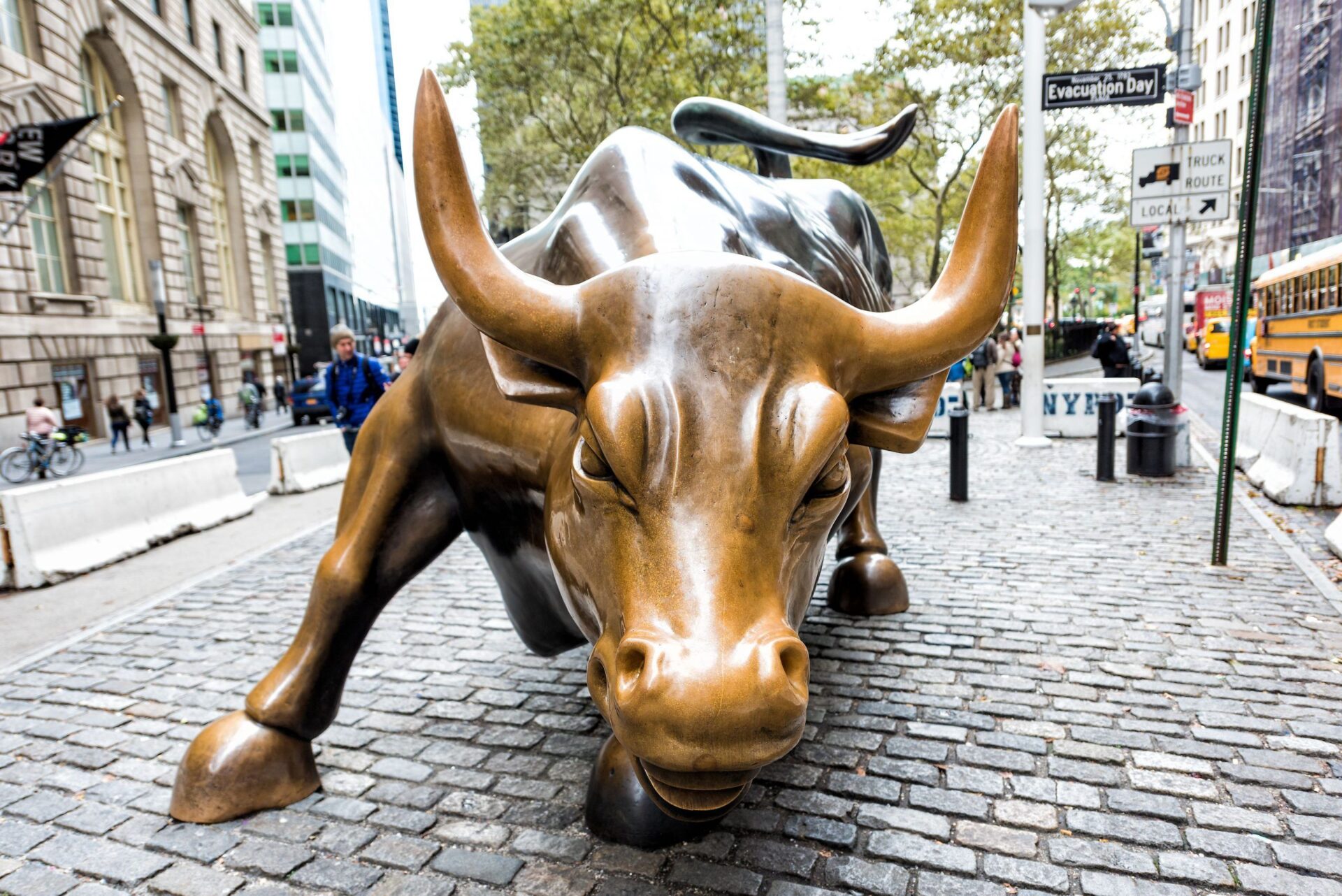
The Week Ahead on Wall Street, 16 November 2026: Look for the Bounce
NVIDIA reports on Tuesday 17 November 2026, its first results since Jensen Huang resigned, and I expect the stock and the AI market to bounce. NVIDIA closed at $162.85 on 13 November 2026, 31.93% below its record, while the semiconductor index rose 8.05% on the week. The calendar leans to currencies, with the yen near 160 after briefly crossing it, and the US publishes retail sales, housing starts, jobless claims and the Fed's minutes. Follow them on the Live Trading News trading page.
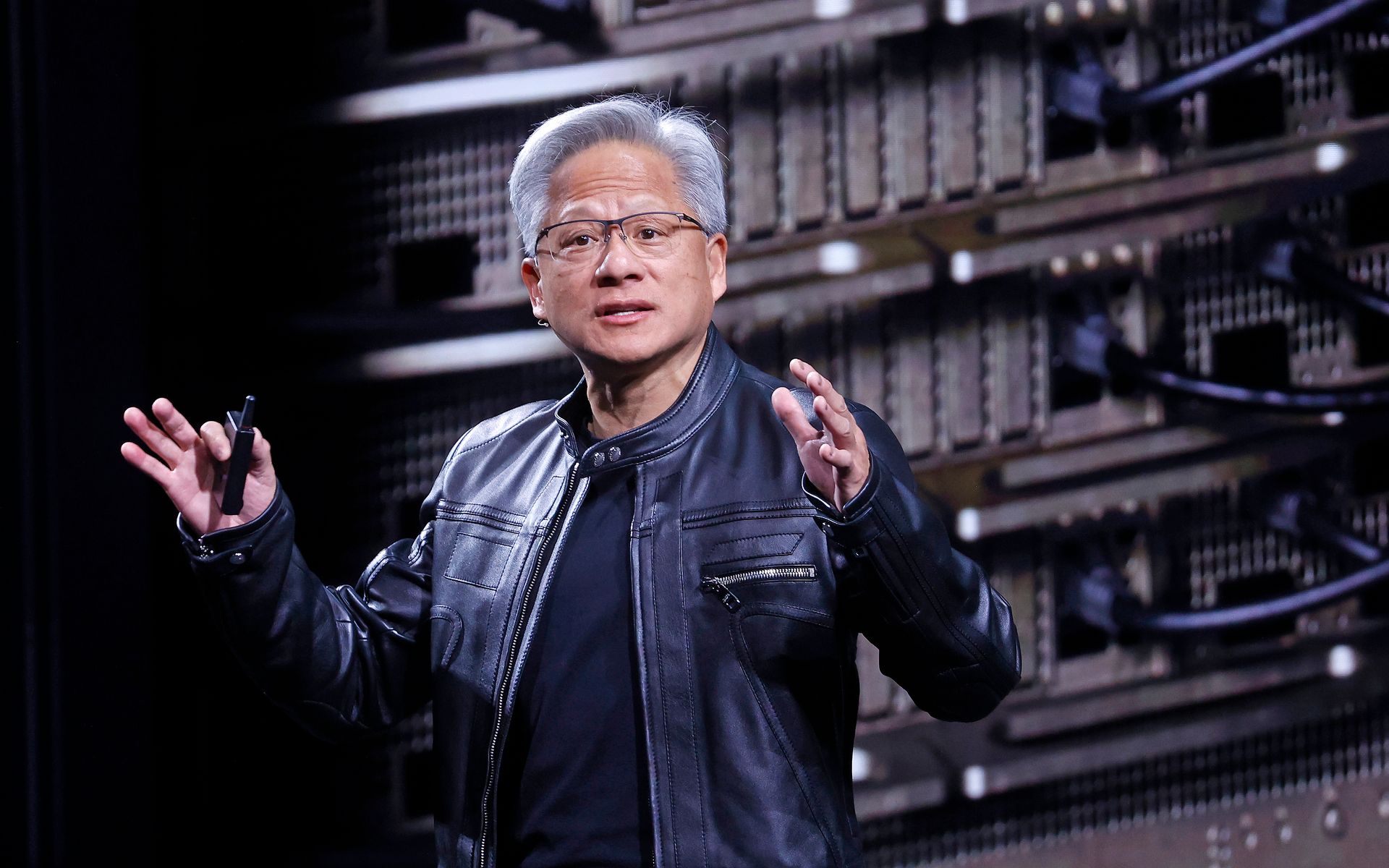
AI Is Still a Buy: The Noise Will Not Stop the Build-Out
In my view AI is still a buy. NVIDIA announced on 12 November 2026 that Jensen Huang had resigned as chief executive, and the push against data centres widened, yet four of the largest cloud sellers carry about $2.48 trillion of signed backlog and the build kept moving. NVIDIA closed at $162.85 on 13 November 2026 with an average analyst target 71.71% above the price. KXCO's AI ontology shows the same US companies have announced capacity in the UAE, Saudi Arabia, Japan, Malaysia and India.
Every story, signed and delivered.
Subscribe to the kxco channel and get the headline, the AI-written key takeaways, and the chain-anchor link the moment we publish. Audio versions and per-ticker subscriptions arrive in the next iteration.