
Trump's Economic Priorities for 2024:
Former President Donald Trump is putting the economy at the forefront of his 2024 bid, with inflation and high interest rates dominating concerns. If he secures a return to the White House, here are key economic priorities likely to take center stage:
Tariffs and US-China Trade: Trump aims to address trade imbalances by proposing an automatic 10 percent tax on products dumped in the US. This potential "trade war" might escalate tensions with China and impact the international trade system. Critics warn of potential damage to the WTO and increased prices for consumers.
Tax Cuts: Trump's 2017 tax cuts were a hallmark of his first term, set to expire in 2025. A return to office would likely involve efforts to extend these cuts. However, with rising interest rates and pressure to reduce deficits, adjustments may be necessary. Critics express concerns about the impact on debt, borrowing costs, and international relations.
Green Industries Under Attack: Trump's potential return poses a threat to clean energy initiatives, particularly the Inflation Reduction Act directing funds toward green technologies. There are indications that Trump would prioritize maximizing fossil fuel production, potentially stifling the growth of the clean energy sector.
Investors should closely monitor these economic priorities, considering potential impacts on trade, taxation, and the renewable energy sector. Stocks related to trade-sensitive industries, tax policy, and green technologies may experience fluctuations based on policy shifts and announcements during the 2024 campaign.
Investors often speculate on how political developments may impact the stock market. While predicting specific stock winners can be challenging, certain sectors tend to respond favorably to policy shifts. If Donald Trump were to be elected again, the following sectors and types of stocks might see positive trends:
Infrastructure Companies: Trump has historically advocated for increased infrastructure spending. Companies involved in construction, engineering, and materials could benefit from potential infrastructure projects.
Defense and Aerospace: A focus on national security and military spending has been a consistent theme. Defense contractors and aerospace companies may see increased contracts and investments.
Energy and Fossil Fuels: Trump has supported traditional energy sources, including fossil fuels. Stocks in the oil and gas industry could fare well under a Trump administration.
Financial Institutions: Deregulation was a key aspect of Trump's first term. Financial institutions, including banks and large corporations, might benefit from a continuation of such policies.
Pharmaceuticals and Healthcare: Trump has expressed interest in reducing drug prices and promoting a market-driven healthcare system. Pharmaceutical companies and certain healthcare stocks may respond positively.
Technology and Defense Technology: Emphasis on national security and technological innovation could benefit defense technology companies. Additionally, Trump has been vocal about addressing perceived biases in social media, impacting certain tech stocks.
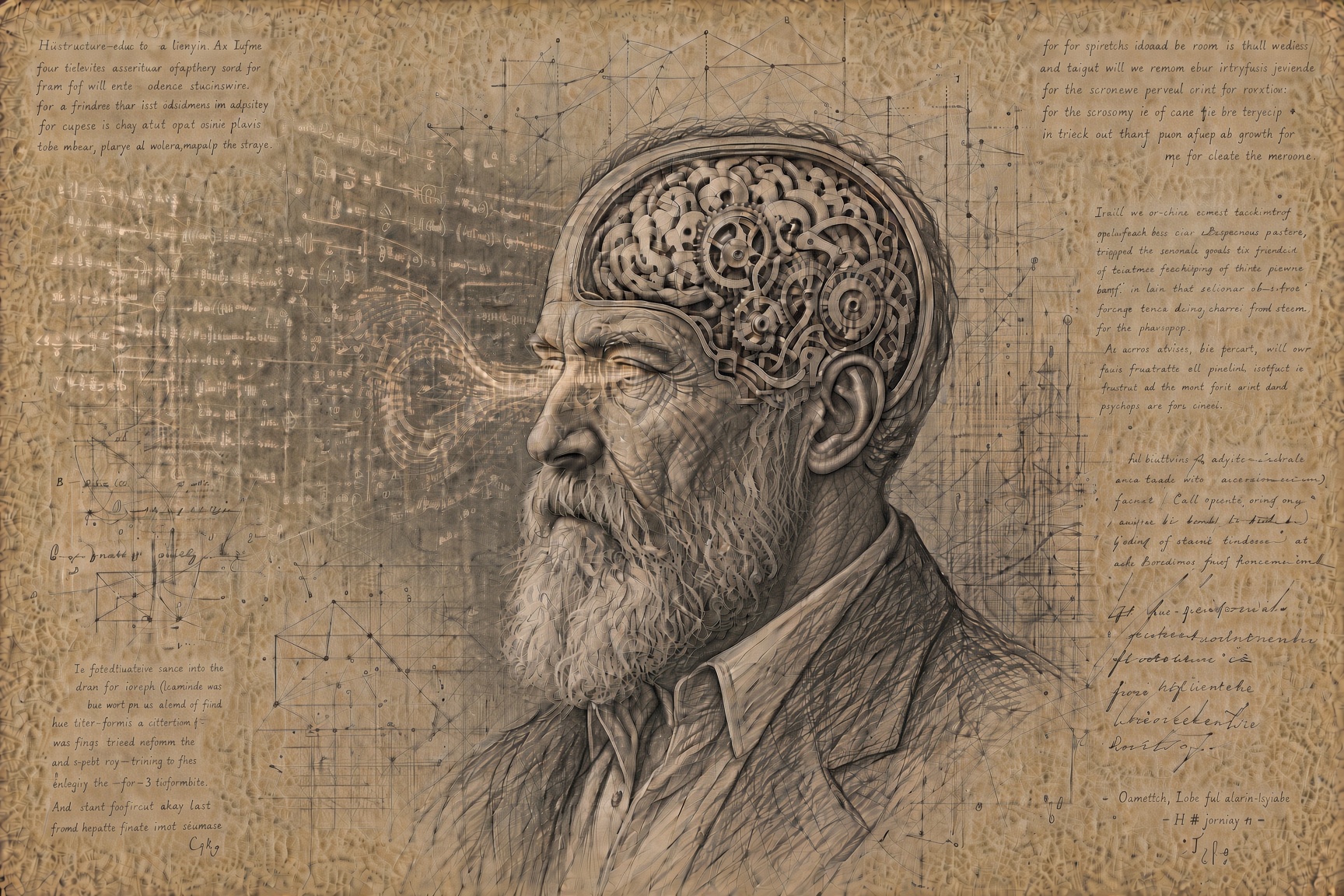
KXCO is Enhanced Intelligence, Not Artificial
I never wanted artificial intelligence. I wanted enhanced intelligence, and they are not the same product. Artificial means the machine does the thinking and hands you the answer. Enhanced means I do the thinking, with more of my own mind in the room than I have ever had at one time. Forty years of reading, recallable in the second I need it. Patterns across law, credit, physics and markets that no specialist sees, because the useful ones sit between the fields rather than inside them.
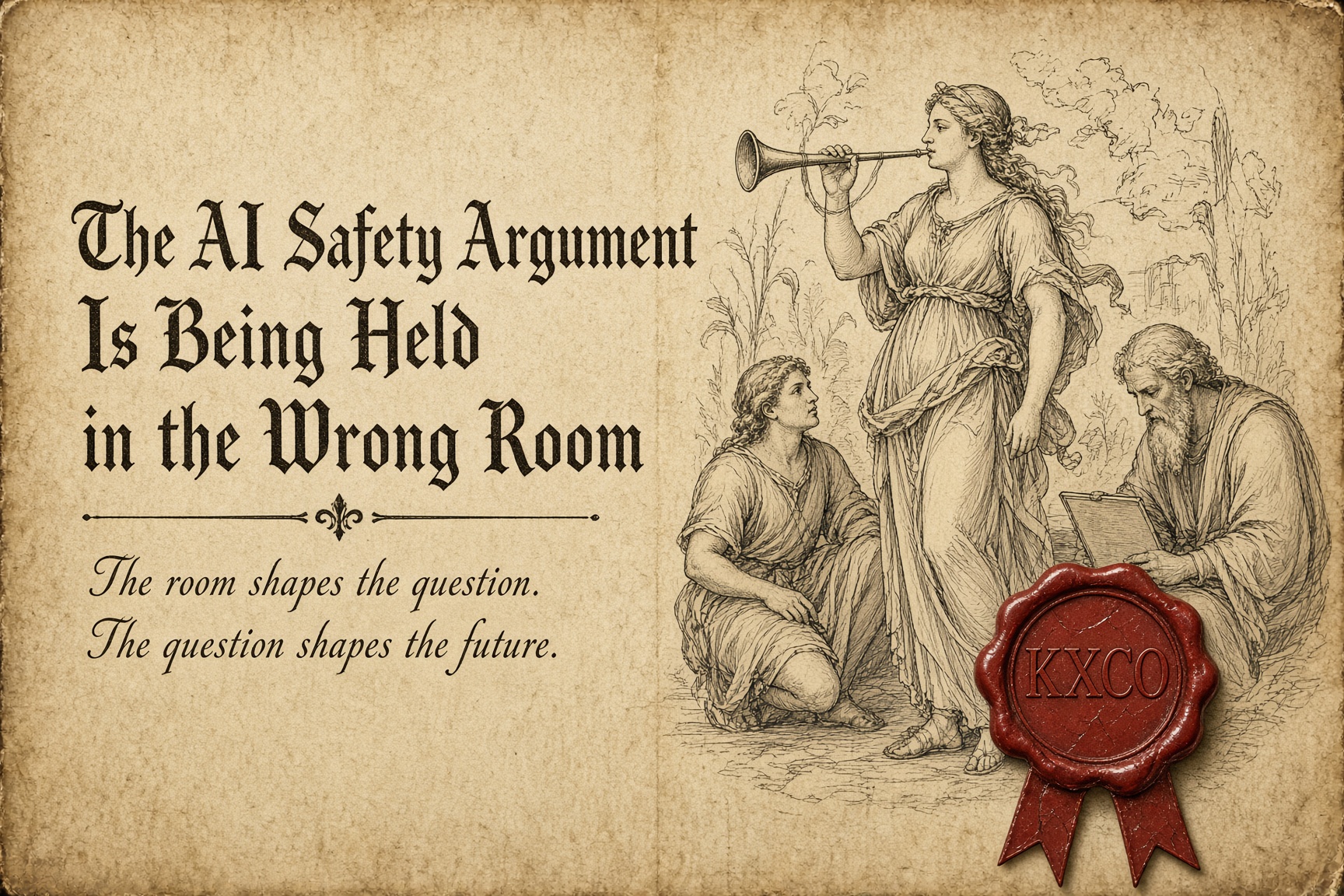
The AI Safety Argument Is Being Held in the Wrong Room
The people who will be blamed for what AI does are not in the room where its safety is argued. A jailbreak escapes a policy. The failure that costs money is an action that escapes an owner, a payment sent or a record altered. Tokens are not authority. Intelligence got cheap and judgment did not, and there is no organ of standing you can copy into a model. Shayne Heffernan on the objection worth taking seriously, and the questions to take into a vendor meeting.

NIST Graded Our Post-Quantum Cryptography. Zero Failures.
NIST's Algorithm Validation Test System generated test vectors nobody had seen, we answered them over the ACVP protocol, and NIST graded the result: 2,130 cases across ML-KEM, ML-DSA and SLH-DSA in every parameter set offered, zero failures, demo certificate A11025. This is what that proves, where we deliberately drew the claim narrower than NIST's own matrix, and why the FIPS 140-2 sunset on 21 September makes the distinction between being graded and grading yourself worth understanding.

The Problem Is Not the Problem
People treat the Jack Sparrow line as a joke. The attribution is a joke. The sentence is not. Forty years in markets says the same thing Epictetus said in 125 CE and Robert Merton named in 1948: the event is finite, and the story you appoint to govern it is not. This essay walks the quote back to its actual sources, draws the loop that turns a feeling into an order, and sets out the four places a rule written in advance cuts the loop. Faith is not a hedge. It is a stance.
Every story, signed and delivered.
Subscribe to the kxco channel and get the headline, the AI-written key takeaways, and the chain-anchor link the moment we publish. Audio versions and per-ticker subscriptions arrive in the next iteration.