
Trading Bitcoin is Not Easy
Trading Bitcoin is not easy most people lose money, KXCO takes a look at why.
Roughly three-quarters of people who have traded bitcoin have lost money according to a study published Monday as the cryptocurrency sector reels from the collapse of a major exchange that has sapped confidence.
Economists at the Bank of International Settlements, an institution widely considered as the central banks of central banks, analysed data on investors in cryptocurrencies in 95 countries between 2015 and 2022.
"Overall, back of the envelope calculations suggest that around three-quarters of users have lost money on their bitcoin investments," they said in their study.
During the period studied, the price of bitcoin rose from $250 in August 2015 to peak at nearly $69,000 in November 2021. It is now trading at around $16,500.

The number of people using smartphone apps allowing one to purchase and sell cryptocurrencies rose from 119,000 to 32.5 million during the same period.
"Our analysis has shown that, around the world, bitcoin price increases have been tied to greater entry by retail investors," the researchers wrote.
Moreover, they said they found that "as prices were rising and smaller users were buying bitcoin, the largest holders (the so-called 'whales' or 'humpbacks') were selling –- making a return at the smaller users’ expense."
The researchers did not have direct data on the gains or losses of individual investors. However, they were able to extrapolate based on the price of bitcoin when new investors began using cryptocurrency trading apps and the approximately $20,000 it was worth last month.
The study also found that the biggest segment of new cryptocurrency investors, at roughly 40 percent, were men under 35, and who are commonly identified as the most "risk-seeking" segment of the population.
Researchers found most cryptocurrency investors saw it as a speculative investment and that young men tended to be more active in trading in the months after a big rise in the bitcoin price.
They said the jump in investors after price increases should raise concerns whether more consumer protection is needed.
AI is the Neat Handwriting of the Illiterate
A model in the hands of someone who has read the filing and walked the plant is a clerk. The same model, speaking for someone who has done neither, is a disguise. On AI slop, phantom citations and factslop, why finish stopped being evidence of work, and the containment layer KXCO built so a machine cannot speak as the institution until a source is attached.
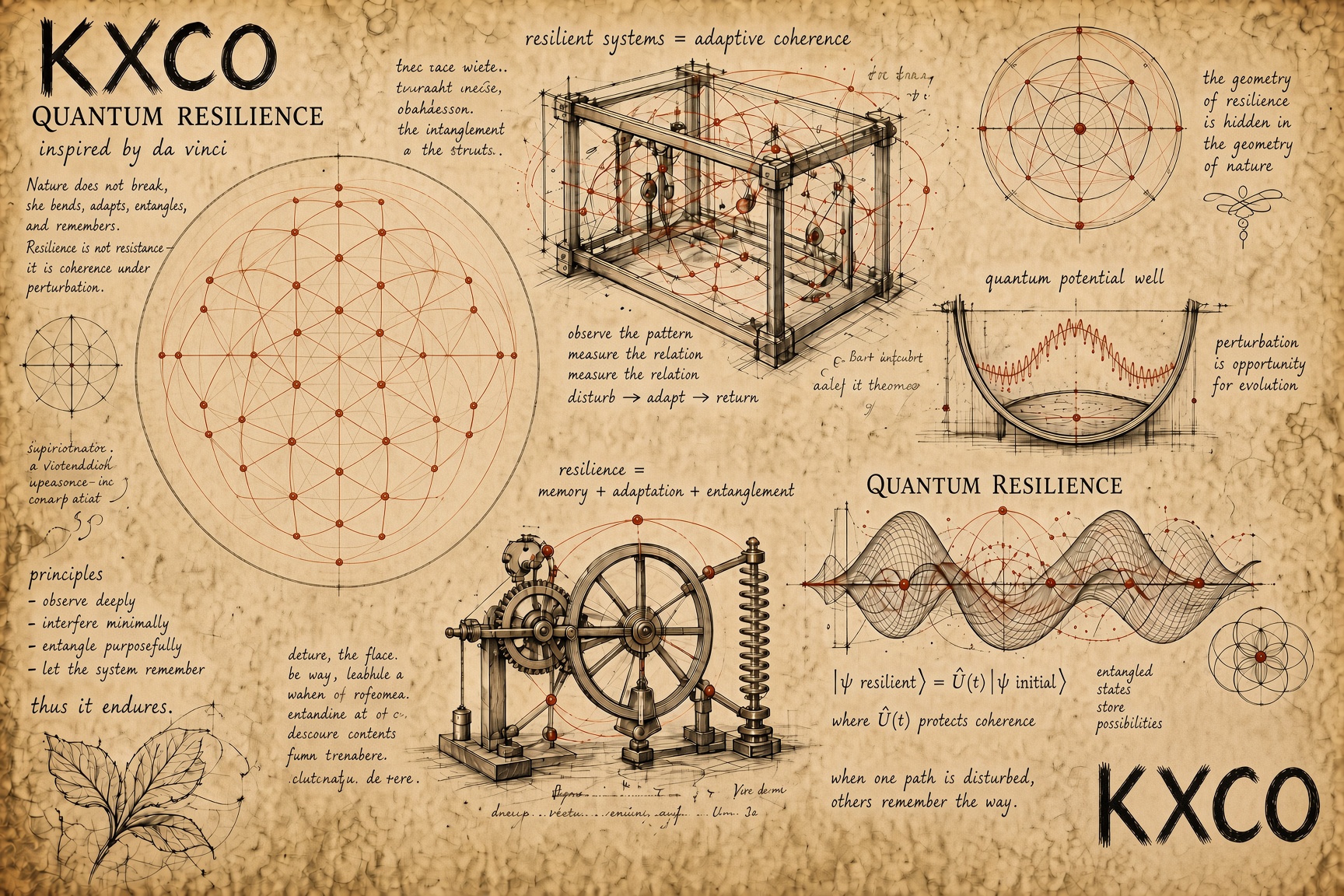
KXCO Put Its Quantum Cryptography in Public, With the Receipts Attached
KXCO has published the cryptography under its entire platform as fourteen open packages, and attached the evidence: NIST conformance, interoperability with three independent implementations, build provenance and reproducible releases. Every claim is checkable by a stranger.
Worthship: Do Not Conform to the Age
Worthship is the older English word for worship, and it means to ascribe worth. Bishop Robert Barron preached Romans 12 on 30 August. This essay follows the text into the prison letters, and puts two questions to a graph: do the four readings of that Sunday agree, and was Paul free or in chains when he wrote about despair?
The Truth in All Its Ugliness Must Survive
A majority vote does not determine the truth. Consensus is a mood, gossip is a sport, and a model will write the pretty version for free. Why the ugly number has to survive, why a record beats a dashboard, and what KXCO was built to keep standing when the room changes its mind.
Every story, signed and delivered.
Subscribe to the kxco channel and get the headline, the AI-written key takeaways, and the chain-anchor link the moment we publish. Audio versions and per-ticker subscriptions arrive in the next iteration.