
The Significance of Contemporary Art: Inspiring Creativity and Shaping Cultural Discourse
Introduction: Contemporary art, with its diverse forms, innovative techniques, and thought-provoking concepts, holds a vital place in our society. It reflects the spirit of the times and serves as a powerful medium for artists to express their ideas, challenge conventions, and engage viewers in meaningful dialogues. This article explores the importance of contemporary art, highlighting its role in inspiring creativity, shaping cultural discourse, and fostering a deeper understanding of the world we inhabit.
Cultural Reflection and Social Commentary: Contemporary art acts as a mirror that reflects the aspirations, concerns, and struggles of the present era. Artists utilize their creativity to address pressing social, political, and environmental issues, sparking conversations and offering fresh perspectives. Through installations, paintings, sculptures, performance art, and multimedia projects, artists engage viewers on topics ranging from climate change and inequality to human rights and identity. By shedding light on these issues, contemporary art encourages critical thinking, empathy, and a deeper understanding of the complexities of our world.
Promoting Innovation and Experimentation: Contemporary art embraces experimentation, pushing boundaries and challenging traditional notions of art. Artists constantly explore new materials, technologies, and mediums, blurring the lines between disciplines and inviting viewers to experience art in novel ways. This spirit of innovation inspires creativity not only within the art world but also in other fields such as design, architecture, and technology. By encouraging risk-taking and embracing unconventional approaches, contemporary art fosters a culture of innovation and pushes society forward.
Cultural Diversity and Global Dialogue: In an increasingly interconnected world, contemporary art serves as a platform for cultural exchange and dialogue. Artists from different backgrounds and regions bring their unique perspectives, traditions, and experiences to the forefront, creating a rich tapestry of artistic expression. Contemporary art exhibitions and biennales become meeting points for artists, curators, and art enthusiasts from around the world, fostering cross-cultural understanding and appreciation. This cultural diversity enriches our collective consciousness and promotes a global dialogue that transcends borders.
Challenging Perception and Provoking Thought: Contemporary art has the power to challenge preconceived notions and disrupt conventional modes of thinking. Artists often employ symbolism, abstraction, and unconventional aesthetics to invite viewers to question their own beliefs, biases, and perceptions. By presenting alternative viewpoints and pushing viewers out of their comfort zones, contemporary art encourages open-mindedness, critical reflection, and personal growth. It challenges us to see the world through different lenses and prompts us to reevaluate our place in society.
Expression of Individuality and Personal Experience: Contemporary art provides a platform for artists to express their individuality, share personal experiences, and explore their inner worlds. By delving into their emotions, memories, and identities, artists create works that resonate on a deeply personal level. This authentic expression of the human experience allows viewers to connect with the artist's narrative, fostering empathy and encouraging self-reflection. Contemporary art celebrates the uniqueness of each artist and invites viewers to embrace their own individuality.
Contemporary art holds immense importance in today's society. Its ability to reflect the zeitgeist, provoke thought, and inspire creativity makes it an indispensable part of our cultural landscape. Through its diverse forms, themes, and approaches, contemporary art encourages dialogue, challenges norms, and expands our horizons. It invites us to explore the complexities of our world, celebrate cultural diversity, and foster a deeper understanding of ourselves and others. In an ever-changing world, contemporary art remains a beacon of inspiration and a catalyst for social, intellectual, and emotional growth.
AI is the Neat Handwriting of the Illiterate
A model in the hands of someone who has read the filing and walked the plant is a clerk. The same model, speaking for someone who has done neither, is a disguise. On AI slop, phantom citations and factslop, why finish stopped being evidence of work, and the containment layer KXCO built so a machine cannot speak as the institution until a source is attached.
Worthship: Do Not Conform to the Age
Worthship is the older English word for worship, and it means to ascribe worth. Bishop Robert Barron preached Romans 12 on 30 August. This essay follows the text into the prison letters, and puts two questions to a graph: do the four readings of that Sunday agree, and was Paul free or in chains when he wrote about despair?
The Truth in All Its Ugliness Must Survive
A majority vote does not determine the truth. Consensus is a mood, gossip is a sport, and a model will write the pretty version for free. Why the ugly number has to survive, why a record beats a dashboard, and what KXCO was built to keep standing when the room changes its mind.
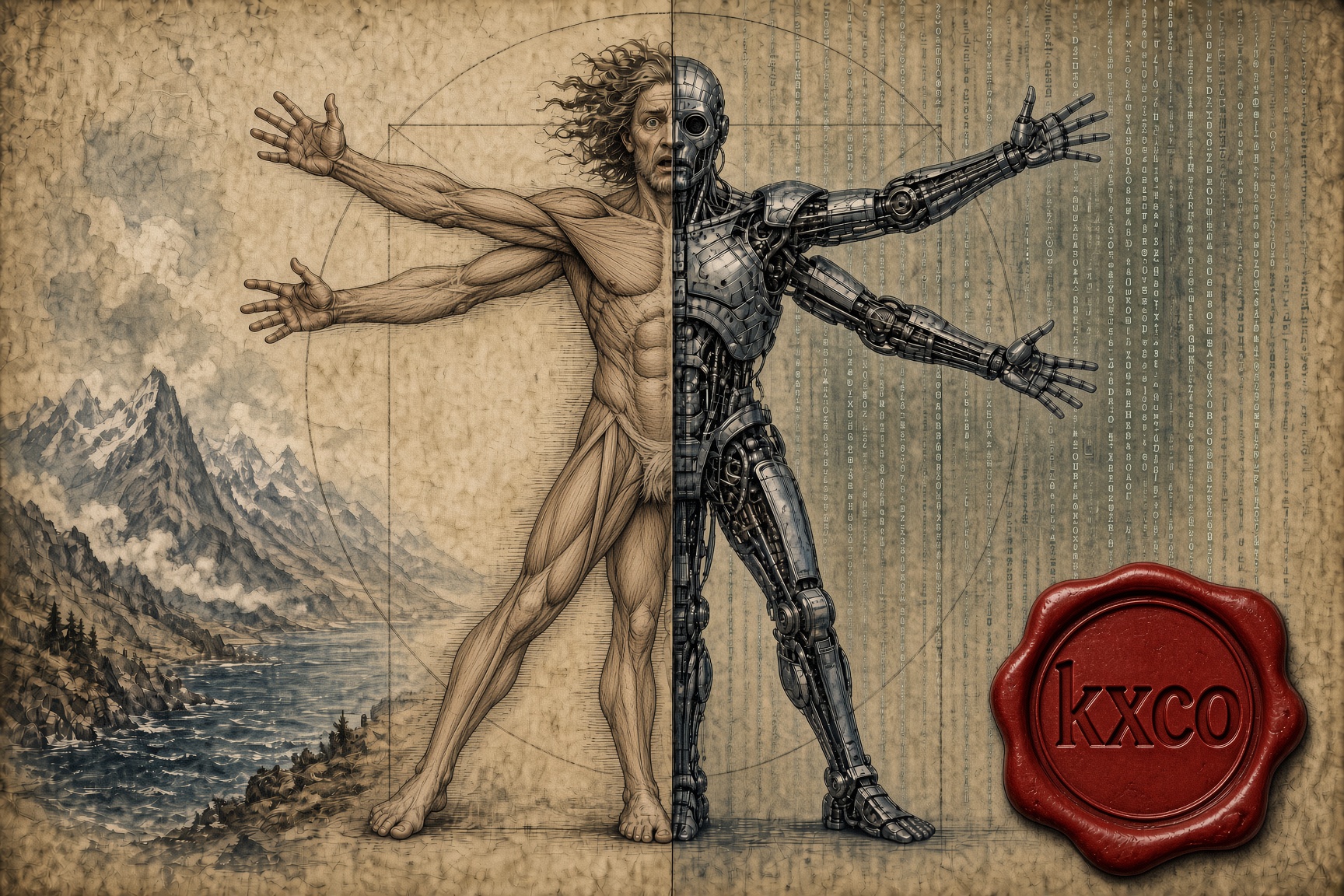
Don't Be the Best, Be the Only: Winning in an AI World
AI is repricing competence downward. What it cannot reproduce is a life. The case for remaining non-fungible, why friction still produces the best ideas, and what it means to build AI systems that keep the human intellect in them.
Every story, signed and delivered.
Subscribe to the kxco channel and get the headline, the AI-written key takeaways, and the chain-anchor link the moment we publish. Audio versions and per-ticker subscriptions arrive in the next iteration.