
The SHA256 Algorithm
Taking a deep dive into cryptography and digital security, the SHA256 algorithm holds a pivotal role. Developed by the National Security Agency (NSA) and published by the National Institute of Standards and Technology(NIST), this cryptographic hash function has become a cornerstone of modern technology. Its widespread adoption and applications extends to various technological applications, such as ensuring data integrity, securing password storage and management, and producing digital signatures.
History of SHA-256 Algorithm: The Secure Hash Algorithm 256-bit (SHA256) was first introduced in 2001 as a part of the SHA-2 family of hash functions. It was designed by a team of cryptographers led by the NSA, in response to the need for stronger security measures.
The primary purpose of the SHA256 algorithm is to generate a unique, fixed-size, and irreversible hash value from any input data, regardless of its size. This cryptographic hash function employs complex mathematical operations, ensuring that even a small change in the input data will result in a significantly different output hash. The algorithm uses a 256-bit hash value, which translates into a vast number of possible outputs, making it extremely difficult to reverse-engineer the original data from the hash alone.
The Bitcoin network utilizes SHA256 for address creation and validating transactions, it is used to secure TLS and SSL connections, as well as Git version control systems. Furthermore, the utilization of SHA256 in Bitcoin transactions ensures that each transaction is securely validated and remains tamper-proof. By hashing the transaction data, users can verify the integrity of the information, and any modification in the data will be immediately noticeable due to the change in the hash value.
Enter quantum computing. You have surely heard about Quantum computers, and when they become practical, could potentially break many of the cryptographic systems currently in use today. Therefore, post-quantum equivalents of these cryptographic algorithms are on the way.
The standardization of post-quantum cryptographic algorithms is currently being developed by the National Institute of Standards and Technology (NIST). For general encryption, NIST has selected the CRYSTALS-Kyber algorithm. On the hand, for digital signatures, NIST has selected three algorithms, namely:
CRYSTALS-Dilithium
FALCON
SPHINCS+
The standardization of post-quantum cryptographic algorithms, including the equivalents of SHA256, is ongoing and expected to come to fruition within the near future. It is an extremely exciting time, so stay up to date with the developments of cryptography applications, security, and standards. Also don't forget to try it out at sha256algorithm.com
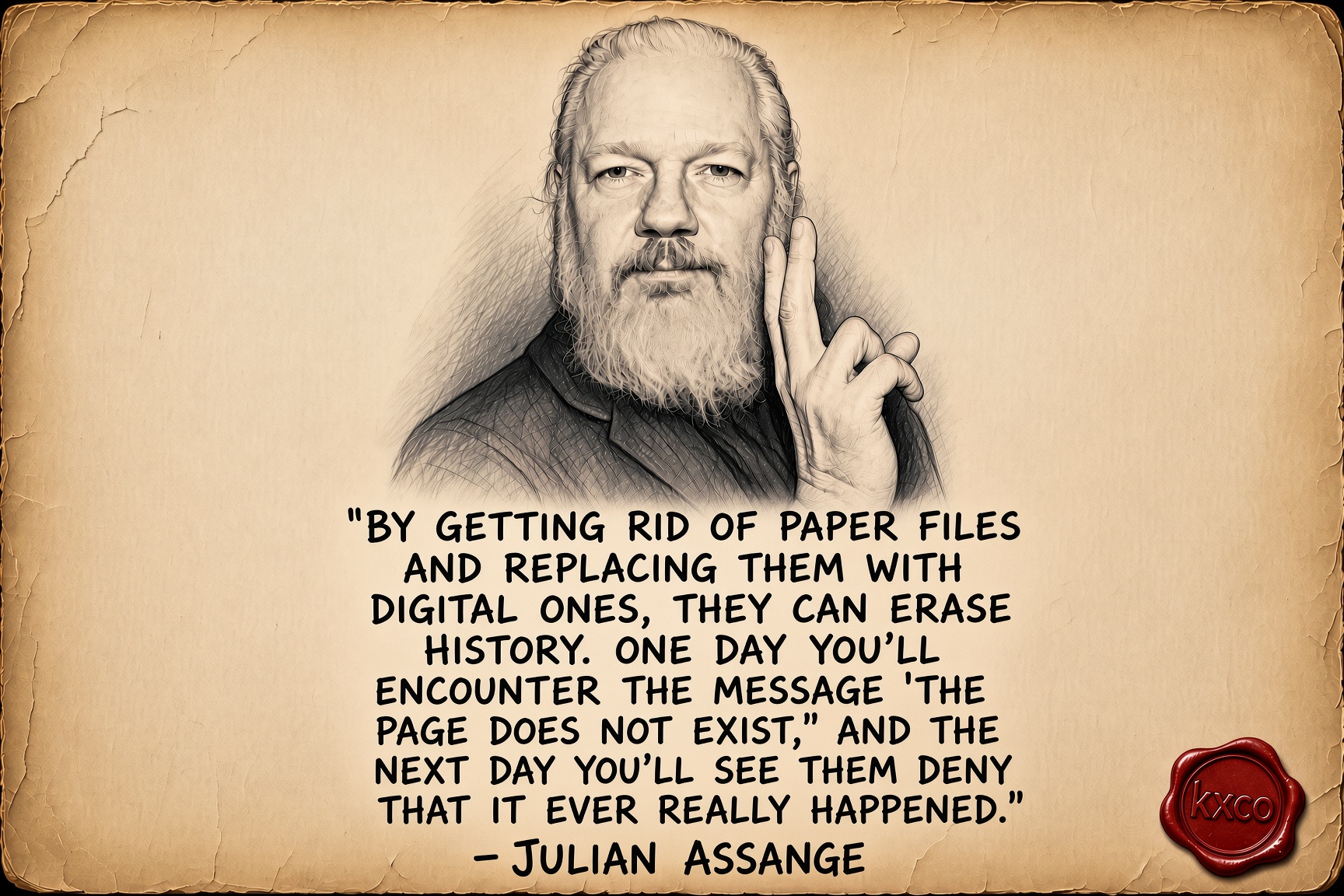
Digital Erasure, and Why KXCO Matters
Pew found 38 percent of 2013's web pages gone a decade later, and quantum computing will eventually let attackers forge the signatures that prove records authentic. Why durable history now depends on post-quantum cryptography, on-chain anchoring and verification that needs nobody's permission.

Economic Calendar and Trading Strategies for the Week Ahead: July 20–24, 2026
A pivotal week for markets: Iran's closure of the Strait of Hormuz sends crude above $86 and gasoline over $5, while Alphabet, Tesla and Intel earnings test the AI trade. Full economic calendar plus trading strategies across oil, gold, Bitcoin, FX and AI chip stocks.
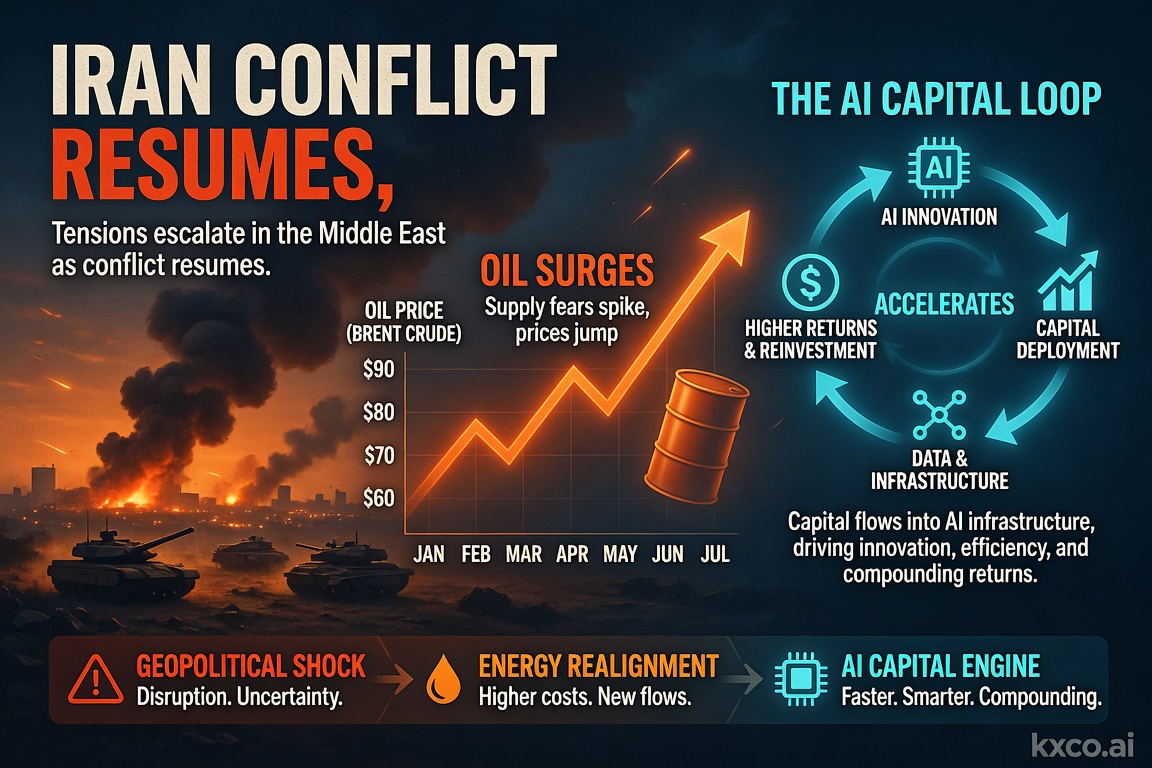
Economic Calendar and Trading Strategies for the Week Ahead: July 14–18, 2026
A pivotal week for markets: US strikes on Iran reignite the oil risk premium, June CPI and retail sales test the Fed's rate-cut path, and the $1 trillion AI capital loop keeps driving the tech trade. Full economic calendar plus trading strategies across oil, gold, Bitcoin, FX and AI stocks.
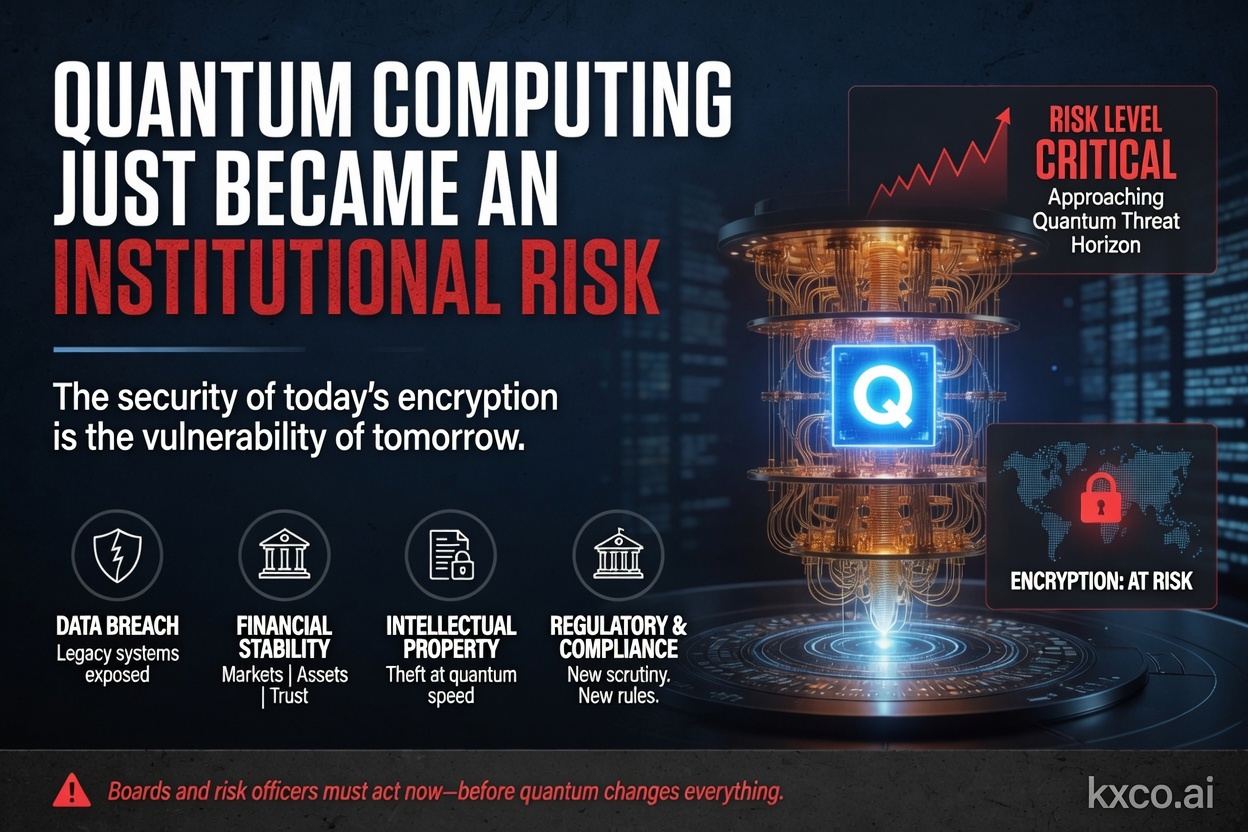
Quantum Computing Just Became an Institutional Risk
Shayne Heffernan on BlackRock's quantum-computing warning for Bitcoin and Ethereum, Google's cryptanalysis research, the two on-chain risk vectors, and how KXCO's Armature L1 — post-quantum from genesis, coordinated by its ontology — answers a threat that just went institutional.
Every story, signed and delivered.
Subscribe to the kxco channel and get the headline, the AI-written key takeaways, and the chain-anchor link the moment we publish. Audio versions and per-ticker subscriptions arrive in the next iteration.