
The NFT Market Opening Up with Fiat Currency
#NFT #ether #Ethereum #knights #knightsbridge#cryptocurrency #fiat #blockchain #art #collectibles #money #buying#payment
"Since their dawning in Y 2015, NFTs have developed rapidly, disrupting the art world and other industries, while raking in a significant amounts of money..." --Paul Ebeling
NFTs allow you to buy and sell ownership of unique digital items such as drawings, GIFs, memes, songs, collectibles +, while keeping track of who owns them using blockchain.
So far, Ether has been the most often utilized cryptocurrency for transacting NFTs, owing to its dual role as the native asset for the Ethereum blockchain platform that hosts the vast majority of decentralized applications and NFTs.
Investors and professionals within the crypto and NFT spaces have thrown their support behind the inclusion of fiat currency, such as USDs, as an alternative payment method in NFT marketplaces.
This means more mainstream adoption, given that such an industry move is capable of steering interest mostly from the traditional market, the majority of whose participants prefer to use fiat (paper) over any cryptocurrency.
Global payments company Mastercard recently sealed a deal with Coinbase, which will see customers use Mastercard credit and debit cards to make purchases on the crypto exchange’s upcoming NFT marketplace. Coinbase understands that introducing fiat into the system will reduce friction in the NFT buying process.
Now, the use of fiat currency within the NFT marketplaces will break away the segmentation between those who are crypto inclined and those who are not.
Prior, users who were not crypto-inclined were not much involved in NFT marketplaces, but with the latest development, things will begin to take a new turn, and bridge the gap for traditional investors.
Have a healthy, prosperous weekend, Keep the Faith!
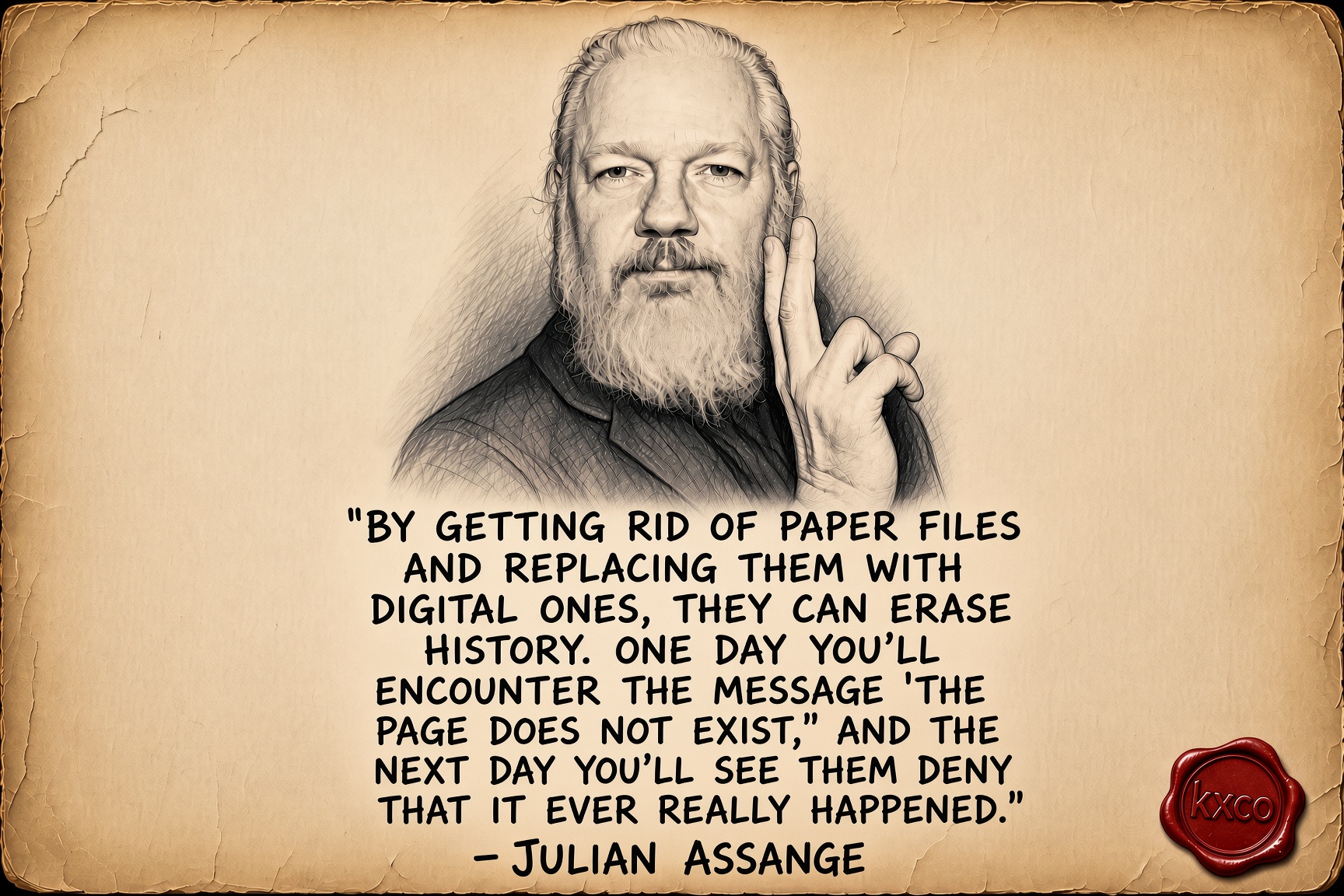
Digital Erasure, and Why KXCO Matters
Pew found 38 percent of 2013's web pages gone a decade later, and quantum computing will eventually let attackers forge the signatures that prove records authentic. Why durable history now depends on post-quantum cryptography, on-chain anchoring and verification that needs nobody's permission.
Economic Calendar and Trading Strategies for the Week Ahead: July 20–24, 2026
A pivotal week for markets: Iran's closure of the Strait of Hormuz sends crude above $86 and gasoline over $5, while Alphabet, Tesla and Intel earnings test the AI trade. Full economic calendar plus trading strategies across oil, gold, Bitcoin, FX and AI chip stocks.
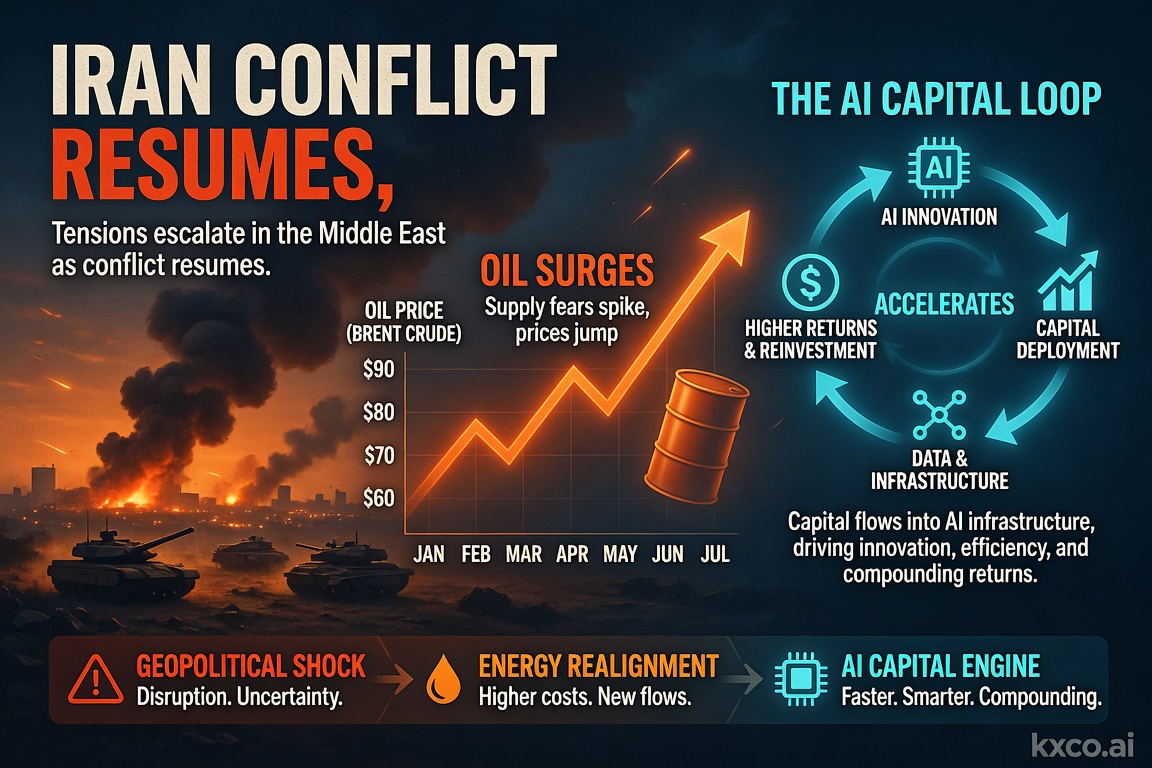
Economic Calendar and Trading Strategies for the Week Ahead: July 14–18, 2026
A pivotal week for markets: US strikes on Iran reignite the oil risk premium, June CPI and retail sales test the Fed's rate-cut path, and the $1 trillion AI capital loop keeps driving the tech trade. Full economic calendar plus trading strategies across oil, gold, Bitcoin, FX and AI stocks.
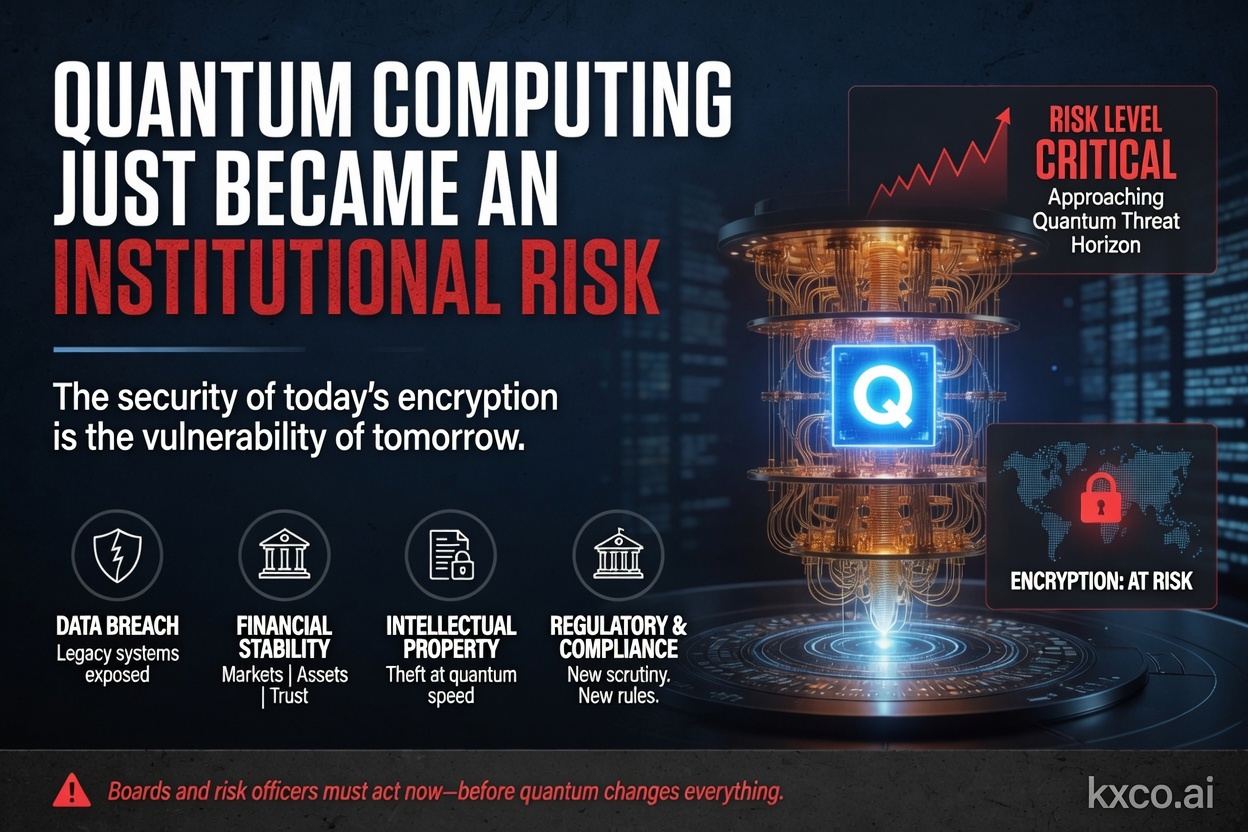
Quantum Computing Just Became an Institutional Risk
Shayne Heffernan on BlackRock's quantum-computing warning for Bitcoin and Ethereum, Google's cryptanalysis research, the two on-chain risk vectors, and how KXCO's Armature L1 — post-quantum from genesis, coordinated by its ontology — answers a threat that just went institutional.
Every story, signed and delivered.
Subscribe to the kxco channel and get the headline, the AI-written key takeaways, and the chain-anchor link the moment we publish. Audio versions and per-ticker subscriptions arrive in the next iteration.