
The history of Tiffany Blue
The history of Tiffany Blue can be traced back to 1845, when Charles Lewis Tiffany, the founder of Tiffany & Co., chose the color for the cover of the company's first Blue Book, a catalog of its exquisite jewelry.
Tiffany was inspired by the color of robin's egg blue, which he found to be both elegant and timeless. He also believed that the color would help to distinguish Tiffany & Co. from other jewelers of the time.

Tiffany Blue quickly became associated with the brand, and it was used on everything from packaging to advertising. In 1878, Tiffany registered the color as a trademark, making it one of the first companies to do so.
Today, Tiffany Blue is one of the most recognizable brand colors in the world. It is associated with luxury, elegance, and sophistication. It is also a popular color for weddings and other special occasions.
The origin of the name "Tiffany Blue" is unknown, but there are a few theories. One theory is that the name was simply inspired by the color of the robin's egg blue. Another theory is that the name was chosen to distinguish the color from other shades of blue, such as sky blue or royal blue.
Whatever the origin of the name, Tiffany Blue has become an iconic color that is instantly recognizable around the world. It is a color that evokes feelings of luxury, elegance, and sophistication. It is also a color that is associated with special occasions and celebrations.
In addition to its use on packaging and advertising, Tiffany Blue is also used in the design of Tiffany & Co. stores. The company's flagship store on Fifth Avenue in New York City features a signature Tiffany Blue awning and blue walls. The color is also used in the design of Tiffany's jewelry, including its iconic engagement rings and wedding bands.
Tiffany Blue is a truly iconic color that has become synonymous with luxury, elegance, and sophistication. It is a color that is loved by people all over the world.
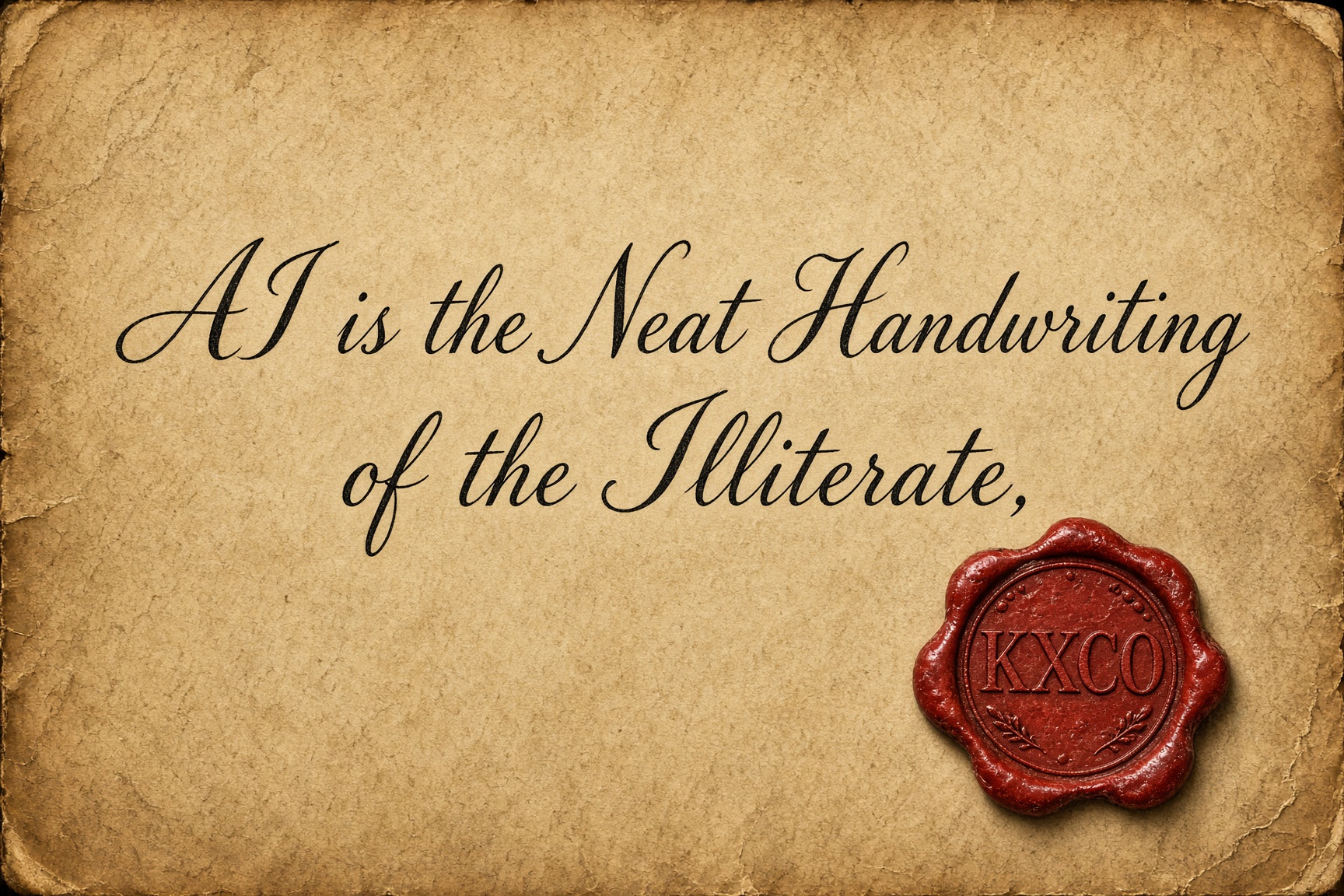
AI is the Neat Handwriting of the Illiterate
A model in the hands of someone who has read the filing and walked the plant is a clerk. The same model, speaking for someone who has done neither, is a disguise. On AI slop, phantom citations and factslop, why finish stopped being evidence of work, and the containment layer KXCO built so a machine cannot speak as the institution until a source is attached.
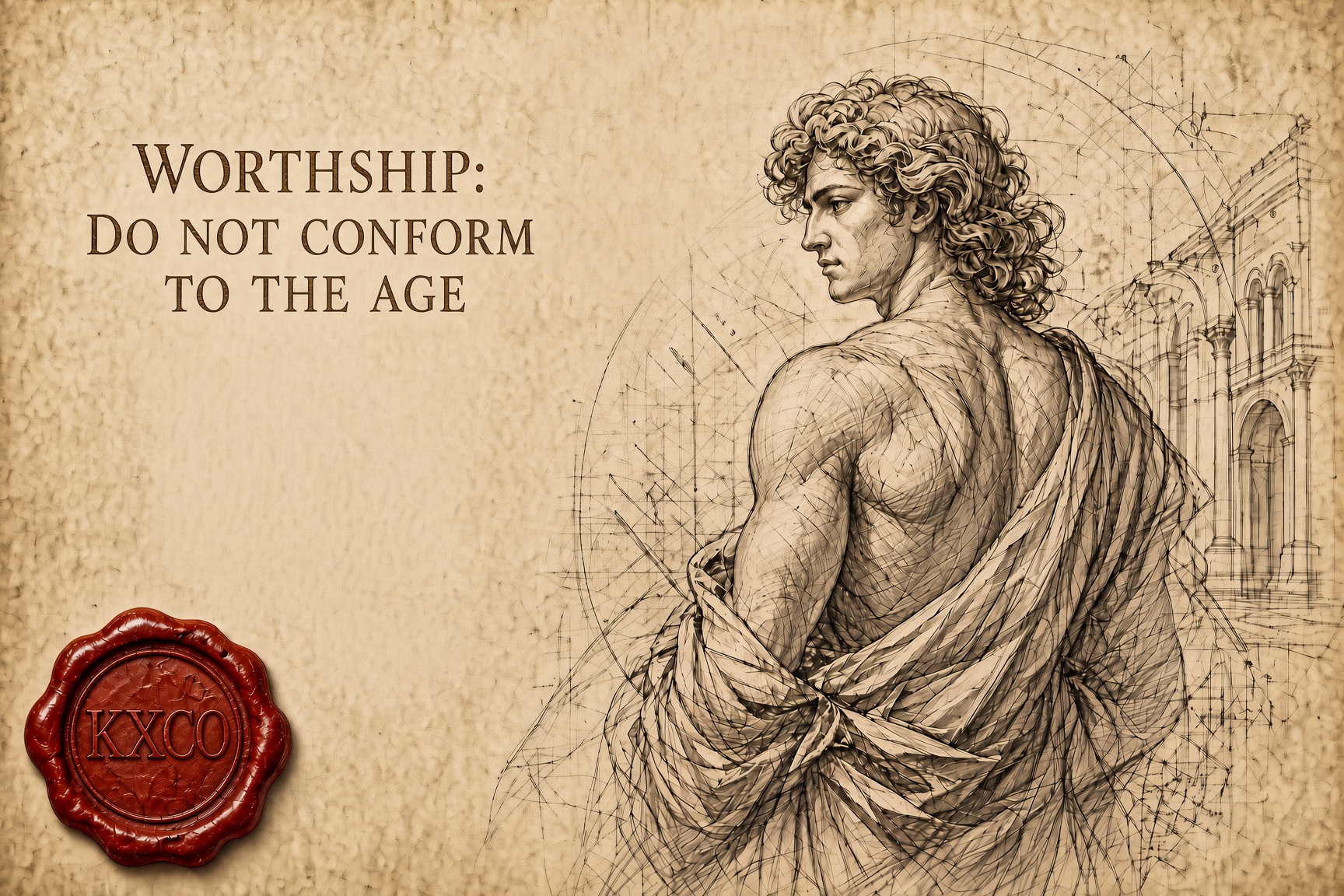
Worthship: Do Not Conform to the Age
Worthship is the older English word for worship, and it means to ascribe worth. Bishop Robert Barron preached Romans 12 on 30 August. This essay follows the text into the prison letters, and puts two questions to a graph: do the four readings of that Sunday agree, and was Paul free or in chains when he wrote about despair?
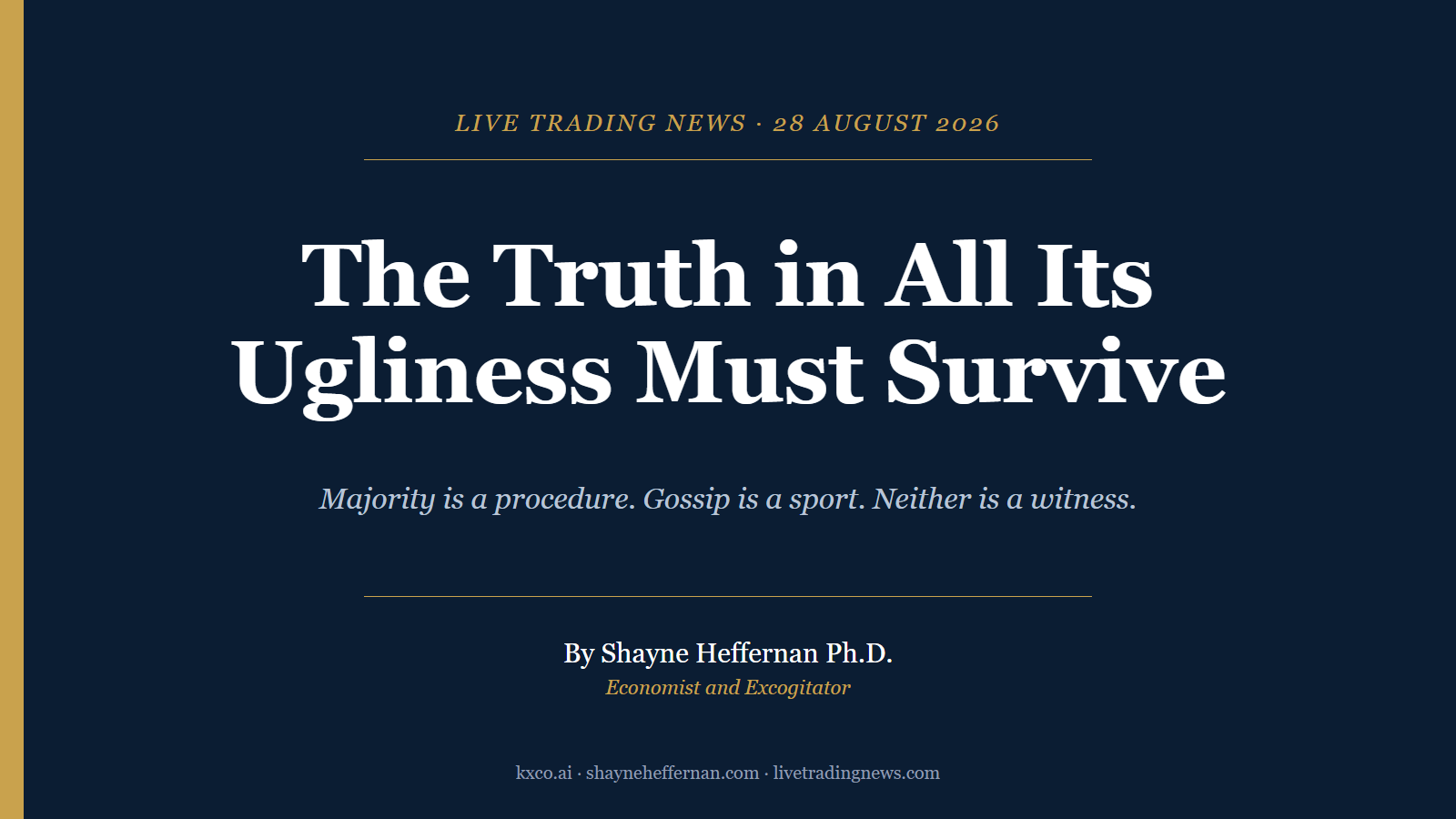
The Truth in All Its Ugliness Must Survive
A majority vote does not determine the truth. Consensus is a mood, gossip is a sport, and a model will write the pretty version for free. Why the ugly number has to survive, why a record beats a dashboard, and what KXCO was built to keep standing when the room changes its mind.

Don't Be the Best, Be the Only: Winning in an AI World
AI is repricing competence downward. What it cannot reproduce is a life. The case for remaining non-fungible, why friction still produces the best ideas, and what it means to build AI systems that keep the human intellect in them.
Every story, signed and delivered.
Subscribe to the kxco channel and get the headline, the AI-written key takeaways, and the chain-anchor link the moment we publish. Audio versions and per-ticker subscriptions arrive in the next iteration.