
The Bull Hancock Rule and this Years Australian Sires
This rule states that when choosing a stallion, horses with limited starts—especially those retired as 2 or 3 year olds—should be handled cautiously, if not completely disregarded.
It might be difficult to determine the true talent and potential of horses that were retired at an early age because they usually have limited racing experience.
According to the Bull Hancock rule, stallions with long racing careers that show resilience, soundness, and performance on the track should be given preference over those with shorter, less established resumes.
The Bull Hancock rule, so named in honor of the great American breeder Arthur "Bull" Hancock, places emphasis on choosing stallions not just on potential but also on their track record of racing and breeding success.
This rule states that when choosing a stallion, horses with limited starts—especially those retired as 2 or 3 year olds—should be handled cautiously, if not completely disregarded.
It might be difficult to determine the true talent and potential of horses that were retired at an early age because they usually have limited racing experience.
According to the Bull Hancock rule, stallions with long racing careers that show resilience, soundness, and performance on the track should be given preference over those with shorter, less established resumes.
Premature retirement of stallions may have prevented them from exhibiting their full potential or from acquiring the skills needed to be successful sires, but it could also mean they are injury prone or have weak constitutions.
Breeders confront more uncertainty over the stallion's genetic contributions to subsequent generations in the absence of a strong racing record to assess.
Breeders try to reduce risks and increase the probability of producing racehorses that succeed by following the Bull Hancock rule. In order to increase the likelihood of generating high-quality offspring with desired racing features, they give preference to stallions that have demonstrated longevity, performance, and consistency on the racetrack.
The Bull Hancock rule, a guiding principle in Thoroughbred breeding, emphasizes selecting stallions based on their proven racing and breeding performance rather than pedigree or potential. Here's an outline of the key points of the Bull Hancock rule:
Prioritize Stallions with Extensive Racing Careers: Focus on stallions with robust and successful racing careers, preferably with multiple seasons of racing. Give preference to horses that have demonstrated durability, soundness, and consistency on the racetrack.
Beware of Stallions Retired Early: Exercise caution when considering stallions retired prematurely, particularly those retired as 2 or 3-year-olds. Stallions retired at a young age may lack sufficient racing experience to accurately assess their potential as sires.
Evaluate Racing Performance: Assess a stallion's racing record, including factors such as wins, stakes performances, and race distances. Look for stallions that have competed against top-level competition and achieved notable successes on the racetrack.
Consider Pedigree in Conjunction with Racing Performance: While pedigree is important, prioritize racing performance over lineage when selecting stallions. Look for stallions with pedigrees that complement their racing abilities and enhance the likelihood of producing successful offspring.
Aim for Consistency and Soundness: Seek stallions known for their consistency in performance and soundness throughout their racing careers. Avoid stallions with a history of injuries or health issues that may impact their ability to produce sound progeny.
Optimize Breeding Decisions for Success: By adhering to the Bull Hancock rule, breeders aim to increase the likelihood of producing quality racehorses with desirable racing traits. Selecting stallions based on proven racing and breeding performance helps mitigate risks and enhance the overall success of breeding programs.

AI is the Neat Handwriting of the Illiterate
A model in the hands of someone who has read the filing and walked the plant is a clerk. The same model, speaking for someone who has done neither, is a disguise. On AI slop, phantom citations and factslop, why finish stopped being evidence of work, and the containment layer KXCO built so a machine cannot speak as the institution until a source is attached.
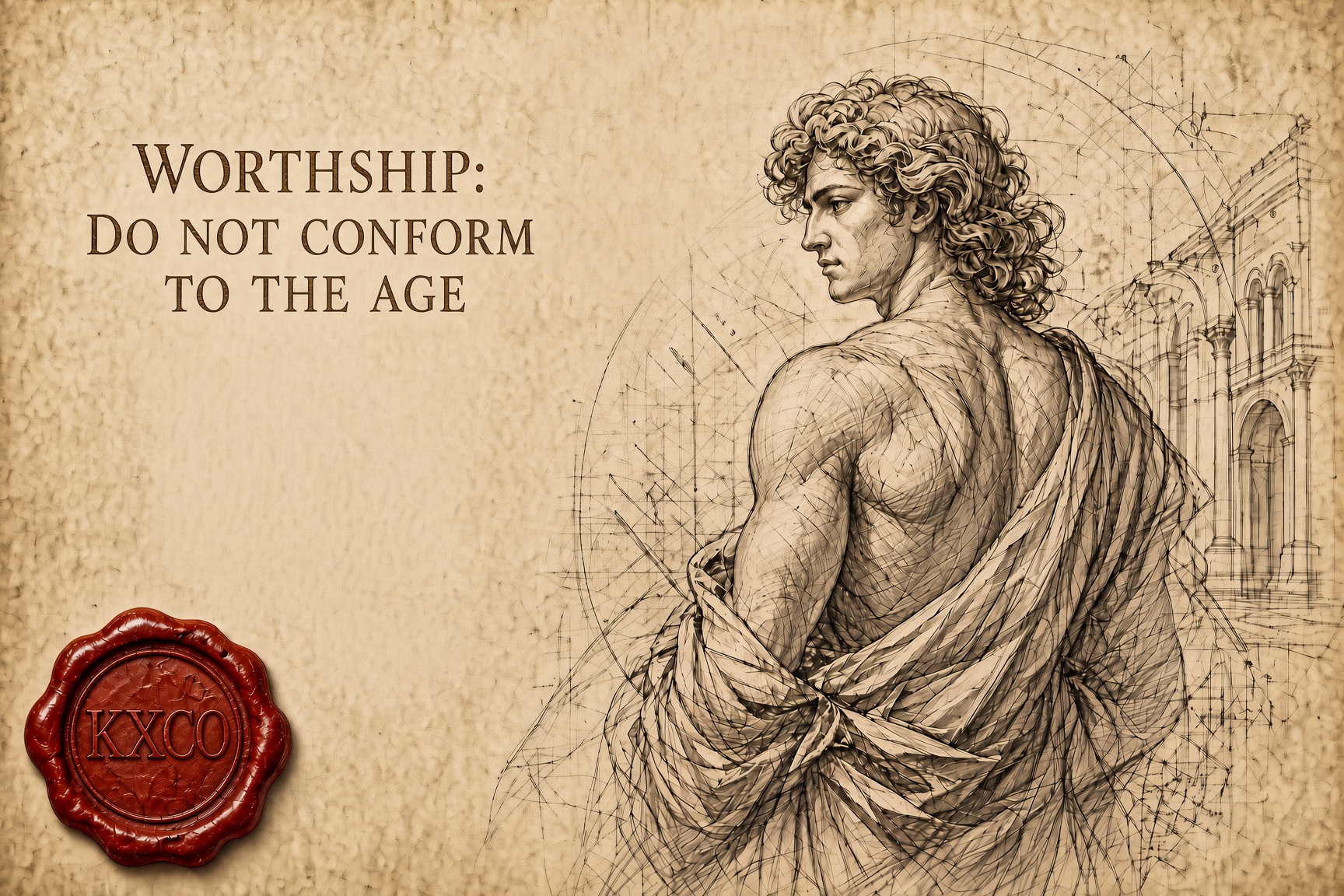
Worthship: Do Not Conform to the Age
Worthship is the older English word for worship, and it means to ascribe worth. Bishop Robert Barron preached Romans 12 on 30 August. This essay follows the text into the prison letters, and puts two questions to a graph: do the four readings of that Sunday agree, and was Paul free or in chains when he wrote about despair?
The Truth in All Its Ugliness Must Survive
A majority vote does not determine the truth. Consensus is a mood, gossip is a sport, and a model will write the pretty version for free. Why the ugly number has to survive, why a record beats a dashboard, and what KXCO was built to keep standing when the room changes its mind.

Don't Be the Best, Be the Only: Winning in an AI World
AI is repricing competence downward. What it cannot reproduce is a life. The case for remaining non-fungible, why friction still produces the best ideas, and what it means to build AI systems that keep the human intellect in them.
Every story, signed and delivered.
Subscribe to the kxco channel and get the headline, the AI-written key takeaways, and the chain-anchor link the moment we publish. Audio versions and per-ticker subscriptions arrive in the next iteration.