
The Benefits of Taking a Break to Look at Fine Art
Fine art can be a source of great joy and inspiration. It can also have a number of benefits for our mental and physical health.
Here are some of the benefits of taking a break to look at fine art:
Reduces stress: Studies have shown that looking at art can help to reduce stress levels. This is because art can help us to relax and escape from the stresses of everyday life.
Improves mood: Art can also improve our mood. This is because art can evoke positive emotions such as happiness, joy, and wonder.
Boosts creativity: Art can also boost our creativity. This is because art can help us to see the world in new ways and to come up with new ideas.
Improves focus: Looking at art can help us to improve our focus. This is because art requires us to pay attention to detail and to concentrate on the present moment.
Reduces pain: Studies have shown that looking at art can help to reduce pain. This is because art can help us to distract ourselves from pain and to focus on something else.
Improves sleep: Looking at art before bed can help us to improve our sleep. This is because art can help us to relax and to clear our minds of worries.
If you are feeling stressed, anxious, or depressed, taking a break to look at art can be a great way to improve your mood and your overall well-being. So next time you are feeling overwhelmed, take a few minutes to visit a museum or gallery and see how art can work its magic.
In addition to the benefits listed above, art can also help us to connect with others, to learn about different cultures, and to appreciate the beauty of the world around us. So next time you are looking for a way to relax, de-stress, or simply be inspired, take a break to look at some fine art. You won't be disappointed.
AI is the Neat Handwriting of the Illiterate
A model in the hands of someone who has read the filing and walked the plant is a clerk. The same model, speaking for someone who has done neither, is a disguise. On AI slop, phantom citations and factslop, why finish stopped being evidence of work, and the containment layer KXCO built so a machine cannot speak as the institution until a source is attached.
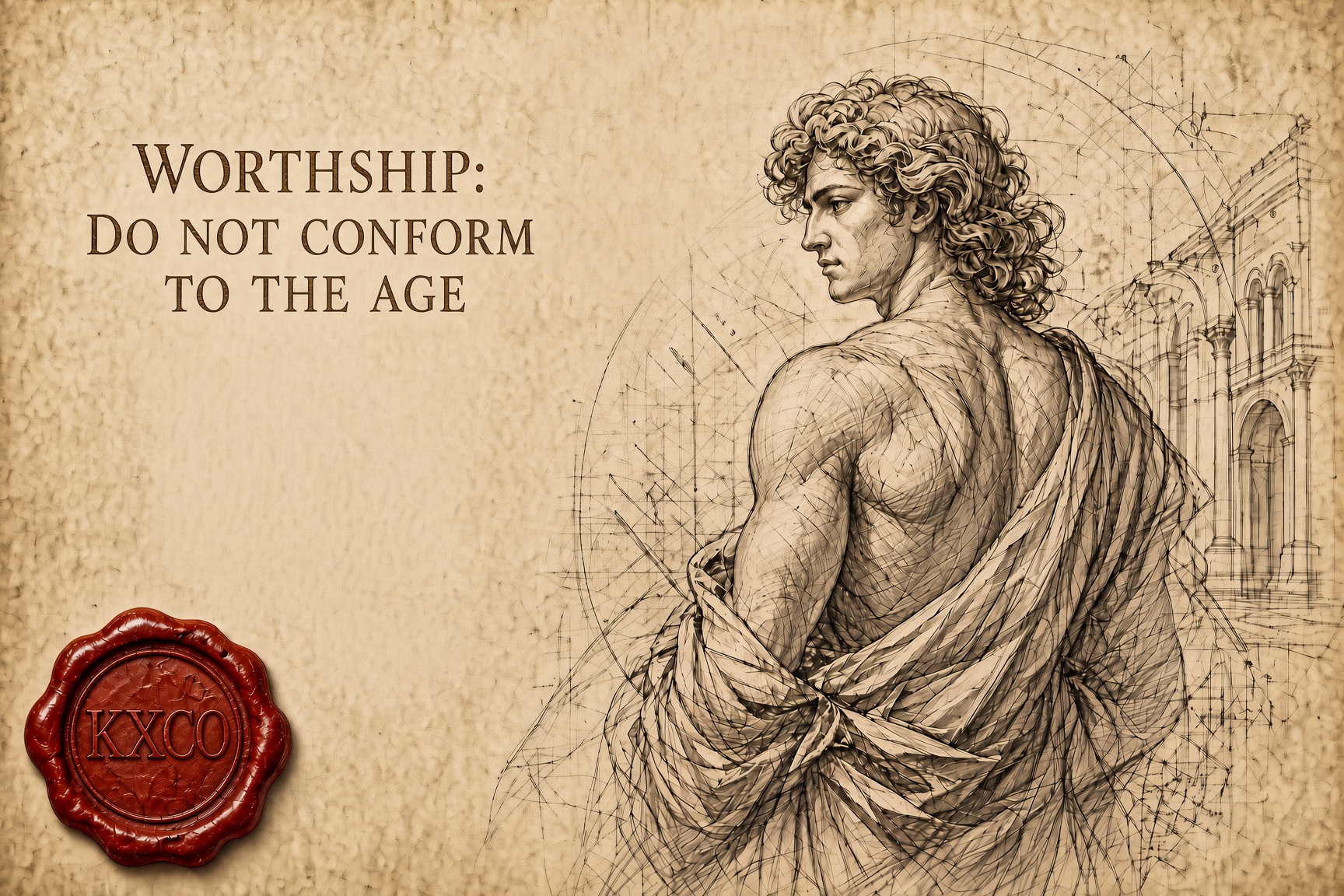
Worthship: Do Not Conform to the Age
Worthship is the older English word for worship, and it means to ascribe worth. Bishop Robert Barron preached Romans 12 on 30 August. This essay follows the text into the prison letters, and puts two questions to a graph: do the four readings of that Sunday agree, and was Paul free or in chains when he wrote about despair?
The Truth in All Its Ugliness Must Survive
A majority vote does not determine the truth. Consensus is a mood, gossip is a sport, and a model will write the pretty version for free. Why the ugly number has to survive, why a record beats a dashboard, and what KXCO was built to keep standing when the room changes its mind.
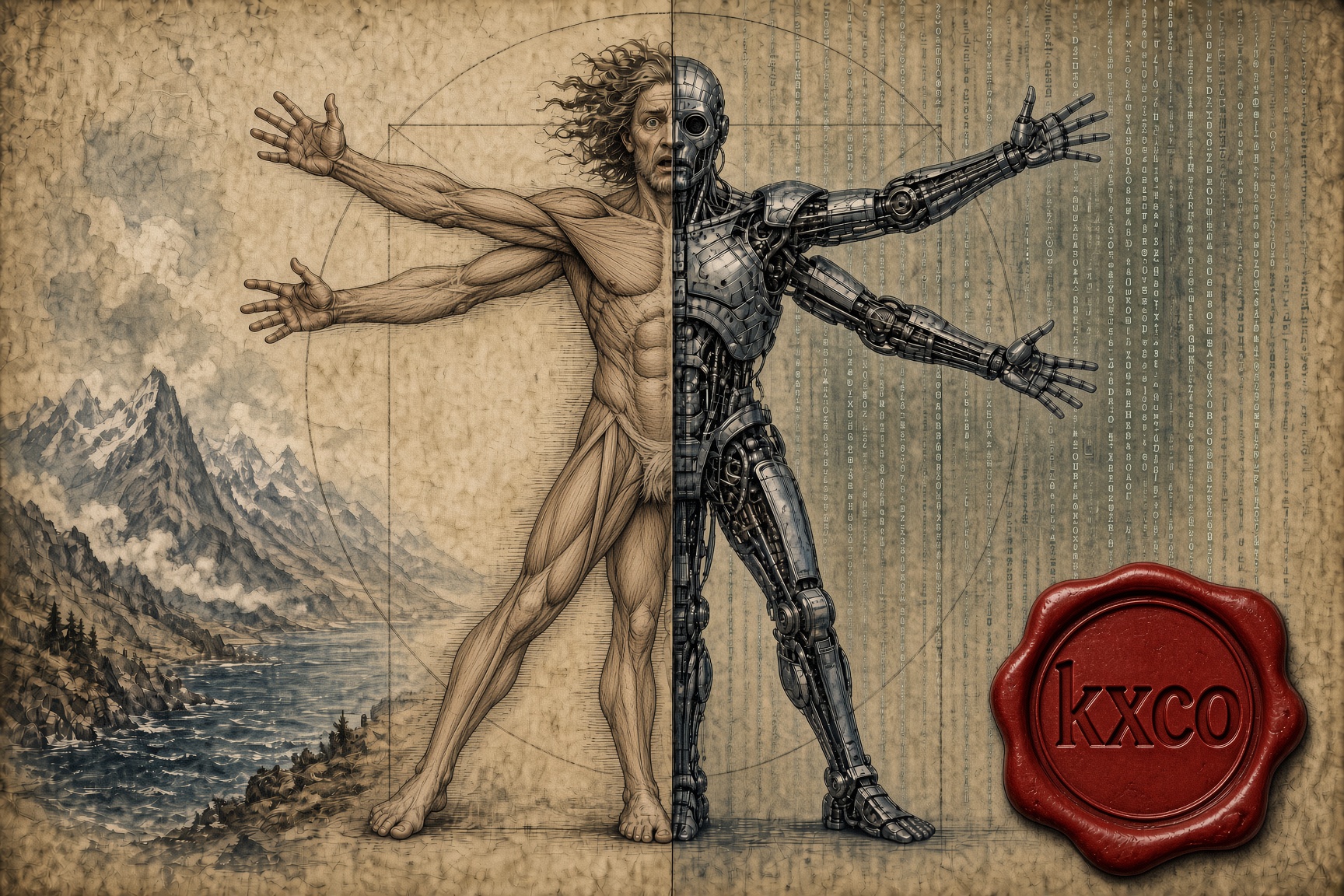
Don't Be the Best, Be the Only: Winning in an AI World
AI is repricing competence downward. What it cannot reproduce is a life. The case for remaining non-fungible, why friction still produces the best ideas, and what it means to build AI systems that keep the human intellect in them.
Every story, signed and delivered.
Subscribe to the kxco channel and get the headline, the AI-written key takeaways, and the chain-anchor link the moment we publish. Audio versions and per-ticker subscriptions arrive in the next iteration.