
Tesla is a Buy
Tesla's Soaring Sales: A Revolution in the Electric Vehicle Market
Over the past decade, Tesla has emerged as a leader in the electric vehicle (EV) market, with its innovative technology, cutting-edge designs, and commitment to sustainability. With its mission to accelerate the world's transition to sustainable energy, Tesla has not only captured the attention of EV enthusiasts but has also gained traction among mainstream consumers. As a result, Tesla's sales have skyrocketed, signaling a revolution in the EV market.
One of the key factors driving Tesla's impressive sales growth is its relentless pursuit of technological advancements. Tesla's vehicles are known for their exceptional performance, long-range capabilities, and state-of-the-art autonomous driving features. The company's Model S, Model 3, Model X, and Model Y have set new benchmarks for EVs in terms of speed, acceleration, and range, with some models offering over 400 miles of electric range on a single charge. This has addressed one of the major concerns of potential EV buyers - range anxiety - and has made Tesla's vehicles a viable option for everyday use.

In addition to its technological prowess, Tesla has also built a strong and loyal customer base through its focus on customer experience. The company's direct-to-consumer sales model, which bypasses traditional dealership networks, has allowed it to have greater control over the sales process, resulting in a seamless and personalized buying experience for customers. Tesla's dedication to customer satisfaction, including its robust after-sales service, has helped it establish a loyal customer base that often recommends the brand to others.
Another significant factor in Tesla's sales success has been its visionary leadership under the guidance of CEO Elon Musk. Musk's ambitious vision for a sustainable future and his relentless pursuit of innovation have fueled Tesla's growth and captured the imagination of consumers. Musk's ability to set audacious goals, such as achieving fully autonomous driving, building a global charging network, and colonizing Mars, has created a sense of excitement and anticipation around the brand, drawing in new customers and investors alike.
Tesla's commitment to sustainability and environmental consciousness has resonated with consumers who are increasingly concerned about climate change and carbon emissions. Tesla's EVs produce zero tailpipe emissions and require less maintenance compared to traditional internal combustion engine vehicles, making them a greener and more sustainable transportation option. As more consumers prioritize eco-friendly choices, Tesla's brand appeal and sales have benefitted from this growing demand for sustainable transportation solutions.
The global sales figures of Tesla's EVs speak volumes about its success. In 2021, Tesla delivered a record-breaking 908,000 vehicles, more than double its previous highest annual delivery number. This remarkable feat has made Tesla the world's leading EV manufacturer by volume. The company's Model 3 has become the best-selling EV in the world, surpassing the previous leader, the Nissan Leaf. Tesla's Model Y, which was launched in 2020, has also gained significant traction, becoming one of the best-selling EVs in its segment.
Tesla's sales success is not limited to any specific region. While the United States remains its largest market, the company has been expanding its presence globally, with a strong foothold in Europe, China, and other markets. Tesla's Gigafactories, which are large-scale manufacturing facilities for EVs and batteries, have been strategically located in various countries to cater to local demand and reduce production costs. This localization strategy has helped Tesla gain a competitive edge in different markets and further boost its sales.
Tesla's sales success has also had a ripple effect on the broader EV market. As Tesla has pushed the boundaries of EV technology and expanded its sales, other automakers have been forced to step up their EV offerings to remain competitive.

AI is the Neat Handwriting of the Illiterate
A model in the hands of someone who has read the filing and walked the plant is a clerk. The same model, speaking for someone who has done neither, is a disguise. On AI slop, phantom citations and factslop, why finish stopped being evidence of work, and the containment layer KXCO built so a machine cannot speak as the institution until a source is attached.
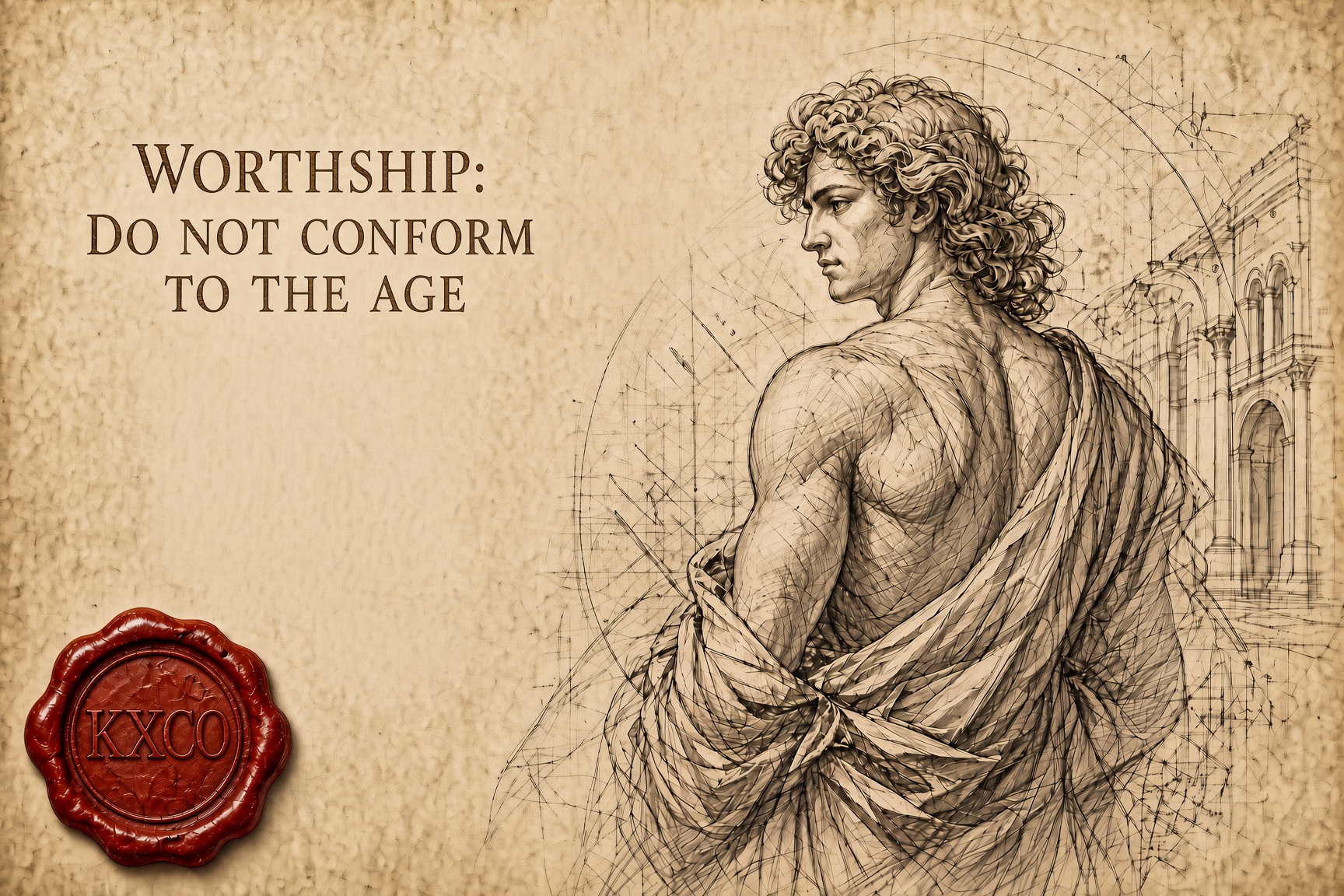
Worthship: Do Not Conform to the Age
Worthship is the older English word for worship, and it means to ascribe worth. Bishop Robert Barron preached Romans 12 on 30 August. This essay follows the text into the prison letters, and puts two questions to a graph: do the four readings of that Sunday agree, and was Paul free or in chains when he wrote about despair?
The Truth in All Its Ugliness Must Survive
A majority vote does not determine the truth. Consensus is a mood, gossip is a sport, and a model will write the pretty version for free. Why the ugly number has to survive, why a record beats a dashboard, and what KXCO was built to keep standing when the room changes its mind.

Don't Be the Best, Be the Only: Winning in an AI World
AI is repricing competence downward. What it cannot reproduce is a life. The case for remaining non-fungible, why friction still produces the best ideas, and what it means to build AI systems that keep the human intellect in them.
Every story, signed and delivered.
Subscribe to the kxco channel and get the headline, the AI-written key takeaways, and the chain-anchor link the moment we publish. Audio versions and per-ticker subscriptions arrive in the next iteration.