
Sotheby’s offer collection of Sir Peter Ustinov
An Oscar-winning actor, a playwright, a raconteur, a wit, a diplomat, and a humanitarian: Sir Peter Ustinov (1921-2004) was all these things and so much more. Over the course of a long and distinguished life lived to the full, he had many faces, both public and private. Passing away at the age of eighty-two almost twenty years ago, he bestowed to the world many accomplishments, captured both on film and the written page.
This summer, Sotheby’s will offer the private collection of Sir Peter Ustinov across two auctions in Paris, led by a live sale on 6 July, with two sessions that will stand as distinct tributes to the Benois legacy and to Sir Peter. A further online auction will run alongside, open for bidding from 30 June to 7 July. Featuring property from his homes in France and Switzerland, the sales include artworks by Pierre-Auguste Renoir, Félix Vallotton, Natalia Goncharova, Alexandre and Nadia Benois, Zinaida Serebriakova (his mother’s cousin), and a selection of Old Master drawings, in addition to film memorabilia and annotated scripts.
The auction entirely consecrated to his collection will be held in two live sessions on 6 July and an online auction to conclude on 7 July.
On the 6th, a first session at 5 PM will pay homage to Nadia and Alexandre Benois, respectively his mother and great-uncle, through some fifty illustrations by the two prolific 20th-century artists.
At 6 PM that evening, a second session will be dedicated to the actor, aesthete and collector Sir Peter Ustinov. It will include his collection of artworks featuring artists such as Pierre-Auguste Renoir and Félix Vallotton, as well as memorabilia and souvenirs from his own life as a performer.
He amassed a vast collection of over 5,000 works of art, including paintings, sculptures, drawings, and decorative arts. His collection included works by some of the most famous artists of the 19th and 20th centuries, such as Pierre-Auguste Renoir, Félix Vallotton, Natalia Goncharova, and Alexandre and Nadia Benois.
Ustinov began collecting art in the early 1950s, and he continued to add to his collection throughout his life. He was particularly interested in collecting works by artists who were associated with the Russian avant-garde, such as the Benois family. Ustinov also had a strong interest in African art, and he acquired a number of important works from this region.
Ustinov's collection was not only aesthetically pleasing, but it also had a personal significance for him. He often said that his art collection was a way of "collecting memories" of the places he had been and the people he had met. He also believed that art could help people to understand each other better.
Ustinov's collection was auctioned off in 2004, after his death. The sale raised over $20 million, which was donated to a number of charities that were important to Ustinov.
Here are some of the highlights of Sir Peter Ustinov's art collection:
La Liseuse (The Reader), by Pierre-Auguste Renoir (1890)
The Dance, by Félix Vallotton (1906)
The Green Apple, by Natalia Goncharova (1911)
The Bathers, by Alexandre Benois (1910)
Portrait of Zinaida Serebriakova, by Zinaida Serebriakova (1900)
These are just a few of the many beautiful and important works of art that were included in Sir Peter Ustinov's collection. His collection was a testament to his love of art and his passion for collecting.
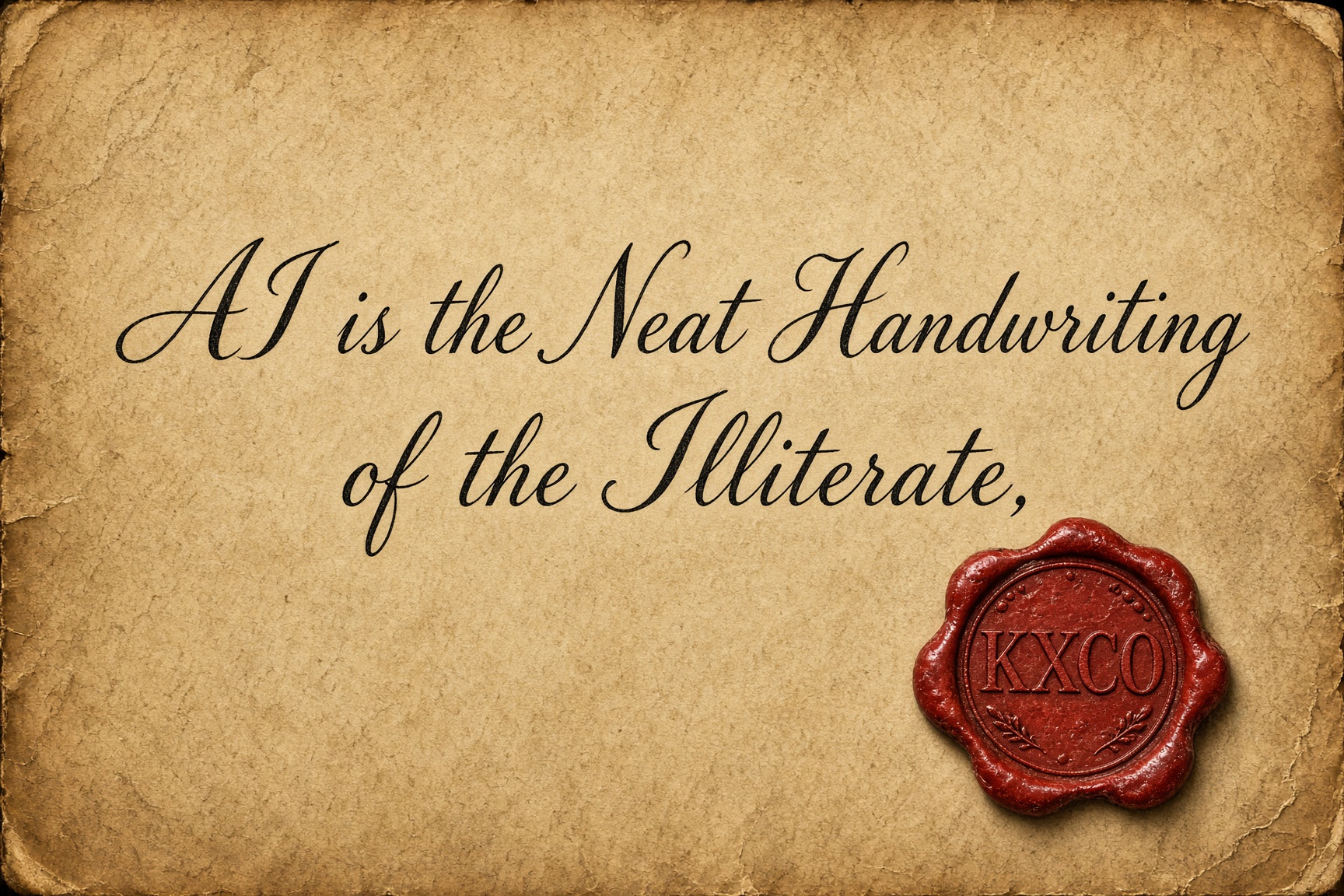
AI is the Neat Handwriting of the Illiterate
A model in the hands of someone who has read the filing and walked the plant is a clerk. The same model, speaking for someone who has done neither, is a disguise. On AI slop, phantom citations and factslop, why finish stopped being evidence of work, and the containment layer KXCO built so a machine cannot speak as the institution until a source is attached.
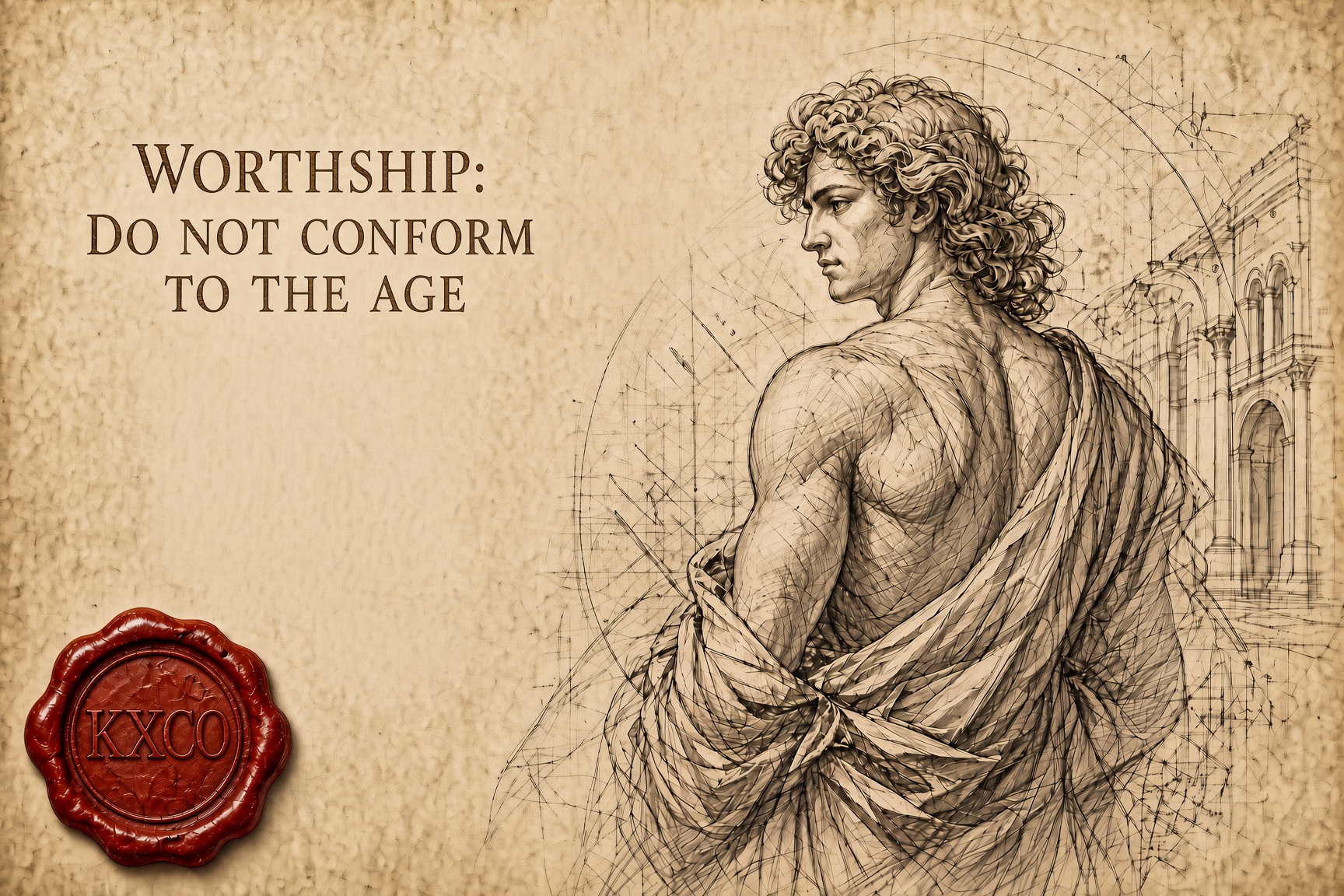
Worthship: Do Not Conform to the Age
Worthship is the older English word for worship, and it means to ascribe worth. Bishop Robert Barron preached Romans 12 on 30 August. This essay follows the text into the prison letters, and puts two questions to a graph: do the four readings of that Sunday agree, and was Paul free or in chains when he wrote about despair?
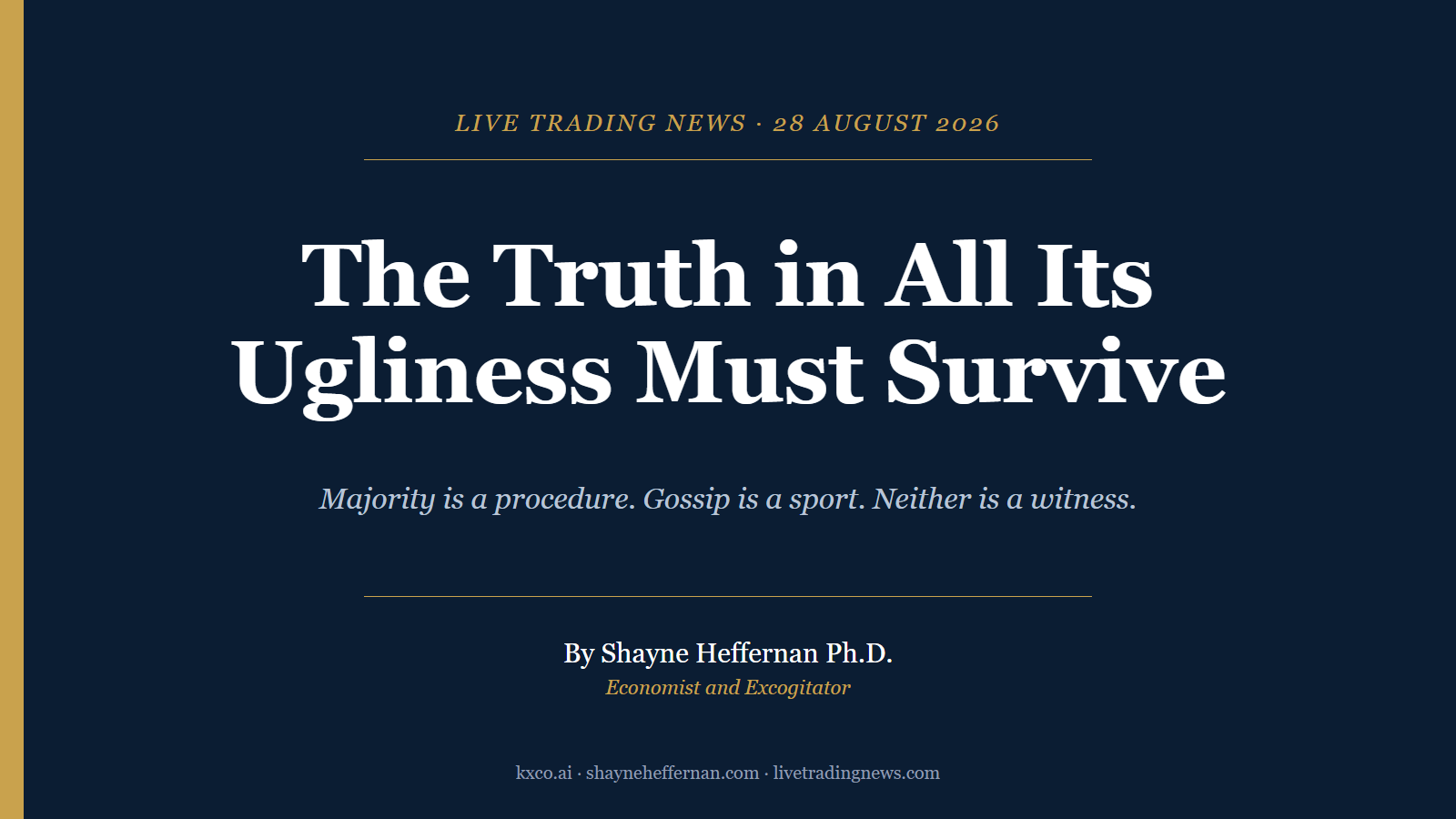
The Truth in All Its Ugliness Must Survive
A majority vote does not determine the truth. Consensus is a mood, gossip is a sport, and a model will write the pretty version for free. Why the ugly number has to survive, why a record beats a dashboard, and what KXCO was built to keep standing when the room changes its mind.
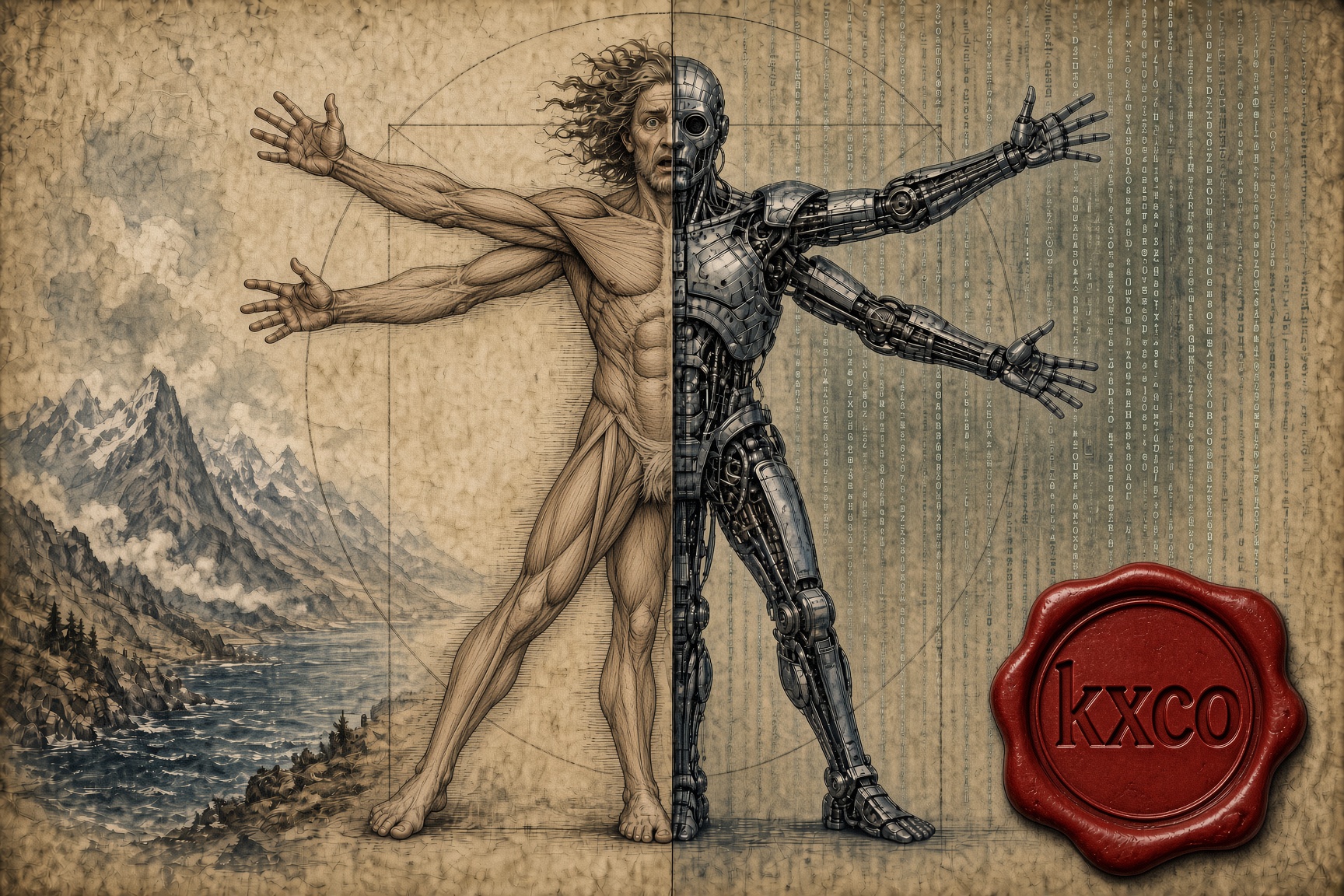
Don't Be the Best, Be the Only: Winning in an AI World
AI is repricing competence downward. What it cannot reproduce is a life. The case for remaining non-fungible, why friction still produces the best ideas, and what it means to build AI systems that keep the human intellect in them.
Every story, signed and delivered.
Subscribe to the kxco channel and get the headline, the AI-written key takeaways, and the chain-anchor link the moment we publish. Audio versions and per-ticker subscriptions arrive in the next iteration.