
Qatar Investment Authority (QIA): Comprehensive Analysis
Investment Performance, Strategy, and Adaptation Following the 2026 Iran Conflict
Part of theStocks Center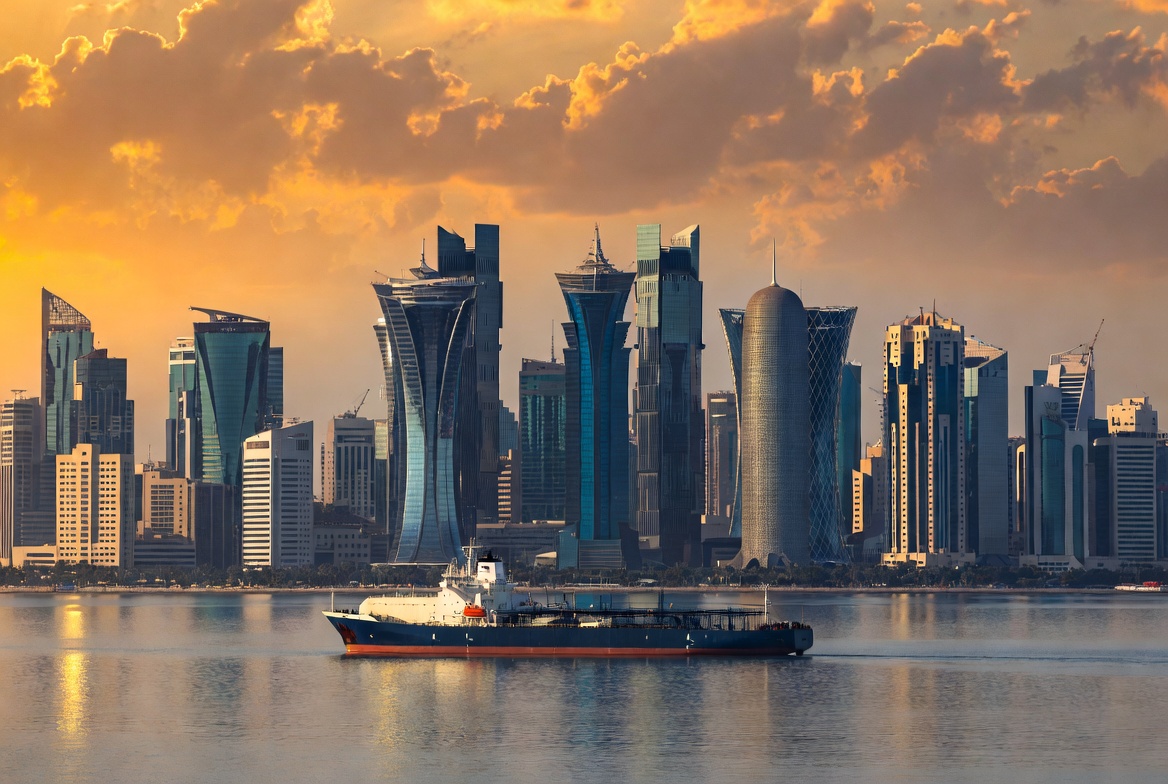
$VWAGY $VOW3 $SBRY $MMB $FLNC $IVN $COL $ESRT $GS $BN $BAM $GLEN $GLNCY $BCS
By Shayne Heffernan, Ph.D.
Qatar Investment Authority stands among the most consequential sovereign wealth funds operating today. With assets under management estimated near 600 billion dollars as of mid-2026, the fund manages surpluses generated by one of the world’s largest liquefied natural gas exporters. Its mandate reaches well beyond simple preservation of wealth. QIA exists to diversify Qatar’s economy, stabilize domestic conditions when needed, and deliver sustainable returns across generations.
The fund’s approach has always reflected a careful balance. On one side sits the reality of Qatar’s resource wealth and the revenues it produces. On the other lies a deliberate push into global markets, private companies, trophy real estate and sectors positioned for long-term structural change. That balance faced an abrupt test in early 2026 when conflict involving Iran produced direct strikes on Qatari energy infrastructure.
The damage at Ras Laffan, the heart of Qatar’s LNG operations, removed roughly 17 percent of liquefaction capacity for an extended period. Repairs are expected to stretch three to five years. Shipping routes through the Strait of Hormuz faced disruption. Force majeure notices went out on contracts. Growth forecasts for the Qatari economy were revised sharply lower. For QIA, the events did not merely register as market noise. They struck at the primary source of fresh capital the fund receives and forced a reassessment of how quickly and in which directions diversification must proceed.
This analysis examines QIA’s structure, investment philosophy, track record, major public market positions, flagship real estate and brand assets, and the concrete adjustments visible in its posture since the 2026 attacks. The picture that emerges is one of institutional resilience built over two decades, now operating under heightened pressure to accelerate moves already underway.
QIA was formally established in 2005 during the reign of Emir Hamad bin Khalifa Al Thani. Before that date, surplus management sat inside the Ministry of Finance with a relatively small team. The creation of a dedicated sovereign wealth fund marked a strategic decision to professionalize the handling of hydrocarbon revenues and to begin the long process of reducing dependence on energy price cycles.
The legal and governance framework places ultimate authority with the Supreme Council for Economic Affairs and Investment. Day-to-day leadership rests with a board chaired by Sheikh Bandar bin Mohammed bin Saoud Al-Thani and a chief executive, Mohammed Saif Al-Sowaidi. Decision-making remains centralized and closely tied to the highest levels of the Qatari state, a structure common among Gulf sovereign funds but one that requires careful navigation of both commercial and national priorities.
The stated mandate contains three interlocking elements. The first is the generation of strong, sustainable investment returns for future generations of Qataris. The second is active support for the development of a more competitive and diversified domestic economy. The third is the capacity to provide liquidity and stabilization during periods of economic stress. These pillars have guided capital allocation through multiple cycles, including the 2008 global financial crisis, the 2017-2021 Gulf blockade, and now the direct infrastructure damage of 2026.
QIA presents itself as a long-term investor prepared to accept volatility in pursuit of superior risk-adjusted outcomes. It maintains both a liquid securities capability that operates across global public markets and a direct investment platform focused on negotiated transactions, private equity style opportunities and large-scale real estate. Domestic investments often take the form of influential or controlling positions in leading Qatari companies outside the core energy sector, with the explicit goal of building institutional strength and transferring best practices in governance and operations.
Investment Philosophy and Portfolio Construction
QIA articulates five operating principles that shape every major allocation. It invests with a multi-decade horizon. It makes active decisions informed by fundamental views rather than defaulting to benchmarks. It maintains diversification across asset classes, sectors and geographies as a core risk control. It structures transactions flexibly, choosing the part of the capital structure that offers the best risk-adjusted return in each situation. And it seeks investments that deliver positive impact alongside financial returns, with sustainability considerations integrated into the process.
The reference portfolio approved by the board sets long-term return objectives while respecting liquidity and risk constraints. In practice this produces a meaningful allocation to alternatives. Real estate, infrastructure, private equity and direct negotiated deals sit alongside public equities and fixed income managed by the liquid securities team. Sector teams cover technology, media and telecoms, healthcare, financial institutions, retail and consumer businesses, and industrials and materials. Geographic reach is genuinely global, with particular depth in North America, Europe and selected Asian markets.
Partnerships form an important execution channel. Recent examples include an expanded relationship with Goldman Sachs Asset Management targeting 25 billion dollars in commitments and co-investments, continued collaboration with Brookfield on large-scale real estate, and other platform arrangements that allow QIA to deploy capital at scale while accessing specialized expertise. These structures also provide a degree of risk sharing and operational leverage.
Domestic investments receive explicit attention. QIA positions itself as an influential shareholder or owner in key Qatari companies, aiming to professionalize governance, improve performance and contribute to the broader goal of economic diversification spelled out in Qatar National Vision 2030. The fund’s role here blends commercial return expectations with a developmental mandate that distinguishes it from pure financial investors.
Performance Context and the Role of Hydrocarbon Revenues
QIA does not publish comprehensive external performance numbers in the manner of Norway’s Government Pension Fund Global. Internal reporting tracks returns by asset class, portfolio and benchmark on daily, monthly, quarterly and annual cycles, with oversight from the board and the Supreme Council. Public understanding of results therefore rests on AUM trends, disclosed transactions and occasional third-party estimates.
Assets under management reached approximately 600 billion dollars by May 2026 according to Sovereign Wealth Fund Institute data and contemporaneous reporting. Growth has been driven primarily by transfers of hydrocarbon surpluses, supplemented by investment returns. Periods of elevated energy prices, particularly after 2022, produced substantial inflows that funded both new deployments and the expansion of existing positions.
Public equity holdings have delivered mixed outcomes over time. Strategic stakes in companies such as Volkswagen produced long-term value but also generated significant mark-to-market volatility, notably during the 2015 emissions episode. Real estate and infrastructure assets have contributed more stable income streams and development upside. The overall portfolio’s tilt toward alternatives has supported higher long-term return expectations than a purely listed equity and bond allocation would have delivered, though at the cost of greater illiquidity and valuation uncertainty.
The 2026 Iran conflict introduced a new variable. Damage to Ras Laffan and associated export constraints reduced the flow of fresh surpluses into QIA for an extended period. Near-term AUM growth is therefore likely to moderate compared with the trajectory seen in the preceding years of strong LNG revenues. At the same time, the existing 600 billion dollar book continues to generate independent returns from its global holdings. That separation between domestic revenue generation and the performance of the invested portfolio is precisely the buffer the fund was designed to provide.
The 2026 Iran Conflict and Its Direct Consequences
The escalation that produced physical attacks on Qatari territory in 2026 represented a departure from previous patterns of regional tension. Strikes on Ras Laffan industrial city damaged liquefaction trains representing around 17 percent of national capacity. Repairs are projected to require three to five years for the most affected units. The concentration of export infrastructure in a relatively small geographic area created a single point of failure that became apparent under sustained pressure. Shipping through the Strait of Hormuz encountered selective restrictions and delays, further complicating the logistics of LNG delivery.
Economic forecasters responded with material downward revisions to Qatari and broader GCC growth expectations. The North Field expansion, intended to lift LNG production capacity from roughly 77 million tonnes to 142 million tonnes per annum by the end of the decade, faced both technical delays and heightened security considerations. Force majeure declarations affected contractual obligations. Spot LNG prices in key Asian and European markets rose sharply during the period of greatest uncertainty.
For QIA the implications extend beyond the immediate revenue shortfall. The fund’s primary source of new capital experienced a structural interruption. Domestic stabilization responsibilities gained urgency. At the same time, the global portfolio’s diversification across stable developed markets, income-producing real estate, infrastructure cash flows and strategic equity positions provided a degree of insulation that purely domestic wealth vehicles could not have matched. The events therefore served as both a stress test and a catalyst for accelerating diversification measures already in progress.
By mid-June 2026, reports indicated that partial production restarts were underway following ceasefire understandings and arrangements for safe passage. Capacity recovery to 50 percent within a month and 80 percent within two months was discussed in some operational updates. Even with these steps, the multi-year repair timeline for fully damaged units and the broader questions raised about infrastructure concentration and chokepoint exposure remain live issues for Qatari economic planning and for QIA’s capital allocation framework.
Strategic Public Equity Positions
QIA’s liquid securities platform manages exposure across global public equity and fixed income markets. In addition, the fund maintains a number of concentrated, strategically important stakes in listed companies where it can act as a significant shareholder. These positions are typically the result of negotiated entry points rather than passive index replication. Full transparency on every holding is not provided, but regulatory filings, company announcements and credible reporting allow a clear picture of the most material foreign public company exposures.
The following table summarizes the principal disclosed strategic stakes in foreign listed companies as of the most recent verified data points in late 2025 and early 2026. Older positions from the 2008-2012 European investment wave, including various French industrial and utility names, have largely been reduced or exited as part of ongoing portfolio rebalancing. The Glencore stake was trimmed materially in 2022. The Barclays position that originated in the post-crisis capital raise has been diluted over subsequent years.
Major Strategic Stakes in Foreign Public Companies
Company | Stake | Sector | Market | Notes |
Volkswagen AG | 17.0% | Automotive | Germany | Third-largest voting shareholder. Long-term position since ~2009. Additional Audi F1 team involvement. |
J Sainsbury plc | 6.82% | Retail | United Kingdom | Reduced from over 10% in late 2025 block sale. Former top shareholder for nearly two decades. Defensive consumer exposure. |
Lagardère SA | ~11.5% | Media/Retail | France | Held via Qatar Holding. Diversified media, publishing and retail interests with sports adjacencies. |
Fluence Energy | 11.6% | Energy Storage | United States | Entered December 2023. Grid-scale storage and renewables integration play with relevance to energy resilience. |
Ivanhoe Mines | ~4% | Mining | Canada | September 2025 placement of approximately 500 million dollars. Copper and critical minerals exposure tied to electrification. |
Inmobiliaria Colonial | 20% | Real Estate | Spain | Held since 2018. Office and residential developer providing listed European property exposure complementary to direct holdings. |
Empire State Realty Trust | ~9.9% | REIT | United States | Stake originated 2016. Iconic New York property exposure through listed vehicle. |
Table: Major strategic stakes in foreign public companies held by QIA or its subsidiaries. Stakes and notes reflect the latest publicly available regulatory notifications and reporting as of early 2026. QIA also maintains broader, less concentrated public equity exposure through its liquid securities platform.
These positions illustrate several consistent themes. Volkswagen represents a long-duration bet on global mobility and automotive technology with active shareholder engagement. Fluence and Ivanhoe align with energy transition and critical minerals demand that gained additional salience after the 2026 infrastructure shock. Sainsbury’s and Lagardère provide consumer and media exposure with defensive characteristics. The real estate-related listed holdings complement the much larger direct property portfolio. Post-conflict, the emphasis on storage, electrification metals and resilient consumer names appears even more aligned with the operating environment.
Flagship Real Estate and Brand Assets
Real estate constitutes one of QIA’s most visible and substantial asset classes. Through Qatari Diar and direct investment teams, the fund has assembled a portfolio of landmark properties and development platforms across London, New York, Milan, Paris and other major cities. These holdings deliver current income, development profits, inflation protection and significant brand presence in global financial and cultural centers.
Harrods in London stands as perhaps the single most recognizable asset. Acquired in 2010 for approximately 1.5 billion pounds, the department store operates as a wholly owned subsidiary and functions as a global luxury retail flagship. The property and the brand together represent both a commercial cash flow engine and a high-profile statement of Qatari investment reach in one of the world’s premier consumer markets.
Canary Wharf Group, acquired in partnership with Brookfield for 2.6 billion pounds, remains one of the largest integrated property ownership positions in the United Kingdom. The estate encompasses millions of square feet of office, retail and now residential and life sciences space. Ongoing capital commitments, including a 400 million pound program announced in 2023, support repositioning away from pure office use toward a more mixed and resilient urban district. The joint venture structure with Brookfield has proven durable through multiple market cycles.
The Shard, the iconic London skyscraper designed by Renzo Piano, carries substantial Qatari ownership through Qatari Diar entities. Reports have placed effective control near 95 percent. The mixed-use tower, containing offices, a hotel, residences and public viewing galleries, has become a defining feature of the modern London skyline and a tangible demonstration of long-term commitment to prime UK real estate.
In the United States, QIA built a multi-billion dollar Manhattan portfolio including several significant office and retail assets. A joint venture at Manhattan West with Brookfield allowed participation in a major mixed-use development, with a partial stake sale to Blackstone in 2022 realizing gains while retaining exposure. A stake in Empire State Realty Trust adds liquid, iconic New York property exposure through a listed vehicle. The overall US real estate book provides geographic diversification and access to one of the world’s deepest property markets.
European holdings extend the footprint. A 20 percent stake in Inmobiliaria Colonial gives listed exposure to Spanish office and residential development. Earlier investments in Milan’s Porta Nuova district and substantial French property acquisitions, some executed with tax advantages, broadened continental reach. These positions sit alongside the much larger direct and joint-venture assets in London and New York.
Hospitality assets are held primarily through Katara Hospitality, a QIA subsidiary. The portfolio includes high-end properties such as the St. Regis New York and San Francisco, W Barcelona, the Park Lane Hotel in New York, The Peninsula Paris and the Chancery Rosewood in London. These hotels contribute operational cash flows, trophy asset value and a global luxury hospitality presence that complements the retail and commercial real estate holdings.
Beyond bricks and mortar, QIA and its affiliated entities control important consumer and entertainment brands. Harrods functions as both property and brand. Through Qatar Sports Investments, the fund has owned Paris Saint-Germain since 2011, building one of the world’s most recognized football clubs and sports media properties. beIN Media Group adds broadcasting reach. Historical involvement with Miramax brought film library and studio exposure. These assets deliver brand equity, sponsorship income, media rights value and cultural influence that pure financial holdings cannot replicate.
The real estate and brand portfolio as a whole has proven resilient through previous shocks. Income from prime London and New York assets, development upside at Canary Wharf and the prestige associated with Harrods and PSG provide returns and optionality that are not tightly correlated with LNG prices. After the 2026 infrastructure attacks, these holdings gained additional importance as stable, income-generating anchors within the broader QIA book.
Strategic Adjustments After the 2026 Conflict
The physical damage to Ras Laffan and the associated export disruptions did not alter QIA’s foundational mandate. They did, however, compress timelines and sharpen priorities that were already visible in the fund’s recent activity. Several observable shifts stand out.
Diversification away from hydrocarbon dependence received renewed emphasis. Domestic investments in technology, venture platforms, healthcare innovation and advanced materials are likely to receive larger allocations and faster decision-making. The goal remains building economic activity that can eventually stand more independently of LNG revenues. QIA’s role as a provider of liquidity and stabilization support to the Qatari economy during the recovery phase also gained practical importance.
Sector preferences within the global portfolio tilted further toward resilience and transition themes. The existing positions in Fluence Energy storage and Ivanhoe copper already pointed in this direction. Post-conflict commentary and deployment patterns suggest continued or increased interest in energy infrastructure that reduces single-point vulnerabilities, grid modernization and critical minerals supply chains. Real estate repositioning at Canary Wharf toward life sciences and residential uses reflects a similar search for more durable demand drivers.
Geographic and partnership diversification continued along established lines but with added urgency. The expanded Goldman Sachs relationship, ongoing Brookfield collaboration and other platform arrangements allow large-scale capital deployment with shared execution risk. Deeper entrenchment in US and European markets provides both return opportunities and a form of geopolitical hedging. The fund’s New York office, opened in 2015, has become a more important operational hub for these activities.
Risk management practices received additional attention. Scenario planning around infrastructure concentration, chokepoint exposure and sudden revenue interruptions became more concrete. Sustainability and governance standards, already embedded in the investment process, gained further weight as tools for long-term resilience. The fund’s ability to move quickly on negotiated transactions and co-investments remains a comparative advantage in an environment where speed and certainty of execution matter.
None of these adjustments represent a wholesale reinvention. QIA has pursued geographic and sectoral diversification since its inception and accelerated those efforts after the 2017 blockade. The 2026 events served as a powerful reminder of the costs of concentration and the value of the buffers already constructed. The response has been to run harder in directions the institution was already traveling.
Positioning for What Comes Next
QIA enters the second half of 2026 with a portfolio that is both large and meaningfully diversified. The roughly 600 billion dollar book spans public and private markets, developed and emerging geographies, and asset classes with different risk and return drivers. That structure proved its worth when domestic energy infrastructure suffered direct damage. Returns from global real estate, infrastructure cash flows, strategic equity stakes and liquid securities continued to accrue even as fresh hydrocarbon surpluses slowed.
The challenges ahead are substantial. Full repair of damaged LNG capacity will take years. Questions about infrastructure resilience and export route security will influence capital planning across the Qatari state for a decade or more. Global LNG markets face their own transition pressures even as near-term prices responded to the supply disruption. QIA must navigate these conditions while executing on an accelerated diversification agenda and maintaining return discipline across its existing holdings.
The fund’s long-term orientation, active management capability, partnership network and track record of adapting to previous shocks provide meaningful advantages. The post-2026 environment is likely to reward institutions that can allocate capital quickly into resilient sectors, maintain strong governance standards and balance commercial returns with national developmental objectives. QIA has demonstrated capacity on all three fronts over its two-decade history.
Whether the recent conflict ultimately accelerates Qatar’s economic diversification or simply delays it will depend on execution across multiple fronts. QIA sits at the center of that effort. Its performance in the years ahead will be measured not only in basis points and asset growth but in the contribution it makes to building a Qatari economy that is more robust to the shocks that global energy markets and regional geopolitics can still deliver.
Shayne Heffernan, Ph.D., is an economist and founder of Live Trading News. He publishes analysis on markets, geopolitics, technology and sovereign investment strategies.

AI Development: The Token Got Cheaper, the Building Did Not
The useful fact on 28 September is a split, not a benchmark. Gartner puts 2026 AI spending at $2.67 trillion, and 56 percent of it is infrastructure against about 1 percent on the models. Inside one week the frontier cut the price of a token in half, Nvidia signed for the shelf the open weights sit on, and three closed labs proposed to run the test. What shipped, what it costs and where the money goes, with the AI sector checked against KXCO Ontology Live.
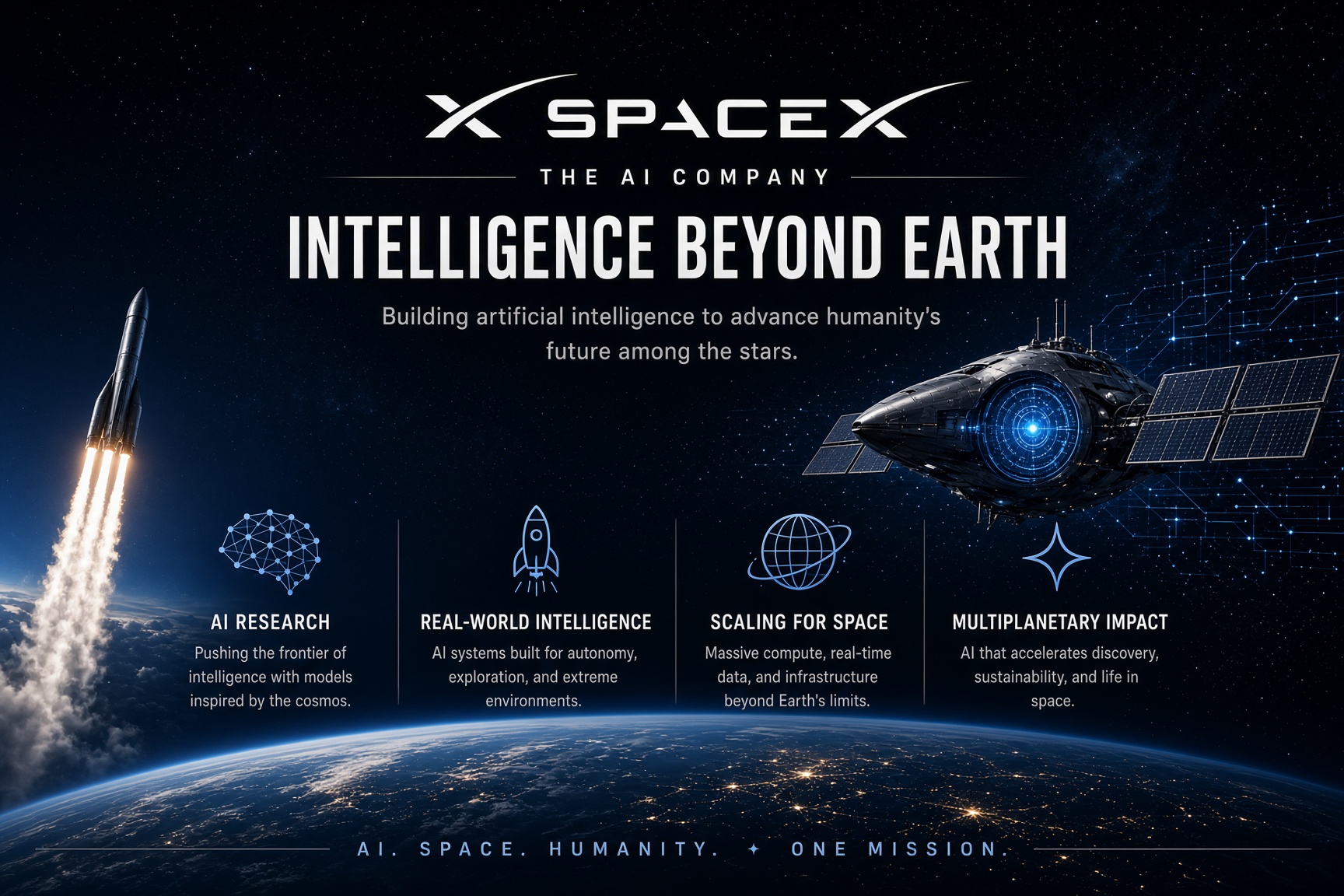
SpaceX the AI Company
Read SpaceX against the structure of the AI sector and it stops being a launch company. Anthropic rents an entire 220,000-GPU facility from it. Alphabet pays $920m a month. Remove SpaceX from the record and four major banks and three arms of the American state disconnect from AI entirely.
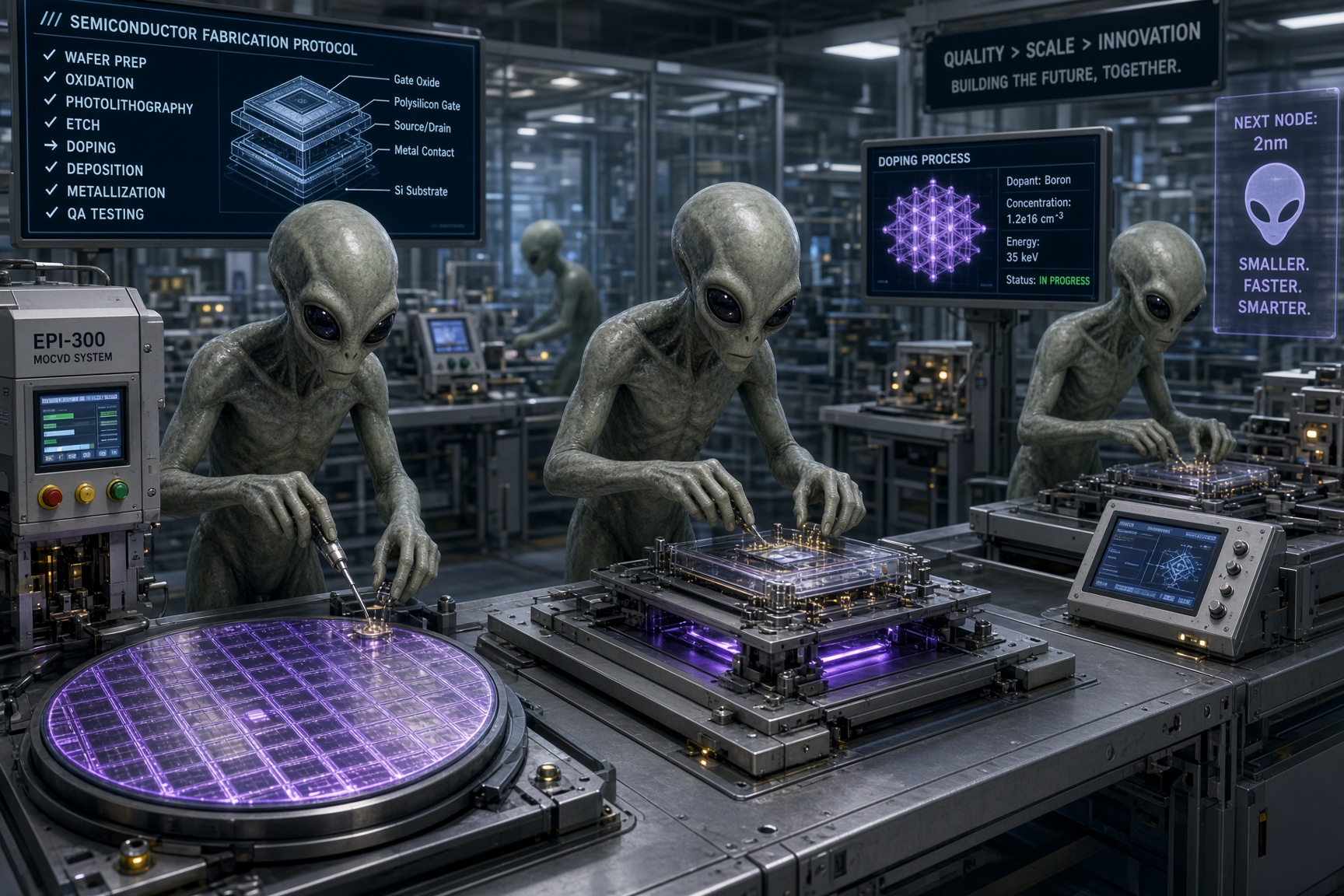
AI Is Being Powered by Tech That Looks Almost Alien
Every frontier AI model runs on chips printed by one Dutch machine. ASML's extreme-ultraviolet scanner fires a laser at up to 50,000 droplets of molten tin a second, per ASML, and bounces the light off mirrors whose deviations are tens of picometres. Veritasium called it the closest thing we have to alien technology. This piece takes the film as the brief and checks it: the machine, High-NA, and the wafer-scale chips and liquid-cooled racks downstream of it.
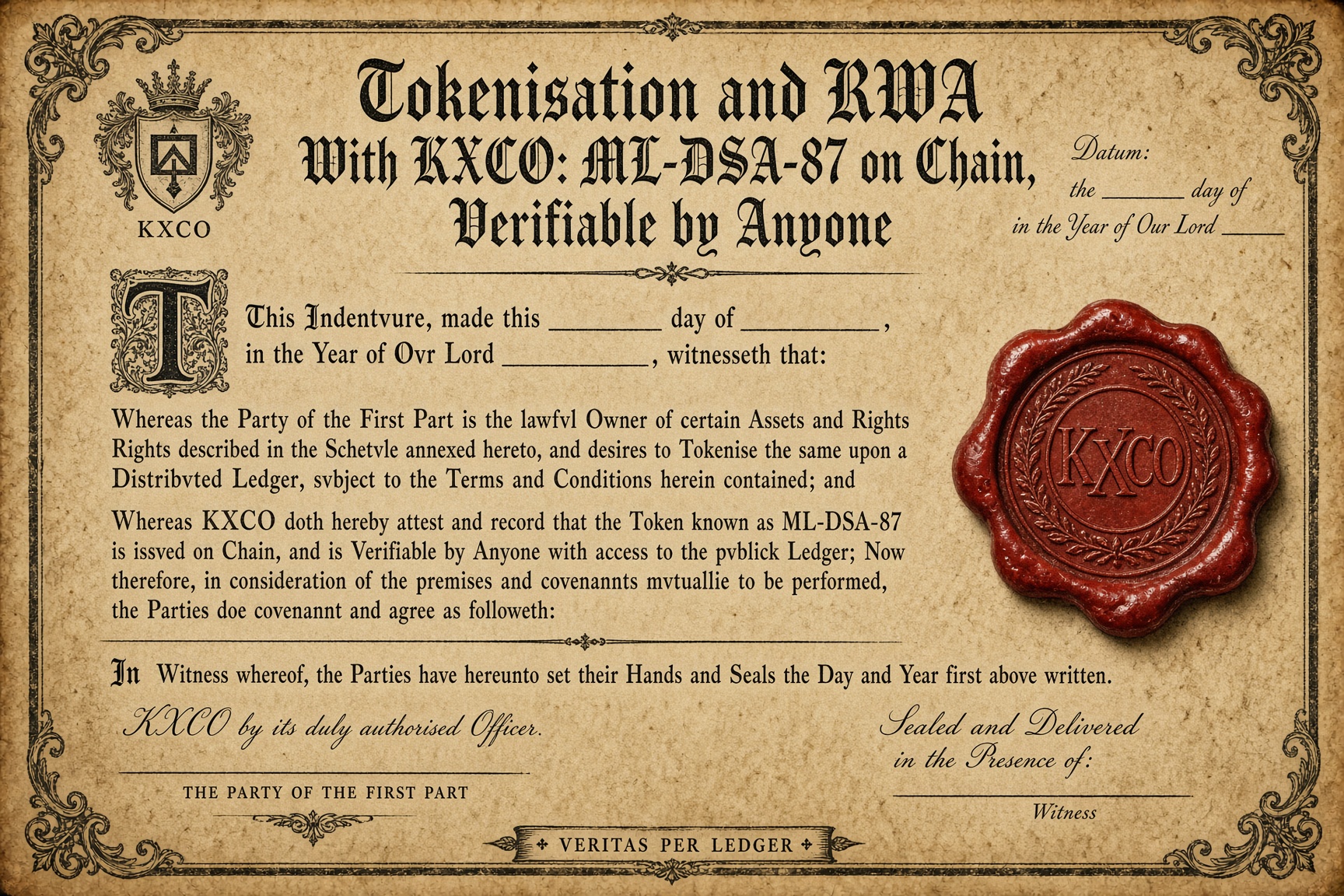
Tokenisation and RWA With KXCO: ML-DSA-87 on Chain, Verifiable by Anyone
Armature, KXCO's chain, has verified ML-DSA-87, the highest security category in NIST FIPS 204, natively on chain since 6 October 2026, and KXCO's platform signing keys moved to it on 6 and 7 October. Regulators now name tokenisation a supervisory priority, and DORA already requires cryptography that can change with cryptanalysis. Six tests an institution should run before it trusts a tokenisation platform, and where to check KXCO's answer to each.
Every story, signed and delivered.
Subscribe to the kxco channel and get the headline, the AI-written key takeaways, and the chain-anchor link the moment we publish. Audio versions and per-ticker subscriptions arrive in the next iteration.