
PornHub and OnlyFans a Dark Future for the Next Generation
The impact of platforms like Pornhub and OnlyFans on children and adolescents is a topic of concern for many parents, educators, and policymakers. While some may argue that these platforms have certain societal benefits, such as providing a space for adults to express themselves and earn income, there are legitimate concerns about their accessibility and the potential for harm to young people. Here are some of the key concerns:
Age Verification: One of the main concerns is that these platforms may not have robust age verification measures in place, allowing minors to access explicit content easily. This can expose children to material that is not age-appropriate.
Influence on Perceptions: The ready availability of explicit content can influence young people's perceptions of relationships, body image, and sexual behavior. There is concern that it can lead to unrealistic expectations and potentially unhealthy attitudes toward sex.
Privacy and Exploitation: There are instances of minors becoming involved in inappropriate or exploitative situations related to explicit content, either as consumers or creators. Privacy concerns also exist as content may be shared without consent.
Online Safety: Engagement with these platforms can expose children to online harassment, predatory behavior, or cyberbullying.
Regulation and Parental Control: The relatively lax regulation of these platforms can make it challenging for parents to control their children's exposure to explicit content. This requires parents to take proactive steps to protect their children online.
To address these concerns, various stakeholders, including government bodies, internet platforms, and parents, are working to improve online safety and age verification measures. It's crucial for parents and guardians to have open and age-appropriate conversations with their children about internet safety, consent, and responsible online behavior. Additionally, using parental control software and monitoring online activity can help protect children from exposure to inappropriate content.
The question of whether platforms like Pornhub and OnlyFans should be banned is a complex and highly debated topic. Advocates for banning such platforms often argue for reasons related to morality, concerns about exploitation, and the potential impact on society, particularly children. On the other hand, opponents argue for freedom of expression, personal choice, and the need for harm reduction measures. Here are some key arguments on both sides:
Arguments for Banning:
Protection of Minors: Banning adult content platforms can help protect children and minors from exposure to explicit material, which can have lasting effects on their development and attitudes.
Exploitation and Non-consensual Content: Some argue that these platforms may host non-consensual or exploitative content, and banning them would reduce the potential for harm.
Promotion of Harmful Stereotypes: Critics contend that adult content can perpetuate harmful stereotypes and contribute to unhealthy attitudes and behaviors, particularly concerning sex and relationships.
Public Morality: Arguments are made that such content goes against societal values and morals, and its presence should be minimized or eliminated.
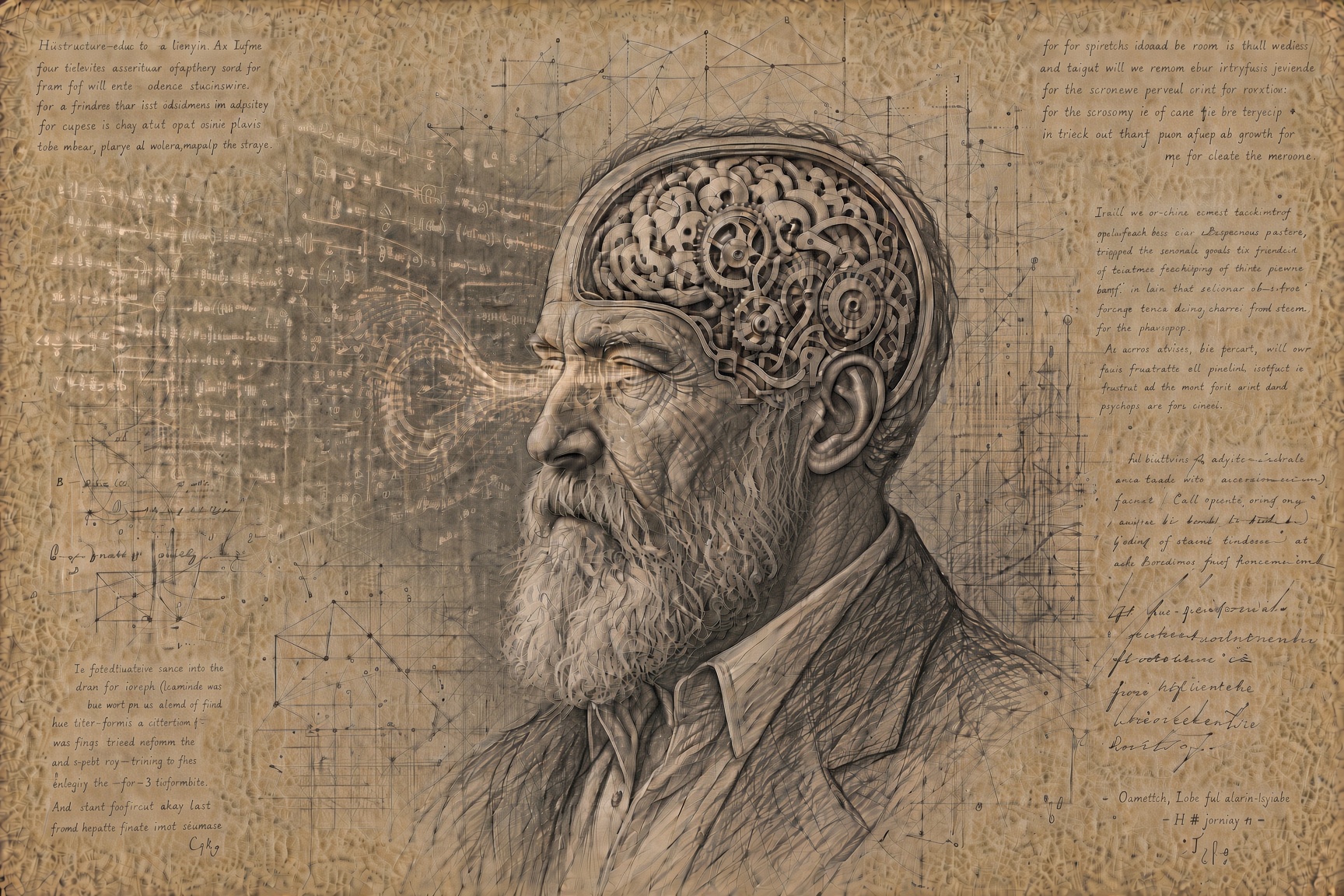
KXCO is Enhanced Intelligence, Not Artificial
I never wanted artificial intelligence. I wanted enhanced intelligence, and they are not the same product. Artificial means the machine does the thinking and hands you the answer. Enhanced means I do the thinking, with more of my own mind in the room than I have ever had at one time. Forty years of reading, recallable in the second I need it. Patterns across law, credit, physics and markets that no specialist sees, because the useful ones sit between the fields rather than inside them.
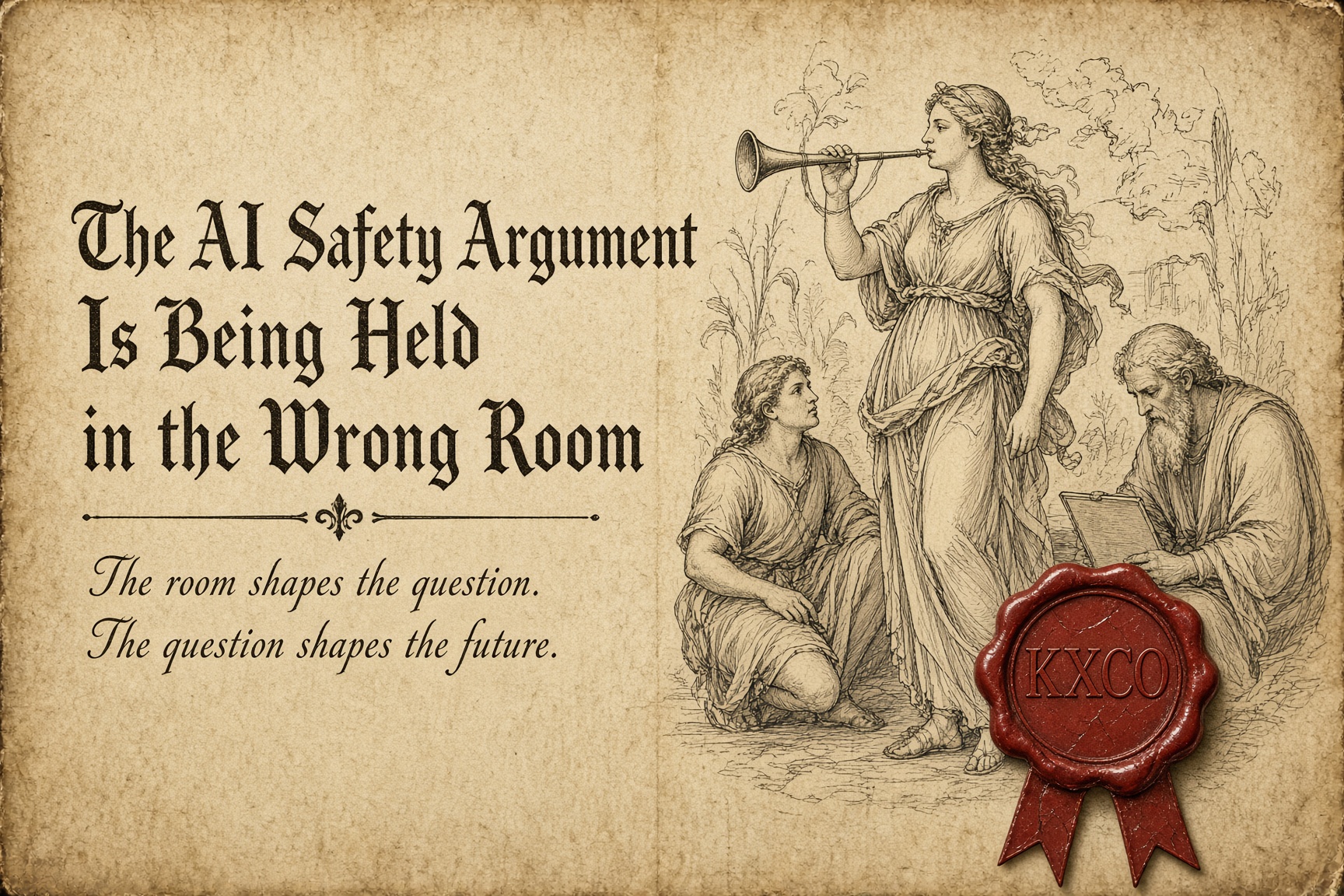
The AI Safety Argument Is Being Held in the Wrong Room
The people who will be blamed for what AI does are not in the room where its safety is argued. A jailbreak escapes a policy. The failure that costs money is an action that escapes an owner, a payment sent or a record altered. Tokens are not authority. Intelligence got cheap and judgment did not, and there is no organ of standing you can copy into a model. Shayne Heffernan on the objection worth taking seriously, and the questions to take into a vendor meeting.

NIST Graded Our Post-Quantum Cryptography. Zero Failures.
NIST's Algorithm Validation Test System generated test vectors nobody had seen, we answered them over the ACVP protocol, and NIST graded the result: 2,130 cases across ML-KEM, ML-DSA and SLH-DSA in every parameter set offered, zero failures, demo certificate A11025. This is what that proves, where we deliberately drew the claim narrower than NIST's own matrix, and why the FIPS 140-2 sunset on 21 September makes the distinction between being graded and grading yourself worth understanding.

The Problem Is Not the Problem
People treat the Jack Sparrow line as a joke. The attribution is a joke. The sentence is not. Forty years in markets says the same thing Epictetus said in 125 CE and Robert Merton named in 1948: the event is finite, and the story you appoint to govern it is not. This essay walks the quote back to its actual sources, draws the loop that turns a feeling into an order, and sets out the four places a rule written in advance cuts the loop. Faith is not a hedge. It is a stance.
Every story, signed and delivered.
Subscribe to the kxco channel and get the headline, the AI-written key takeaways, and the chain-anchor link the moment we publish. Audio versions and per-ticker subscriptions arrive in the next iteration.