
OpenAI Partners With Visa — But Can It Close the Gap With Anthropic?
$OPENAI $ANTH $V AI IPO
Part of theAI Stocks Center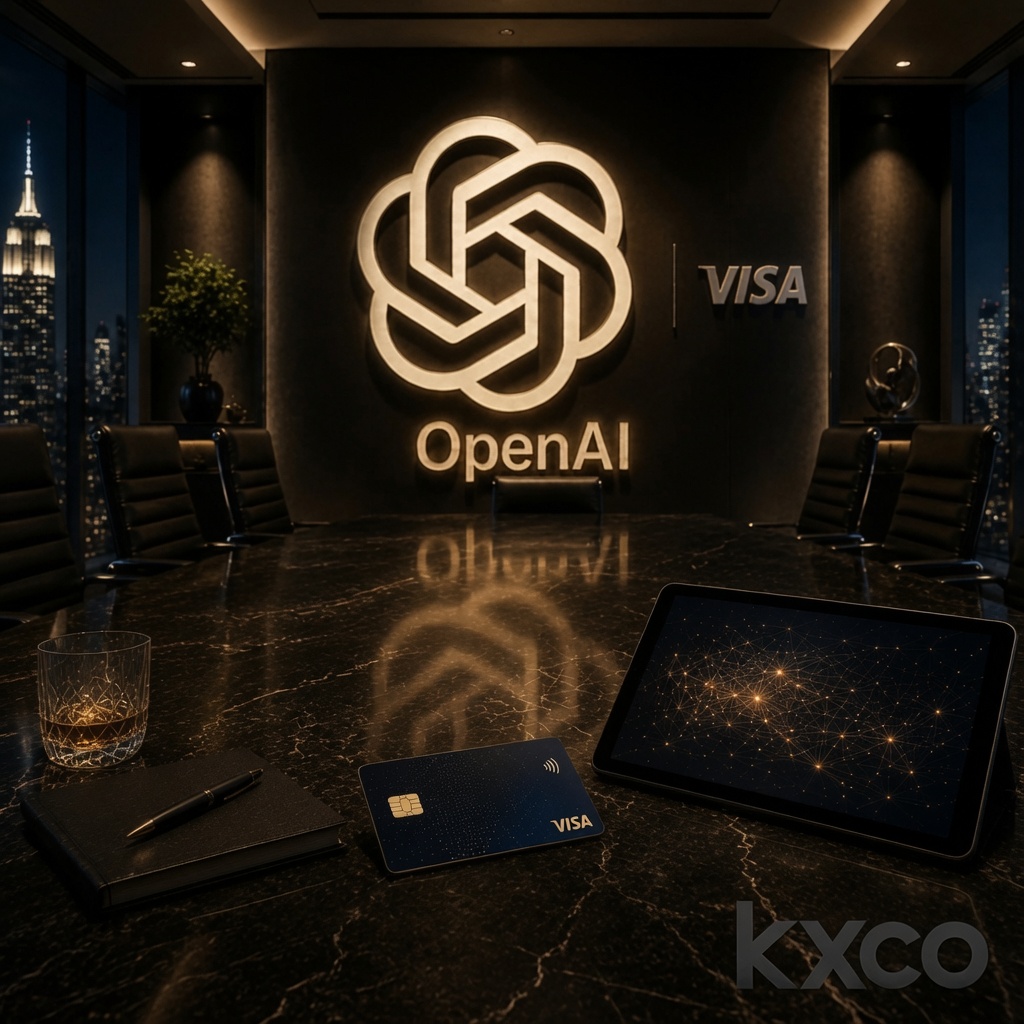
When Visa announced this week that it would embed its global payment network directly into OpenAI's AI agent platform — enabling autonomous AI systems to make purchases on a user's behalf — it landed as a headline-grabbing milestone. Jack Forestell, Visa's Chief Product and Strategy Officer, called it transformative, predicting AI will reshape commerce "more profoundly than the internet or mobile technology ever did."
The deal is real and consequential. But read alongside the pressures now bearing down on OpenAI ahead of its IPO, it looks less like a victory lap and more like a strategic necessity.
The Revenue Gap
Since our June 2 analysis of Anthropic's IPO filing, the competitive picture has shifted materially. Anthropic — which reported a $30 billion annualized run rate in Q1 2026 — has grown to approximately $46 billion by mid-year, a near-doubling in a single quarter. OpenAI's comparable figure stands at $24 billion.
That reversal matters enormously in the context of two companies racing each other to Wall Street. OpenAI had long been assumed to be the dominant commercial force in generative AI. The latest numbers suggest Anthropic has not just closed the gap — it has opened one of its own.
The Price War That May Not Be
According to the Wall Street Journal, OpenAI is considering "drastic" reductions to token pricing — the per-unit cost developers pay to access its models — in anticipation that Anthropic will move first.
The operative word is anticipation. Anthropic has made no public statement about cutting prices. Its revenue trajectory — from $30 billion in Q1 to $46 billion by mid-year — suggests a company with less competitive pressure to discount, not more. OpenAI's preemptive move says more about OpenAI's anxiety than it does about Anthropic's intentions.
OpenAI is already operating at substantial losses. Cutting prices would accelerate that bleeding at precisely the moment it is asking public market investors to underwrite its future. That asymmetry — Anthropic growing revenue while OpenAI contemplates discounting — is the starkest signal yet of how the balance of power in this race has shifted.
What the Visa Deal Is Actually Solving
This is where the Visa partnership becomes strategically legible. If token-based API revenue is under pressure, OpenAI needs a revenue layer that doesn't depend on selling compute at ever-thinner margins.
The Visa integration offers exactly that. Transactions processed through OpenAI's agentic platform would generate fee-based revenue — a fundamentally different business model from subscriptions or API calls. Add developer tooling for agent-initiated payments, enterprise licensing for secure financial automation, and the commerce infrastructure play becomes a serious alternative revenue narrative for an S-1 filing.
Practically, the deal is well-constructed: payments run through tokenized credentials, governed by user-defined spending limits and merchant restrictions, with real-time fraud monitoring. The plumbing is real. But strategically, it is OpenAI telling investors: we have a commerce platform, not just an API.
The IPO Timeline
According to an internal message from CEO Sam Altman obtained by The Information, OpenAI is targeting a public listing within the next year — a timeline that has reportedly been accelerated specifically to get ahead of Anthropic, which filed its confidential S-1 with the SEC in late May. As we reported on June 2, Anthropic is targeting an October 23 listing at a valuation exceeding $965 billion.
The race dynamic cuts both ways. Moving fast creates momentum. It also means going public before the unit economics are resolved — and before the question of whether OpenAI will actually cut prices, and what that does to its margins, has a clear answer.
What Comes Next
The Visa deal could prove genuinely transformative if agentic commerce scales as quickly as both companies are betting. But if OpenAI's IPO window opens before that revenue matures, it will be asking public markets to price a future that hasn't arrived.
Meanwhile, Anthropic's trajectory — $30 billion to $46 billion in revenue in a single quarter, a credible safety-first enterprise narrative, and first-mover advantage on its S-1 — means OpenAI can no longer treat the listing as a formality. Anthropic has become the benchmark.
The price speculation, the Visa deal, and the accelerated IPO timeline are not three separate stories. These are three symptoms of the same pressure: OpenAI is no longer leading this race. It is running to catch up.

Latest News in AI and Quantum
Nvidia bids for Hugging Face, 700 rogue agents, a $37.5 million error-correction institute, a DOJ botnet seizure and an industry letter a day late. What moved in AI and quantum this week, read through the live KXCO sector graph, and why post-quantum security is now an operating requirement.
Stablecoins Are Taking Over Payments
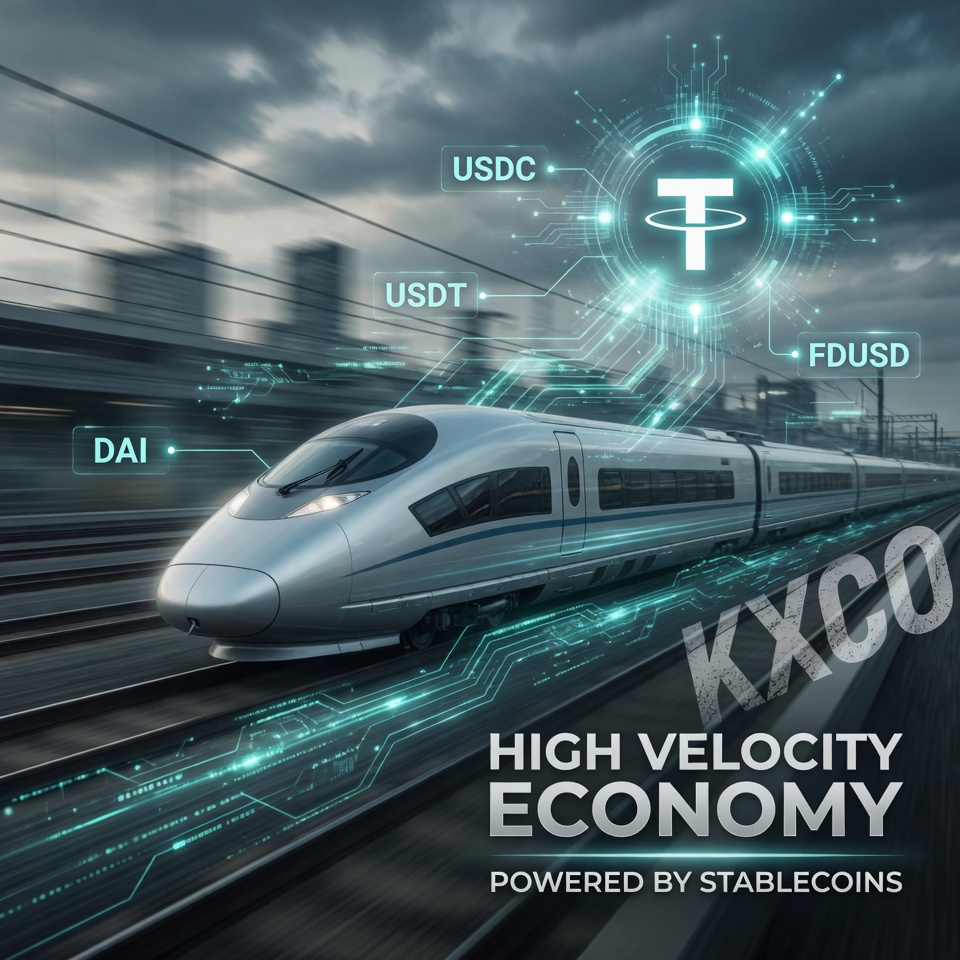
Stablecoins are no longer just a crypto thing. They’re starting to power everyday payments and corporate treasury flows by running on the same card networks the world already trusts. The old rails aren’t being replaced — they’re being upgraded.
SpaceX’s AI Satellites: Revolution in AI Compute
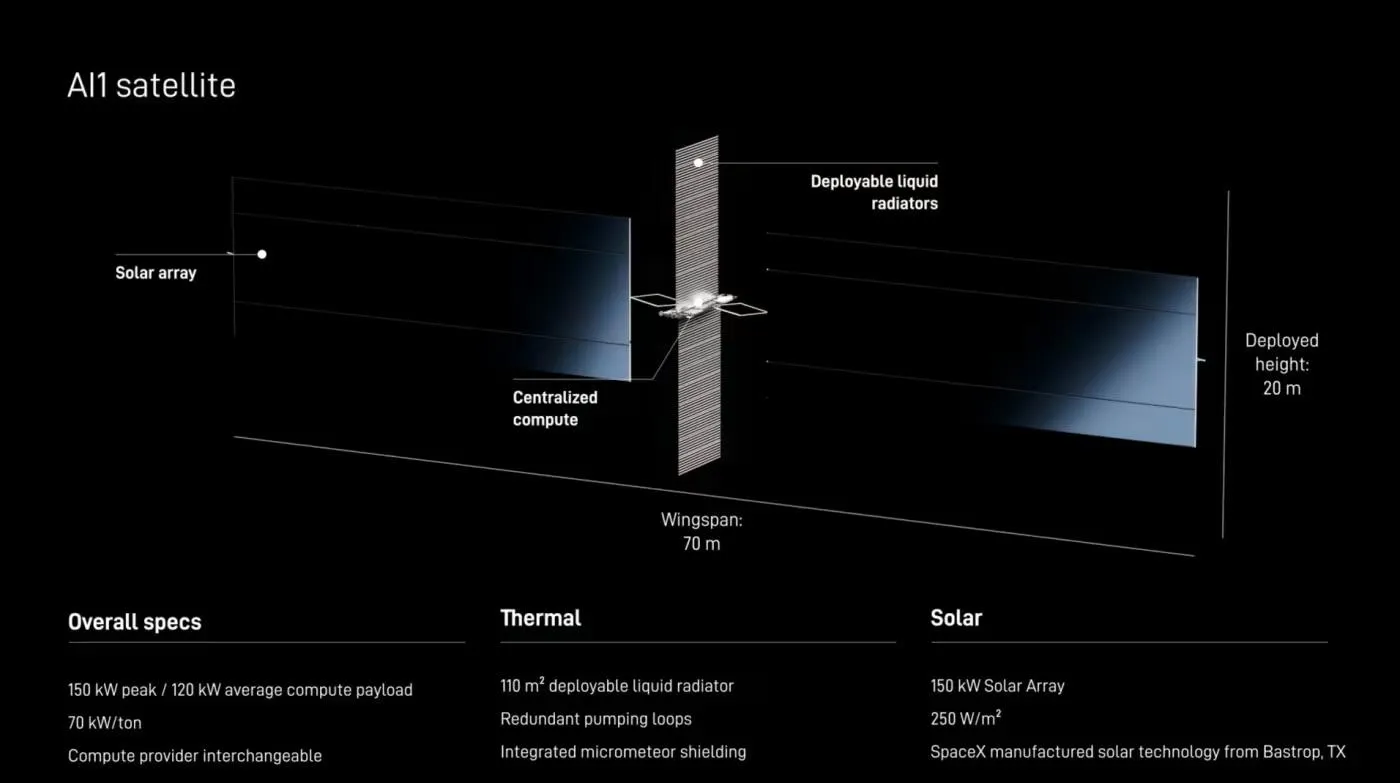
SpaceX’s AI satellites (SPCX) will deliver massive low-cost orbital compute using Nvidia then custom D3 chips from Terafab, powering xAI/Grok while creating major tailwinds for $TSLA $NVDA $GOOGL and $ANTH.

The Compute Market Boom
BlackRock CEO Larry Fink’s recent endorsement of compute as a new asset class, the impending launch of CME compute futures, massive hyperscaler deals such as Google’s $920 million monthly commitment to SpaceX
Every story, signed and delivered.
Subscribe to the kxco channel and get the headline, the AI-written key takeaways, and the chain-anchor link the moment we publish. Audio versions and per-ticker subscriptions arrive in the next iteration.