
October and November are Good Months to Buy Stocks
#stocks #buy #October #November
From 1980 to 2009, the best months to buy stocks have been October, November, April, and May, registering positive returns in each of the 3 decades analyzed.
There is a seasonal effect, and it repeats itself. This could be due to a whole lot of factors: retail sales, Summer commodities harvest, and the build-up to the Christmas selling period.
Ultimately the state of the economy and the governments stewarding of fiscal and monetary policy play a leading role here.
I have been in the markets for the past 40yrs+ and learned that the ’80s and ’90s were times of unprecedented growth, and the 2000s was a decade of consolidation with 2 snaps back to the line: Dotcom 2000 and the 2007 Financial Crisis.
What you buy is Key. If you invest in a ETF (Exchange Traded Fund) that tracks the S&P 500 or any major market index, this trend is your friend till changes.
If you invest in individual stocks, then my market data will bear little correlation to the stocks you purchase.
Remember, although a stock may increase or decrease due to the ebb and flow of the market, the technicals of the stock you purchase, combined with your timing, will determine the long-term trading and.or investing success.
Have a prosperous day, Keep the Faith!
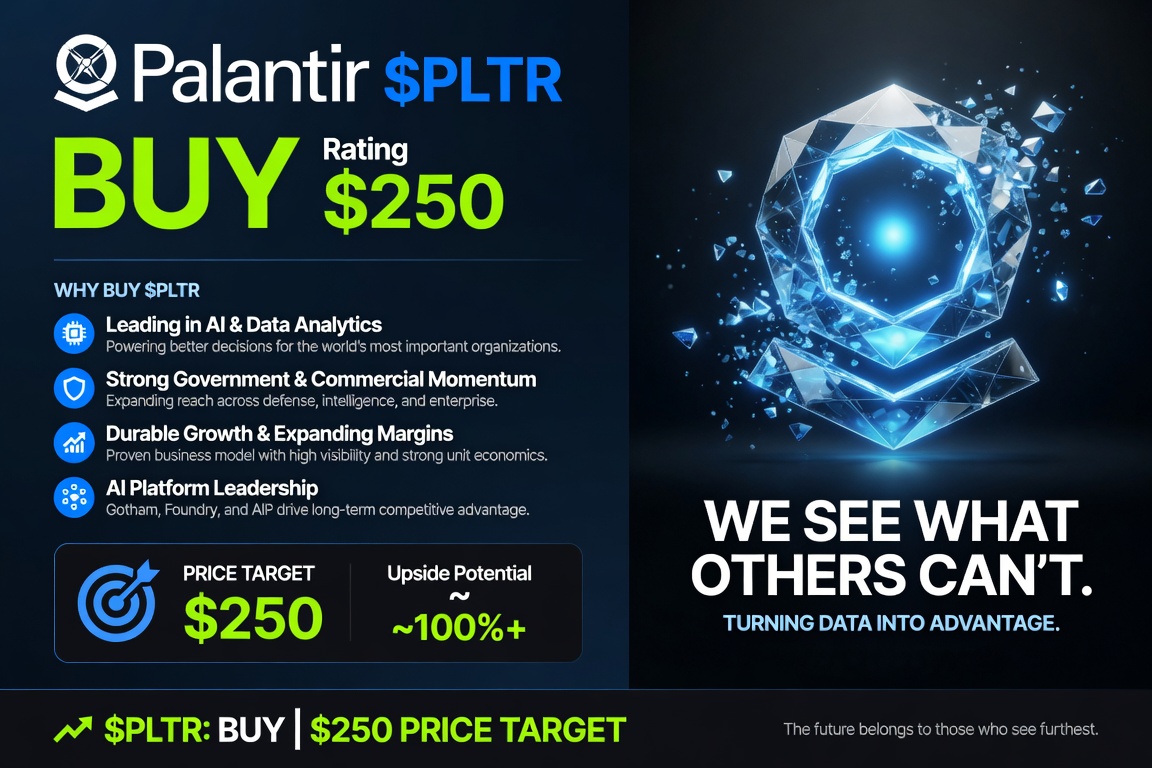
Palantir Stock (PLTR): BUY Rating, $250 Price Target — The 40% Dislocation
Palantir is down ~40% in 2026 even as Q1 revenue grew 85% and management guided FY2026 to $7.66B. Shayne Heffernan issues a BUY on PLTR with a $250 price target — full breakdown of the business, customers, five-year revenue, every major Wall Street bank target and the corporate outlook.

Larry Fink Called It. CME Just Made It Real. The Compute Futures Market Has Arrived

The Quantum-AI Convergence Is Real. The Quantum Stocks Aren't the Trade.
China’s Economic Resilience
Every story, signed and delivered.
Subscribe to the kxco channel and get the headline, the AI-written key takeaways, and the chain-anchor link the moment we publish. Audio versions and per-ticker subscriptions arrive in the next iteration.