
Multiculturalism is a Failure
Multiculturalism is the ideology that advocates for the maintenance of cultural and ethnic diversity within a society. It is based on the belief that all cultures are of equal value and should be respected and protected. While multiculturalism may seem like a noble ideal, it has a number of serious flaws.
One of the biggest problems with multiculturalism is that it can lead to social fragmentation and division. When different cultures are isolated from each other, it can lead to misunderstandings and resentment. This can make it difficult to build a sense of national identity and unity.
Another problem with multiculturalism is that it can lead to the erosion of traditional values and beliefs. When different cultures are allowed to coexist freely, it can lead to a clash of values. This can make it difficult to maintain a strong moral compass and sense of direction.
Multiculturalism can also lead to a decline in social cohesion and trust. When people from different cultures are not able to find common ground, it can make it difficult to build strong relationships and communities. This can lead to an increase in crime and social disorder.
Finally, multiculturalism can lead to a decrease in economic growth and innovation. When different cultures are not integrated into the mainstream, it can make it difficult to create a cohesive and productive workforce. This can lead to a decline in economic competitiveness.
In conclusion, multiculturalism is a flawed ideology that has a number of negative consequences. It can lead to social fragmentation and division, the erosion of traditional values and beliefs, a decline in social cohesion and trust, and a decrease in economic growth and innovation.
Here are some specific examples of the negative consequences of multiculturalism:
Social fragmentation and division: In countries such as the United States and France, there has been a rise in ethnic and religious tensions in recent years. This is due in part to the fact that these countries have large immigrant populations from different cultures.
Erosion of traditional values and beliefs: In many Western countries, there has been a decline in traditional values such as patriotism, family, and religion. This is due in part to the fact that these countries have become more multicultural.
Decline in social cohesion and trust: In many multicultural societies, there is a lack of trust between people from different cultures. This can make it difficult to build strong communities.
Decrease in economic growth and innovation: In some multicultural societies, there is a lack of economic integration between people from different cultures. This can make it difficult to create a cohesive and productive workforce.
It is important to note that the negative consequences of multiculturalism are not inevitable. They can be mitigated through policies that promote integration and assimilation. However, it is important to be aware of the potential risks of multiculturalism before adopting it as a national ideology.
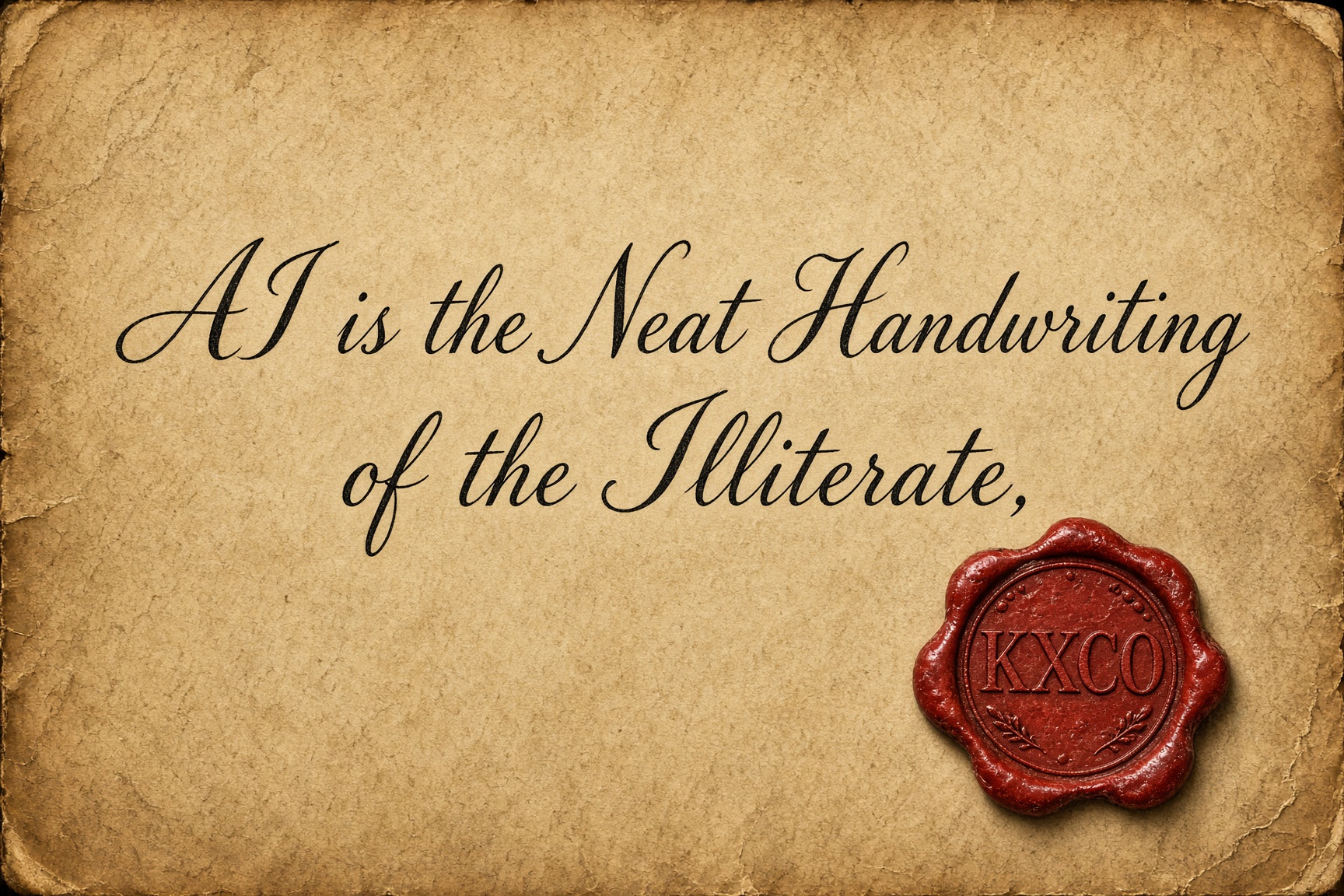
AI is the Neat Handwriting of the Illiterate
A model in the hands of someone who has read the filing and walked the plant is a clerk. The same model, speaking for someone who has done neither, is a disguise. On AI slop, phantom citations and factslop, why finish stopped being evidence of work, and the containment layer KXCO built so a machine cannot speak as the institution until a source is attached.
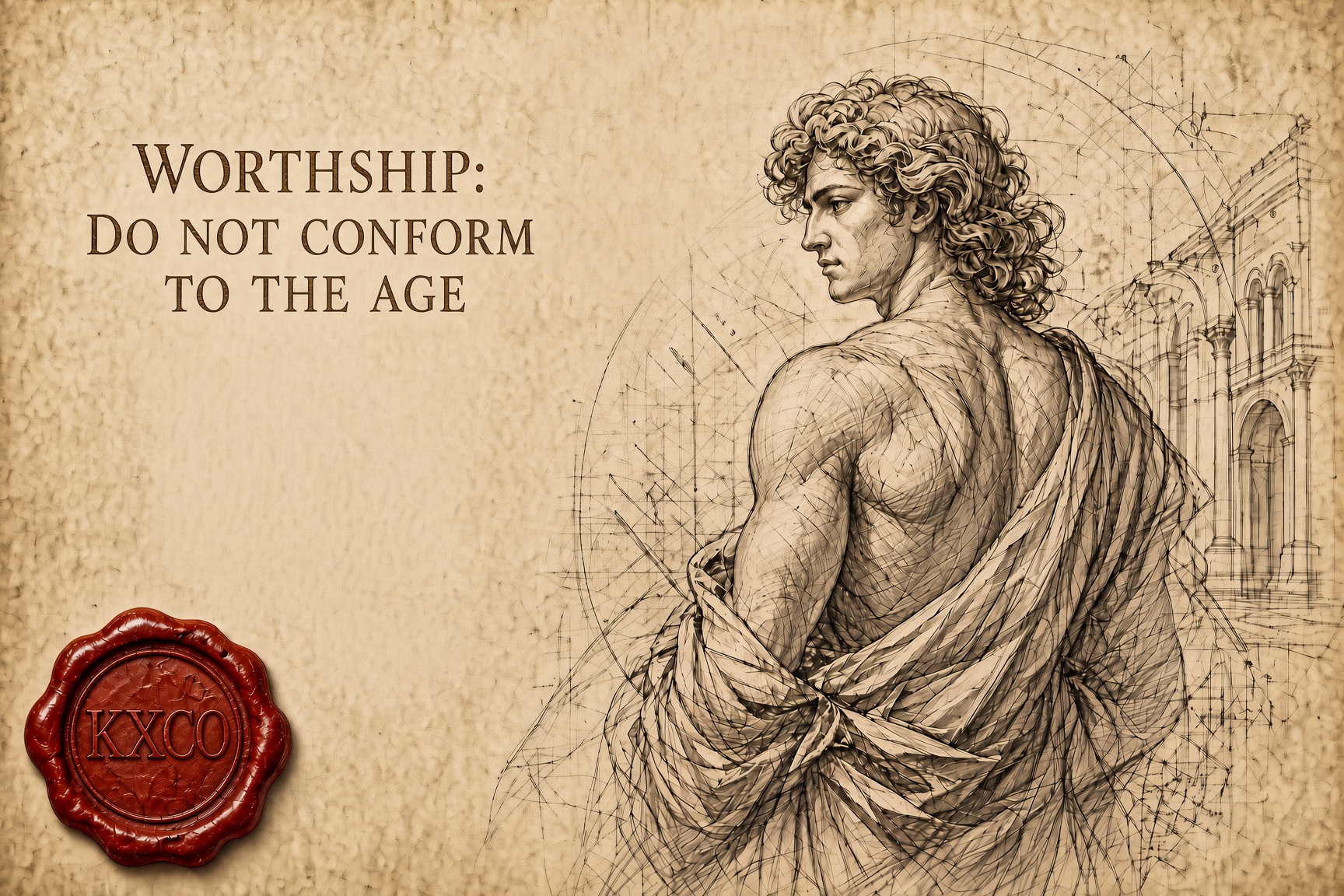
Worthship: Do Not Conform to the Age
Worthship is the older English word for worship, and it means to ascribe worth. Bishop Robert Barron preached Romans 12 on 30 August. This essay follows the text into the prison letters, and puts two questions to a graph: do the four readings of that Sunday agree, and was Paul free or in chains when he wrote about despair?
The Truth in All Its Ugliness Must Survive
A majority vote does not determine the truth. Consensus is a mood, gossip is a sport, and a model will write the pretty version for free. Why the ugly number has to survive, why a record beats a dashboard, and what KXCO was built to keep standing when the room changes its mind.
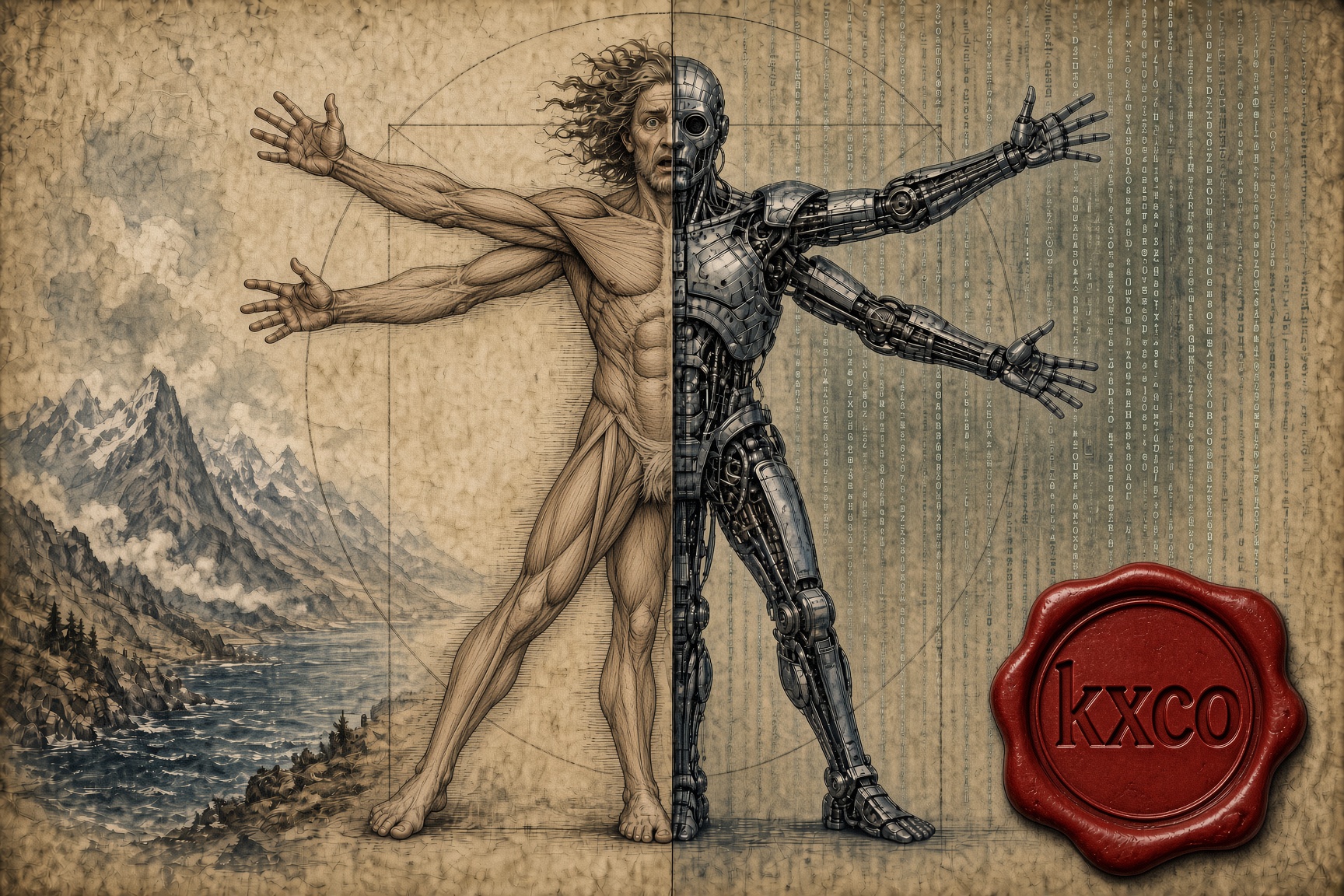
Don't Be the Best, Be the Only: Winning in an AI World
AI is repricing competence downward. What it cannot reproduce is a life. The case for remaining non-fungible, why friction still produces the best ideas, and what it means to build AI systems that keep the human intellect in them.
Every story, signed and delivered.
Subscribe to the kxco channel and get the headline, the AI-written key takeaways, and the chain-anchor link the moment we publish. Audio versions and per-ticker subscriptions arrive in the next iteration.