
More Batteries than the World Needs
BloombergNEF caution that the surge of battery plants under development worldwide will be able to generate far more cells than the world's economy requires.
As utilities install large batteries to maintain the electricity grid and automakers electrify their fleets, demand for lithium-ion cells is rising fast. But manufacturers have announced so many new plants that, according to BNEF, demand will be exceeded by capacity throughout the rest of the decade.
BNEF projects in its newest Electric Vehicle Outlook that by the end of 2025 the global battery sector will be able to generate more than five times as many cells as the world would need that year.
The research concluded, "This is good news for automakers and EV buyers but marks a challenging time ahead for new entrants to the battery industry,"
China is particularly affected by oversupply; for the remainder of the decade, production capacity will at least 400% surpass yearly battery demand. It's also a problem in the US, where President Joe Biden has given establishing a local battery supply chain top importance for industry and climate. Among initiatives to attract battery manufacturers, last year the government provided Ford Motor Co. a conditional $9.2 billion loan to build three battery facilities.
Europe too has an abundance of battery capacity, but governments are pushing for more. Although Nortvolt AB, a Swedish battery manufacturer, has a facility under development in Germany, the nation's Economy Minister Robert Habeck is already pushing the business to establish yet another.
According to Yayoi Sekine, head of energy storage research at BNEF, certain proposed plants throughout the globe may be postponed or canceled because of industrial overcapacity. Ford, for instance, has scaled back its ambitions for increasing the manufacturing of electric vehicles blaming a pricing battle for trucks and batteries.
"This will be a problem everywhere, including the US," she emailed.
Along with this is a change in the chemistries applied in battery manufacture. Especially among Chinese manufacturers, the survey revealed that lithium iron phosphate batteries are becoming more and more common for running electric automobiles. Their component components are less expensive than conventional lithium-ion cells made of nickel, manganese, and cobalt, so the change might significantly reduce the future demand for such metals. BNEF reduced their projection of nickel use in batteries next year by 25%.

Understanding the US China AI and Quantum Landscape
AI and quantum are usually reported as a US–China race. The more useful story is two different systems — frontier capital versus open-source scale — entangled through shared chokepoints. Shayne Heffernan maps the landscape with the KXCO AI Sector Ontology, with comparison graphics and the investable names.
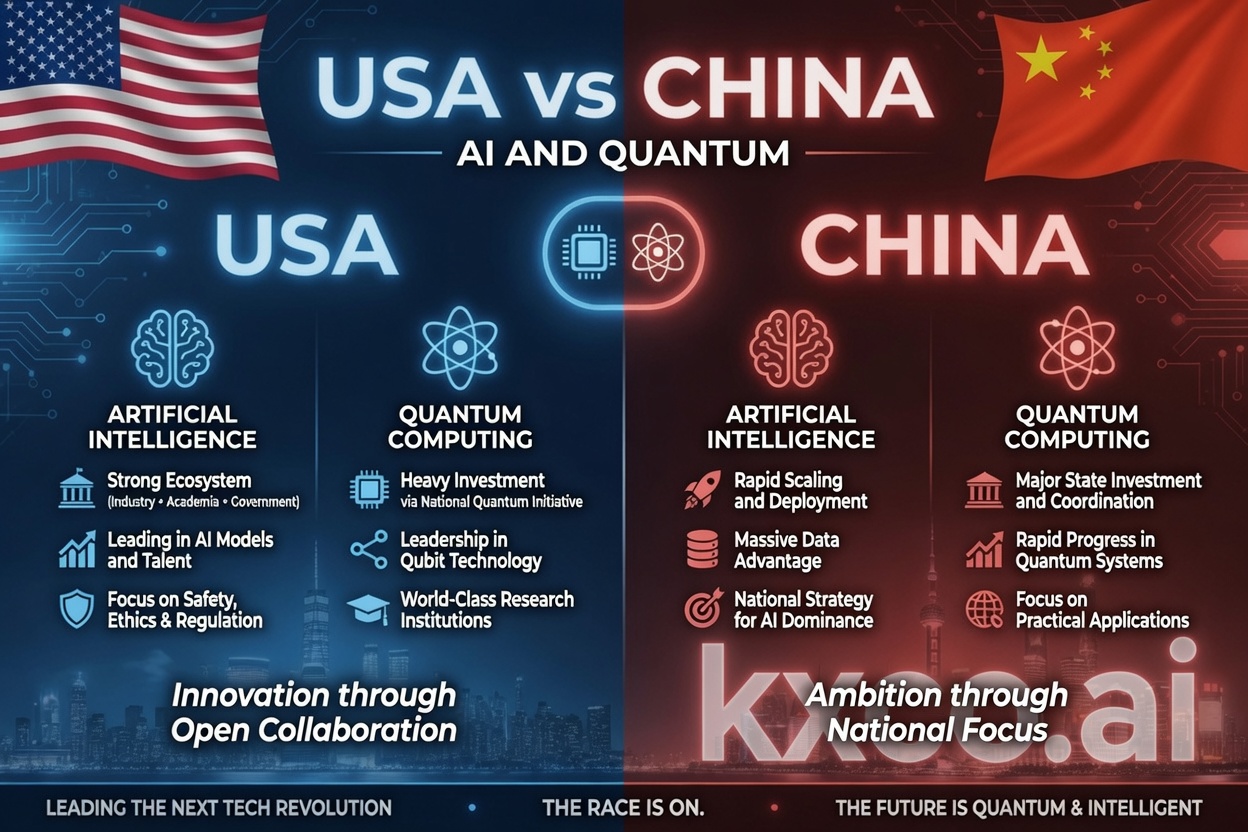
USA vs China: The AI and Quantum Scorecard
The US still leads AI models and chips by a whisker; China leads power and open-weight models outright. Shayne Heffernan scores the four races that will decide the decade.
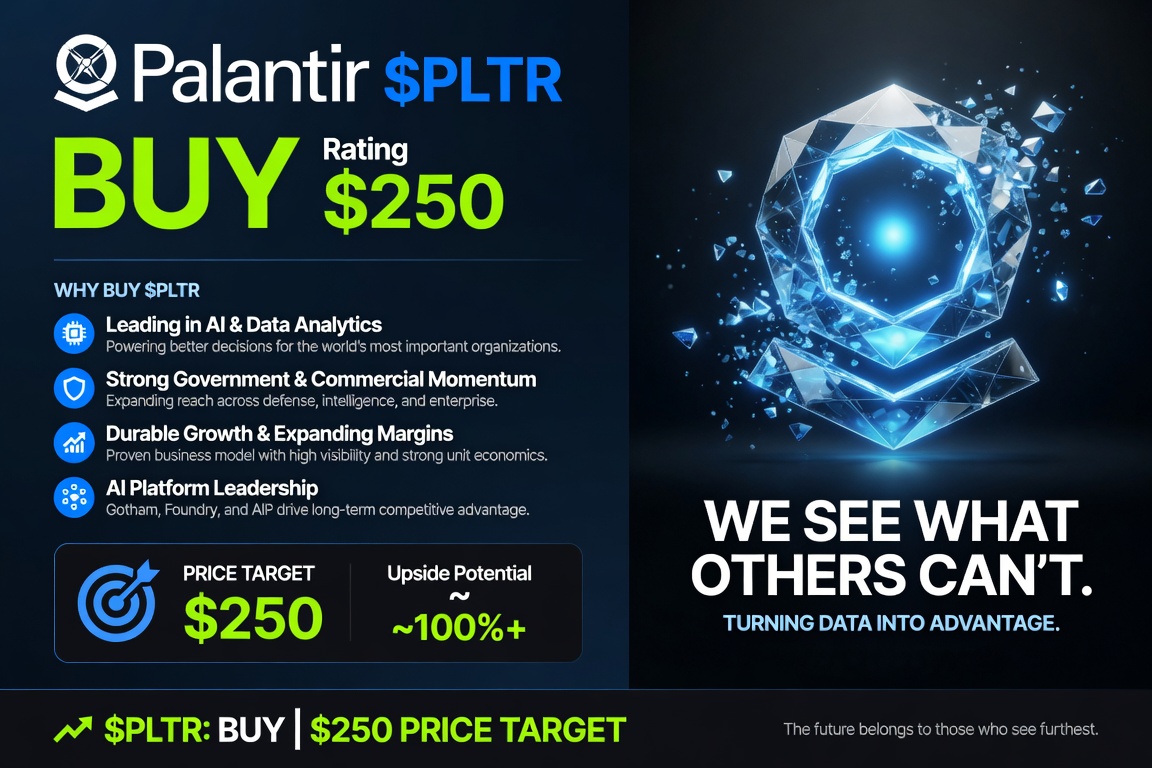
Palantir Stock (PLTR): BUY Rating, $250 Price Target — The 40% Dislocation
Palantir is down ~40% in 2026 even as Q1 revenue grew 85% and management guided FY2026 to $7.66B. Shayne Heffernan issues a BUY on PLTR with a $250 price target — full breakdown of the business, customers, five-year revenue, every major Wall Street bank target and the corporate outlook.
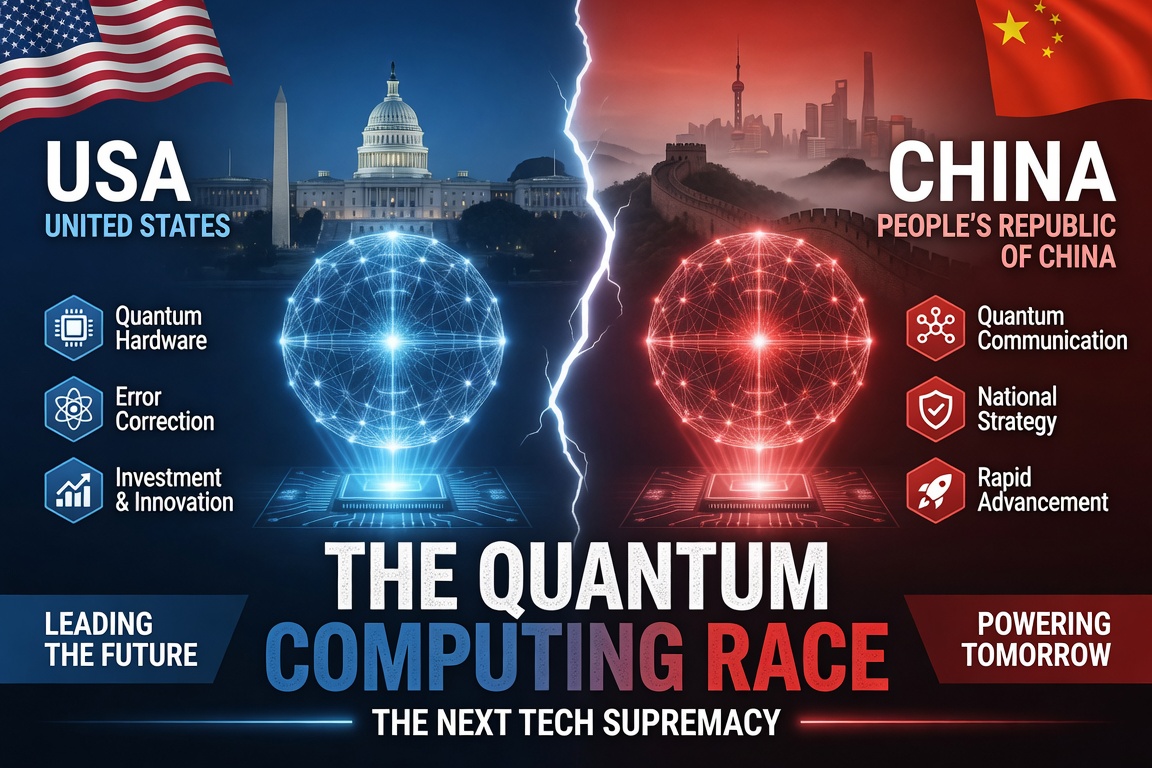
USA vs China: The Quantum Computing Race
The U.S. still leads quantum computing, but China has closed the gap fast — on hardware scale, supply-chain self-reliance and quantum networking. A category-by-category scorecard as of June 2026.
Every story, signed and delivered.
Subscribe to the kxco channel and get the headline, the AI-written key takeaways, and the chain-anchor link the moment we publish. Audio versions and per-ticker subscriptions arrive in the next iteration.