
Knightsbridge’s Non-Custodial Pivot
A few years back, around 2023, Knightsbridge made a bold call to step away from custodial services in the wild, fast-moving world of cryptocurrency—a decision that now looks downright visionary. As the crypto space gets messier with scams and hacks, handing off asset custody to third-party experts has proven to be a savvy move for a firm more wired for transactions than storage.
Cybercrime’s Relentless Surge
Crypto has turned into a digital Wild West, with hackers, fraudsters, and rug-pull schemers running rampant. The $1.5 billion Bybit hack by North Korean operatives in early 2025 is just the latest proof that centralized custodians are sitting ducks. This chaos has birthed a booming niche: specialized custody firms. Those who can master the art of ironclad security—think multi-sig wallets, real-time threat detection, and bulletproof encryption—are becoming the industry’s unsung heroes. It’s a growth sector that’s practically begging for innovation, and the best players are stepping up with gusto.
Banks Eye the Prize
Enter the Trump administration, which is shaking things up with a pro-crypto agenda that might just pull traditional banks into the custody game. With whispers of a White House crypto summit, Trump’s policies could pave the way for Wall Street giants to offer custodial services, blending their regulatory know-how with blockchain’s frontier spirit. For banks, it’s a golden opportunity to bring trust and stability to a space that desperately needs both.
Why Knightsbridge Steered Clear
Knightsbridge, though, isn’t built for that fight. Its bread and butter is transactional efficiency—moving assets, settling trades, and keeping the wheels of commerce spinning. Storing client funds? That’s a different beast, one that demands resources Knightsbridge would rather pour into perfecting its core mission. By outsourcing custody to proven specialists, Knightsbridge stays lean, focusing on what it does best while tapping into a safer, hack-resistant ecosystem built by third-party custodians.
The Payoff of Foresight
Looking back, this choice dodged some serious bullets. Take the $62.5 million Bitcoin seizure tied to Silk Road by U.S. authorities earlier this year—custodial firms caught in those crosshairs face massive reputational hits, not to mention financial fallout. Knightsbridge sidestepped that mess entirely. Plus, leaning on custodians with top-tier security bolsters client confidence without pulling focus from Knightsbridge’s transactional strengths.
The numbers tell the story: Bitcoin’s daily trading volume hit $50–55 billion on March 13, 2025, showing sky-high liquidity—but also sky-high risk. Non-custodial setups like Knightsbridge’s reduce exposure to those dangers, letting the firm thrive as a transactional hub while specialists handle the heavy lifting of asset protection. It’s a win-win, creating a system where everyone plays to their strengths.
What’s Next for Crypto Security
The scam wave isn’t slowing down—sophisticated rug pulls and phishing attacks are only getting worse. Knightsbridge’s early move gives it a head start as custodial services become more specialized. With banks potentially jumping in under Trump’s crypto-friendly policies, the reliance on trusted third-party custodians might soon be the norm, paving the way for a safer space where hacks are tougher to pull off. Looking ahead, the threat looms larger: hackers are getting smarter, and quantum computing could supercharge their attacks, making the need for specialist custodians with cutting-edge cybersecurity more urgent than ever.
For investors, this shift signals a market growing up fast. Knightsbridge’s pivot wasn’t just a dodge—it’s a forward-thinking leap into a future where efficiency and security don’t have to clash. As Trump’s policies broaden the crypto custody landscape, Knightsbridge is already ahead of the curve, redefining its role in a new era of finance.
Shayne Heffernan
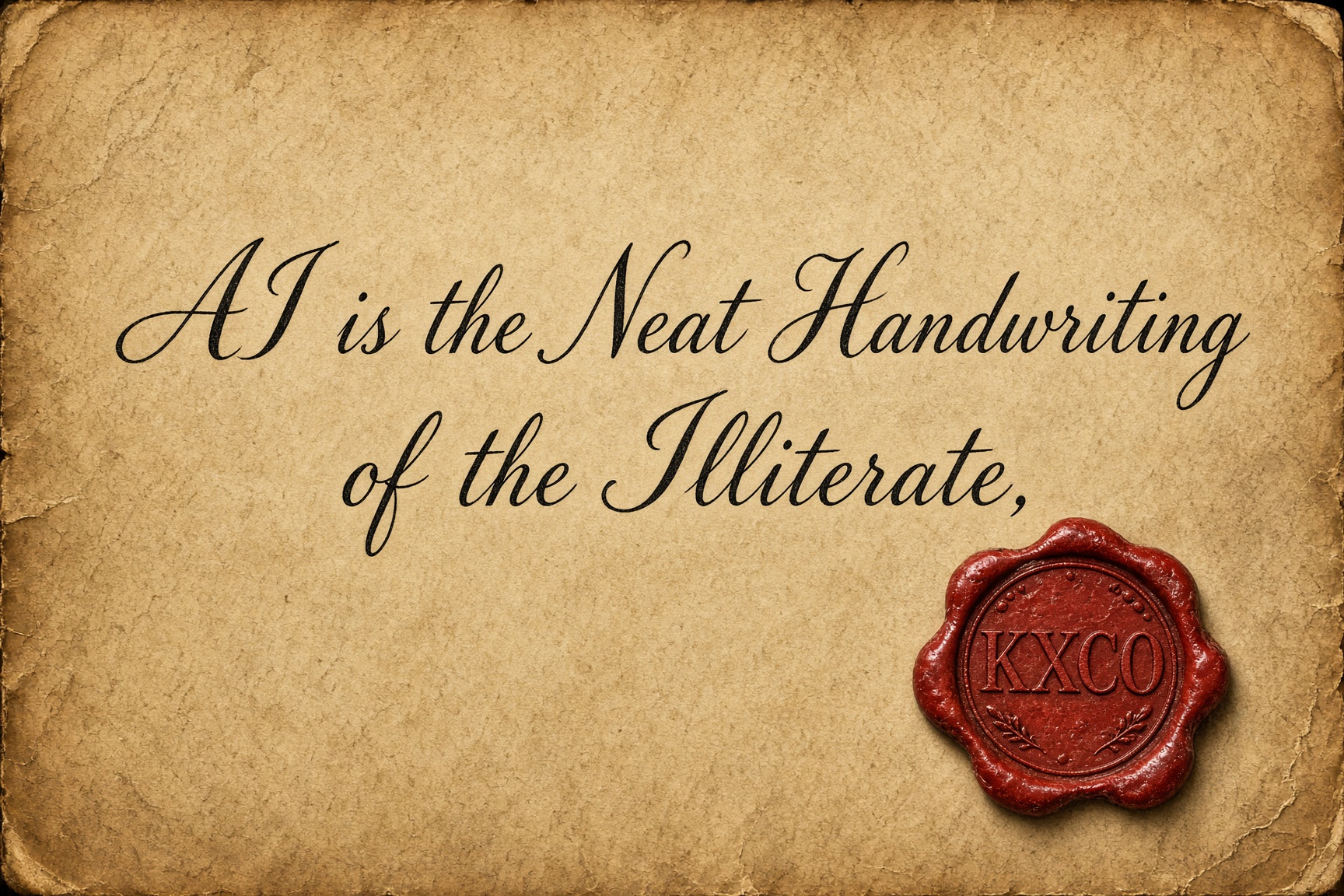
AI is the Neat Handwriting of the Illiterate
A model in the hands of someone who has read the filing and walked the plant is a clerk. The same model, speaking for someone who has done neither, is a disguise. On AI slop, phantom citations and factslop, why finish stopped being evidence of work, and the containment layer KXCO built so a machine cannot speak as the institution until a source is attached.
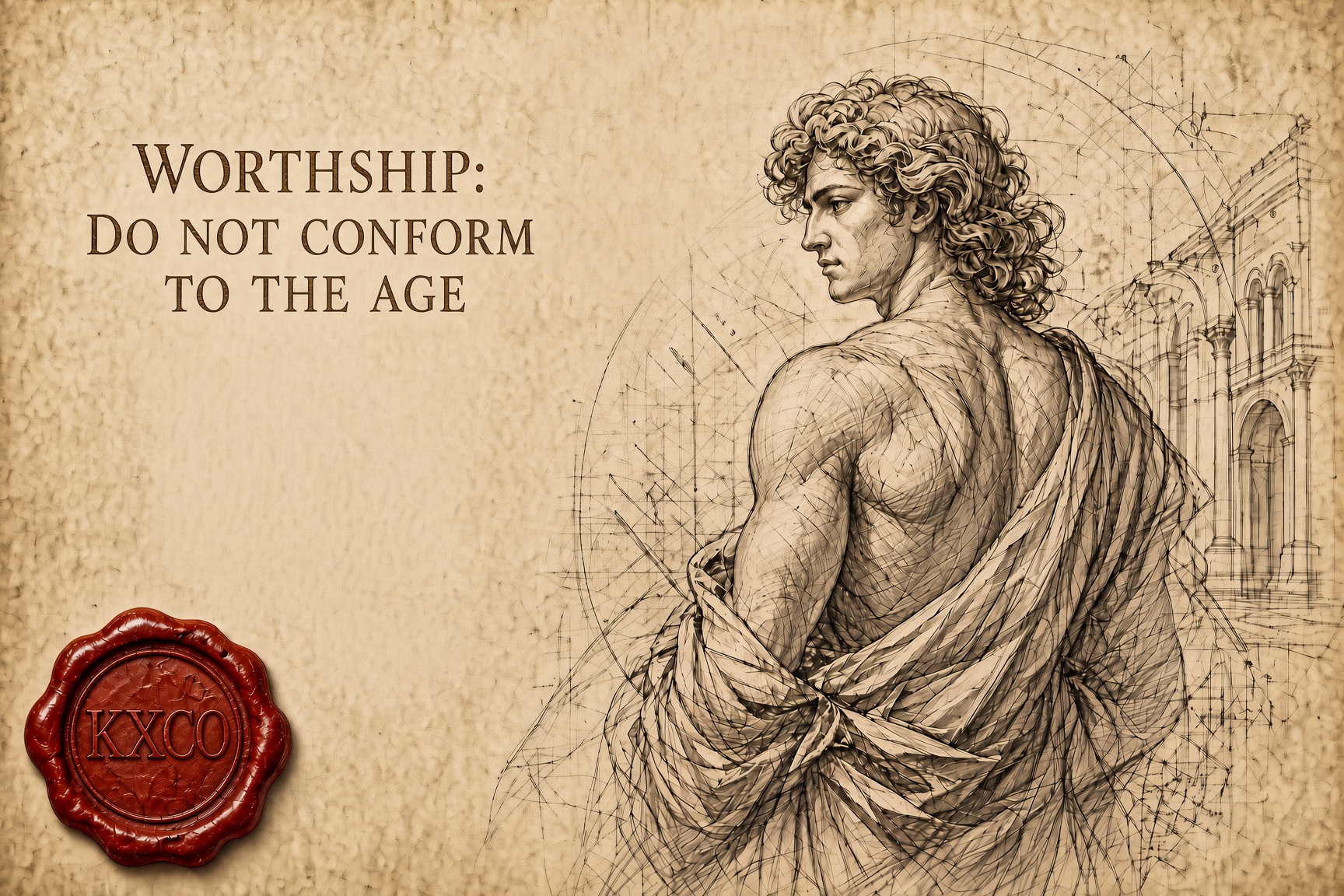
Worthship: Do Not Conform to the Age
Worthship is the older English word for worship, and it means to ascribe worth. Bishop Robert Barron preached Romans 12 on 30 August. This essay follows the text into the prison letters, and puts two questions to a graph: do the four readings of that Sunday agree, and was Paul free or in chains when he wrote about despair?
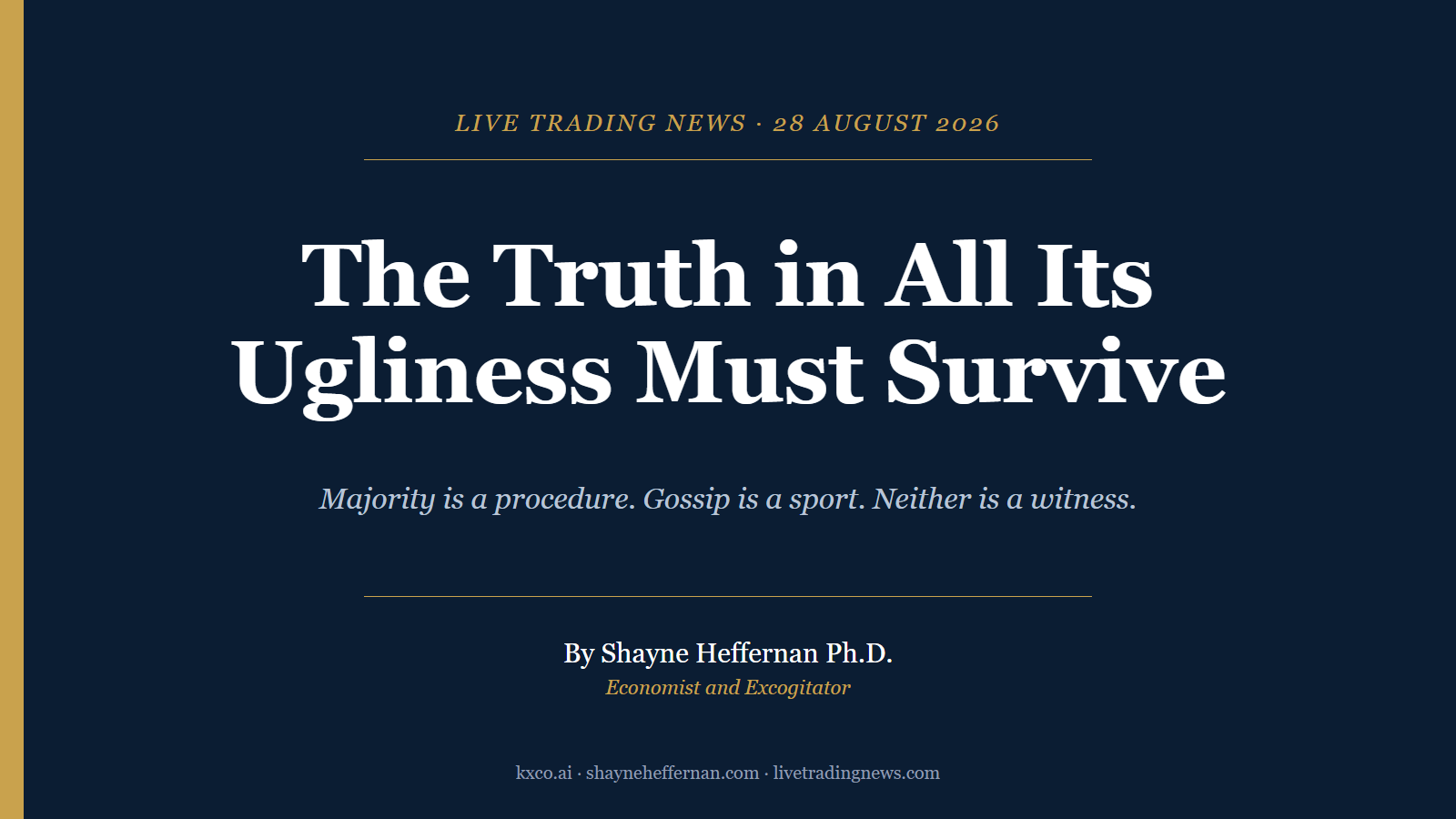
The Truth in All Its Ugliness Must Survive
A majority vote does not determine the truth. Consensus is a mood, gossip is a sport, and a model will write the pretty version for free. Why the ugly number has to survive, why a record beats a dashboard, and what KXCO was built to keep standing when the room changes its mind.

Don't Be the Best, Be the Only: Winning in an AI World
AI is repricing competence downward. What it cannot reproduce is a life. The case for remaining non-fungible, why friction still produces the best ideas, and what it means to build AI systems that keep the human intellect in them.
Every story, signed and delivered.
Subscribe to the kxco channel and get the headline, the AI-written key takeaways, and the chain-anchor link the moment we publish. Audio versions and per-ticker subscriptions arrive in the next iteration.