
January Jitters or January Joyride? $SPY $QQQ
January – a fresh start, a clean slate, a new chapter. But for the US stock market, this blank page often comes with a dose of uncertainty. Historically, January's performance has been a source of fascination and debate among investors, with conflicting trends making it a month of both potential peril and promise.
The Bearish Case:
Seasonality: Some studies suggest a "January effect," where lower trading volume and post-holiday profit-taking lead to a temporary dip in prices. In the past 20 years, the S&P 500 has indeed declined in January an average of 0.33%.
Tax-loss selling: Investors may sell off losing stocks in December to offset capital gains taxes, potentially putting downward pressure on prices in January.
Geopolitical and economic anxieties: January often marks the start of a new legislative session and budget negotiations, which can introduce political uncertainty and market volatility.
The Bullish Case:
Santa Claus rally: The positive sentiment from the holiday season can sometimes spill over into January, pushing stocks higher. In the past 20 years, the S&P 500 has gained an average of 4.3% in December, and this momentum can occasionally extend into the new year.
Fresh starts and positive expectations: For many investors, January represents a renewed sense of optimism and a chance to make a fresh start with their portfolios. This can lead to increased buying activity and market gains.
Earnings season kicks off: January marks the beginning of earnings season for many companies, and strong earnings reports can provide a boost to stock prices.
Ultimately, January's performance is far from predictable. While historical trends offer some insight, the market is influenced by a complex web of factors that can shift rapidly. Geopolitical events, economic data releases, and corporate news can all play a role in determining whether January becomes a month of cheer or despair for investors.
So, what should investors do?
Don't overreact: Focus on your long-term investment goals and avoid making impulsive decisions based on short-term fluctuations.
Diversify your portfolio: This helps mitigate risk and ensure you're not overly exposed to any one sector or stock.
Do your research: Stay informed about economic and company-specific news that could impact your investments.
Seek professional advice: If you're unsure about how to navigate the market, consult with a qualified financial advisor.
Remember, January is just one month in a year of investing. While its historical performance provides a curious backdrop, it shouldn't be the sole driver of your investment decisions. By keeping a cool head, staying informed, and maintaining a diversified portfolio, you can navigate the twists and turns of the market, regardless of what January brings.
AI is the Neat Handwriting of the Illiterate
A model in the hands of someone who has read the filing and walked the plant is a clerk. The same model, speaking for someone who has done neither, is a disguise. On AI slop, phantom citations and factslop, why finish stopped being evidence of work, and the containment layer KXCO built so a machine cannot speak as the institution until a source is attached.
Worthship: Do Not Conform to the Age
Worthship is the older English word for worship, and it means to ascribe worth. Bishop Robert Barron preached Romans 12 on 30 August. This essay follows the text into the prison letters, and puts two questions to a graph: do the four readings of that Sunday agree, and was Paul free or in chains when he wrote about despair?
The Truth in All Its Ugliness Must Survive
A majority vote does not determine the truth. Consensus is a mood, gossip is a sport, and a model will write the pretty version for free. Why the ugly number has to survive, why a record beats a dashboard, and what KXCO was built to keep standing when the room changes its mind.
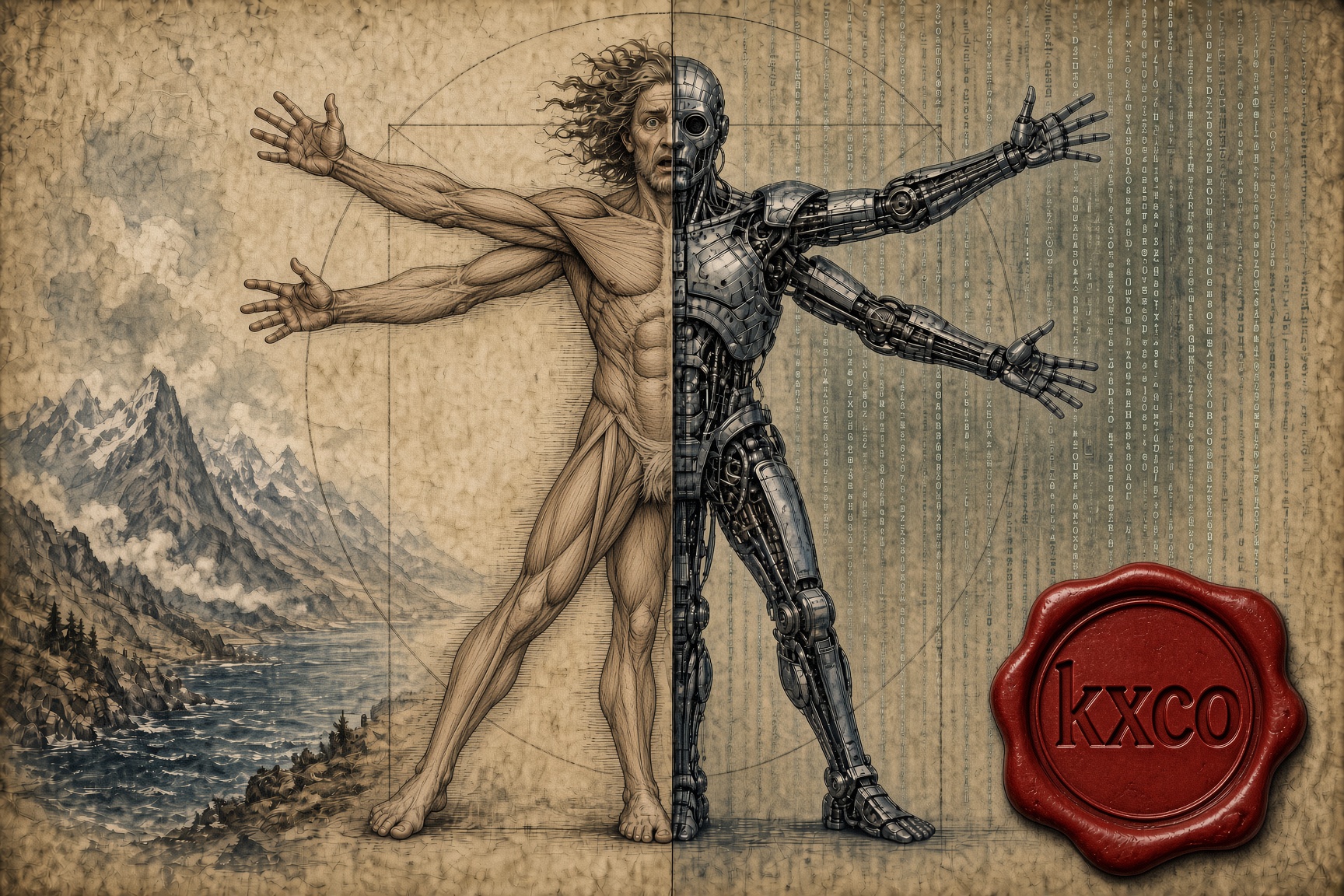
Don't Be the Best, Be the Only: Winning in an AI World
AI is repricing competence downward. What it cannot reproduce is a life. The case for remaining non-fungible, why friction still produces the best ideas, and what it means to build AI systems that keep the human intellect in them.
Every story, signed and delivered.
Subscribe to the kxco channel and get the headline, the AI-written key takeaways, and the chain-anchor link the moment we publish. Audio versions and per-ticker subscriptions arrive in the next iteration.