
Has the Celebrity Craze Usurped True Fashion? A Look at the Shifting Sands of Luxury Brands
The once-sacred halls of haute couture seem to echo with the click of camera shutters and the murmur of publicists rather than the whir of sewing machines and the hushed reverence for intricate craftsmanship. The rise of celebrity endorsements and influencer marketing has undoubtedly cast a long shadow over the traditional role of fashion designers, raising the question: Has the luxury fashion industry truly become dominated by celebrities, leaving designers as mere puppets in a money-making game?
The Allure of Celebrity: There's no denying the power of celebrity. They set trends, command attention, and their association with a brand can instantly catapult it into the stratosphere of desirability. A strategically placed Instagram post featuring a high-profile figure adorned in a brand's latest creation can generate untold amounts of buzz and translate into skyrocketing sales figures.
This phenomenon has birthed a new breed of "celebrity designers," often lacking formal training or design experience, who leverage their fame to launch clothing lines or collaborate with established brands. While some may possess genuine creative vision, others simply ride the wave of their own celebrity, producing fleeting trends with little substance or staying power.
The Designer's Dilemma: In this celebrity-infused landscape, it's easy to feel like traditional designers are becoming an afterthought. Their artistic vision, years of meticulous training, and dedication to pushing creative boundaries can seem overshadowed by the instant gratification of a viral celebrity photo-op.
However, to paint all designers as powerless pawns in this game would be a gross oversimplification. Many retain their creative integrity, meticulously crafting collections that reflect their unique aesthetic and push the boundaries of fashion. They collaborate with celebrities strategically, choosing partners who resonate with their brand and vision, rather than succumbing to mere commercial opportunism.
A Shift, Not a Demise: It's undeniable that the role of the designer has evolved. They are no longer solely cloistered in ateliers, churning out designs. Today, they must navigate the complex world of branding, social media, and celebrity partnerships. These skills, while perhaps beyond the traditional scope of fashion training, are crucial for survival in today's hyper-connected, image-driven landscape.
The true narrative may not be about complete usurpation, but rather a strategic shift in power dynamics. While celebrities hold undeniable influence, designers who stay true to their vision, embrace modern marketing strategies, and collaborate authentically can still flourish.
Ultimately, the future of luxury fashion lies in a synergy between artistic vision and commercial viability. Designers who can navigate this delicate balance, creating designs that are both aesthetically compelling and commercially relevant, will remain the true torchbearers of the industry. They may be sharing the spotlight with celebrities, but their role in shaping the narrative of true fashion remains irreplaceable.
The answer, then, is not a simple binary. The influence of celebrities is undeniable, but the role of the designer is far from obsolete. Instead, it's a story of adaptation, reinvention, and striking a balance between artistic integrity and the realities of the modern fashion landscape. So, while the whispers of "celebrity takeover" may echo through the halls of haute couture, the symphony of true fashion, played by both designers and celebrities, continues to fill the air, ever-evolving, ever-captivating.
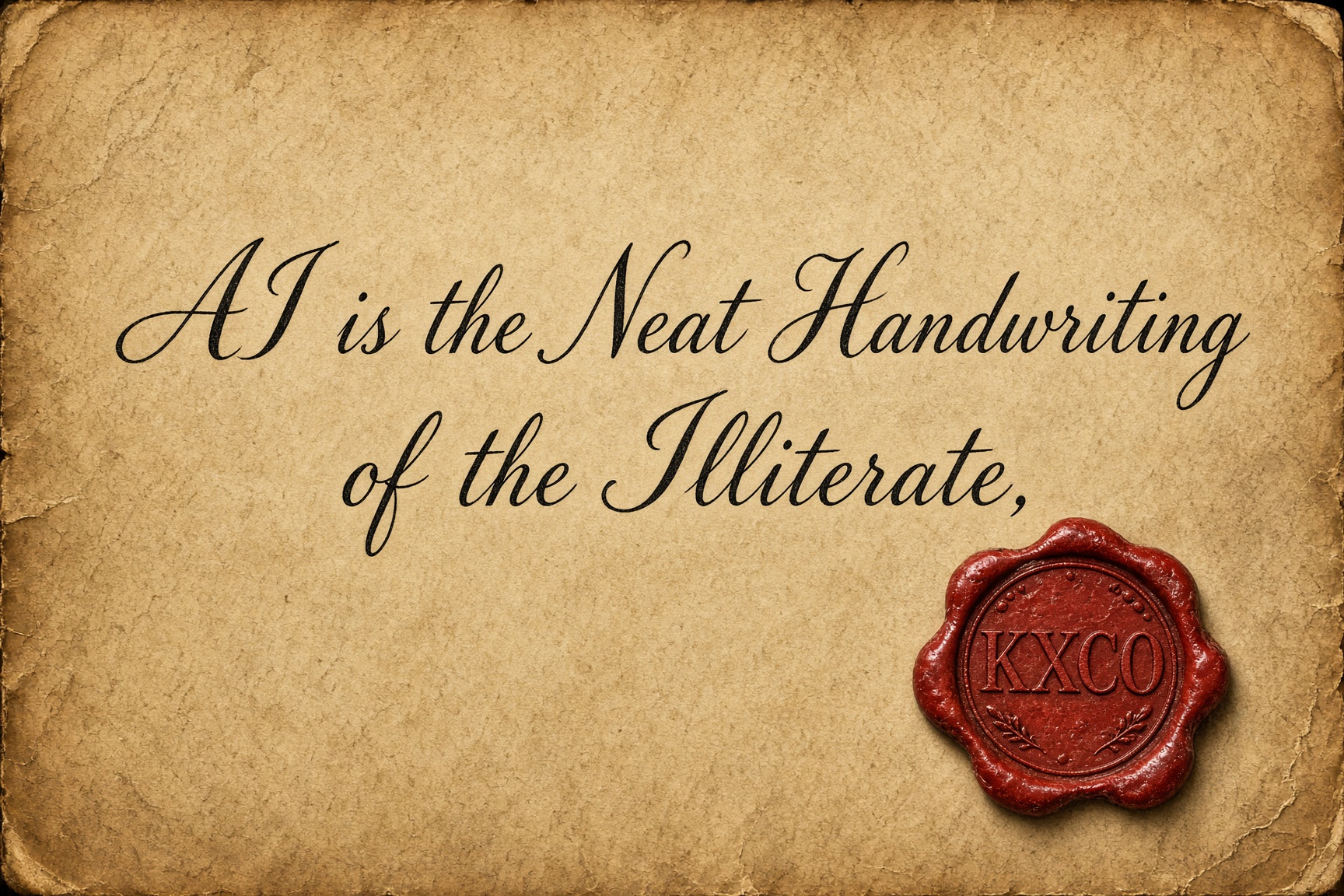
AI is the Neat Handwriting of the Illiterate
A model in the hands of someone who has read the filing and walked the plant is a clerk. The same model, speaking for someone who has done neither, is a disguise. On AI slop, phantom citations and factslop, why finish stopped being evidence of work, and the containment layer KXCO built so a machine cannot speak as the institution until a source is attached.
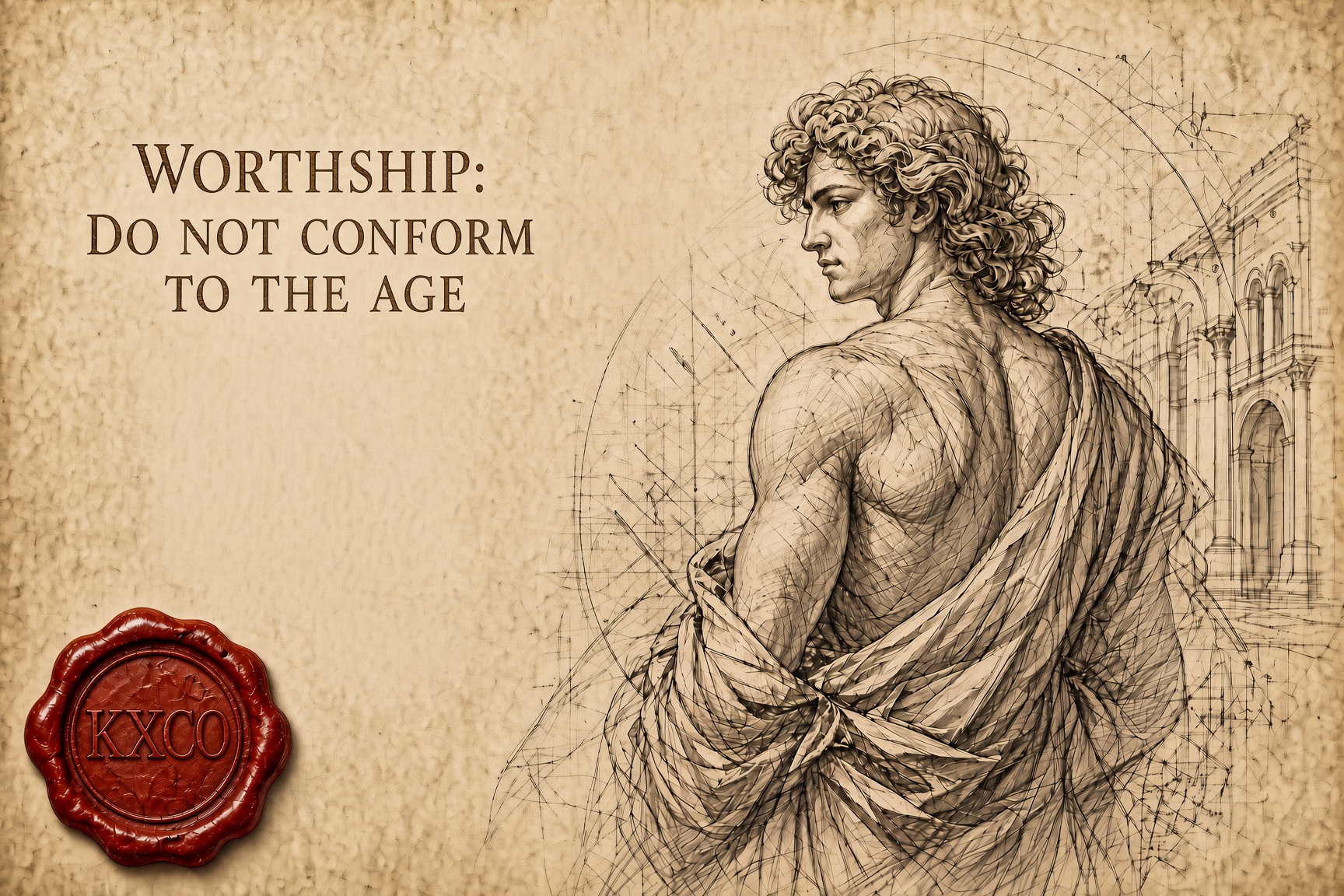
Worthship: Do Not Conform to the Age
Worthship is the older English word for worship, and it means to ascribe worth. Bishop Robert Barron preached Romans 12 on 30 August. This essay follows the text into the prison letters, and puts two questions to a graph: do the four readings of that Sunday agree, and was Paul free or in chains when he wrote about despair?
The Truth in All Its Ugliness Must Survive
A majority vote does not determine the truth. Consensus is a mood, gossip is a sport, and a model will write the pretty version for free. Why the ugly number has to survive, why a record beats a dashboard, and what KXCO was built to keep standing when the room changes its mind.

Don't Be the Best, Be the Only: Winning in an AI World
AI is repricing competence downward. What it cannot reproduce is a life. The case for remaining non-fungible, why friction still produces the best ideas, and what it means to build AI systems that keep the human intellect in them.
Every story, signed and delivered.
Subscribe to the kxco channel and get the headline, the AI-written key takeaways, and the chain-anchor link the moment we publish. Audio versions and per-ticker subscriptions arrive in the next iteration.