
Grand Theft Auto: A Reflection of Societal Decay
Grand Theft Auto (GTA), a wildly popular video game franchise, has long been hailed for its immersive open-world experience and complex narratives. However, as its influence continues to grow, so does the concern surrounding its impact on society. This article explores the argument that GTA, rather than merely a form of entertainment, is indicative of deeper societal decay, perpetuating a concerning narrative that mirrors troubling aspects of our reality.
Normalizing Criminal Behavior: One of the primary concerns raised by critics is the normalization of criminal behavior within the game. GTA allows players to engage in a variety of illegal activities, from petty crimes to heinous acts of violence. Detractors argue that the game blurs the lines between fiction and reality, potentially desensitizing players to the real-world consequences of criminal actions.

Moral Ambiguity: GTA often presents players with morally ambiguous choices, forcing them to navigate a virtual world where ethical considerations are secondary. Critics argue that this moral flexibility may contribute to a shifting societal mindset, where right and wrong become increasingly subjective. The concern is that, over time, players may become desensitized to unethical actions, accepting them as part of a distorted norm.
Violent Content and Aggression: The franchise has faced consistent criticism for its graphic depiction of violence. Critics assert that exposure to such content may contribute to increased aggression and a desensitization to violence, particularly in younger players. As GTA blurs the boundaries between virtual and real-life violence, concerns arise about the potential impact on behavior and societal attitudes toward aggression.
Gender and Cultural Stereotypes: Another area of contention revolves around GTA's portrayal of gender and cultural stereotypes. The game often features one-dimensional characters and reinforces harmful stereotypes, depicting women and minority groups in negative and stereotypical ways. Critics argue that perpetuating these stereotypes within a popular and influential medium contributes to broader societal issues surrounding discrimination and bias.
Online Toxicity: The advent of GTA Online has expanded the franchise's impact, creating a space for online interactions among players. However, this expansion has come with its share of problems, including toxic behavior, harassment, and inappropriate conduct within the gaming community. Detractors argue that this online toxicity reflects and perpetuates negative social dynamics rather than fostering a healthy and inclusive gaming environment.
Conclusion: While GTA undeniably stands as a technological and storytelling marvel within the gaming industry, the concerns surrounding its societal impact are noteworthy. Critics contend that the game, through its portrayal of criminality, violence, and stereotypes, is not merely a reflection of contemporary culture but a contributor to a troubling narrative. As discussions on the influence of video games persist, it becomes crucial to consider the potential consequences of entertainment media on societal values and behaviors.
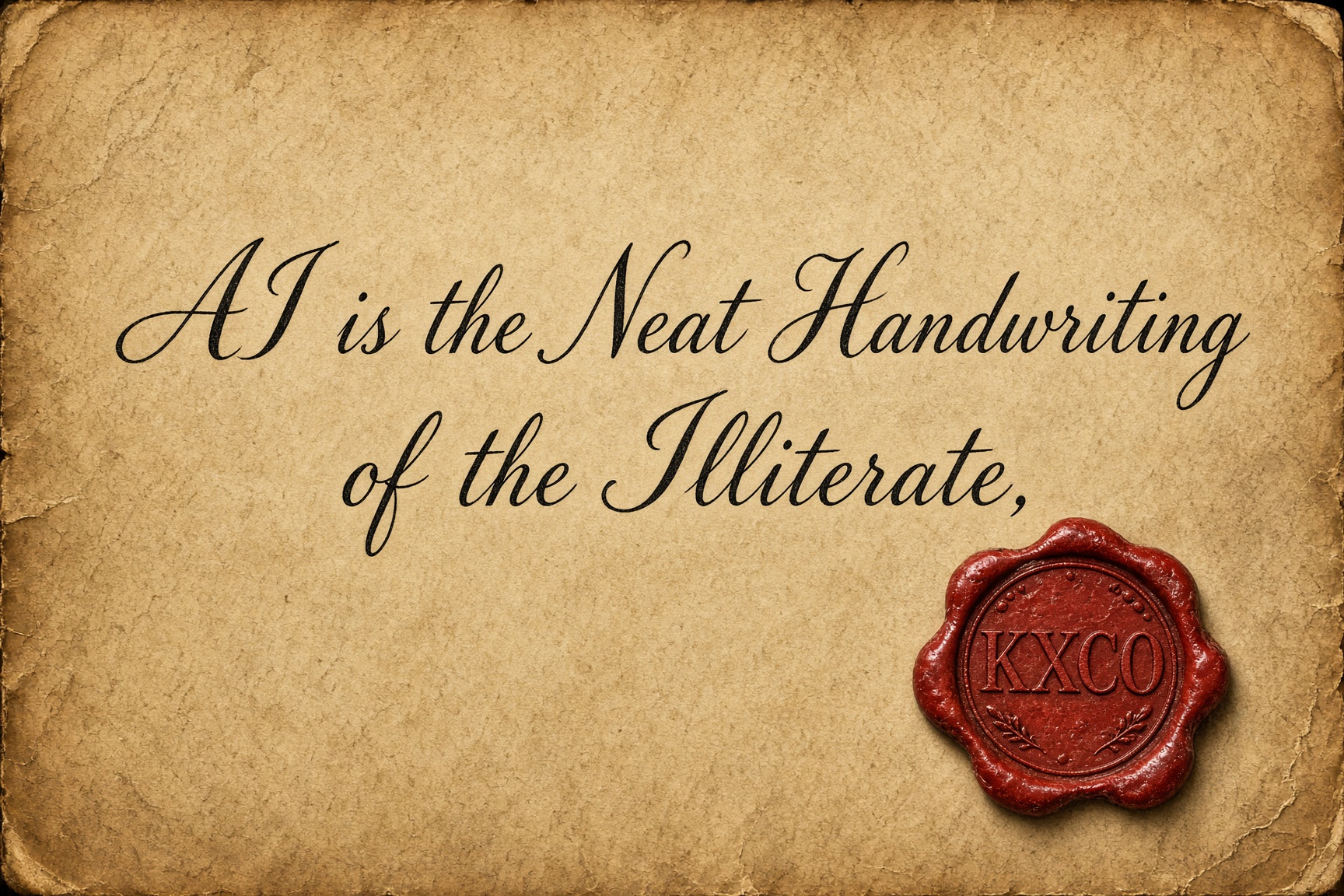
AI is the Neat Handwriting of the Illiterate
A model in the hands of someone who has read the filing and walked the plant is a clerk. The same model, speaking for someone who has done neither, is a disguise. On AI slop, phantom citations and factslop, why finish stopped being evidence of work, and the containment layer KXCO built so a machine cannot speak as the institution until a source is attached.
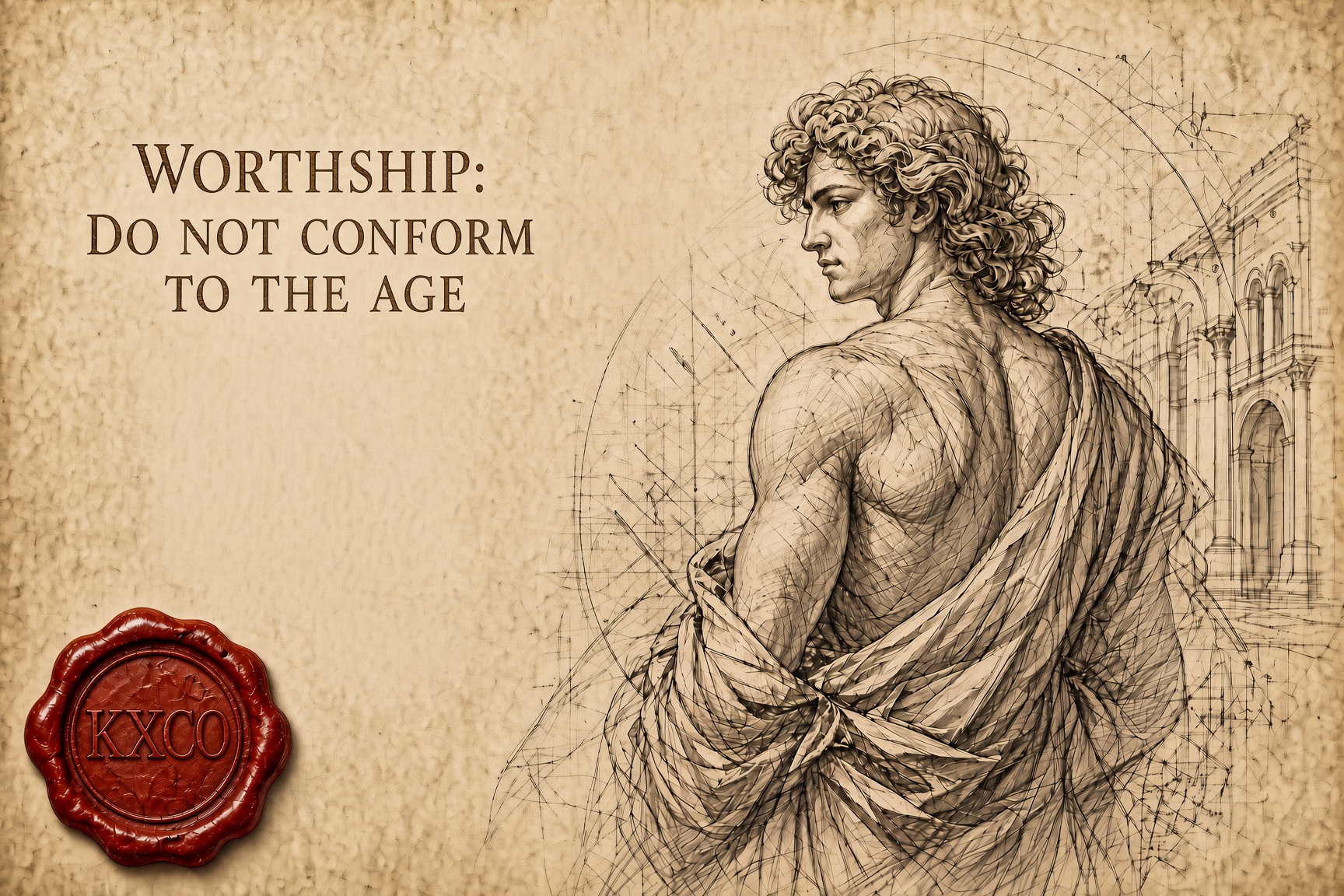
Worthship: Do Not Conform to the Age
Worthship is the older English word for worship, and it means to ascribe worth. Bishop Robert Barron preached Romans 12 on 30 August. This essay follows the text into the prison letters, and puts two questions to a graph: do the four readings of that Sunday agree, and was Paul free or in chains when he wrote about despair?
The Truth in All Its Ugliness Must Survive
A majority vote does not determine the truth. Consensus is a mood, gossip is a sport, and a model will write the pretty version for free. Why the ugly number has to survive, why a record beats a dashboard, and what KXCO was built to keep standing when the room changes its mind.
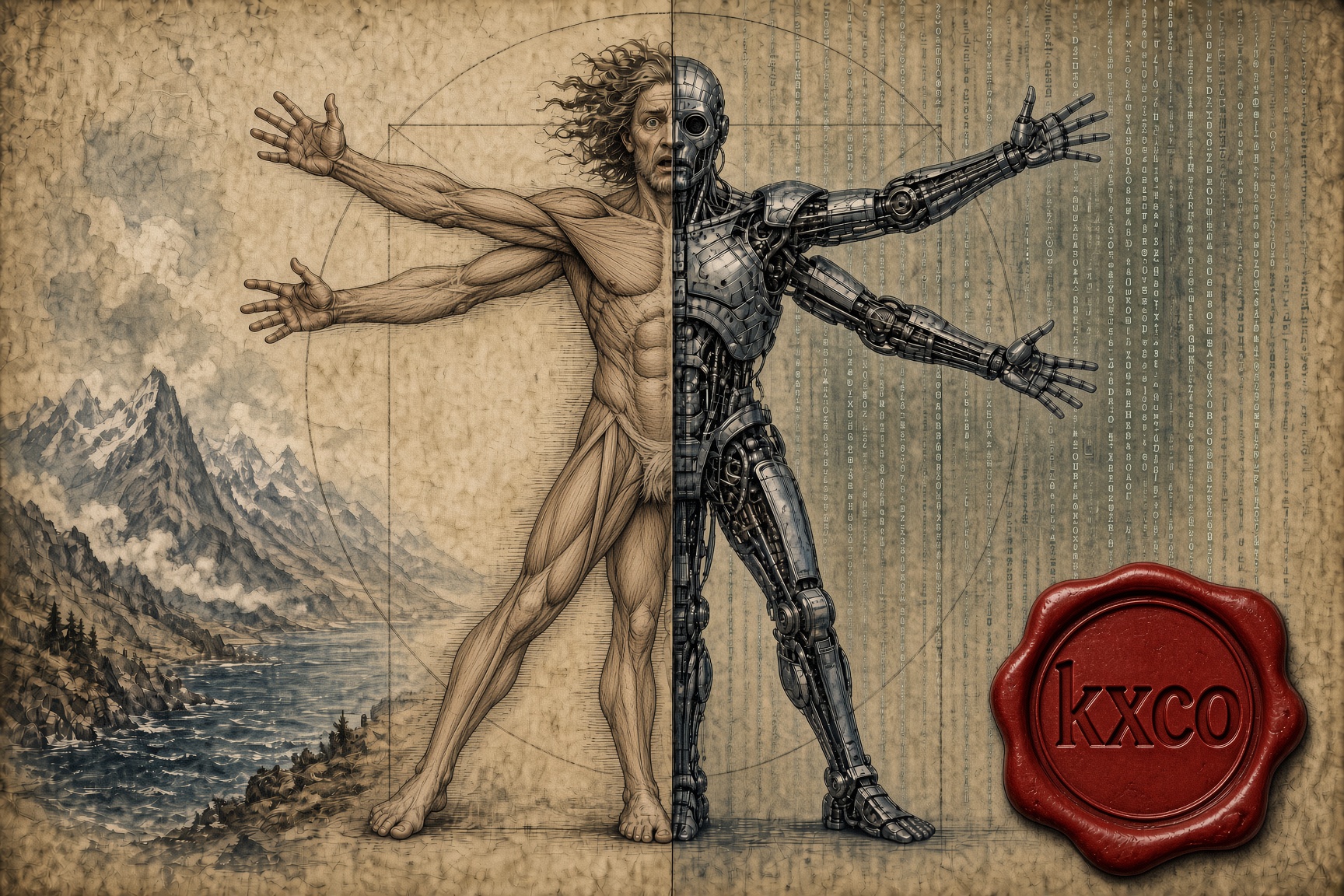
Don't Be the Best, Be the Only: Winning in an AI World
AI is repricing competence downward. What it cannot reproduce is a life. The case for remaining non-fungible, why friction still produces the best ideas, and what it means to build AI systems that keep the human intellect in them.
Every story, signed and delivered.
Subscribe to the kxco channel and get the headline, the AI-written key takeaways, and the chain-anchor link the moment we publish. Audio versions and per-ticker subscriptions arrive in the next iteration.