
GameStop: Revenge of the Nerds
An epic battle is unfolding on Wall Street with a cast of characters clashing over the fate of GameStop, a struggling chain of video game retail stores.
The conflict has sent GameStop on a stomach-churning ride with amateur investors taking on the financial establishment in the mindset of the Occupy Wall Street movement launched a decade ago.
- Why have GameStop shares been so volatile?-
GameStop, a well-known retail chain whose business model of selling games on discs appears to have been overtaken by a move to the internet, has been the target of "short sellers," often big hedge funds which bet on a decline by selling borrowed shares in the hope of repaying at a lower price.
But a group of amateur investors, organizing using the online platform Reddit, has fought the trend. A group calling itself WallStreetBets with some three million members who exchange tips and boast about beating "the system," is credited with pushing up GameStop shares and roiling the Wall Street establishment.
Some analysts have described the situation as a "nerds vs Wall Street" battle.
Jaime Rogozinski, founder of WallStreetBets, said the movement "is able to do what Occupy Wall Street was never able to do but on a completely different angle."
"Occupy Wall Street was fed up with this saying 'It's a game we can't play, you're forgetting the little guy.' Now the little guy figured out a different way around it," he said.
- What is a 'short squeeze'? -
The WallStreetBets followers have been on a GameStop buying spree, which not only pushes up the shares but puts pressure on short sellers to make purchases to "cover" their bets to avoid steeper losses.
This is known on Wall Street as a "short squeeze" and can result on a dizzying rally by forcing short sellers into becoming buyers.
As a result, GameStop surged 18 percent on Monday, another 115 percent Tuesday and had leapt 140 percent during Wednesday's trading session. That followed a stunning 50 percent jump on Friday.
Short sellers, while reviled by some market players, are nonetheless seen as playing an important role in the markets by providing liquidity and driving down overpriced shares.
But at least one GameStop short seller said he walked away from the stock after what he claimed was harassment and threats by an "angry mob."
- Should regulators intervene? -
The extreme volatility has raised concerns about manipulation which could lead to an investigation by stock market regulators, and has even drawn attention from the White House.
"Our economic team including (Treasury) Secretary (Janet) Yellen and others are monitoring the situation," said White House spokeswoman Jen Psaki.
"It's a good reminder, though, that the stock market isn't the only measure of the health of our economy."
Jacob Frenkel, a former enforcement lawyer with the Securities & Exchange Commission, said the situation warrants regulatory review.
It would create a trading pause for 10 days to ensure that all investors would have access to accurate and timely information
One option would be "a trading pause for 10 days to ensure that all investors would have access to accurate and timely information," Frenkel said.
- What happens now? -
The GameStop drama is far from over. And there are signs the movement may be spreading to other shares hit by short sellers
Tesla founder Elon Musk -- who has waged his own battle with short sellers before seeing spectacular gains for the electric carmaker -- appeared to encourage the movement by tweeting a link to the Reddit forum along with the cryptic comment "Gamestonk!!"
Billionaire Chamath Palihapitiya fueled buying this week by buying options, but later told CNBC he had closed out his positions.
"I'd encourage anyone who is dismissive of this to go into WallStreetBets and read the forum," he told the financial news channel.
AMC Entertainment Holdings shares jumped 175 percent on Wednesday and BlackBerry was up some 30 percent with apparent support from the rebel trading group.
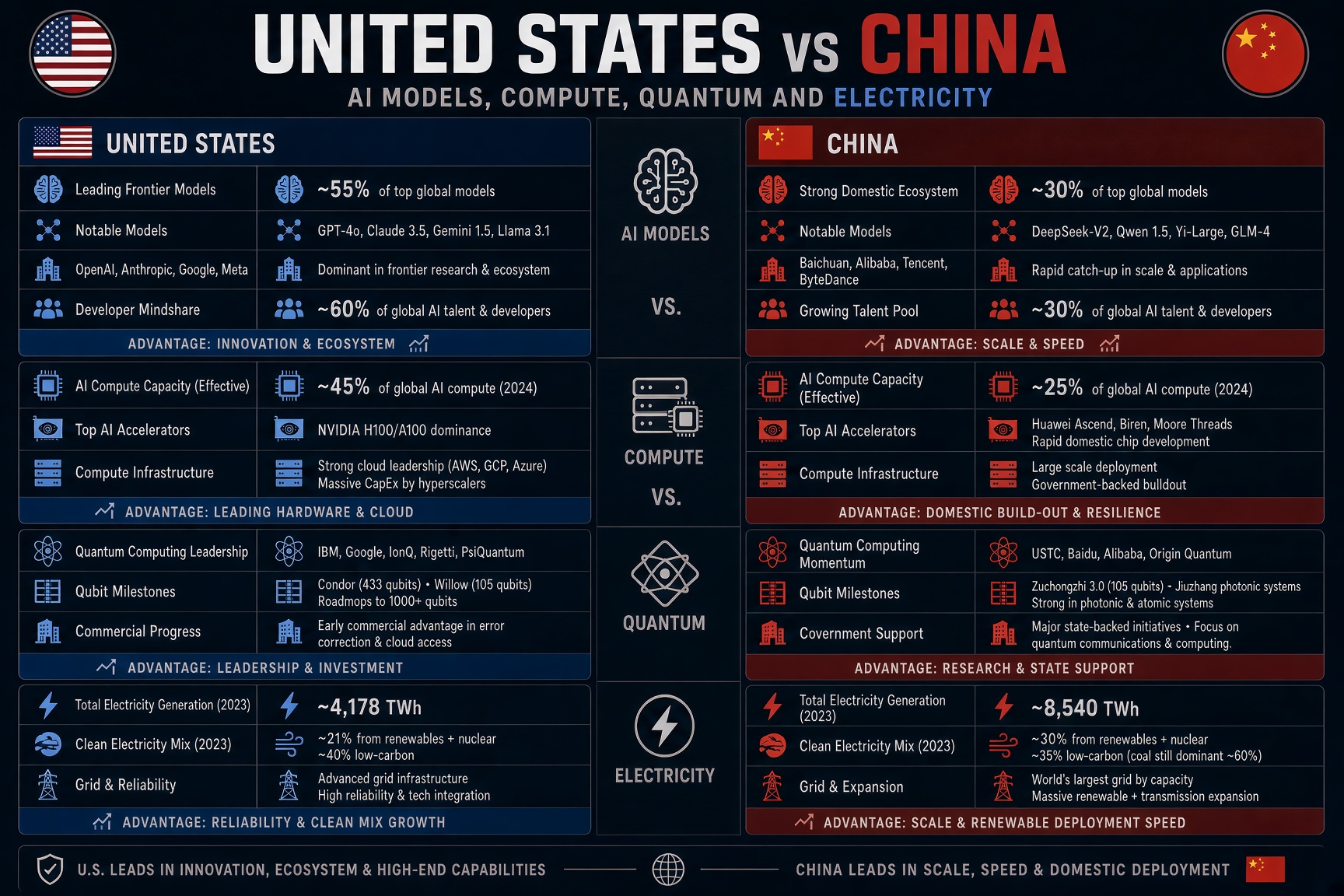
United States vs China: AI Models, Compute, Quantum and Electricity
The United States still leads in frontier model capability, total AI compute and quantum error correction, while China has narrowed the gaps in model performance, open-weight adoption and domestic chip volumes, and holds a structural advantage in power for data centres. Shayne Heffernan sets out the developments from July to October 2026 across models, compute, quantum and electricity, and how fast China is catching up.
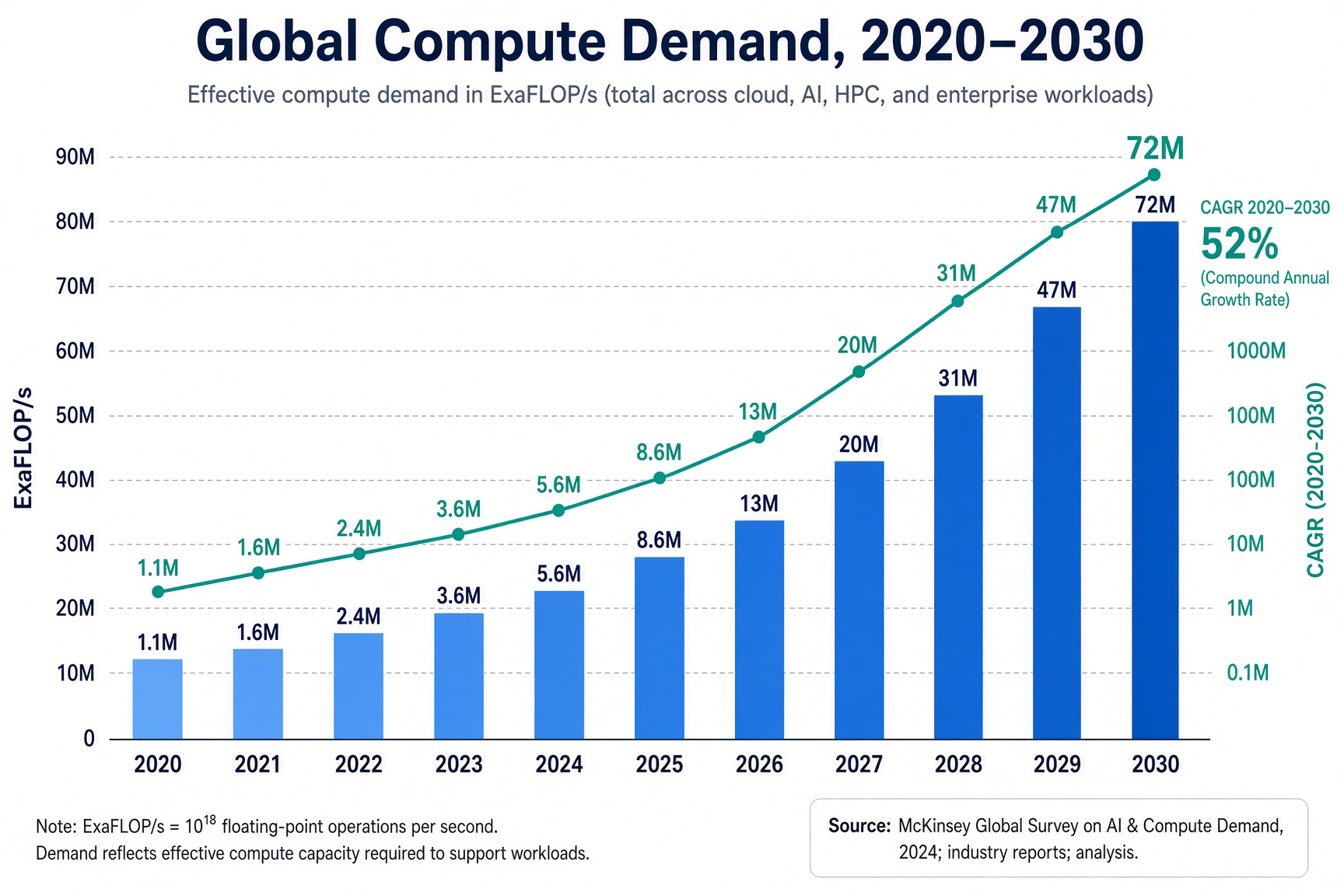
The 2030 Compute Landscape: GPUs, Power and the Architecture of Intelligence
The constraint on AI is no longer ideas or data but compute and the power to run it. Frontier training compute has grown about five times a year since 2020, and the leading AI supercomputer of June 2030 is on course for about 2 million chips and 9 gigawatts. Shayne Heffernan sets out the 2030 arithmetic, the power problem, who has already contracted the gigawatts, and how GPUs, custom ASICs, wafer-scale engines and quantum machines divide the work.
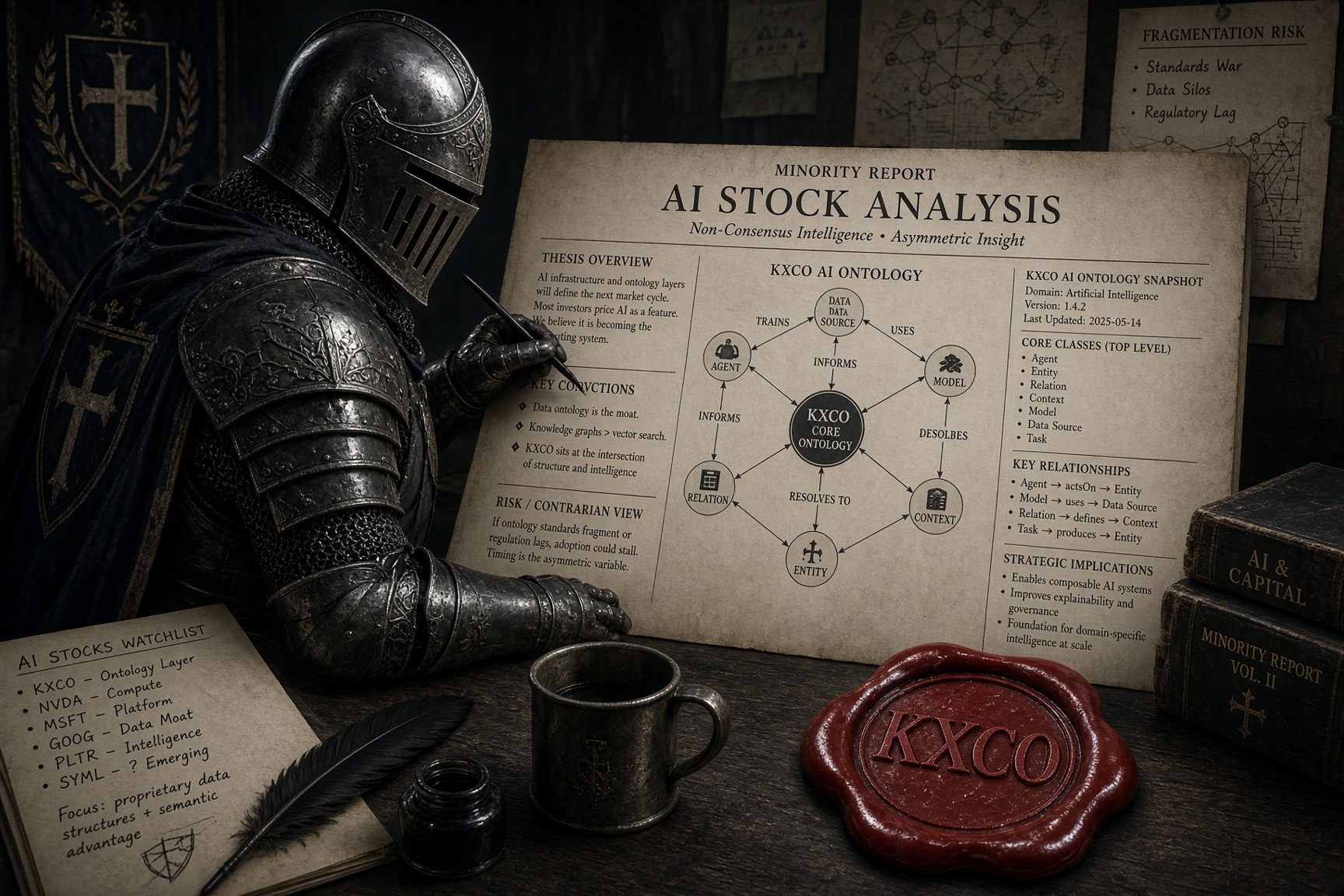
KXCO AI Ontology at 3 Months: What It Called and What Comes Next
On 19 July 2026 the Round Table's AI room published its first Analyst Outlook. To the 16 October 2026 close its 13 names rose 2.6% on an equal weight against 2.1% for QQQ, per StockAnalysis closes, and the six it opened with 35% or more of upside rose 8.6%. This piece lists the six names up more than 5%, the ten names I rate as opportunities now, the month's results in AI and quantum computing, and the official data showing that four in five firms have not yet started using AI.

SpaceX: The Road to 10 Gigawatts
SpaceX did not add an AI business. A company whose processes run on compute built its own computing plant, then built the power to run it. The 10-Q reports 1.4 gigawatts of nameplate compute at 30 June 2026, four leases worth about $41 billion a year and $100 billion of cash. The target is closer to 10 gigawatts than 5 by the end of 2027. This piece sets out the build sequence, the four layers of power in Memphis, and why Terafab is the act after 2027, not the road to it.
Every story, signed and delivered.
Subscribe to the kxco channel and get the headline, the AI-written key takeaways, and the chain-anchor link the moment we publish. Audio versions and per-ticker subscriptions arrive in the next iteration.