
Fur Ban Would Harm Environment
In response to calls from British fashion designers for the United Kingdom to ban the sale of natural fur, the Natural Fibers Alliance notes that plastic isn't fashionable.
Following the lobbying efforts from a small group of activists, several British designers including Stella McCartney, Vivienne Westwood, and Erdem Moralioglu are asking British Prime Minister Boris Johnson to ban the sale of natural fiber in the UK. This would set the UK back in its efforts to improve environmental sustainability. Moreover, the move could be seen as a cynical attempt by businesses to use the government to harm their competition.
Synthetic clothing is one of the top global polluters of waterways. Researchers estimate that synthetic fabrics alone are responsible for up to 35% of microplastic pollution in our oceans; synthetic clothing "sheds" microparticles when cleaned. Natural fibers, in contrast, are a sustainable and renewable resource.
"Designers should know freedom of expression, freedom of choice, and sustainability are vital in fashion," commented Mike Brown, head of sustainability and communications at the Natural Fibers Alliance. "Their advocacy in favor of plastic clothing is tacky and short-sighted."
These designers should be careful what they wish for. The primary backers of a fur ban—a small group of fringe activist—want to ban the use of natural animal-derived fibers, including those used by the aforementioned anti-natural fiber designers. Stella McCartney uses wool; Vivienne Westwood uses leather; and Erdem uses silk.
A number of fashion industry leaders have spoken in favor of fur and sustainability. Yves Salomon says: "The biggest issue facing the planet today is plastic, which I think is far more important than the debate over fur." Astrid Andersen remarks: "For me, fur is the most sustainable material you can work with." Silvia Fendi adds: "Fur is durable—you don't even need to wash it—and it's totally biodegradable."
The Natural Fibers Alliance is a newly formed environmental justice coalition that represents the interests of wool, leather, fur, and other naturally produced materials. For additional comment or questions, contact Nick Crawford at [email protected].
AI is the Neat Handwriting of the Illiterate
A model in the hands of someone who has read the filing and walked the plant is a clerk. The same model, speaking for someone who has done neither, is a disguise. On AI slop, phantom citations and factslop, why finish stopped being evidence of work, and the containment layer KXCO built so a machine cannot speak as the institution until a source is attached.
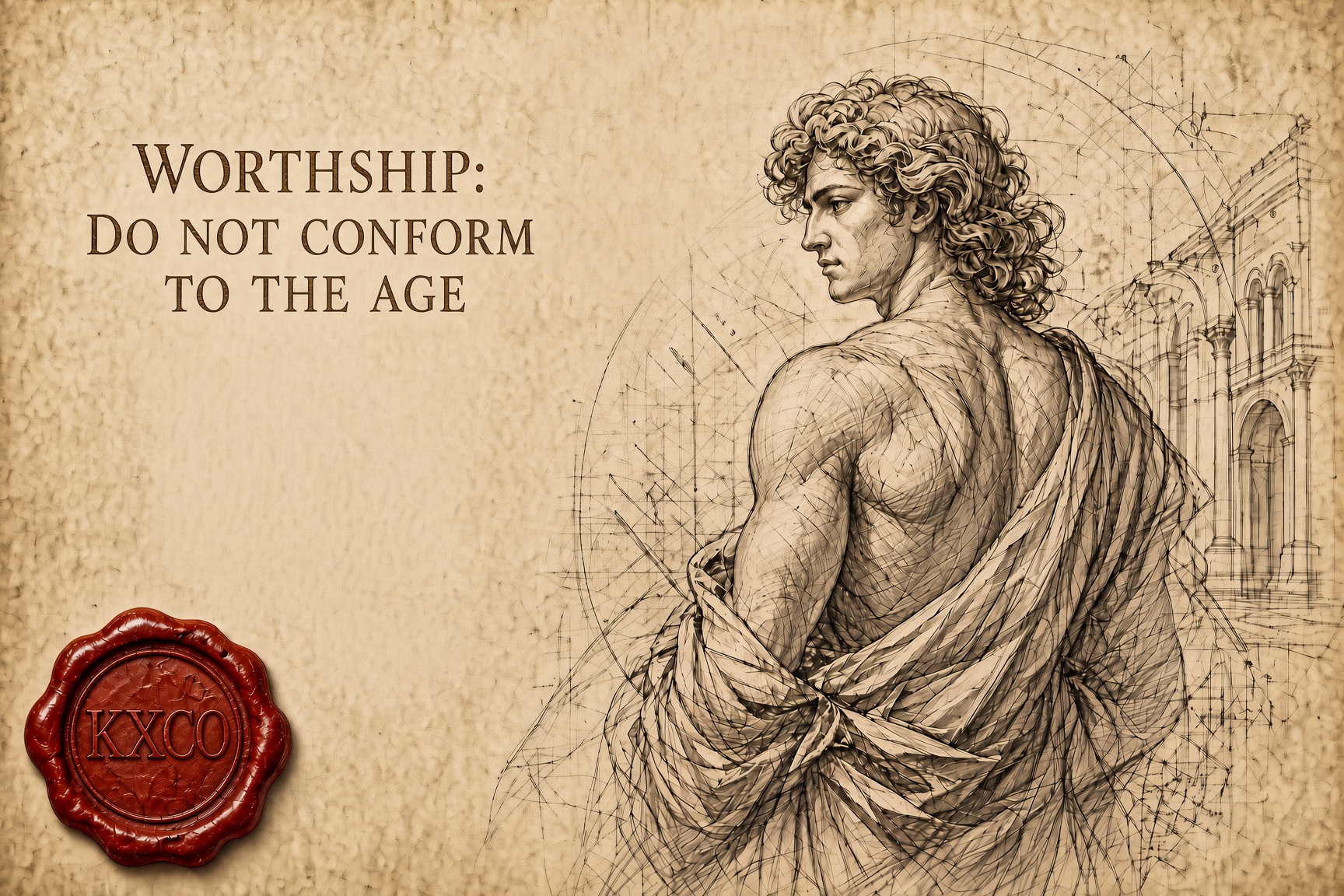
Worthship: Do Not Conform to the Age
Worthship is the older English word for worship, and it means to ascribe worth. Bishop Robert Barron preached Romans 12 on 30 August. This essay follows the text into the prison letters, and puts two questions to a graph: do the four readings of that Sunday agree, and was Paul free or in chains when he wrote about despair?
The Truth in All Its Ugliness Must Survive
A majority vote does not determine the truth. Consensus is a mood, gossip is a sport, and a model will write the pretty version for free. Why the ugly number has to survive, why a record beats a dashboard, and what KXCO was built to keep standing when the room changes its mind.

Don't Be the Best, Be the Only: Winning in an AI World
AI is repricing competence downward. What it cannot reproduce is a life. The case for remaining non-fungible, why friction still produces the best ideas, and what it means to build AI systems that keep the human intellect in them.
Every story, signed and delivered.
Subscribe to the kxco channel and get the headline, the AI-written key takeaways, and the chain-anchor link the moment we publish. Audio versions and per-ticker subscriptions arrive in the next iteration.