
FTX Sam Bankman-Fried CNBC Sham
Former FTX Chief Executive Sam Bankman-Fried apologized for a "lot of mistakes" in the abrupt collapse of the cryptocurrency firm and said he did not knowingly behave fraudulently as CNBC seemed to provide a platform to convince the world FTX was a mistake removing the heat now on their Democrat overlords.
"I didn't ever try to commit fraud on anyone," Bankman-Fried told the Dealbook conference on CNBC, apparently he did it without any effort at all.
"I'm deeply sorry about what happened," Bankman-Fried said is a well rehearsed cry for pity the base of the CNBC interview.
Bankman-Fried, appearing by video from the Bahamas, said he was "shocked" by many of the details that have surfaced since the cryptocurrency platform's collapse.
On November 11, Bankman-Fried resigned as FTX filed for bankruptcy protection while facing a large financing shortfall.
Much attention has focused on the relationship between FTX and Alameda Research, a trading house also owned by Bankman-Fried.
Bankman-Fried acknowledged an "embarrassing" lack of attention to conflict of interest between the two firms, but insisted that he was not abreast of the details on Alameda.
He said that he was surprised at the scale of Alameda's positions on FTX that were troubled and which ultimately stressed the firm.
"I didn't think it was existential for FTX," Bankman-Fried said of Alameda's financial stress, adding that he thought the problem would "end up having some small impact on FTX, but not a significant one, not one that hurt customers at all."
Financial media correctly have reported that FTX executives knew the platform was using billions in customer funds to prop up Alameda.
Bankman-Fried lied when he said he didn't knowingly "comingle" funds between the two firms.
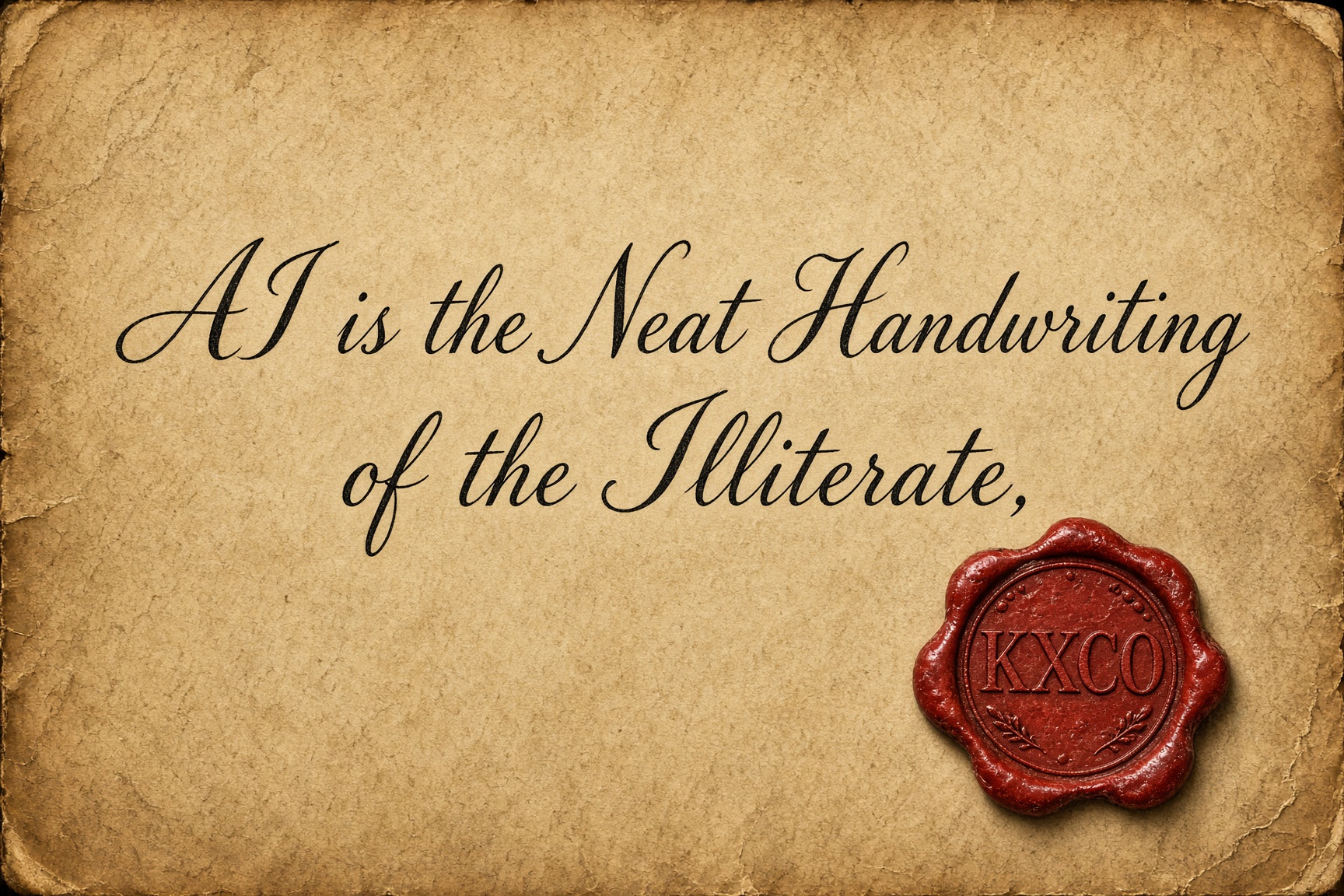
AI is the Neat Handwriting of the Illiterate
A model in the hands of someone who has read the filing and walked the plant is a clerk. The same model, speaking for someone who has done neither, is a disguise. On AI slop, phantom citations and factslop, why finish stopped being evidence of work, and the containment layer KXCO built so a machine cannot speak as the institution until a source is attached.
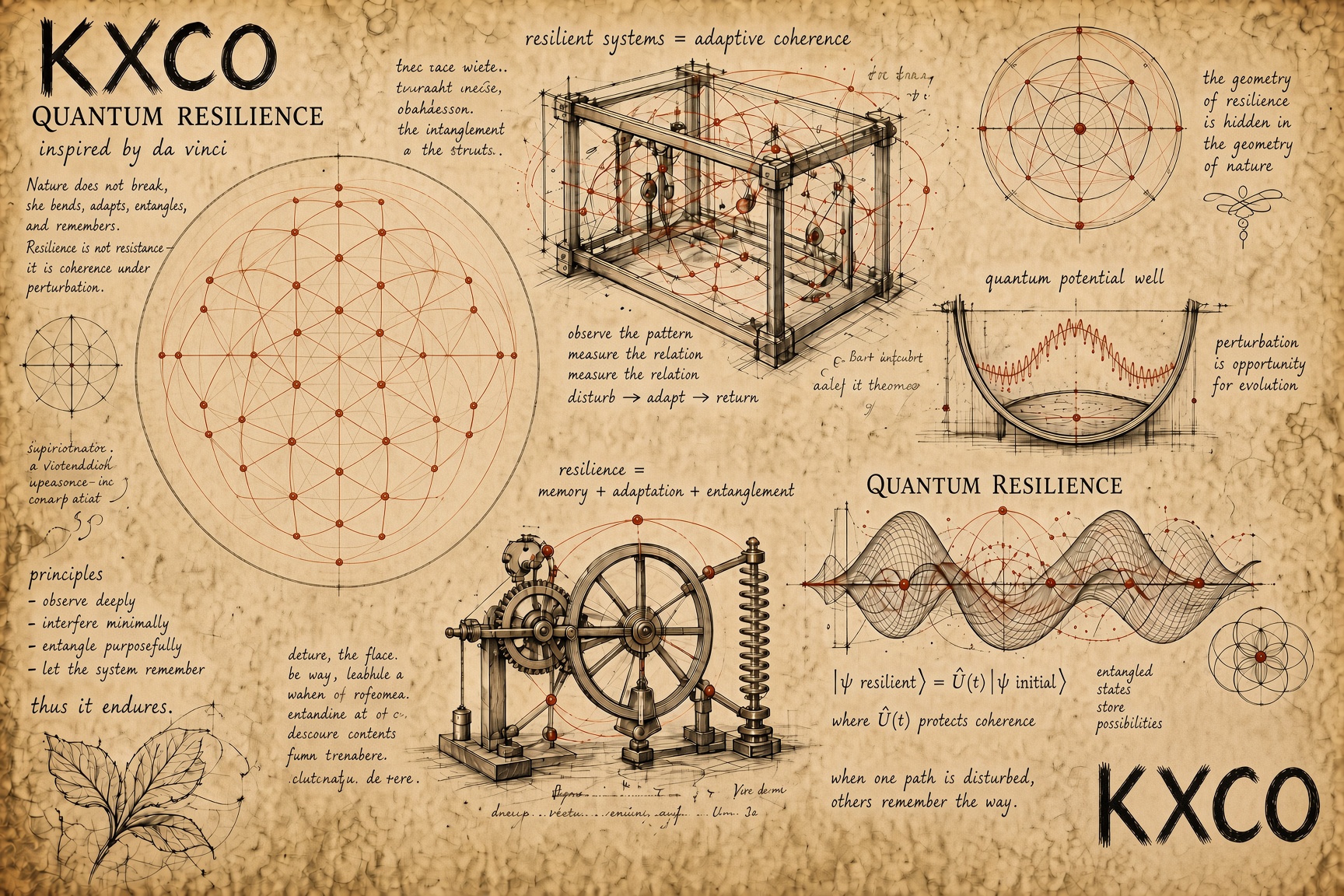
KXCO Put Its Quantum Cryptography in Public, With the Receipts Attached
KXCO has published the cryptography under its entire platform as fourteen open packages, and attached the evidence: NIST conformance, interoperability with three independent implementations, build provenance and reproducible releases. Every claim is checkable by a stranger.
The Truth in All Its Ugliness Must Survive
A majority vote does not determine the truth. Consensus is a mood, gossip is a sport, and a model will write the pretty version for free. Why the ugly number has to survive, why a record beats a dashboard, and what KXCO was built to keep standing when the room changes its mind.
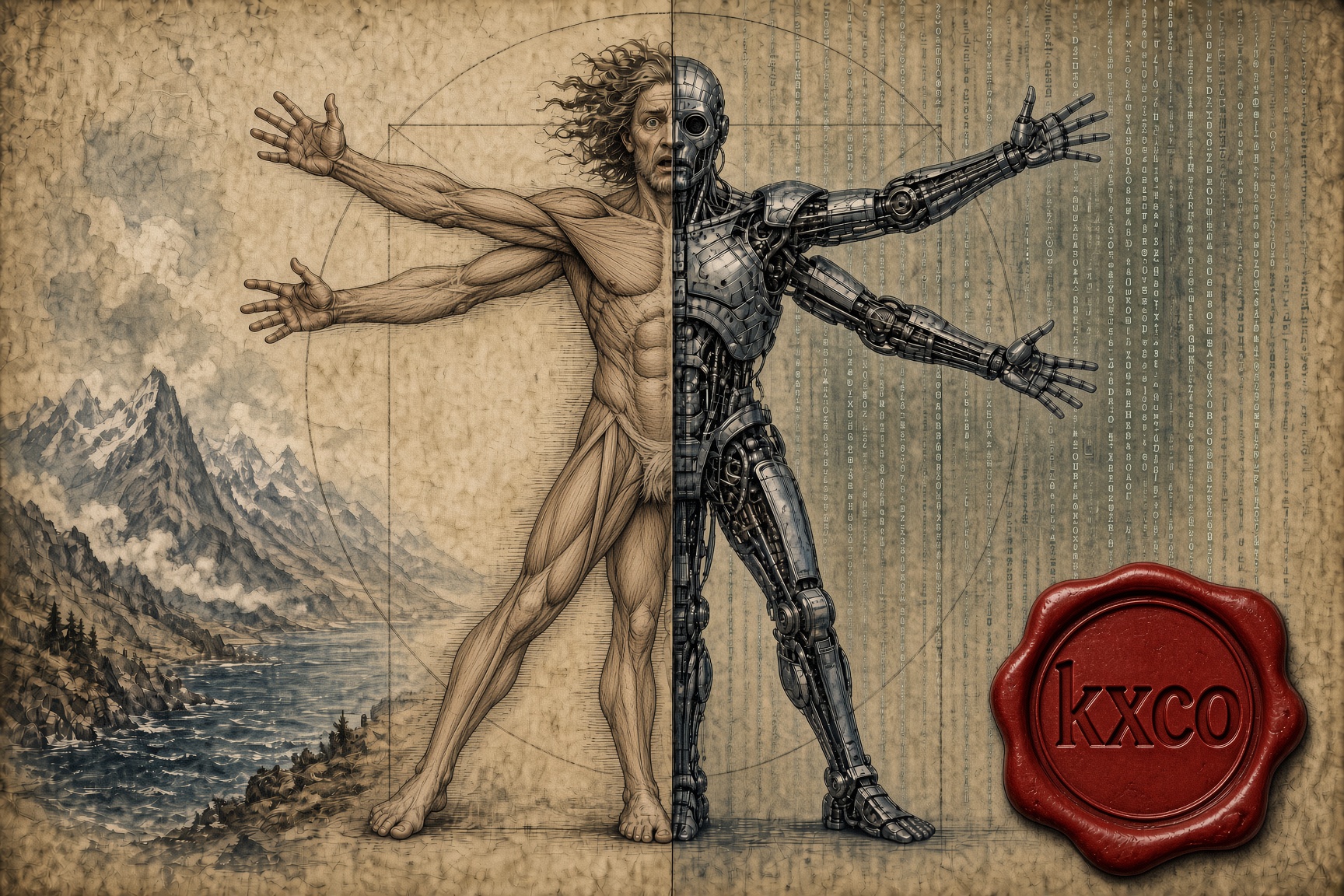
Don't Be the Best, Be the Only: Winning in an AI World
AI is repricing competence downward. What it cannot reproduce is a life. The case for remaining non-fungible, why friction still produces the best ideas, and what it means to build AI systems that keep the human intellect in them.
Every story, signed and delivered.
Subscribe to the kxco channel and get the headline, the AI-written key takeaways, and the chain-anchor link the moment we publish. Audio versions and per-ticker subscriptions arrive in the next iteration.