
Food, Bitcoin and Inflation
There is ample evidence to support the claim that Bitcoin can be a hedge against inflation. For example, a study by the National Bureau of Economic Research found that Bitcoin outperformed traditional inflation hedges, such as gold and the S&P 500, during periods of high inflation.
Why Bitcoin:
Limited supply: Bitcoin has a limited supply of 21 million coins, which makes it a scarce asset. This scarcity could make it a good hedge against inflation, as the price of Bitcoin could rise if the supply of fiat currency increases.
Decentralized: Bitcoin is a decentralized asset, meaning that it is not subject to government or central bank control. This could make it a more attractive investment than traditional assets, which are more vulnerable to government intervention.
Portability: Bitcoin is a portable asset, meaning that it can be easily transferred from one person to another. This makes it a good option for investors who want to protect their assets from inflation in their home country.
The International Monetary Fund (IMF) warned that the termination of the Black Sea grain deal threatens to exacerbate global food insecurity and cause prices to surge, especially in poorer countries.
The UN-brokered deal between Russia and Ukraine, enabling safe passage for Ukrainian agricultural exports via the Black Sea, was scrapped earlier this week.
“The discontinuation of the initiative impacts the food supply to countries that rely heavily on shipments from Ukraine, in particular in North Africa, the Middle East, and South Asia,” an IMF spokesperson said, as cited by Reuters.
“It worsens the food security outlook and risks adding to global food inflation, especially for low-income countries.”
The spokesperson noted that the deal had been an important factor for global food security, in that it helped facilitate grain and fertilizer exports from Ukraine to the global market, thereby easing the pressure on international food prices. He added that the lender will continue to monitor the situation in the region and the impact of any developments on global food security.
Moscow announced its decision to terminate the grain deal on Monday morning, citing the failure of the other parties to meet their commitments regarding Russia’s agricultural exports.
The original agreement was accompanied by a Russia-UN memorandum aimed at facilitating Russian exports by easing sanctions affecting them. The document, among other things, called for Russia’s agricultural lender, Rosselkhozbank, to be reconnected to the SWIFT interbank messaging system, for deliveries of spare parts for agricultural machinery to be enabled, and for restrictions on insurance and logistics to be lifted. None of these demands have been met so far.
Spokesman Dmitry Peskov said Moscow will immediately return to the arrangement when its conditions are fulfilled. He added that Russia is ready to supply grain to low-income countries most affected by food insecurity, free of charge.
AI is the Neat Handwriting of the Illiterate
A model in the hands of someone who has read the filing and walked the plant is a clerk. The same model, speaking for someone who has done neither, is a disguise. On AI slop, phantom citations and factslop, why finish stopped being evidence of work, and the containment layer KXCO built so a machine cannot speak as the institution until a source is attached.
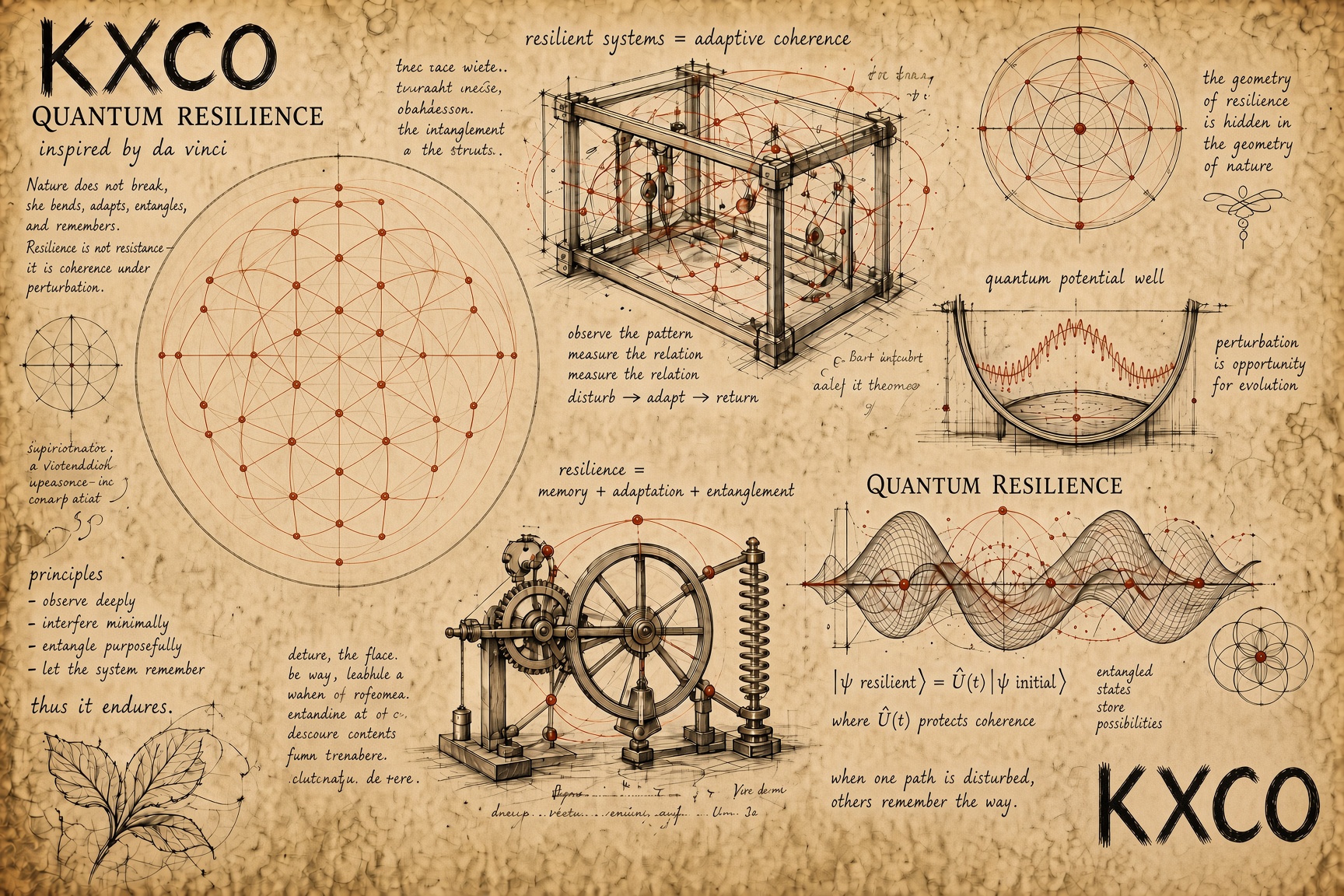
KXCO Put Its Quantum Cryptography in Public, With the Receipts Attached
KXCO has published the cryptography under its entire platform as fourteen open packages, and attached the evidence: NIST conformance, interoperability with three independent implementations, build provenance and reproducible releases. Every claim is checkable by a stranger.
Worthship: Do Not Conform to the Age
Worthship is the older English word for worship, and it means to ascribe worth. Bishop Robert Barron preached Romans 12 on 30 August. This essay follows the text into the prison letters, and puts two questions to a graph: do the four readings of that Sunday agree, and was Paul free or in chains when he wrote about despair?
The Truth in All Its Ugliness Must Survive
A majority vote does not determine the truth. Consensus is a mood, gossip is a sport, and a model will write the pretty version for free. Why the ugly number has to survive, why a record beats a dashboard, and what KXCO was built to keep standing when the room changes its mind.
Every story, signed and delivered.
Subscribe to the kxco channel and get the headline, the AI-written key takeaways, and the chain-anchor link the moment we publish. Audio versions and per-ticker subscriptions arrive in the next iteration.