
Facebook is Loving the Pandemic
Facebook profit surged in the final three months of last year as people enduring the holidays in a pandemic turned to the leading social network for work and pleasure, the company said Wednesday.
Facebook reported profit of $11.2 billion on revenue of $28 billion, increases of 53 percent and 33 percent when compared with the same period the prior year.
"We had a strong end to the year as people and businesses continued to use our services during these challenging times," said Facebook chief executive Mark Zuckerberg.
Facebook said its core social network had some 2.8 billion users at the end of December while 3.3 billion people used at least one of its "family" of apps including Instagram, WhatsApp and Messenger.
Facebook shares that ended the formal trading day down 3.5 percent remained little changed in after-market trades that followed release of the earnings figures.
The Silicon Valley colossus noted in the release that it faces "significant uncertainty" in the coming year.
Facebook takes in the bulk of its revenue from advertising, and said that it benefited as the pandemic accelerated a shift to online commerce, particularly for products as opposed to services such as booking travel.
"Looking forward, a moderation or reversal in one or both of these trends could serve as a headwind to our advertising revenue growth," Facebook said in the release.
- Eye on Apple -
Facebook also warned that it expects to face strong "headwinds" on an evolving regulatory landscape and from moves such as an Apple change to its mobile operating system making it tougher to target ads.
"While the timing of the iOS 14 changes remains uncertain, we would expect to see an impact beginning late in the first quarter," Facebook said.
The social networking giant last month opened fire on Apple, saying the iPhone maker's new measures on data collection and targeted ads would hurt small businesses.
The dispute between the tech giants centers on changes in the latest version of Apple's iOS operating software, which include a tracking transparency feature that Facebook claims will cripple its ability to serve up targeted ads.
Many of Facebook's advertisers are small businesses, and it says it relies on user data to generate ads in ways that make them more relevant and likely to make money.
"This is about control of the entire internet and how they attempt to control personalized advertising," Facebook vice president of business products Dan Levy said in a conference call at the time.
At a data privacy conference in Brussels late last year, Apple senior vice president of software engineering Craig Federighi predicted the new iOS features would cause drama.
"It's already clear that some companies are going to do everything they can to stop the App Tracking Transparency feature... and to maintain their unfettered access to people's data," Federighi said.
"We need the world to see those arguments for what they are: a brazen attempt to maintain the privacy-invasive status quo."
Changes coming in iOS 14, the software that powers iPhones and iPads, include requiring apps to ask users for permission via the tracking feature to collect and share device-identifying data.
That data is then linked with other user and device data to generate targeted ads.

AI is the Neat Handwriting of the Illiterate
A model in the hands of someone who has read the filing and walked the plant is a clerk. The same model, speaking for someone who has done neither, is a disguise. On AI slop, phantom citations and factslop, why finish stopped being evidence of work, and the containment layer KXCO built so a machine cannot speak as the institution until a source is attached.
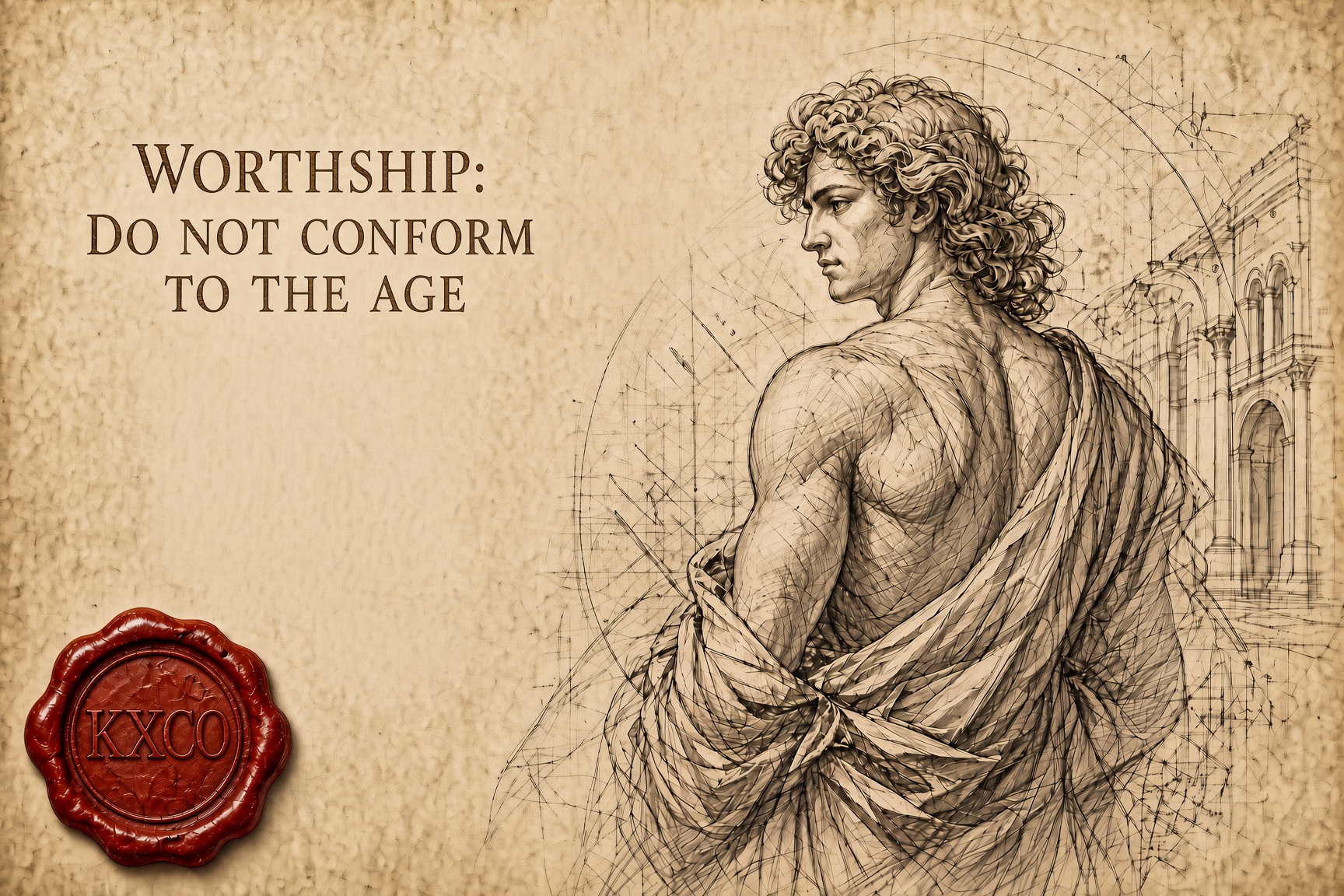
Worthship: Do Not Conform to the Age
Worthship is the older English word for worship, and it means to ascribe worth. Bishop Robert Barron preached Romans 12 on 30 August. This essay follows the text into the prison letters, and puts two questions to a graph: do the four readings of that Sunday agree, and was Paul free or in chains when he wrote about despair?
The Truth in All Its Ugliness Must Survive
A majority vote does not determine the truth. Consensus is a mood, gossip is a sport, and a model will write the pretty version for free. Why the ugly number has to survive, why a record beats a dashboard, and what KXCO was built to keep standing when the room changes its mind.

Don't Be the Best, Be the Only: Winning in an AI World
AI is repricing competence downward. What it cannot reproduce is a life. The case for remaining non-fungible, why friction still produces the best ideas, and what it means to build AI systems that keep the human intellect in them.
Every story, signed and delivered.
Subscribe to the kxco channel and get the headline, the AI-written key takeaways, and the chain-anchor link the moment we publish. Audio versions and per-ticker subscriptions arrive in the next iteration.