
Europe Moves Enslave Citizens
The European Union has decided to limit cash purchases to €10,000 and ensure more scrutiny on crypto transactions above €1,000.
Members of the bloc announced this on December 7, stating that it was part of efforts to prevent money laundering but in reality it is another removal of Freedom that will lead to a dystopian 1984 style society.
The EU has taken every possible step towards Cultural and Financial Marxism. According to Marx's theory of historical materialism, societies pass through six stages — primitive communism, slave society, feudalism, capitalism, socialism and finally global, stateless communism.
Limiting cash can have a negative impact on the economy. When cash is limited, it can lead to a decrease in spending, which can lead to a decrease in economic activity. This can lead to slow growth and decreased employment opportunities. It can also lead to greater financial inequality, as those who rely on cash and other informal forms of payment can be disproportionately affected. Additionally, limiting cash can lead to a decrease in financial inclusion, as those who do not have access to or cannot easily use digital forms of payment can be excluded from participating in the economy.
When society loses its freedom, people can experience a range of negative consequences. People may be denied the right to speak out or practice their religious beliefs and can be subject to oppressive laws or dictatorships. In extreme cases, people can lose their rights to vote, or their right to live in safety and security. They may also suffer from economic hardship as a result of restrictions on trade and movement. People may also be exposed to increased levels of violence and discrimination.
The European Commission (EC) is planning to combat tax fraud and evasion in the crypto sector by making all digital asset service providers report transactions involving customers residing in the EU.
A mechanism to force companies outside of the bloc to disclose user holdings is currently being developed. According to the EC, tax authorities currently lack proper information about the gains of crypto holders, limiting the tax revenues derived from the sector.
The proposed rules, known as the eighth Directive on Administrative Cooperation (DAC8) seek to target billions of euros in taxes from crypto assets stashed abroad. According to EC estimates, member states lost €93 billion ($97.8 billion) in 2020 in VAT revenues, a quarter of which can be conservatively attributed to fraud.
“The cover of anonymity, the fact that there are more than 9,000 different crypto assets currently available, and the inherently digital nature of the trade mean that many crypto asset users that are making huge profits fall under the radar of national tax authorities,” the European Commissioner for Economy, Paolo Gentiloni, said in a statement on Thursday, adding that this is not acceptable.
Moreover, the EU’s executive arm has proposed extending the reporting obligations of financial institutions to cover e-money and digital currencies.
The proposal, which comes in line with new reporting rules, will need the unanimous approval of the bloc’s 27 member states. It is expected to come into force in January 2026.
AI is the Neat Handwriting of the Illiterate
A model in the hands of someone who has read the filing and walked the plant is a clerk. The same model, speaking for someone who has done neither, is a disguise. On AI slop, phantom citations and factslop, why finish stopped being evidence of work, and the containment layer KXCO built so a machine cannot speak as the institution until a source is attached.
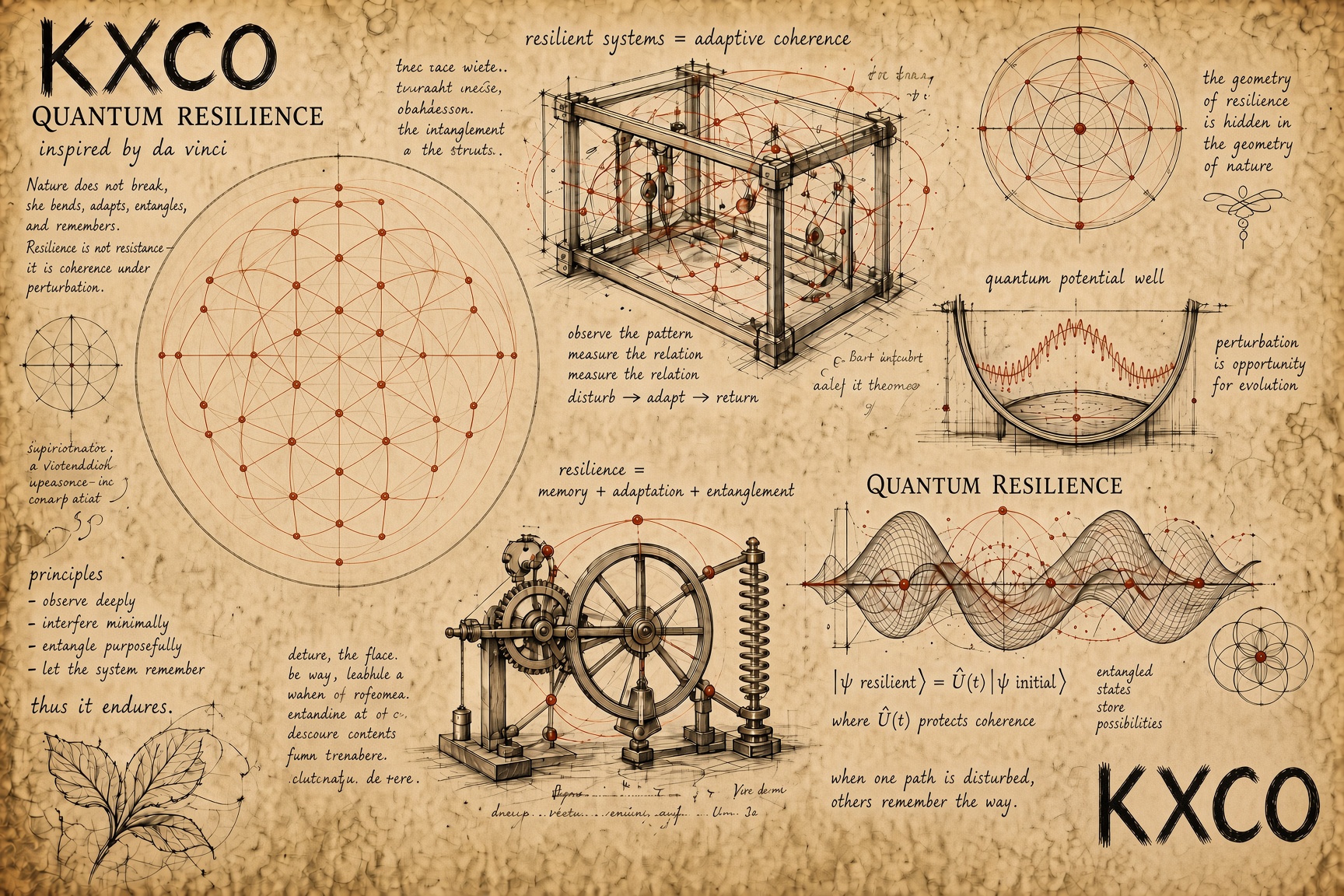
KXCO Put Its Quantum Cryptography in Public, With the Receipts Attached
KXCO has published the cryptography under its entire platform as fourteen open packages, and attached the evidence: NIST conformance, interoperability with three independent implementations, build provenance and reproducible releases. Every claim is checkable by a stranger.
The Truth in All Its Ugliness Must Survive
A majority vote does not determine the truth. Consensus is a mood, gossip is a sport, and a model will write the pretty version for free. Why the ugly number has to survive, why a record beats a dashboard, and what KXCO was built to keep standing when the room changes its mind.
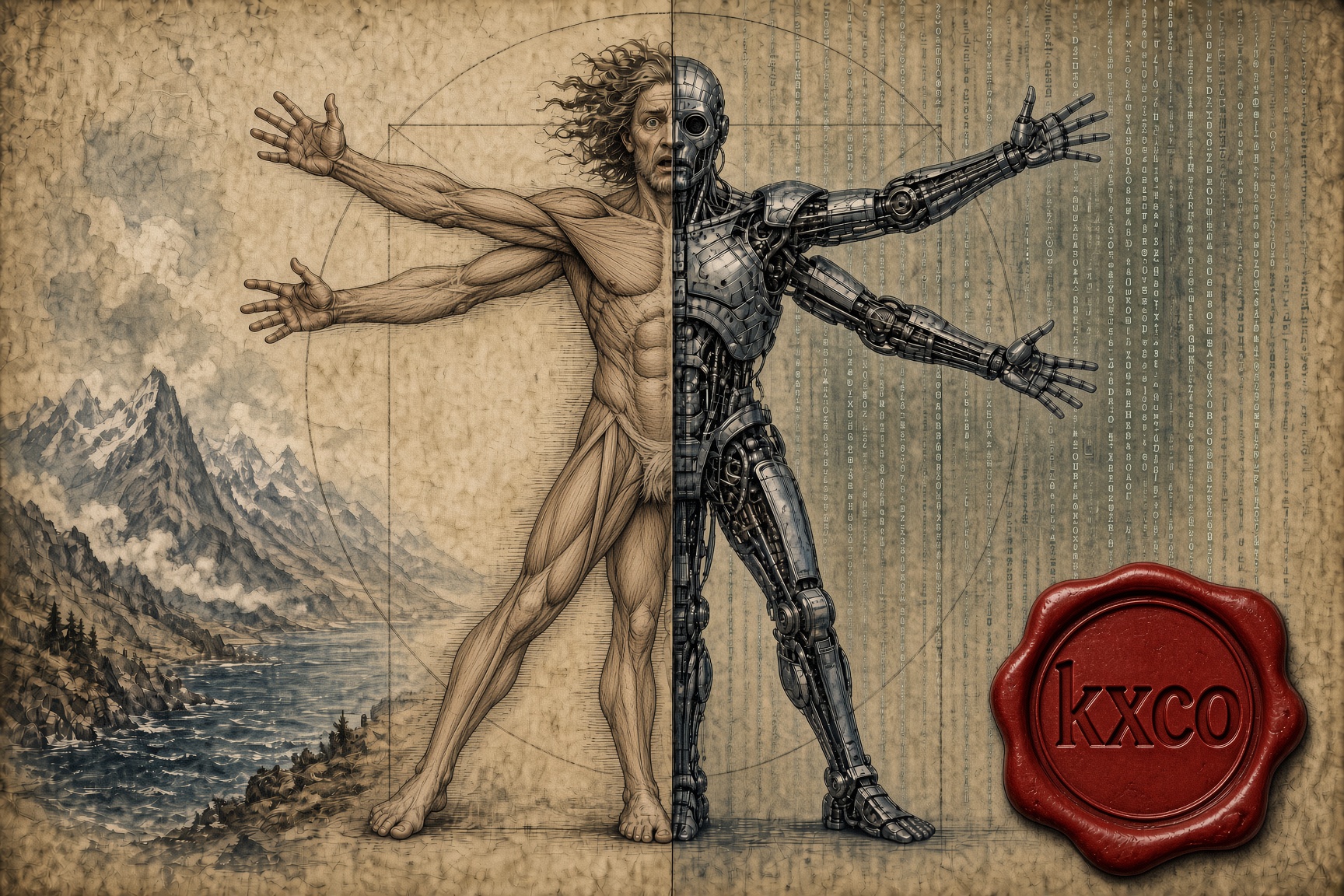
Don't Be the Best, Be the Only: Winning in an AI World
AI is repricing competence downward. What it cannot reproduce is a life. The case for remaining non-fungible, why friction still produces the best ideas, and what it means to build AI systems that keep the human intellect in them.
Every story, signed and delivered.
Subscribe to the kxco channel and get the headline, the AI-written key takeaways, and the chain-anchor link the moment we publish. Audio versions and per-ticker subscriptions arrive in the next iteration.