
Dolce and Gabbana addition of Kim Kardashian has damaged their luxury image
There are mixed opinions on whether Dolce and Gabbana's addition of Kim Kardashian has damaged their luxury image.
Some people believe that Kardashian is a cultural icon and that her collaboration with the brand has made it more accessible and appealing to a wider audience, but that itself is a downgrade from luxury to commercial.
Some, like me, believe that Kardashian is too closely associated with reality TV and social media and that her involvement with the brand has cheapened its image.

There is some evidence to support the claim that Kardashian's addition has damaged Dolce and Gabbana's luxury image. For example, a study by the luxury marketing firm Altagamma found that the brand's sales in China declined by 10% in the year following the launch of the Kardashian collaboration. The study also found that the brand's reputation among Chinese consumers decreased significantly during the same period.
Another study, conducted by the University of Milan, found that Italian consumers also have a negative perception of the Kardashian collaboration. The study found that many Italian consumers believe that Kardashian is not a good fit for the Dolce and Gabbana brand and that her involvement with the brand has made it less luxurious.
The evidence to suggest that the Kardashian collaboration has been beneficial for Dolce and Gabbana is also a double-edged sword. For example, the brand's social media following increased significantly following the launch of the collaboration as it dropped from luxury to mainstream. It is true the brand's sales in the United States increased by 5% in the year following the launch of the collaboration, but those sales are at the lower end of the price points, again reinforcing the idea that luxury is no longer the primary Dolce and Gabbana concern; it is just about the money, something Kim Kardashian reflects well.
Overall, it is not difficult to confirm definitively whether Dolce and Gabbana's addition of Kim Kardashian has damaged their luxury image.
The association of luxury brands with celebrities has been a long-standing practice, but in recent times, the number of luxury brands using celebrities in their advertising campaigns has increased dramatically.
There are several reasons why this trend is tacky and not fitting the idea of luxury. First, it often seems like a desperate attempt to attract attention and sell products. Second, it can make the brand seem less exclusive and more accessible, which can damage its reputation as a luxury brand. Third, it can alienate some customers who may not appreciate the celebrity connection.
Luxury brands should focus on creating high-quality products and providing excellent customer service. If they can do these things, they will not need to rely on celebrities to sell their products. In fact, the use of celebrities can actually backfire and damage the brand's reputation.
Of course, there are some exceptions to this rule. Some luxury brands have used celebrities effectively in their advertising campaigns. However, these are the exceptions rather than the rule. In general, luxury brands should avoid using celebrities in their advertising campaigns. They should focus on creating products that people want and providing excellent customer service.
Here are some alternative strategies for luxury brands to consider instead of hiring celebrities:
Focus on creating high-quality products and providing excellent customer service.
Create exclusive events and experiences for their customers.
Partner with other luxury brands to create unique products or services.
Use social media to connect with their customers and build brand awareness.
Run targeted advertising campaigns that reach their ideal customers.
Use influencers to promote their products to their followers.
By focusing on these strategies, luxury brands can create a more authentic and appealing brand image that will resonate with their target audience.
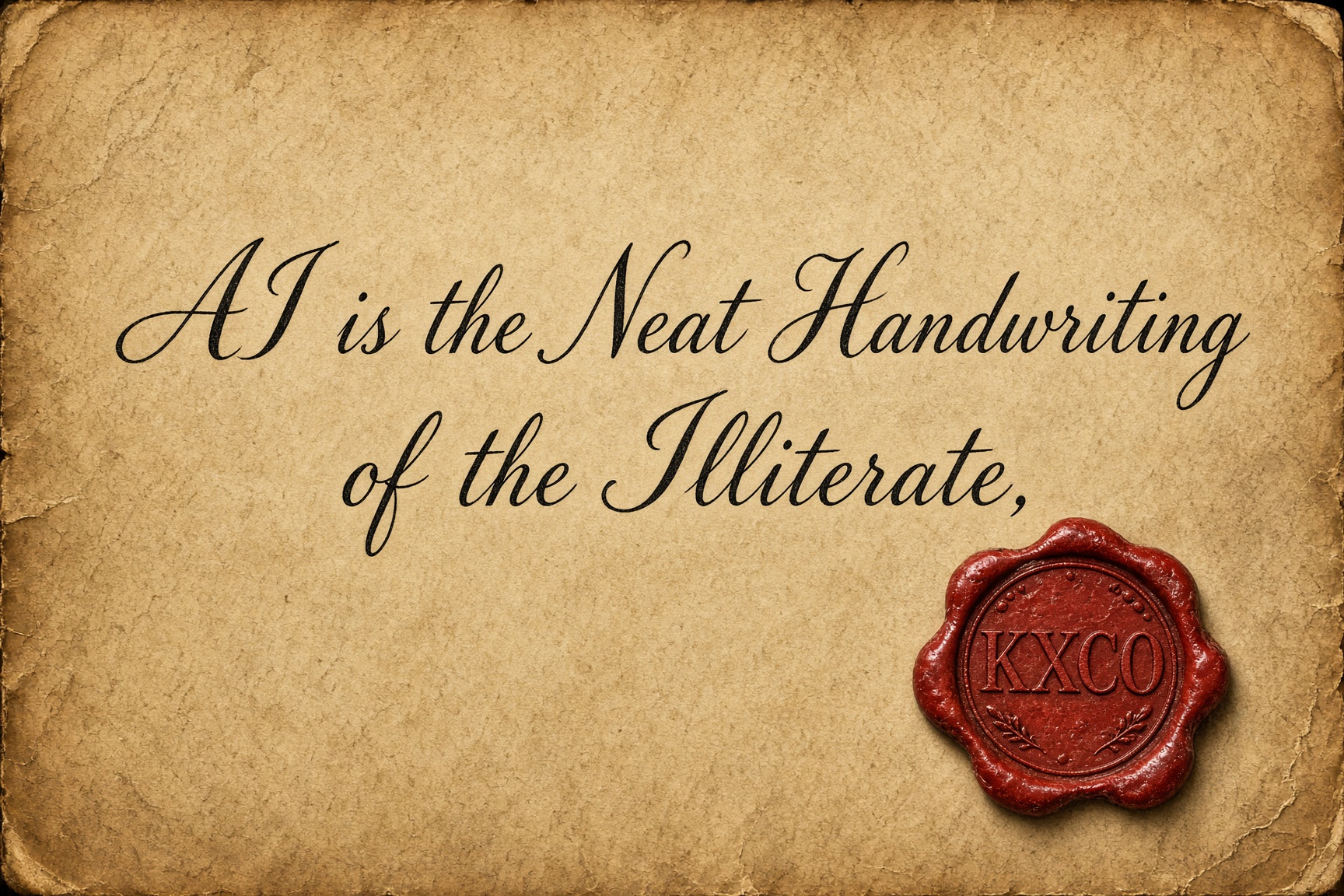
AI is the Neat Handwriting of the Illiterate
A model in the hands of someone who has read the filing and walked the plant is a clerk. The same model, speaking for someone who has done neither, is a disguise. On AI slop, phantom citations and factslop, why finish stopped being evidence of work, and the containment layer KXCO built so a machine cannot speak as the institution until a source is attached.
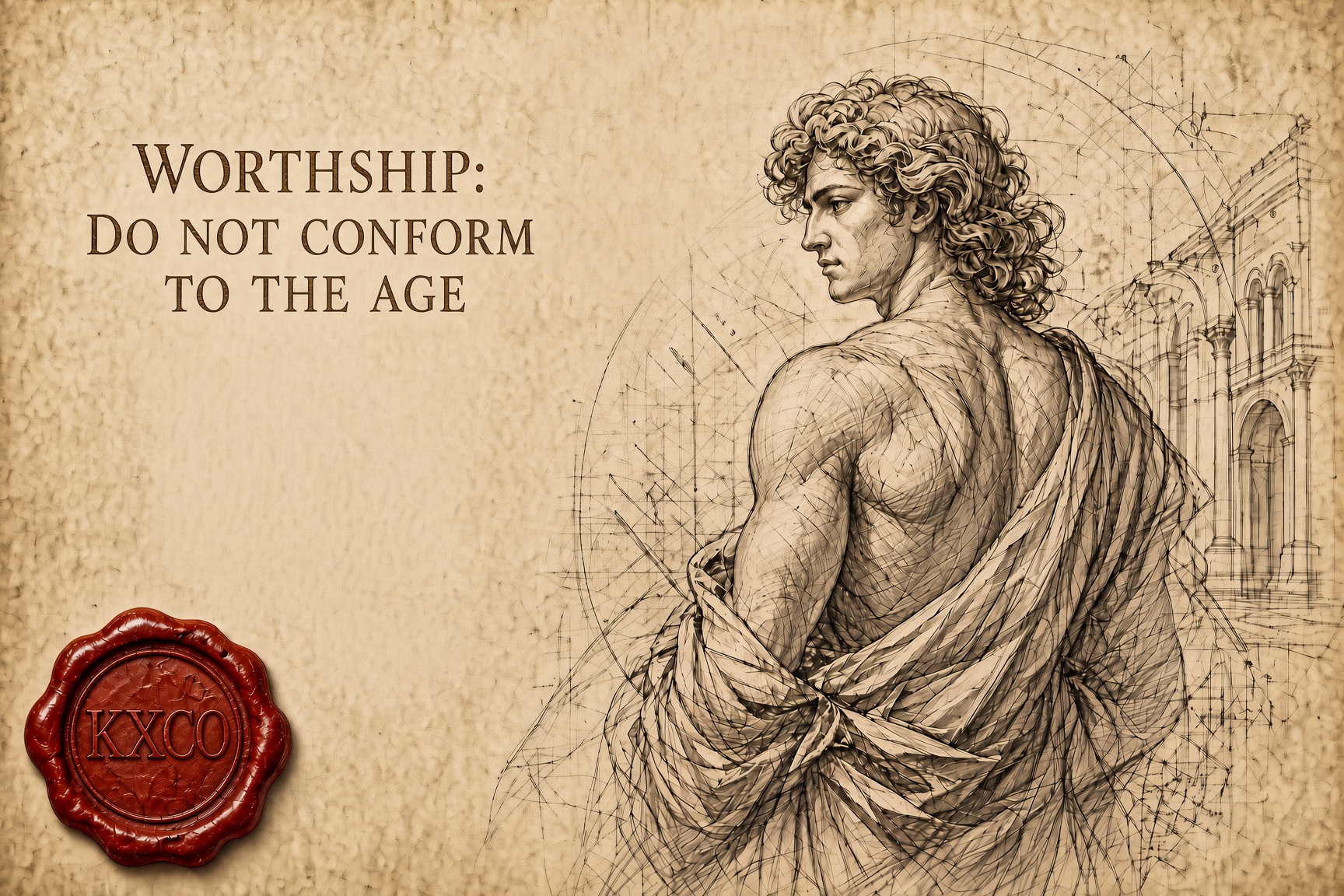
Worthship: Do Not Conform to the Age
Worthship is the older English word for worship, and it means to ascribe worth. Bishop Robert Barron preached Romans 12 on 30 August. This essay follows the text into the prison letters, and puts two questions to a graph: do the four readings of that Sunday agree, and was Paul free or in chains when he wrote about despair?
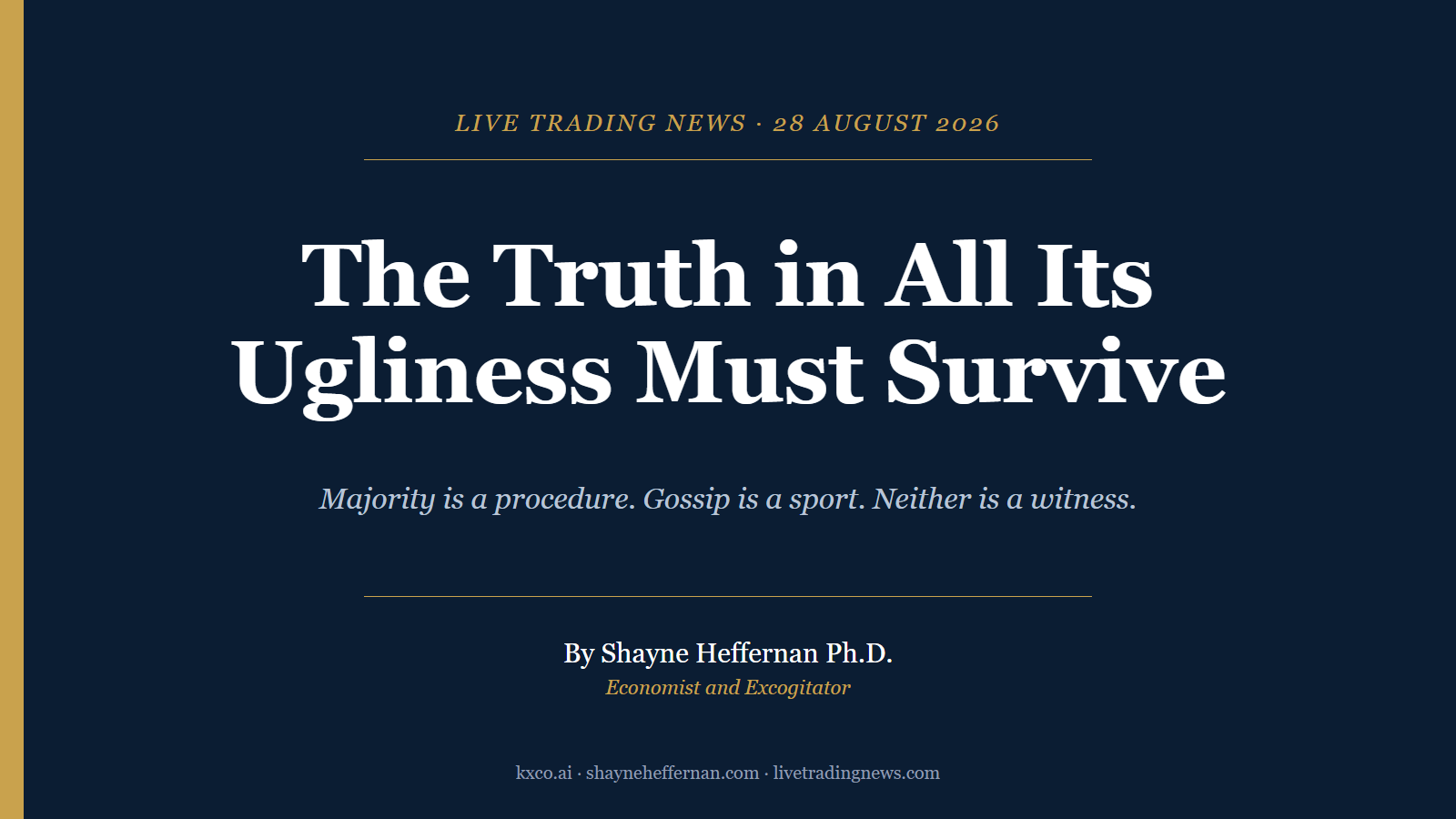
The Truth in All Its Ugliness Must Survive
A majority vote does not determine the truth. Consensus is a mood, gossip is a sport, and a model will write the pretty version for free. Why the ugly number has to survive, why a record beats a dashboard, and what KXCO was built to keep standing when the room changes its mind.

Don't Be the Best, Be the Only: Winning in an AI World
AI is repricing competence downward. What it cannot reproduce is a life. The case for remaining non-fungible, why friction still produces the best ideas, and what it means to build AI systems that keep the human intellect in them.
Every story, signed and delivered.
Subscribe to the kxco channel and get the headline, the AI-written key takeaways, and the chain-anchor link the moment we publish. Audio versions and per-ticker subscriptions arrive in the next iteration.