
Death of the Dollar
While it's important to approach financial predictions with caution, some experts and investors have expressed concerns about the future of the U.S. dollar. Here are a few factors contributing to this sentiment:
Inflation: The U.S. has experienced rising inflation rates, which can erode the value of a currency over time. The Federal Reserve has implemented expansionary monetary policies, including low-interest rates and large-scale asset purchases, to address economic challenges posed by the COVID-19 pandemic. While these policies aim to stimulate the economy, they can also contribute to inflation.
Fiscal Policy: Massive government spending and stimulus packages have been necessary to support the economy during the pandemic. However, this has also led to increased government debt. If not managed effectively, high levels of debt can weaken confidence in the U.S. dollar.
Global Reserve Currency: The U.S. dollar is considered the world's primary reserve currency. As such, many countries and central banks hold significant reserves in U.S. dollars. If these entities were to shift away from the dollar in favor of other currencies or assets, it could negatively impact the dollar's value.
Geopolitical Factors: Geopolitical tensions and international conflicts can influence the strength of a country's currency. Sanctions and international disputes can impact the U.S. dollar's standing in the global economy.
Cryptocurrencies: The rise of cryptocurrencies, like Bitcoin, has raised questions about the future of traditional currencies. While cryptocurrencies are highly volatile and speculative, they represent an alternative store of value that some investors find attractive.
It's important to note that the fate of the U.S. dollar is complex and influenced by a multitude of factors. Currency markets are driven by a combination of economic data, policy decisions, market sentiment, and global events.
Investors and individuals concerned about the U.S. dollar's future value may consider diversifying their portfolios to include assets that are less dependent on the dollar. Diversification can help mitigate risks associated with currency fluctuations and economic uncertainties.
It's also advisable to consult with financial professionals and stay informed about economic and geopolitical developments to make well-informed decisions regarding investments and financial strategies.
AI is the Neat Handwriting of the Illiterate
A model in the hands of someone who has read the filing and walked the plant is a clerk. The same model, speaking for someone who has done neither, is a disguise. On AI slop, phantom citations and factslop, why finish stopped being evidence of work, and the containment layer KXCO built so a machine cannot speak as the institution until a source is attached.
Worthship: Do Not Conform to the Age
Worthship is the older English word for worship, and it means to ascribe worth. Bishop Robert Barron preached Romans 12 on 30 August. This essay follows the text into the prison letters, and puts two questions to a graph: do the four readings of that Sunday agree, and was Paul free or in chains when he wrote about despair?
The Truth in All Its Ugliness Must Survive
A majority vote does not determine the truth. Consensus is a mood, gossip is a sport, and a model will write the pretty version for free. Why the ugly number has to survive, why a record beats a dashboard, and what KXCO was built to keep standing when the room changes its mind.
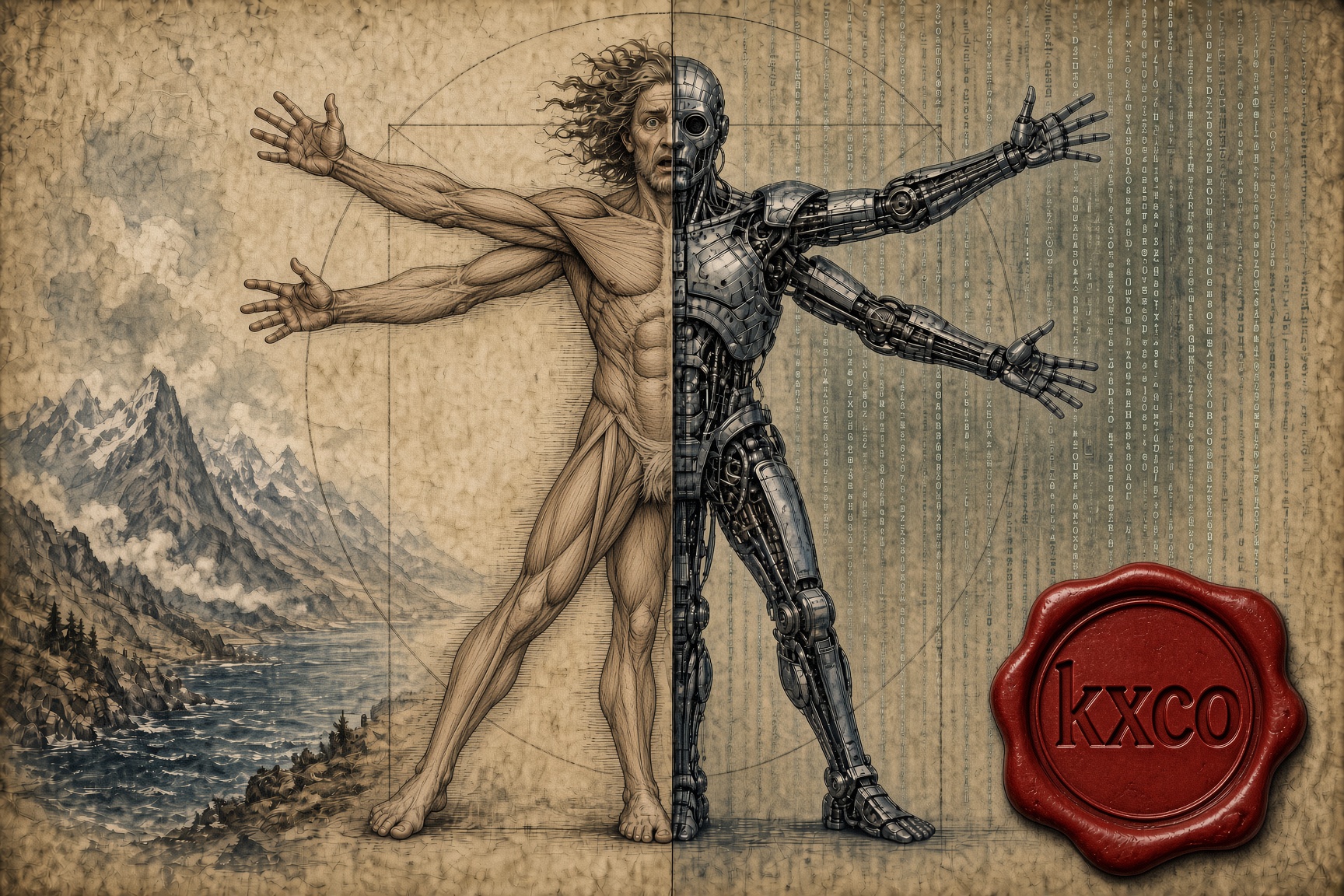
Don't Be the Best, Be the Only: Winning in an AI World
AI is repricing competence downward. What it cannot reproduce is a life. The case for remaining non-fungible, why friction still produces the best ideas, and what it means to build AI systems that keep the human intellect in them.
Every story, signed and delivered.
Subscribe to the kxco channel and get the headline, the AI-written key takeaways, and the chain-anchor link the moment we publish. Audio versions and per-ticker subscriptions arrive in the next iteration.