
Coinweb $CWEB Looks Undervalued
Coinweb $CWEB coinweb.io looks to us to be better than the .025c we are seeing on CMC.
The Chart (below) screams buy the dip, in this range it is a BUY, under .022 buy it hard.
At a Technical Level Coinweb really has a future with real world application, the team is strong and they are maintaining a strong market profile. The growing partnerships point to a strong future here.
The only negative for me is staking, staking in general should be taken out and shot several times, buried, and never come back to the Crypto world, it serves no purpose and does not benefit anyone.
Overall we give it a Strong Buy and it is in our top 100 Crypto's. It will be added to the KXCO exchange once we get going.

The current CoinMarketCap ranking is #2899, with a live market cap of not available. The circulating supply is not available and a max. supply of 7,680,000,000 CWEB coins.
About Coinweb
Current blockchains are isolated from one another, preventing people from taking advantage of their full potential.
If we want to sell an Ethereum token for Bitcoin for example, we’d need an Ethereum smart contract that monitors payments on Bitcoin and then transfers our tokens to the buyer on Ethereum.
Current smart contracts can’t do this because they can’t stay active indefinitely. They require an external payment to execute their code and then they go back to sleep to wait for the next payment. This prevents blockchains from communicating with each other.
The Coinweb Solution
Coinweb’s Reactive Smart Contracts have their own wallets which they can use to pay themselves.
This allows them to stay active continuously to monitor, move, process or synchronize data between blockchains without the need for external payments.
If a buyer pays for Ethereum-based tokens using Bitcoin, a Coinweb Reactive Smart Contract monitors the payment on the Bitcoin chain and automatically transfers the corresponding tokens on Ethereum.
Reactive Smart Contracts can also run in a loop or connect with other Reactive Smart Contracts to form a powerful web of contracts that resemble highly advanced software applications.
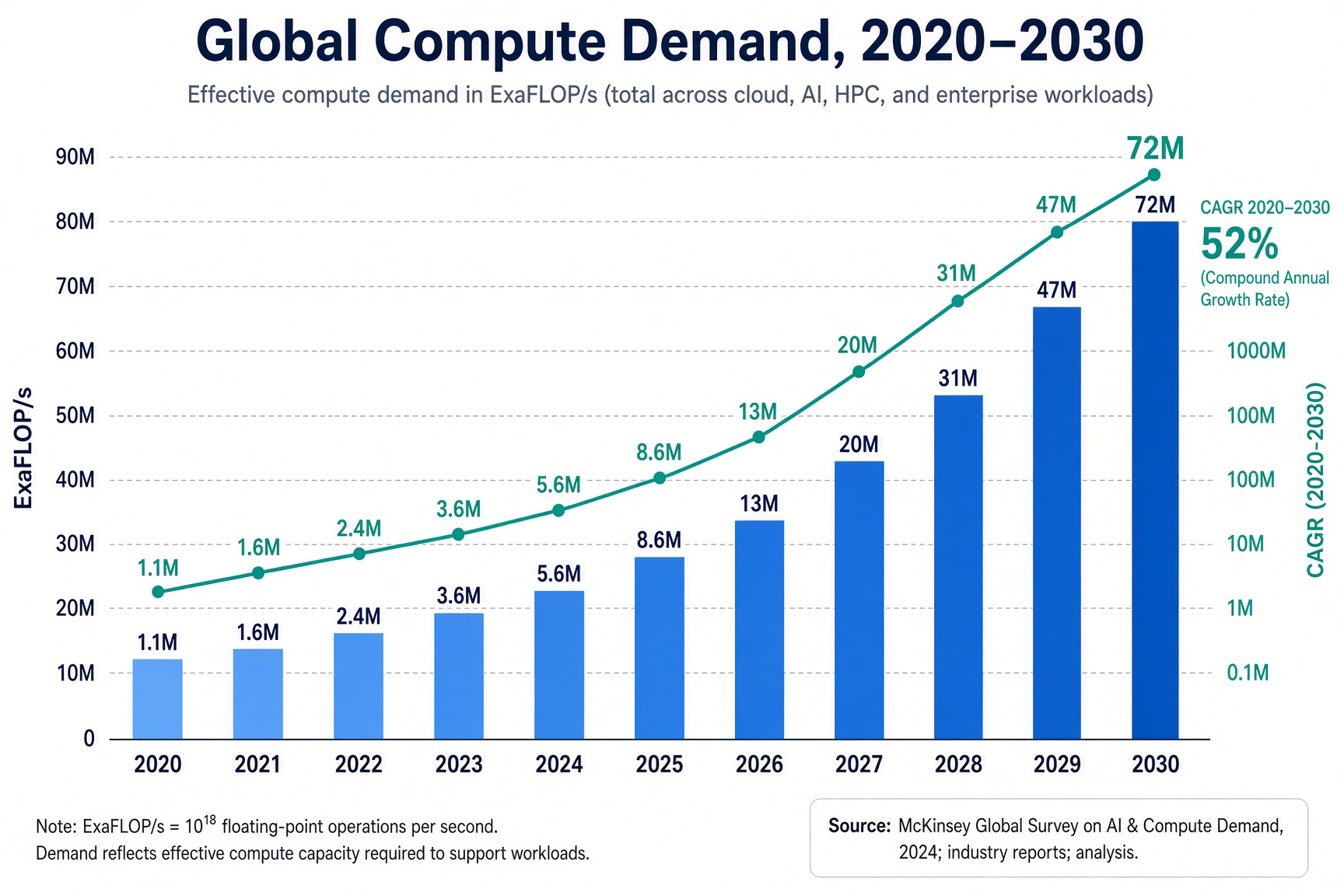
The 2030 Compute Landscape: GPUs, Power and the Architecture of Intelligence
The constraint on AI is no longer ideas or data but compute and the power to run it. Frontier training compute has grown about five times a year since 2020, and the leading AI supercomputer of June 2030 is on course for about 2 million chips and 9 gigawatts. Shayne Heffernan sets out the 2030 arithmetic, the power problem, who has already contracted the gigawatts, and how GPUs, custom ASICs, wafer-scale engines and quantum machines divide the work.
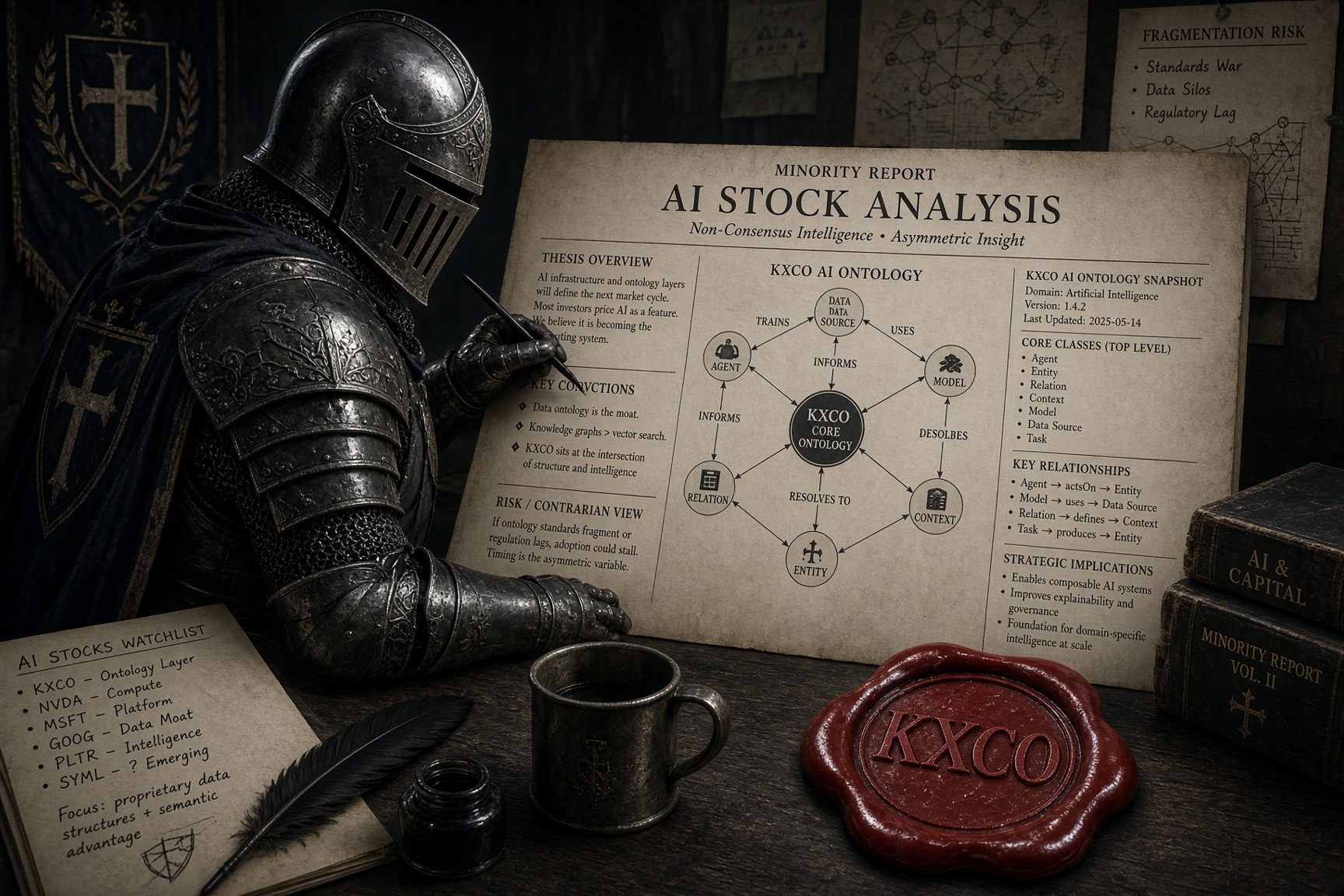
KXCO AI Ontology at 3 Months: What It Called and What Comes Next
On 19 July 2026 the Round Table's AI room published its first Analyst Outlook. To the 16 October 2026 close its 13 names rose 2.6% on an equal weight against 2.1% for QQQ, per StockAnalysis closes, and the six it opened with 35% or more of upside rose 8.6%. This piece lists the six names up more than 5%, the ten names I rate as opportunities now, the month's results in AI and quantum computing, and the official data showing that four in five firms have not yet started using AI.
SpaceX: The Road to 10 Gigawatts
SpaceX did not add an AI business. A company whose processes run on compute built its own computing plant, then built the power to run it. The 10-Q reports 1.4 gigawatts of nameplate compute at 30 June 2026, four leases worth about $41 billion a year and $100 billion of cash. The target is closer to 10 gigawatts than 5 by the end of 2027. This piece sets out the build sequence, the four layers of power in Memphis, and why Terafab is the act after 2027, not the road to it.
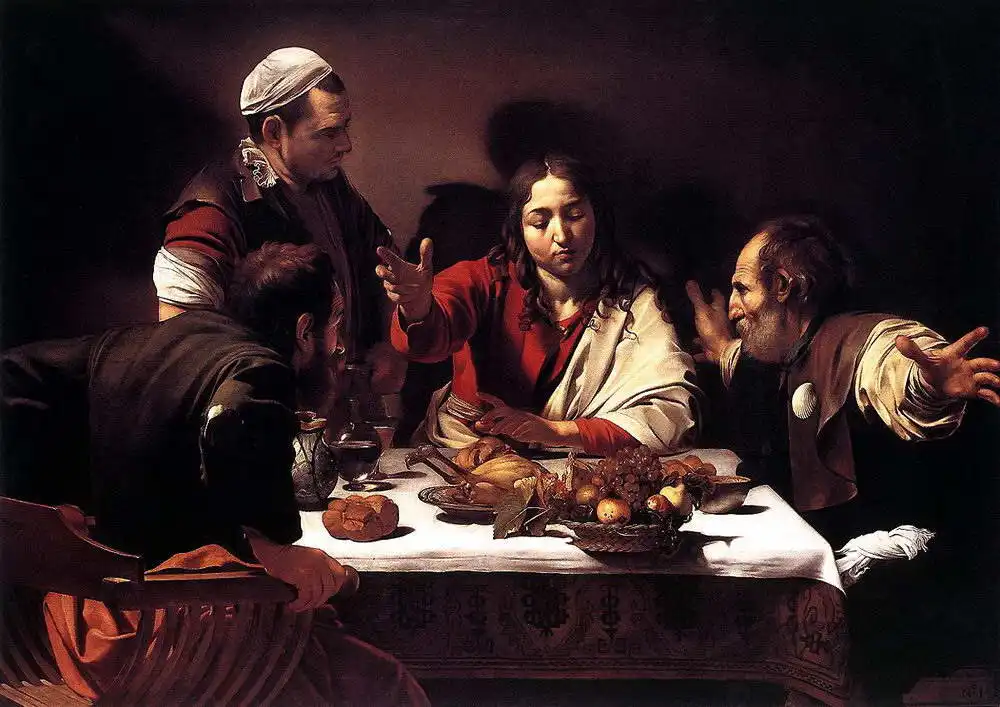
Thoughts on Thinking: Take an Art Break
The best way I know to keep complex work in perspective is to stop at intervals and look at something that took the same order of sustained attention under real constraints. The studies now show what that does: a museum visit restored attention where an urban walk did not, judging the beauty of an object raised abstract thinking almost 14 per cent, and artistic film raised originality even in people who felt worse for it. Five works, Leonardo to Holbein, and the non-default decision in each.
Every story, signed and delivered.
Subscribe to the kxco channel and get the headline, the AI-written key takeaways, and the chain-anchor link the moment we publish. Audio versions and per-ticker subscriptions arrive in the next iteration.