
China Loves Copper
With the price of copper reaching a 10-year high thanks in no small part to China's insatiable appetite, Chile, the world's leading producer, faces a "unique" opportunity, experts told AFP.
Copper rose to $4.21 a pound on the London Metal Exchange on Wednesday, meaning it has doubled its price since March 2020.
Now experts believe its price, spurred by demand from China, could beat all records in the coming weeks, surpassing its previous high of $4.60 in February 2011 and potentially rising above $5 a pound.
"The intensity of consumption of primary materials in China has intensified due to the (coronavirus) pandemic," Juan Carlos Guajardo, director of the Plusmining consultancy, told AFP.
The Asian giant, which buys almost half of the world's copper production, is trying to become the "true factory of the world," he said.
On top of Chinese demand, copper purchases are also on the rise due to its use in renewable energy and electric mobility.
In addition, a weakened US dollar means raw materials priced in the American currency are cheaper for investors using other currencies, and stimulus packages to reboot economies ravaged by the pandemic have flooded the global market with liquidity.
At the same time, there has been a reduction in investment in the supply side of the mining industry since the "boom" years of 2003-13 -- and the subsequent lack of new expansion plans of existing mines has meant less copper on the market and higher prices for Chile.
All in all, the conditions have created a favorable scenario for Chile's main export.
- 'It won't be around forever' -
Chile produces close to a third of the world's copper and copper represents 10-15 percent of national GDP.
"The rise in the copper price gives Chile a unique opportunity to keep developing the mining sector, increase production capacity and thus meet the expected rising demand," said Mining and Energy Minister Juan Carlos Jobet.
The increase in price "could mobilize more investment in the mining sector and that could mean greater employment" during a year in which Chile will be hoping to return to economic growth after a tough 2020 that saw GDP fall by six percent due to the pandemic, Finance Minister Rodrigo Cerda said.
Chile's 2020 would have been a lot more painful had the copper industry been forced to shut down like many other sectors during a coronavirus-imposed lockdown.
But given the main mining sites were far from the infection hot spots, the copper industry was spared the painful closures that hit commercial centers, restaurants, bars and cinemas, amongst other businesses.
However, Chile must be wary of a rising supply in copper, according to Marcela Vera, an academic at the University of Santiago.
Given its use in renewable energies and potentially limited supplies, it would be counterproductive for Chile to produce greater amounts of copper that bring down prices when the metal could become so precious in the future.
"What Chile needs to do sovereignly is to generate a reduction in the offer so the prices adjust," said Vera.
Increased production would lead to falling prices and a shorter lifespan for the metal.
"Copper is not a renewable product and it won't be around for ever," Vera said.
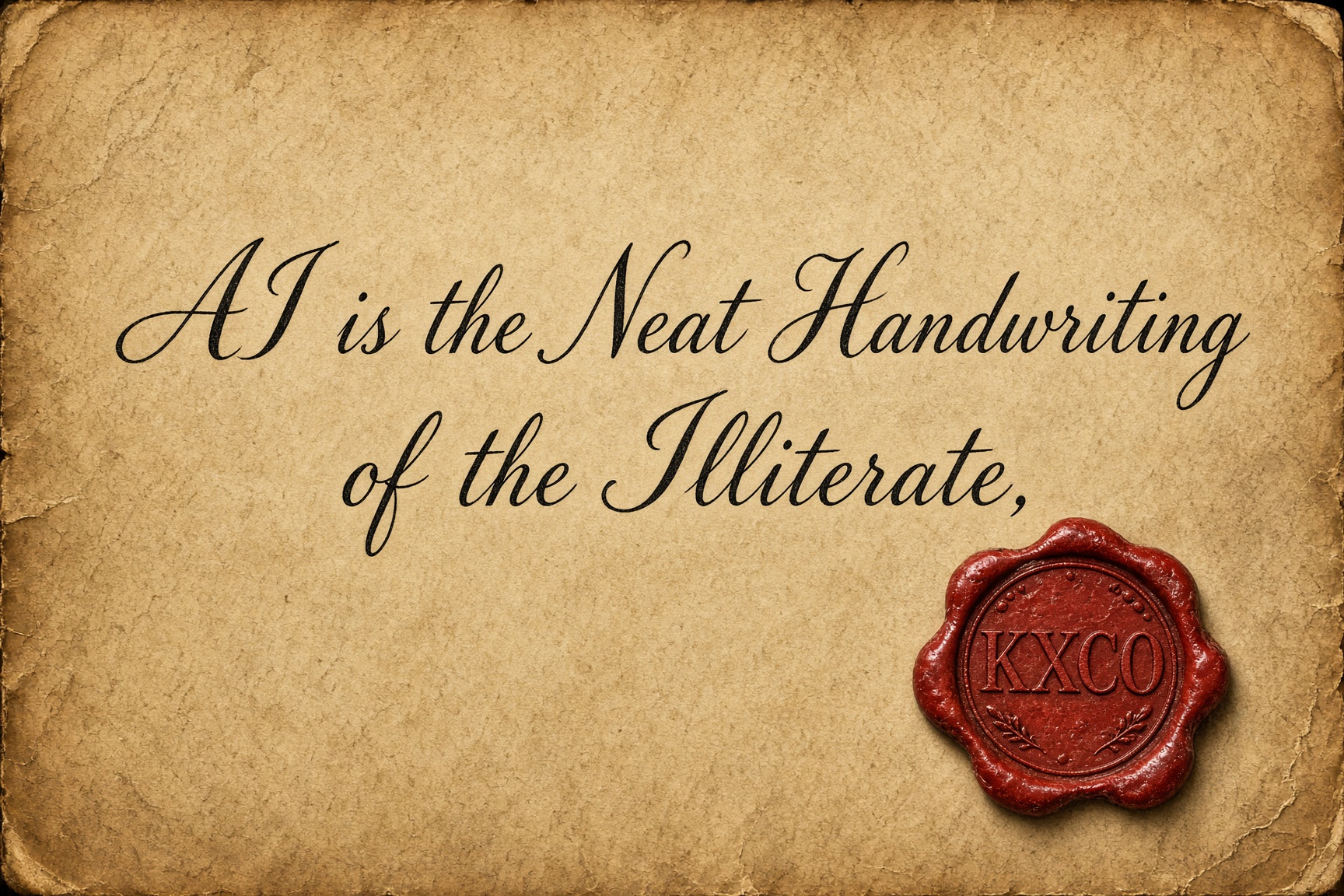
AI is the Neat Handwriting of the Illiterate
A model in the hands of someone who has read the filing and walked the plant is a clerk. The same model, speaking for someone who has done neither, is a disguise. On AI slop, phantom citations and factslop, why finish stopped being evidence of work, and the containment layer KXCO built so a machine cannot speak as the institution until a source is attached.
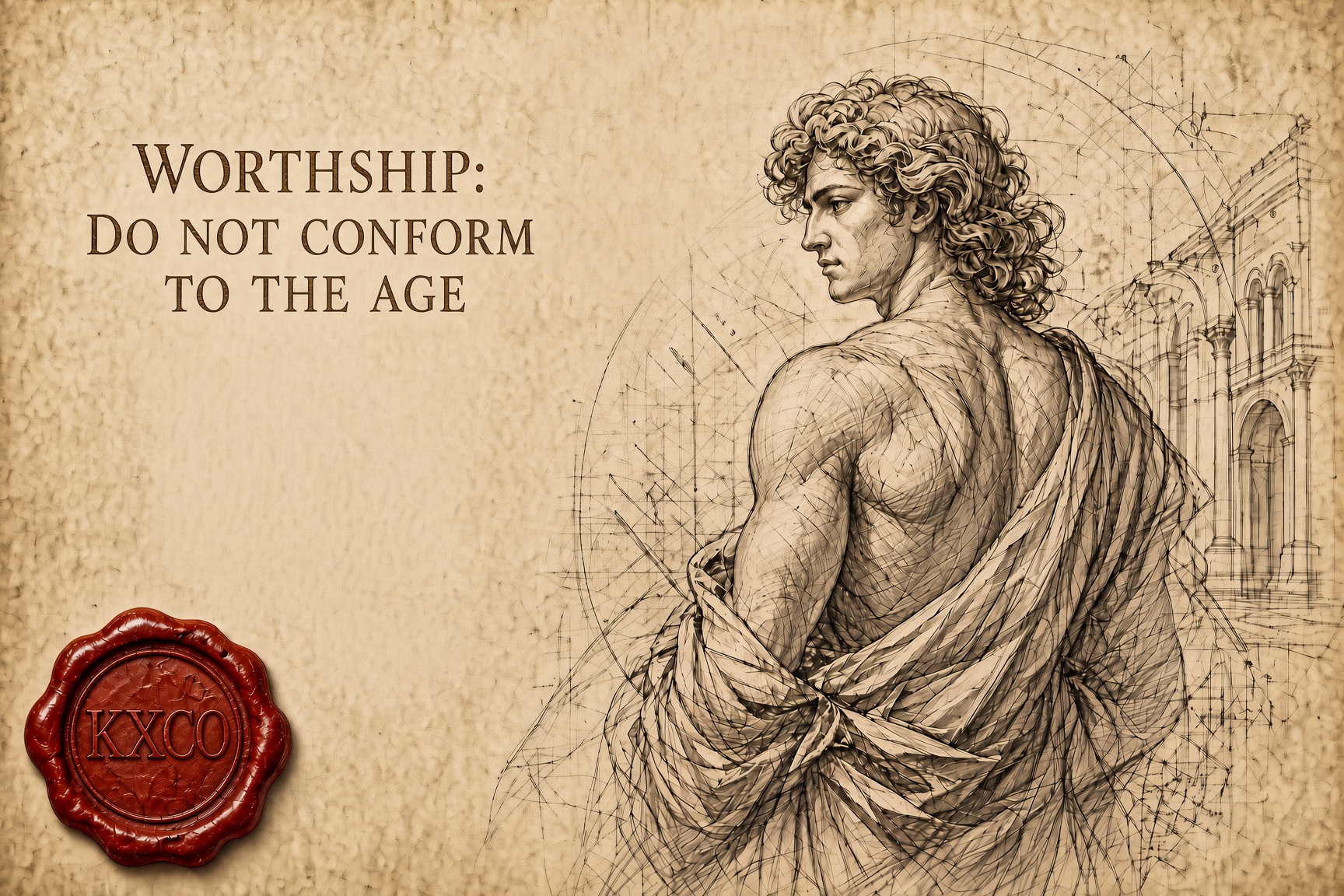
Worthship: Do Not Conform to the Age
Worthship is the older English word for worship, and it means to ascribe worth. Bishop Robert Barron preached Romans 12 on 30 August. This essay follows the text into the prison letters, and puts two questions to a graph: do the four readings of that Sunday agree, and was Paul free or in chains when he wrote about despair?
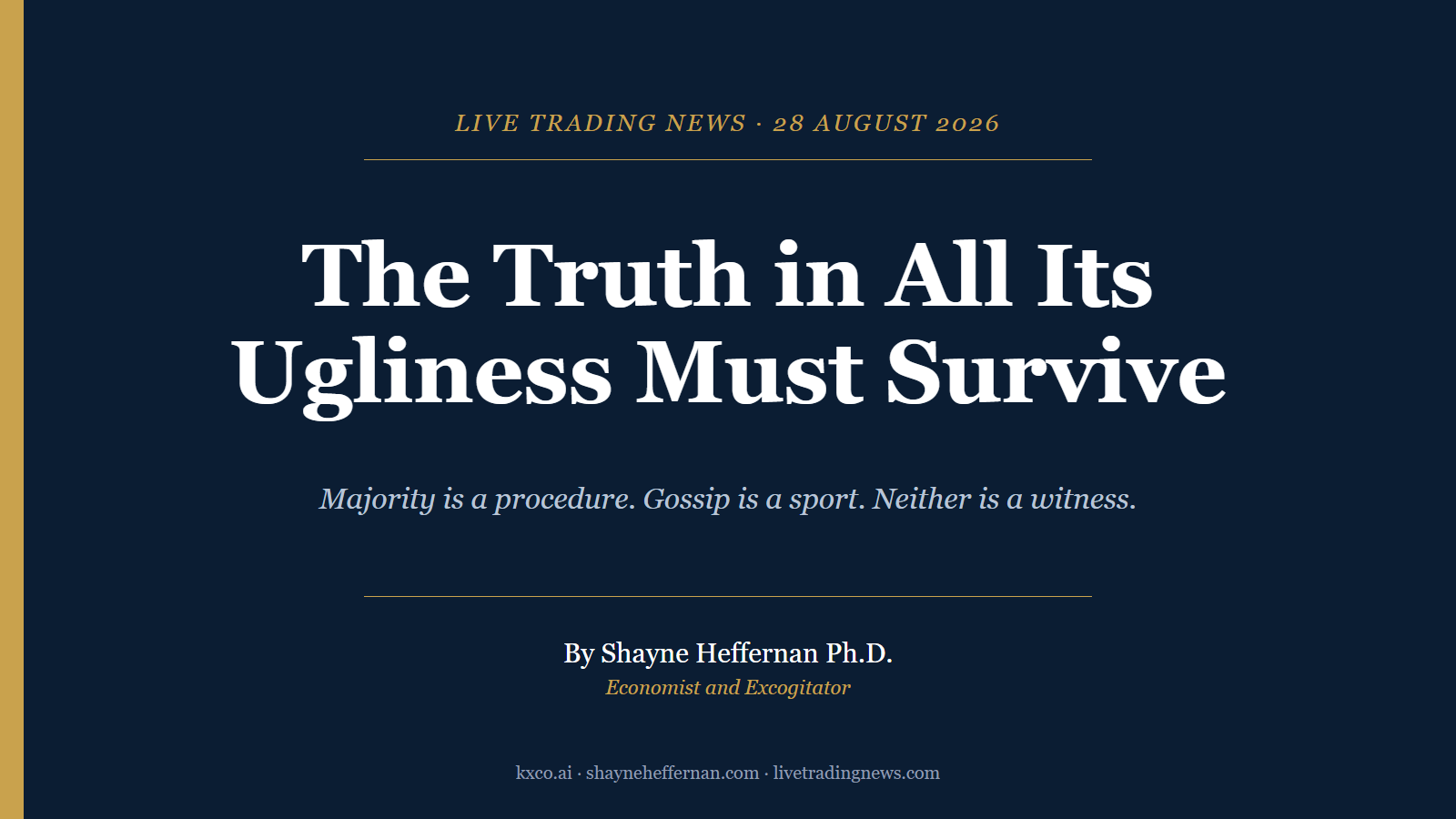
The Truth in All Its Ugliness Must Survive
A majority vote does not determine the truth. Consensus is a mood, gossip is a sport, and a model will write the pretty version for free. Why the ugly number has to survive, why a record beats a dashboard, and what KXCO was built to keep standing when the room changes its mind.

Don't Be the Best, Be the Only: Winning in an AI World
AI is repricing competence downward. What it cannot reproduce is a life. The case for remaining non-fungible, why friction still produces the best ideas, and what it means to build AI systems that keep the human intellect in them.
Every story, signed and delivered.
Subscribe to the kxco channel and get the headline, the AI-written key takeaways, and the chain-anchor link the moment we publish. Audio versions and per-ticker subscriptions arrive in the next iteration.