
China is Ramping Up Economy
Manufacturing activities outpaced expectations
Manufacturing PMI was 50.6 in February and fell from 51.3 in January, but is still expanding.
This signals some factory workers were still working during the Chinese New Year, where manufacturing activities sub PMI was 51.3 in the month, having fallen from 53.5 in the previous month. This should be the result of workers staying at work locations to spend the Chinese New Year. Some workers found a nice salary working during the holidays. Domestic orders continued to stay above 50 at 51.5 from 52.3 in January.
But external demand fell to contraction level at 48.8 in February from 50.2 before the Chinese New Year. That reflects the fact that Covid-19 cases were still high in export markets.
Honestly, the manufacturing PMIs surpassed our expectation, and shows that domestic demand can continue to support the manufacturing sector. This demand came from the technology sector, commodity sector and the construction sector.
51.5
New dometic orders Manufacturing PMI
48.9
New domestic orders Non-manufacturing PMI
Service demand expanded but not as great as we thought
Non-manufacturing PMI was 51.4 in February down from 52.4. We expected domestic orders would expand in the month but it continued to shrink from January's 48.7 to February's 48.9. This could largely be a result of continual limited orders for transporation services, both from inbound and outbound travels, as well as a lower expectation of sales after the long holiday. The next long holiday is in May.
We expect retail sales to jump over 10% year-on-year as domestic demand should be solid from job stability and wage increases. But we won't get this data until the end of March as the first three months' data are usually reported as quarterly data to avoid seasonal misalignment from the Chinese New Year.
Within all the categories of retail sales, we expect catering to resume to positive growth, which is an important indicator to show that the Covid impact on the Chinese service economy continues to fade, but a full recovery is yet to come with travel restrictions.
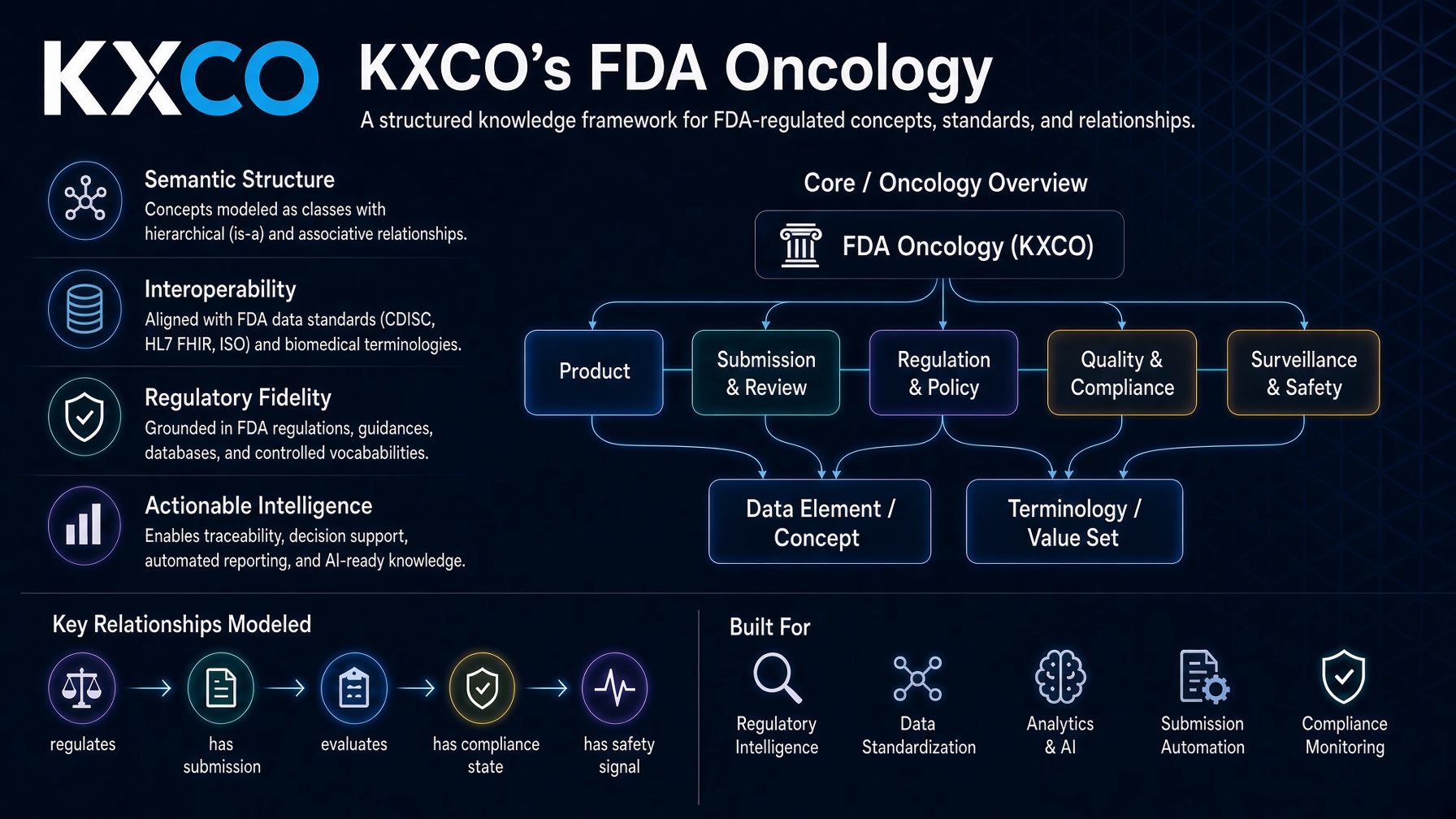
KXCO's FDA Ontology Is Two for Two on FDA Decisions
The FDA has decided two filings on KXCO's FDA board since the board began ranking them, and on my scorecard the board got both right. It ranked Inovio's INO-3107 first and the FDA approved it on 30 October; Inovio moved +149.1% net of the sector. It gave Summit's ivonescimab no call, and Summit announced the FDA's refusal on 15 November; Summit fell 16.5%. KXCO's record held the FDA's survival warning before the refusal was announced.

Quantum Computing in November 2026: The Cost of Breaking Your Keys Keeps Falling
No quantum computer can break today's public keys yet, but three new estimates and a peer-reviewed Google paper put a break at between 19,397 and 500,000 physical qubits. Quantinuum's Helios has 98 qubits and IBM's Nighthawk r2 has 120. NIST will deprecate RSA and elliptic-curve cryptography after 2030, and only about 15% of the origin servers behind Cloudflare use post-quantum key exchange. KXCO's core library, kxco-post-quantum, scores 9.8 on the OpenSSF Scorecard.
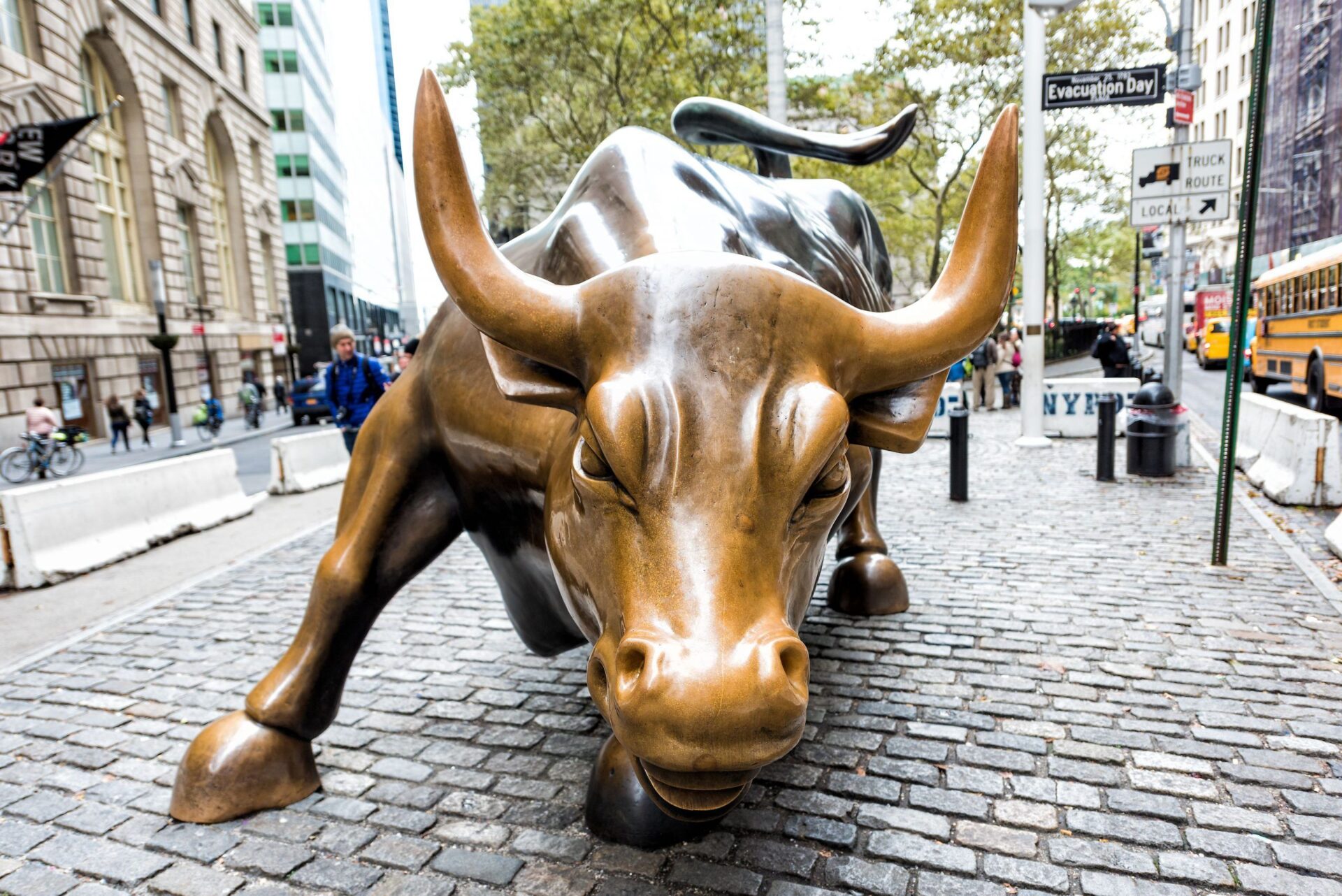
The Week Ahead on Wall Street, 16 November 2026: Look for the Bounce
NVIDIA reports on Tuesday 17 November 2026, its first results since Jensen Huang resigned, and I expect the stock and the AI market to bounce. NVIDIA closed at $162.85 on 13 November 2026, 31.93% below its record, while the semiconductor index rose 8.05% on the week. The calendar leans to currencies, with the yen near 160 after briefly crossing it, and the US publishes retail sales, housing starts, jobless claims and the Fed's minutes. Follow them on the Live Trading News trading page.
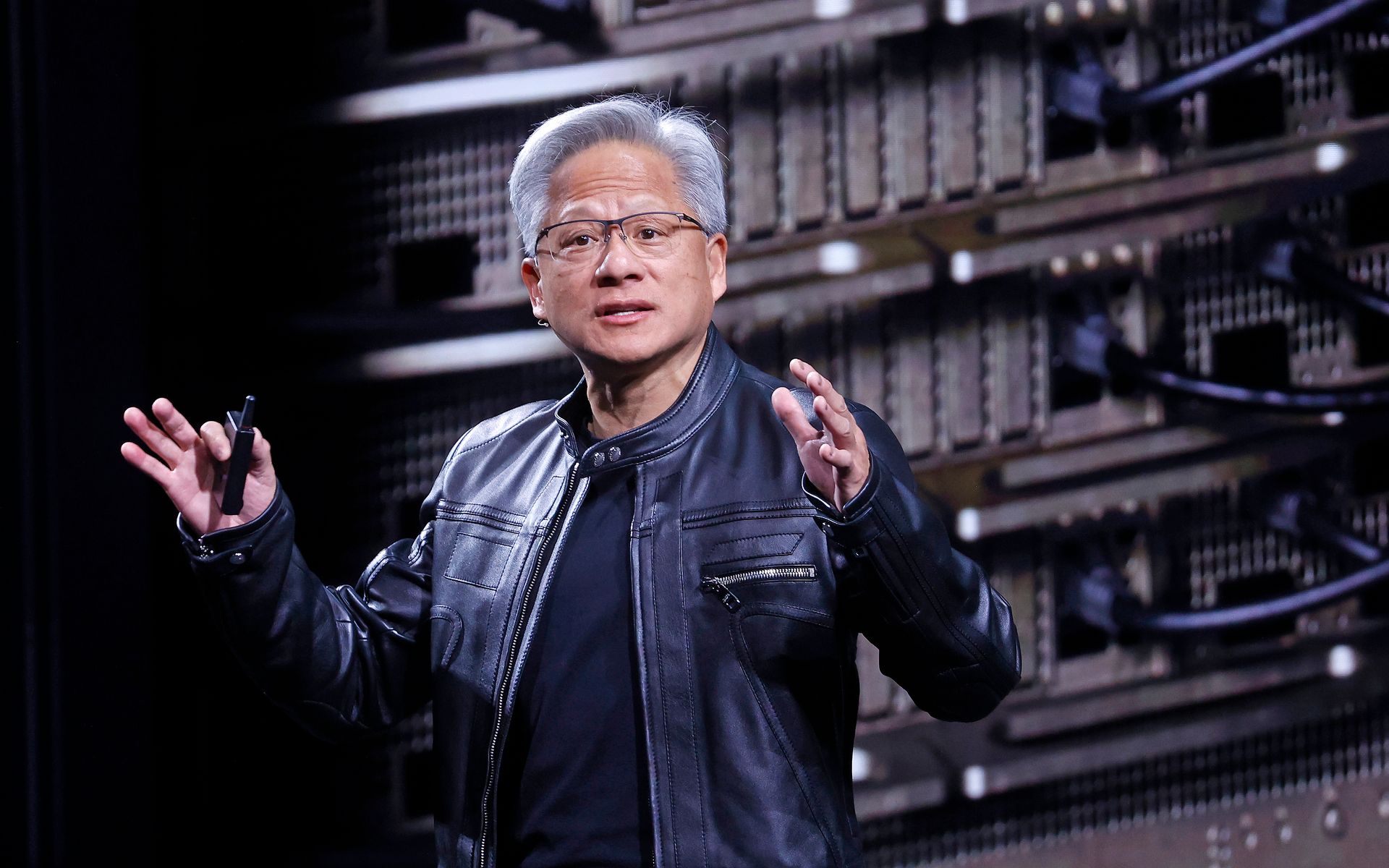
AI Is Still a Buy: The Noise Will Not Stop the Build-Out
In my view AI is still a buy. NVIDIA announced on 12 November 2026 that Jensen Huang had resigned as chief executive, and the push against data centres widened, yet four of the largest cloud sellers carry about $2.48 trillion of signed backlog and the build kept moving. NVIDIA closed at $162.85 on 13 November 2026 with an average analyst target 71.71% above the price. KXCO's AI ontology shows the same US companies have announced capacity in the UAE, Saudi Arabia, Japan, Malaysia and India.
Every story, signed and delivered.
Subscribe to the kxco channel and get the headline, the AI-written key takeaways, and the chain-anchor link the moment we publish. Audio versions and per-ticker subscriptions arrive in the next iteration.